 Search


- The project will be put into operation at the end of the year, delivering 4.2 billion kilowatt hours of green electricity annually
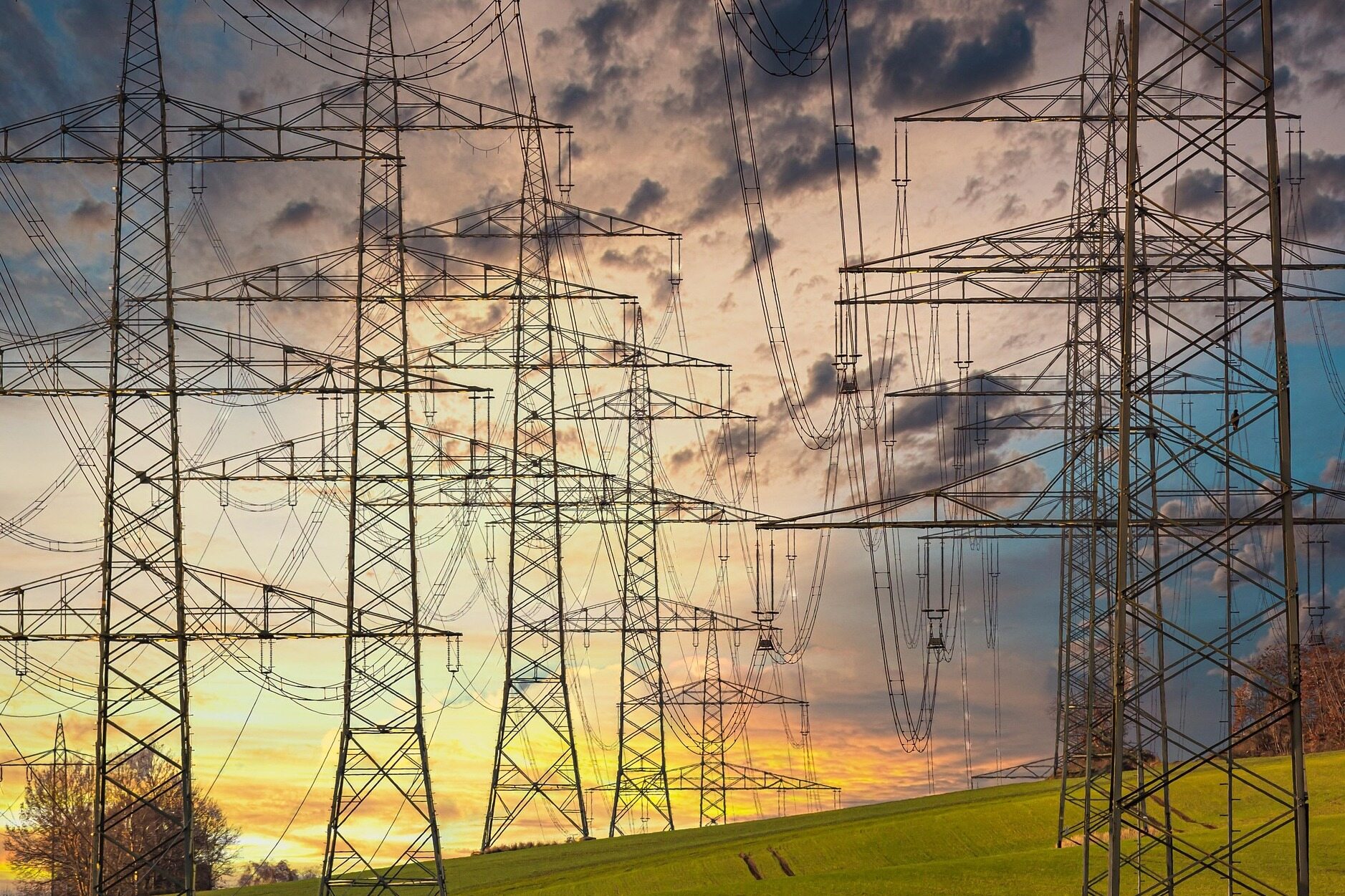
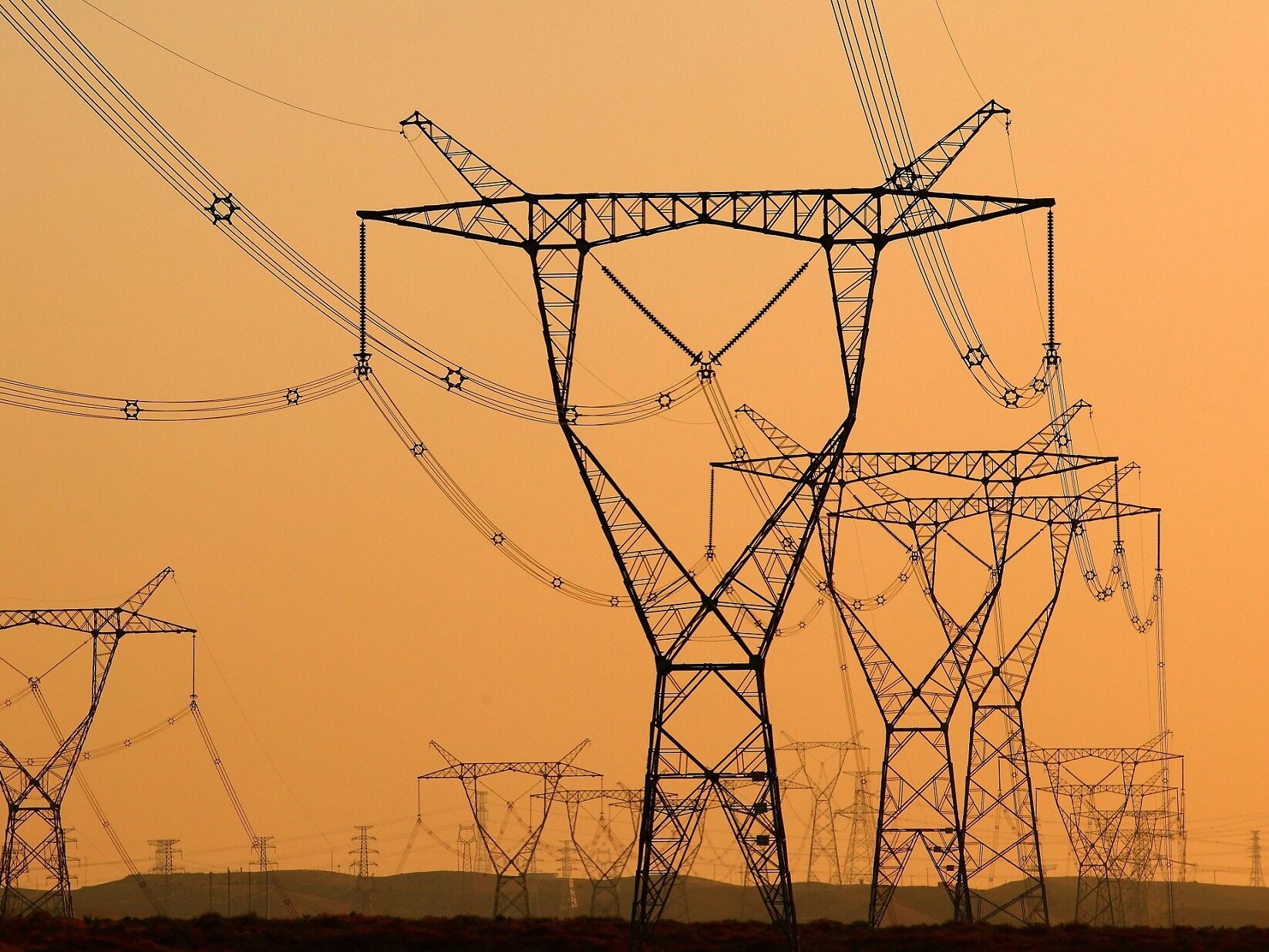
The peak of electricity consumption in East China is approaching, and a power highway spanning the Xilingol grassland is accelerating its formation. The 1.4 million kilowatt and 500 kV transmission project of Taifu in the Mongolian Eastern League has officially started construction recently. The construction team has fully entered the site and plans to have the conditions for operation by the end of the year, adding a key puzzle to the national strategy of West East power transmission.
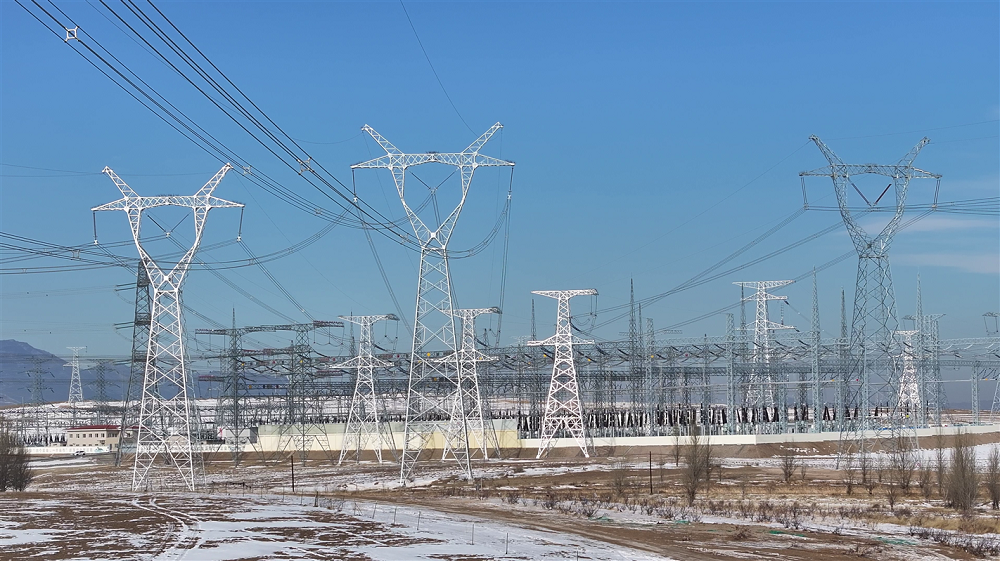
This is not only a power grid infrastructure project, but also an important support for the large-scale export of new energy in the eastern region of Mongolia - the wind and solar resources on the grasslands will be more efficiently transformed into thousands of lights thousands of miles away, and green power export will accelerate from the planning blueprint to reality.
The Last Mile of the Shage Wilderness Base
This project is a key project in the national 14th Five Year Plan for the development of electric power, and is also one of the third batch of supporting transmission projects for large-scale wind and photovoltaic bases in Shagehuang. As a supporting project for ± 800 kV high-voltage direct current from Ximeng to Taizhou, it undertakes the core task of packaging grassland wind and photovoltaic resources into the ultra-high voltage channel.
The project starts from the construction of a new 500 kV booster station in Taifu, Xilingol League and ends at the ± 800 kV Xilinhot converter station. The entire line is located in Xilinhot City and Abaga Banner of Xilingol League, with a new 500 kV transmission line of 179.4 kilometers and 422 iron towers, with a total investment of 446.77 million yuan. Although the line is not particularly long, it is an essential link between the new energy base and the ultra-high voltage channel. Without this last kilometer, the green electricity from the base cannot be smoothly integrated into the national backbone network.
Capacity expansion key on ultra-high voltage channel
After the completion and operation of the project, it can deliver over 4.219 billion kilowatt hours of electricity to the load center annually, replace 1.2688 million tons of standard coal, reduce carbon dioxide emissions by 2.2826 million tons, effectively alleviate the power supply and demand contradiction in East China, and meet the rapid economic and load growth needs of the receiving areas.
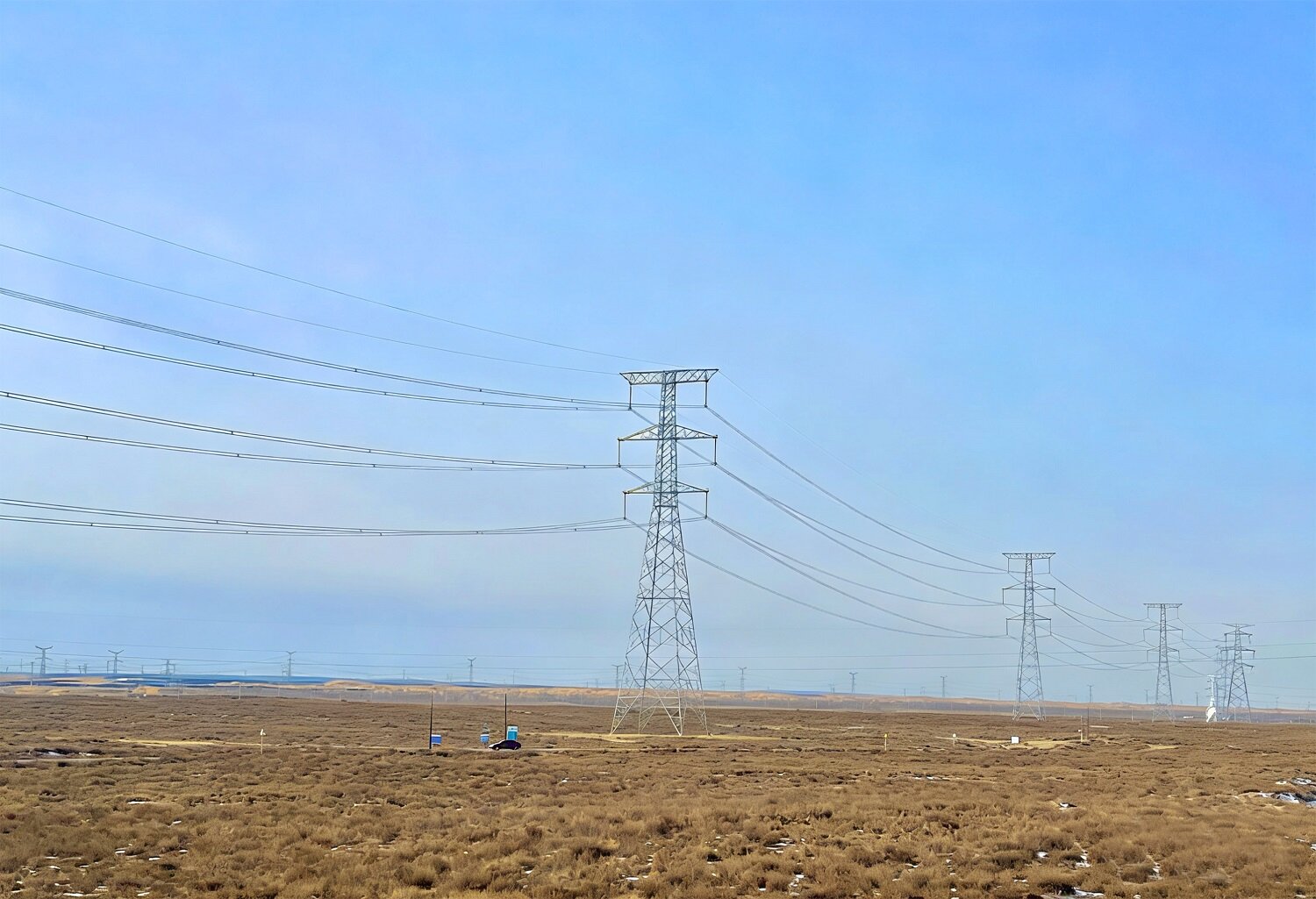
It is worth noting that as a landmark project of the national West East power transmission, the Ximeng Taizhou ± 800 kV high-voltage direct current project will have an external transmission capacity of 17.8 billion kilowatt hours by 2026. The integration of the Taifu Power Transmission Project will further expand the power Silk Road, enhance the stability and scale of green power transmission, provide stronger green power for recipient regions such as the Yangtze River Delta, and open up greater space for the sustainable development of the new energy industry in eastern Mongolia. Keywords: ultra-high voltage, West East power transmission
From grassland fans to Yangtze River Delta lights, this new line is shortening not only the geographical distance, but also the time difference between clean energy and electricity demand. When the wind blows through Xilingol, it will light up not just a single lamp, but the night of the entire city. Behind this is the promise that every kilowatt hour of green electricity is being fulfilled under the dual carbon target.Editor/Cheng Liting
Comment





 Praise
 Collect
 Comment

 Share
Share


Write something~