 Search


- Upgraded rules for overseas energy projects, localization requirements become a new threshold for the industry
- The international energy market pattern is divided, and different entities are facing differentiated development opportunities

On June 8, 2026, a consortium led by French Technip Energies won the EPCIC general contract for the Coral Norte FLNG project in Mozambique, with a total investment of approximately 7.2 billion US dollars. It is worth noting that although the Chinese side did not win the general contract, China National Petroleum Corporation holds a 20% stake and is deeply involved in this deepwater project with an annual output of 3.55 million tons of LNG. The Mozambican government has simultaneously issued Decree No. 9/2025, which requires 25% of production to be supplied locally, prioritizes the procurement of local services, and implements environmental protection facilities, transforming simple engineering contracts into comprehensive arrangements that integrate resources, benefits, and responsibilities.
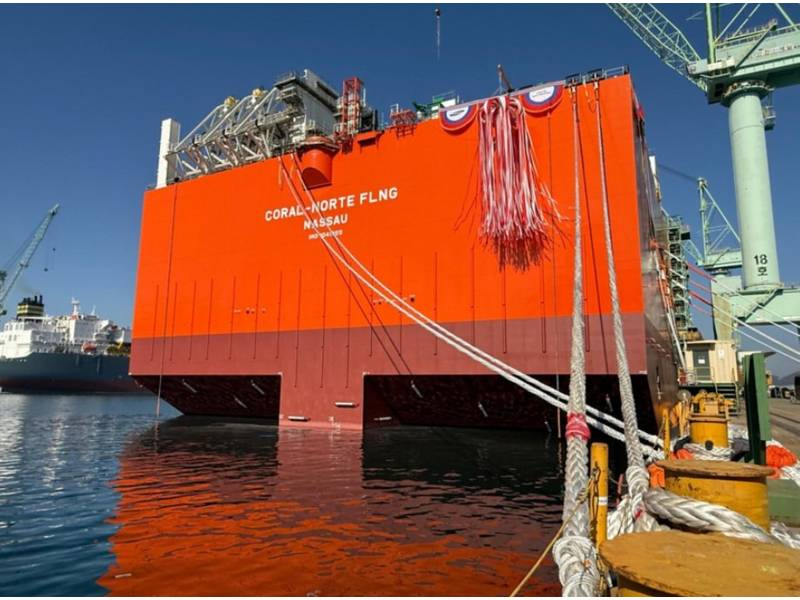
At present, the project has entered the fast lane of implementation, with progress exceeding 43%. Unlike onshore LNG projects, which have high risks, this project adopts mature floating technology to replicate routes with extremely high certainty. This also marks the formation of a dual track pattern of offshore FLNG and onshore large factories in the development of gas fields in northern Mozambique, providing a window for Chinese enterprises to avoid fierce competition in general contracting and instead focus on deepening their secondary supply chain.
Competition for qualification of Chinese enterprises in transforming their supply chain
The profit distribution of the Coral Norte project has been clearly stratified. The top layer is resource equity, with cash flow shared by shareholders such as PetroChina; The middle level is the profit of the general contractor, which is locked in by European, American, Japanese, and Korean giants; At the bottom is a huge secondary supply chain and localized service market. For Chinese enterprises, the opportunity for a direct and tough general contracting is slim, and the real battlefield lies in whether they can enter the supplier shortlist of Technip Energies, JGC, and Samsung Heavy Industries, as well as whether they have local compliance capabilities in Mozambique.

Mozambique's strict localization laws are both a threshold and a moat. The law explicitly requires that foreign positions be replaced by local employees in stages, and designates port railway companies and state-owned dredging enterprises to undertake maritime services. This means that Chinese enterprises that only have price advantages without local entities, Portuguese language communication capabilities, and HSE systems will be blocked. The focus of future competition will shift from who can win big contracts to who can leave qualified performance records.
Seven types of Chinese enterprises break through the race track
Strategies need to be precisely differentiated for different types of market entities. Equity oriented central enterprises should focus on long-term resource holdings and trade combinations; Engineering oriented enterprises need to abandon the illusion of general contracting and instead sort out the procurement list of the main contractor, focusing on specialized packages such as valves, electrical, module structures, etc; Equipment manufacturers must shift from low-priced supply to providing full lifecycle spare parts response and technical support, filling the gaps in international certification. Keywords:Engineering Construction,Construction News,Engineering Information

Enterprises that already have physical entities in Mozambique are the biggest winners, and should transform registration compliance, tax and social security, and local employment into core competitiveness, entering logistics, campsite, and operation and maintenance services. Maritime logistics companies should avoid going it alone and must cooperate with designated local state-owned enterprises to provide equipment leasing or technical services to share the cake. Finance and small and medium-sized enterprises need to be vigilant about foreign exchange and compliance risks, prioritize standardized equipment supply or auxiliary services, and avoid blindly entering core process packages.Editor/Gong Ziwei
Comment



 Praise
 Collect
 Comment

 Share
Share


Write something~