 Search


- Project investment of 2.8 billion US dollars, storage of 766 billion gallons, benefiting 70 million people
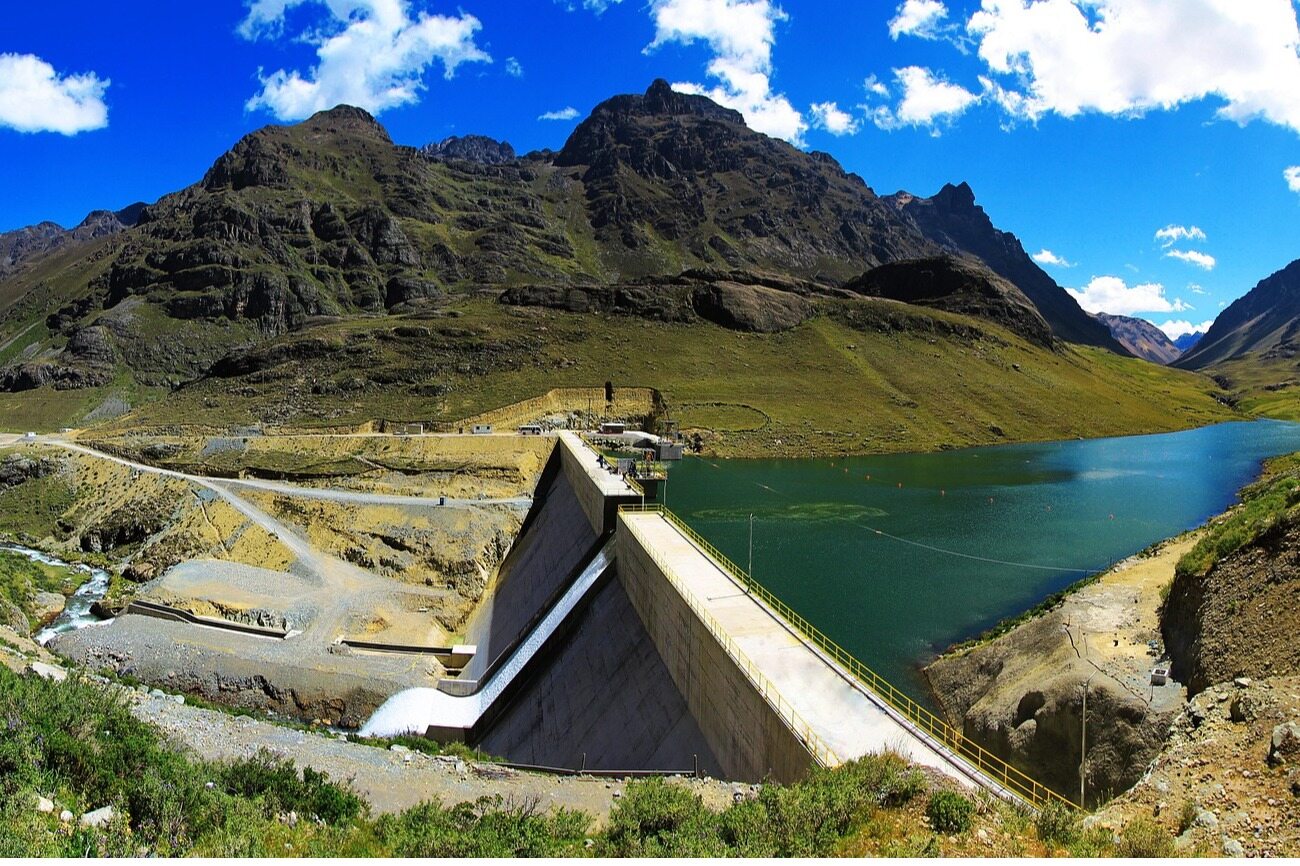
In a country where one-third of the country relies on the same river, the dry season is never a seasonal change, but a survival test. The Padma River Dam project just approved by Bangladesh is a positive response to this test.
2.8 billion US dollars for dam construction and water storage
On May 13, 2026, the National Economic Commission of Bangladesh officially approved the first phase of the project. The project is located in Pangsha Town, Rajbari County, with a river blocking structure of approximately 2.1 kilometers long and a designed water storage capacity of about 766 billion gallons. The estimated investment is 2.8 billion US dollars, all of which will come from government finance. The construction period will last from July 2026 to June 2033.
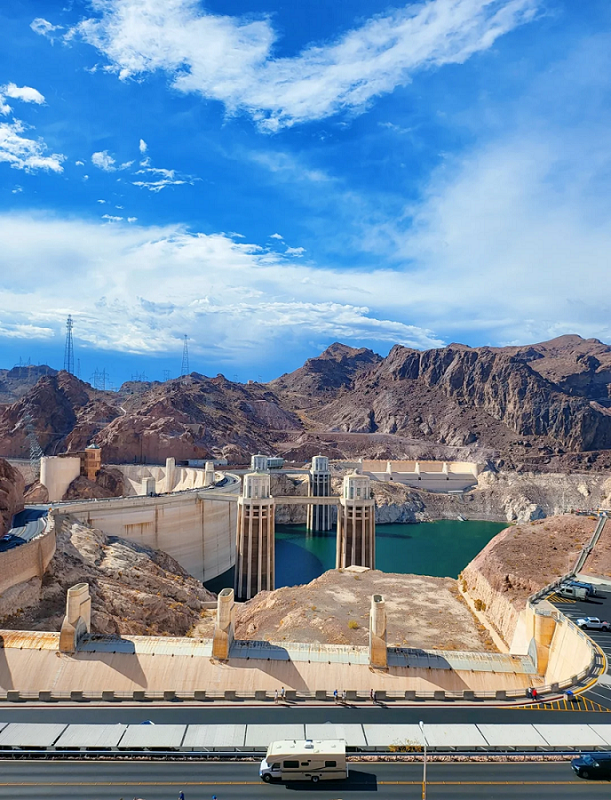
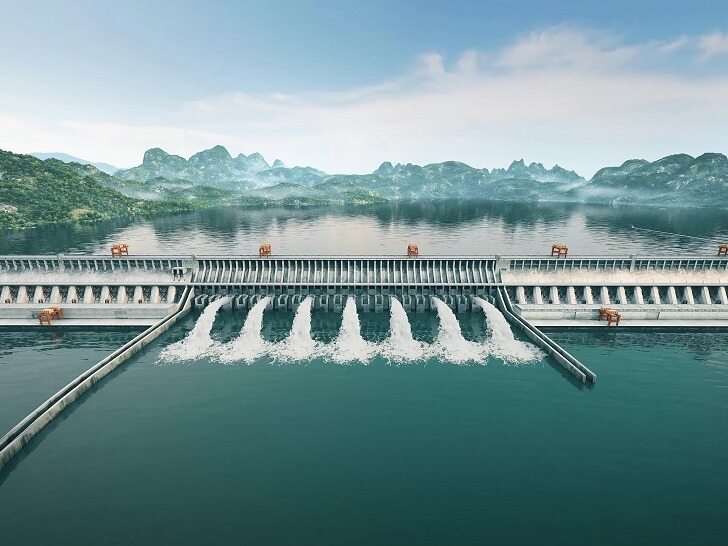
This dam is not a traditional dam, but rather uses gates to store and release water in a timed manner, regulating the flow of river water. Supporting facilities such as spillways, fishways, ship locks, and flood control embankments will be constructed, while also considering the 113 MW power generation function. The Minister of Water Resources stated that at least 70 million people in one-third of the country's regions will benefit from it, and the irrigation problem of about 7.2 million acres of farmland is expected to be solved.
The dual game of sediment and diplomacy beyond water storage
Sea water intrusion is a long-term threat along the southwest coast of Bangladesh. The World Bank's research warns that by 2050, the salinity of rivers in the region will further increase, which may lead to a 15.6% reduction in high-yield rice production along the coast and directly push up food prices. If the dam can release the accumulated water at an appropriate time, it will effectively alleviate this pressure.
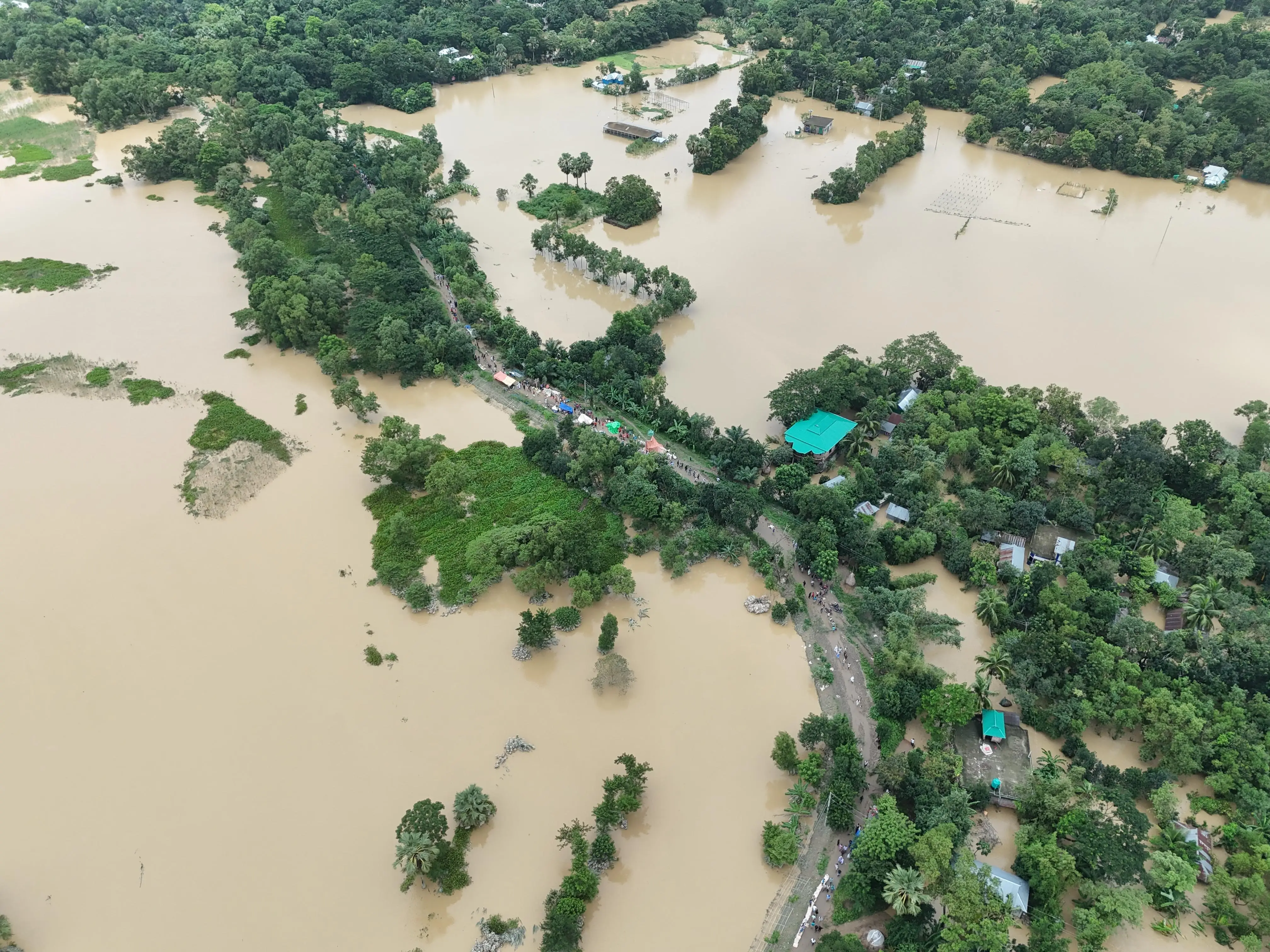
But the risks are equally significant. The dam can only store water and cannot generate water. If the upstream inflow continues to be low, the water storage target will be difficult to achieve. Sedimentation interception may also exacerbate coastal soil erosion and damage delta landforms. More importantly, the 1996 Ganges Water Resources Treaty is set to expire in 2026, and the water resource conflict between India and Bangladesh is currently in a sensitive period. Meng Fang has long believed that the dry season water shortage in the Padma River Basin is closely related to the upstream Falaka Barrage in India. Keywords:
The Padma Barrage is both a hope and a severe test. Only by coordinating and promoting engineering construction, ecological protection, and diplomacy can we truly help this delta country get through every dry season.Editor/Cheng Liting
Comment


 Praise
 Collect
 Comment

 Share
Share


Write something~