 Search


- Faced with the challenge of water scarcity on vast land, Kazakhstan is launching a water revolution
- Prime Minister Bektonov recently announced that he will spend 3.2 trillion tenge to reshape the national water network
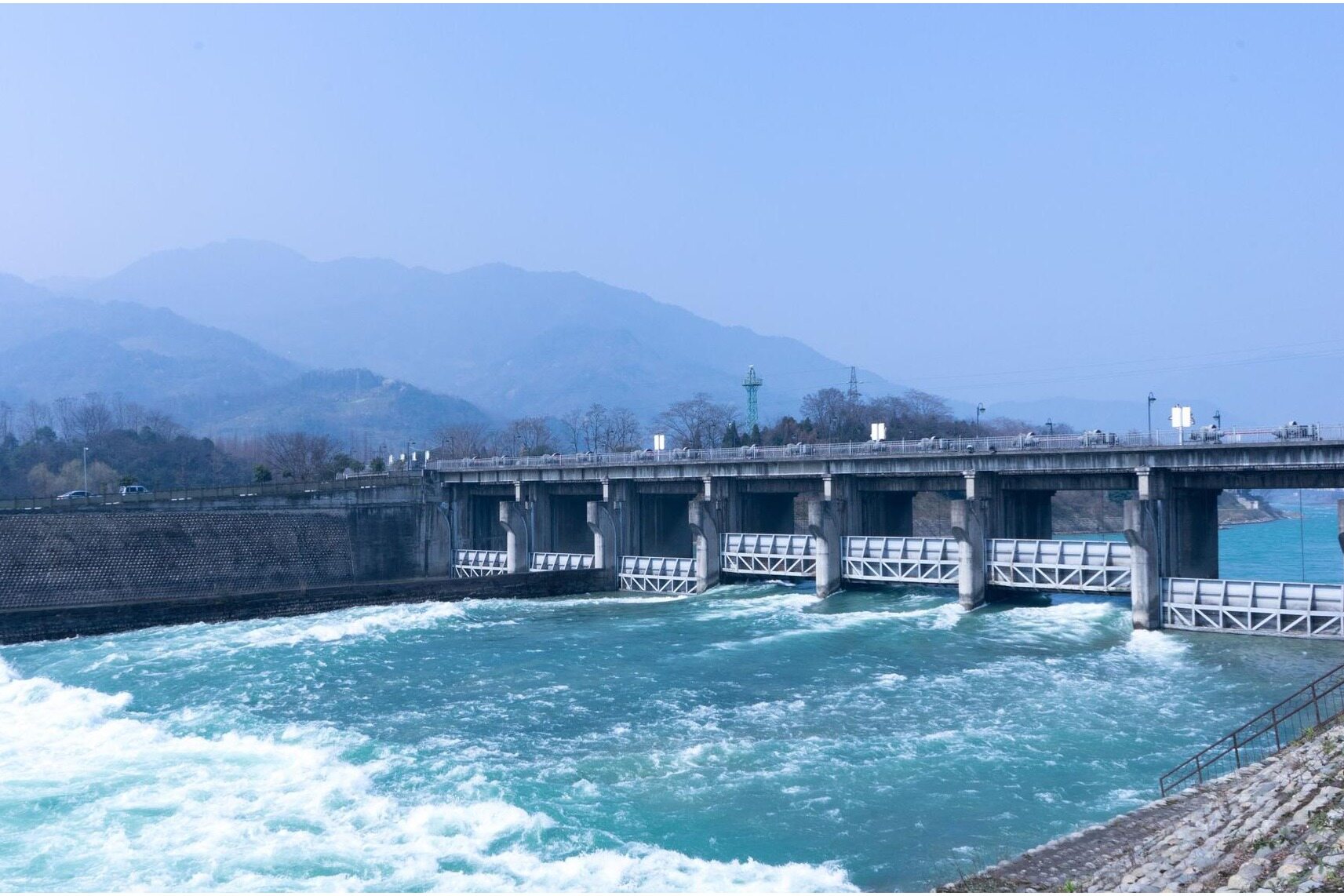
In the vast fields of Kazakhstan, the flow of water is quietly changing the fate of this land. With the hammer drop of Prime Minister Beketnov at the Water Affairs Committee meeting, a water conservancy reform that concerns the future of the country has officially entered an acceleration period. This is not only the construction of pipelines and reservoirs, but also the desire for green vitality in arid areas.
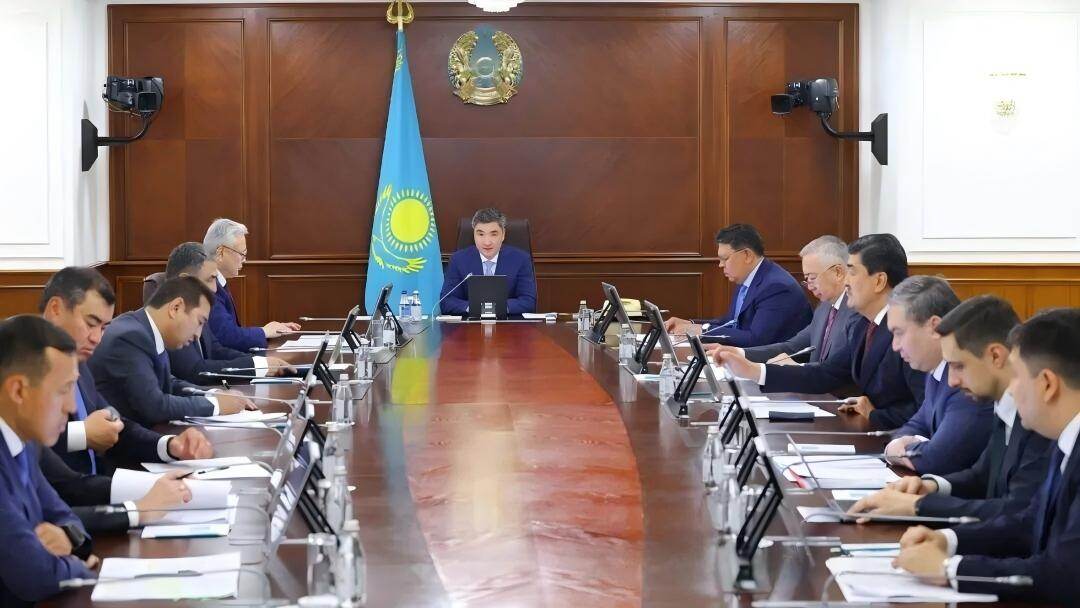
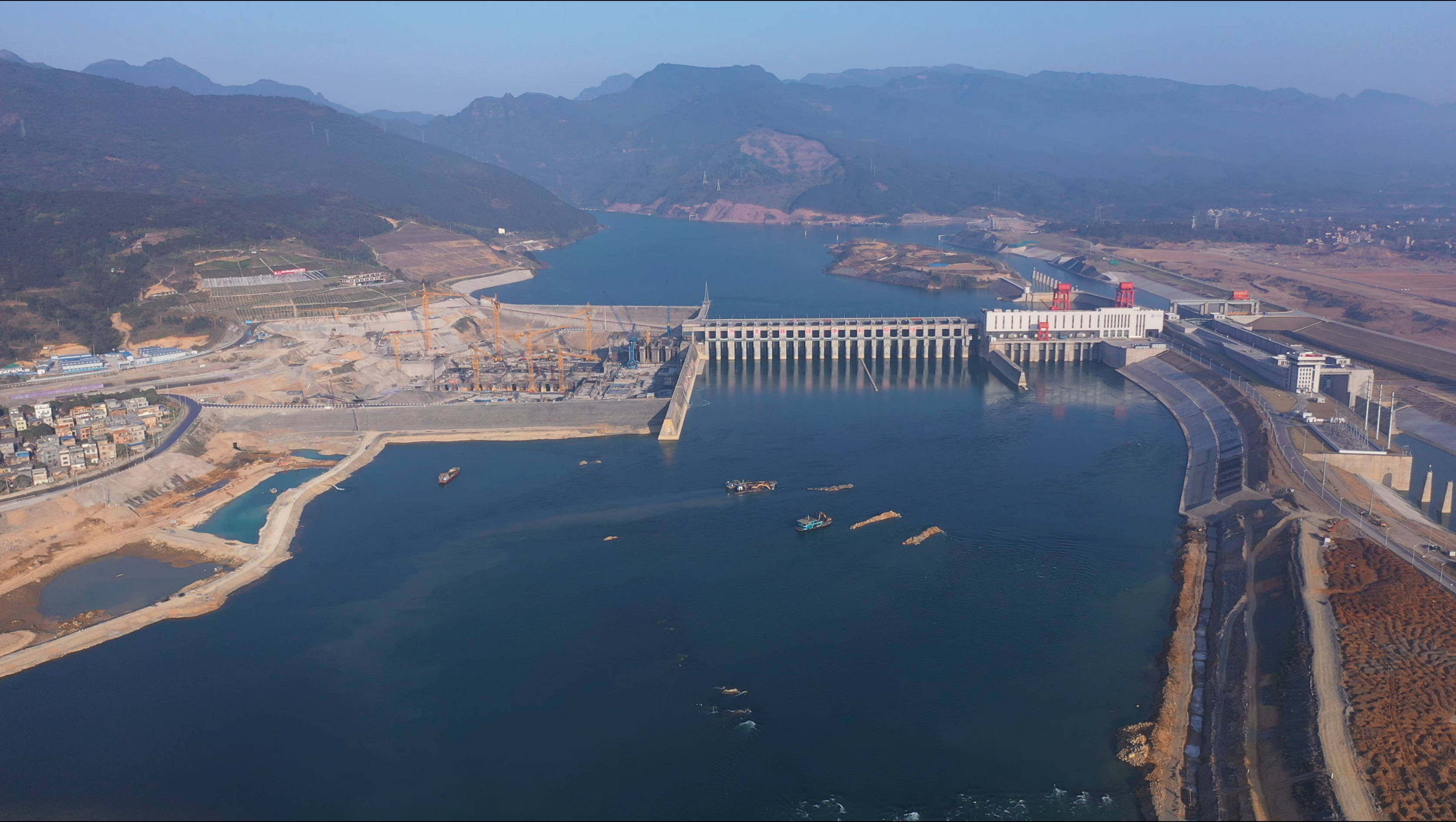
Build a solid foundation for water storage
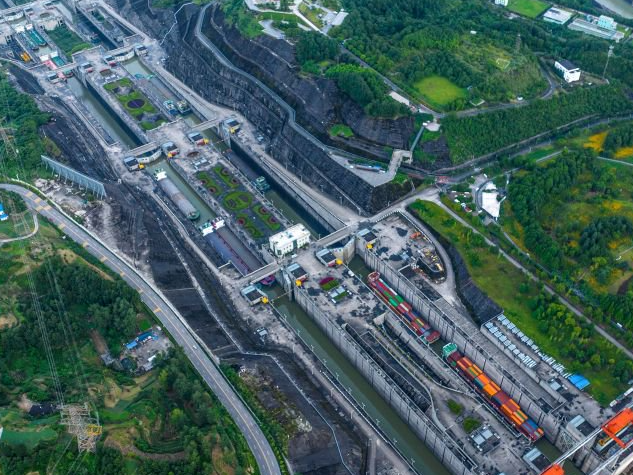
In the past two years, the pace of water conservancy construction has significantly accelerated. In five states including Aktobe and Turkestan, old reservoirs have been renovated and approximately 1500 kilometers of irrigation channels have been modernized. These projects are like the veins of the earth, reactivating the vitality of agriculture. Looking ahead to 2026, the government will also build about 1000 kilometers of new channels, allowing 200000 hectares of farmland to bid farewell to the "harvest from the sky" trend. At the same time, 12 water supply projects will be promoted to provide better quality water for more than 500000 residents in 142 villages.
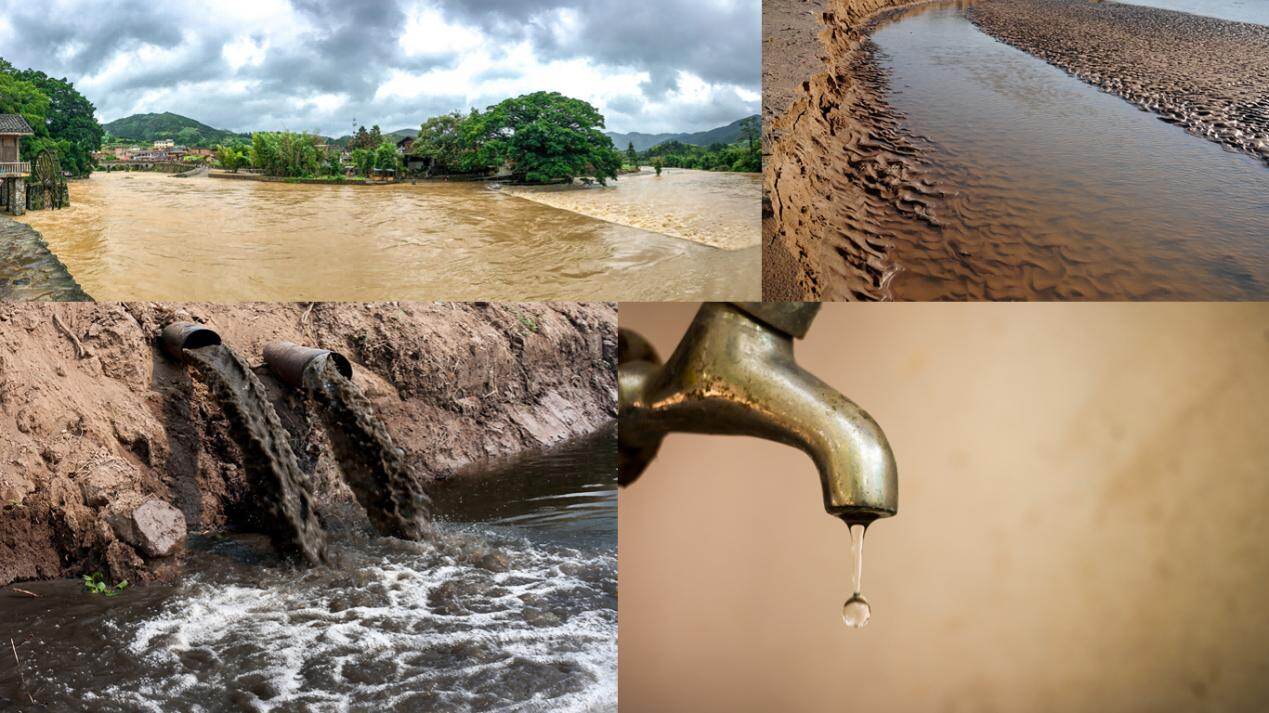
Promote water-saving technologies
Water is a scarce resource, and efficient utilization is key. By 2025, the promotion area of agricultural water-saving technology in Kazakhstan will soar to 550000 hectares, nearly five times the previous amount, equivalent to saving 880 million cubic meters of irrigation water - almost the storage capacity of a medium-sized reservoir. According to the plan, by 2030, this number will double to 1.3 million hectares, and the channels for digital management will exceed 3500 kilometers, allowing every drop of water to be fully utilized.keywords:Engineering infrastructure
Cracking the talent bottleneck
The modernization of water conservancy cannot do without the support of people. In order to attract young people to join this industry, the government has launched a combination of punches. Starting from 2023, a total of 1652 scholarships have been awarded for related majors, and an additional 1000 will be added in the new academic year. At the same time, the salaries of employees in state-owned water conservancy enterprises have doubled in the past two and a half years, which not only enhances the attractiveness of the industry, but also reserves a solid reserve force for this "water revolution".Editor/Yang Meiling
Comment


 Praise
 Collect
 Comment

 Share
Share


Write something~