 Search


- Egyptian President Sisi promotes 105 power grid upgrades, with a target of 45% renewable energy share
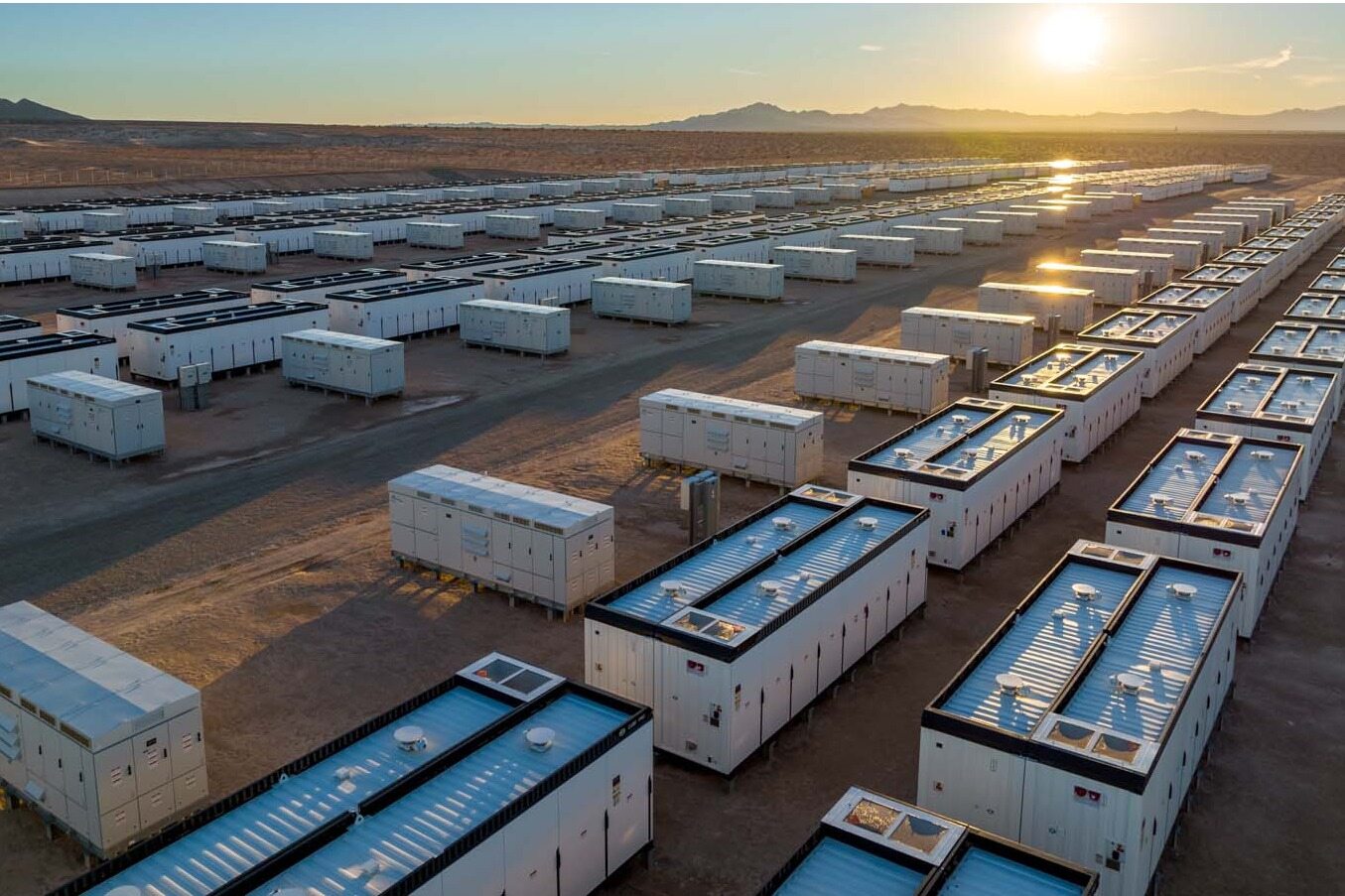
Egypt is shifting the competition for new energy from the power generation side to the grid side. On June 14, 2026, President Sisi listened to the progress of the second phase of strengthening the national power grid, with 105 projects advancing simultaneously. On the same day, a financing agreement worth 60 billion Egyptian pounds was signed, with a target of 45% renewable energy by 2028. This is not a simple infrastructure expansion, but a fundamental restructuring of the power system.
60 billion Egyptian pounds bought grid connection qualification
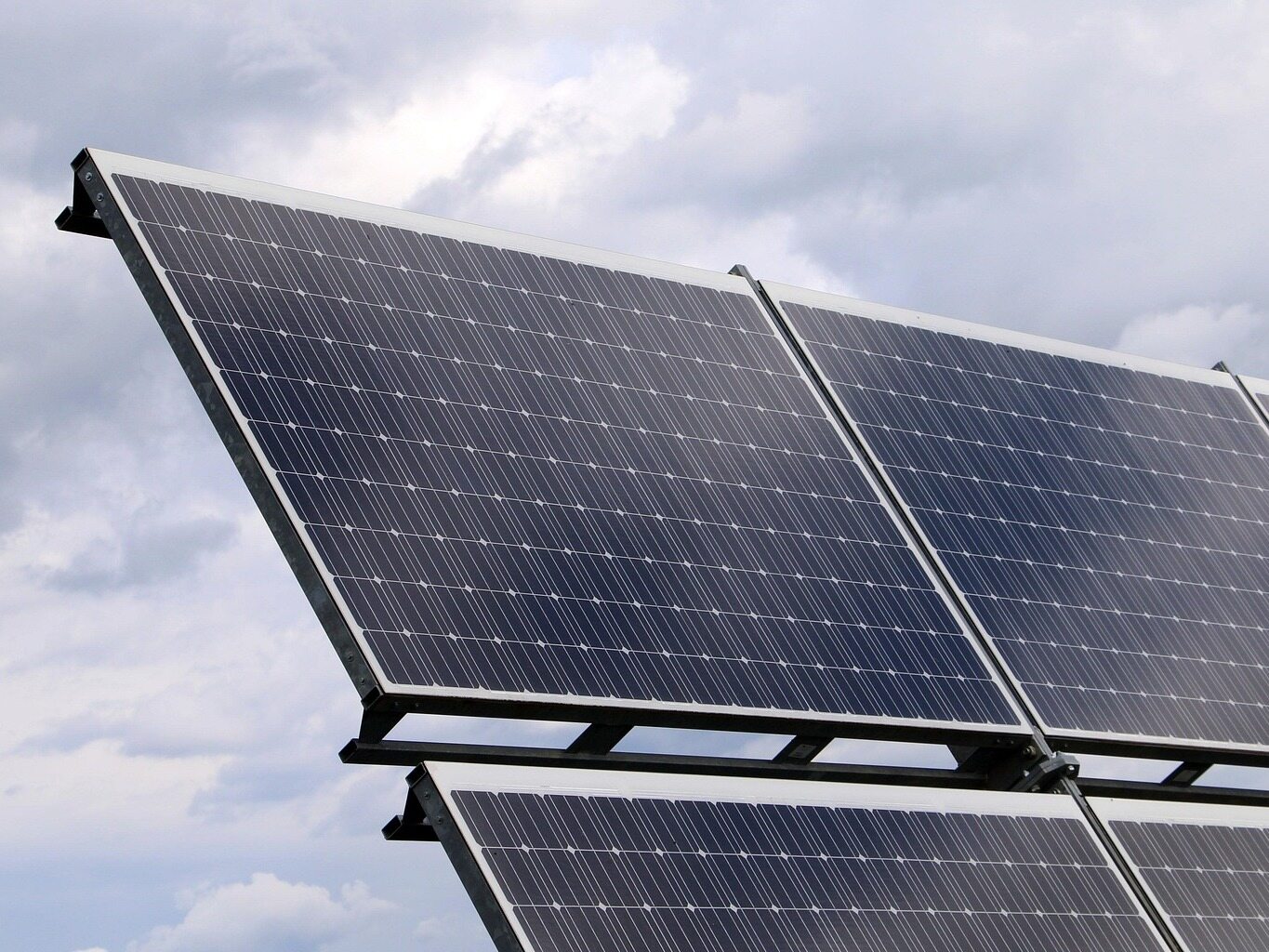
The main line of new energy in Egypt has expanded from single station construction to grid, energy storage, and grid integration. The first phase of the Fangjianbei project, consisting of 561 megawatts of photovoltaic power and 200 megawatt hours of energy storage, was connected to the grid in early 2026. The second phase, consisting of 564 megawatts, is about to be put into operation, with an annual power supply exceeding 3 billion kilowatt hours once fully operational.
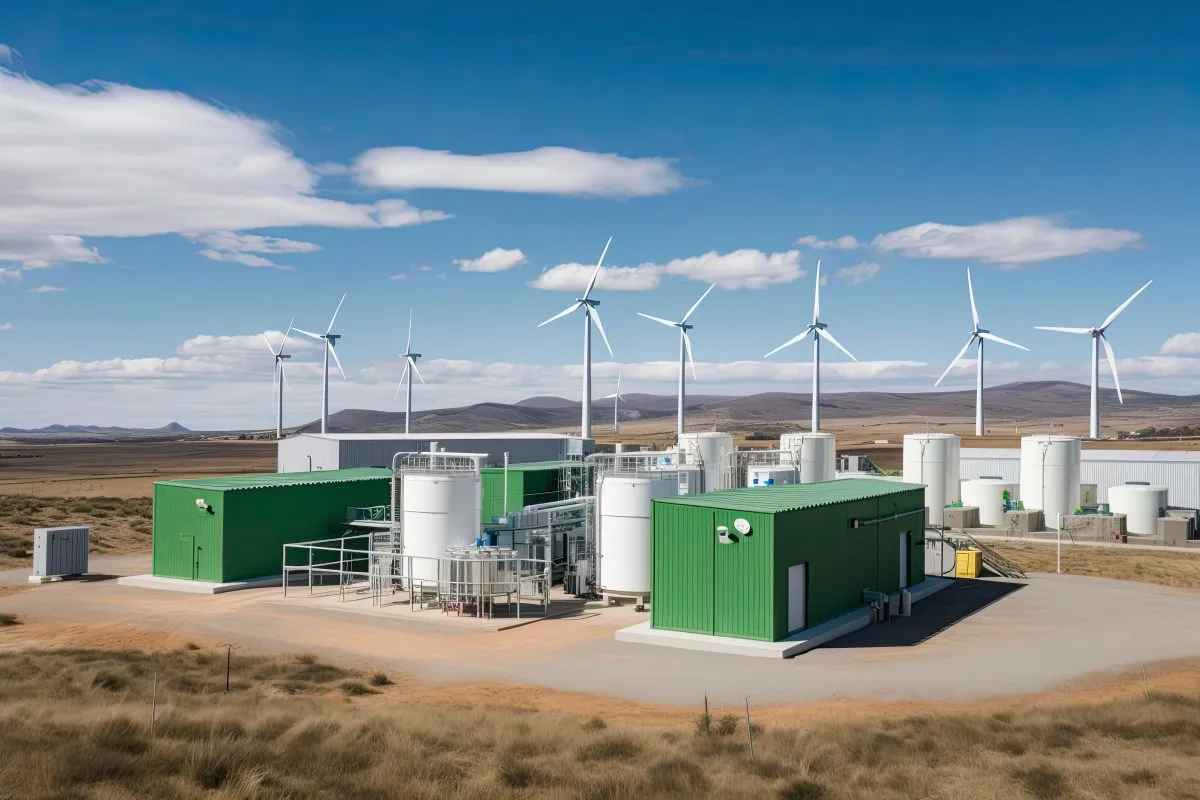
The Energy Valley project has more signaling significance: the official standard is 1.7 gigawatts of photovoltaic with 4 gigawatt hours of energy storage, while Skatek disclosed 1.95 gigawatts plus 3.9 gigawatt hours. The total amount of related agreements is about 1.8 billion US dollars. China Sunac has confirmed the construction of an energy storage battery factory in the Suez Canal Economic Zone. This indicates that Egypt's energy storage needs have exceeded those of power station facilities, and independent energy storage, peak shaving and valley filling, and frequency support will all be included in the acceptance scope.
Opportunities for Chinese enterprises in system delivery capability
Egypt's target for the proportion of renewable energy in 2030 has been raised to 42%, and it is expected to exceed 60% by 2040. The power grid capacity is directly related to the positioning of regional power hubs. But the threshold is also clear: whether the project can be delivered depends on the grid's acceptance capacity, energy storage response speed, and the terms of the power purchase agreement.
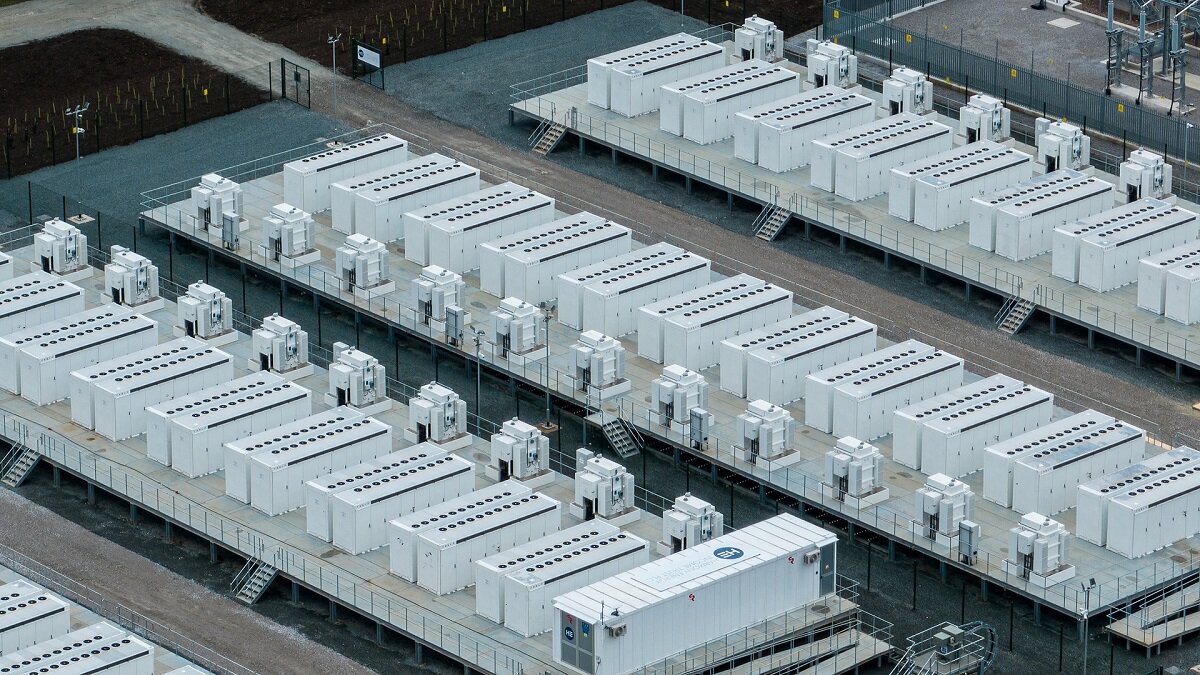
For Chinese companies, the transmission, transformation, energy storage, and localized manufacturing packages behind the 105 power grid projects are the core list. Chinese enterprises that have already laid out in Egypt should prioritize tracking three lines: the power transmission company's booster stations and transmission line packages for the next 12 months, equipment selection requirements for energy storage projects in Minya, Kina, and Alexandria, and localized capacity arrangements for the Suez Canal Economic Zone. Keywords: Middle East news, power grid
Egypt's logic is straightforward: installation capacity will continue to increase, but the power grid and energy storage will determine who can merge first. Enterprises that can simultaneously solve equipment, grid connection, operation and maintenance, and localized delivery will not receive a single power station order, but a long-term business of upgrading the power system.Editor/Cheng Liting
Comment


 Praise
 Collect
 Comment

 Share
Share


Write something~