 Search


- Chinese funded full industry chain deeply cultivates Kazakhstan's supply guarantee pivot
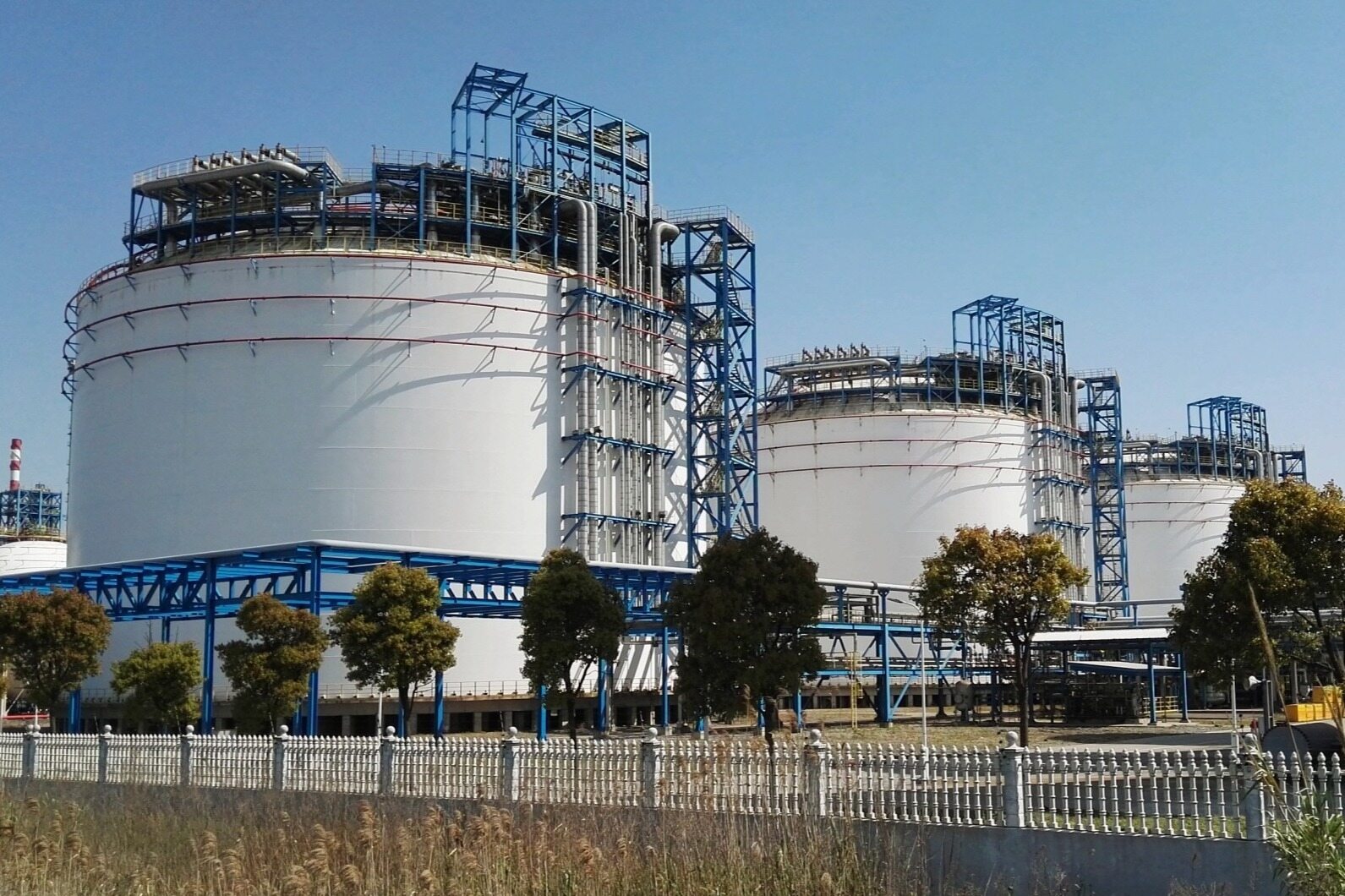
In the signing hall of Astana, the capital of Kazakhstan, representatives from the three major central enterprises of PetroChina, Sinopec, and CNOOC, as well as partners from Kazakhstan, frequently signed contracts for billion dollar refining, exploration, and chemical projects. At the same time, the $7.8 billion Sozak gas field project of Intercontinental Oil and Gas, the stable production and expansion of Guanghui Energy's Zhaisang block, and the acquisition of equity in Zhongman Petroleum's onshore block and other major private enterprise layouts are being simultaneously promoted. This is not simply going out to seek gold, but a strategic turning point for China's oil and gas industry to shift from scattered mergers and acquisitions to deep cultivation of the entire industry chain. Kazakhstan is becoming the core pivot for China to build a land-based energy security corridor.
Central enterprises have full control over the core track
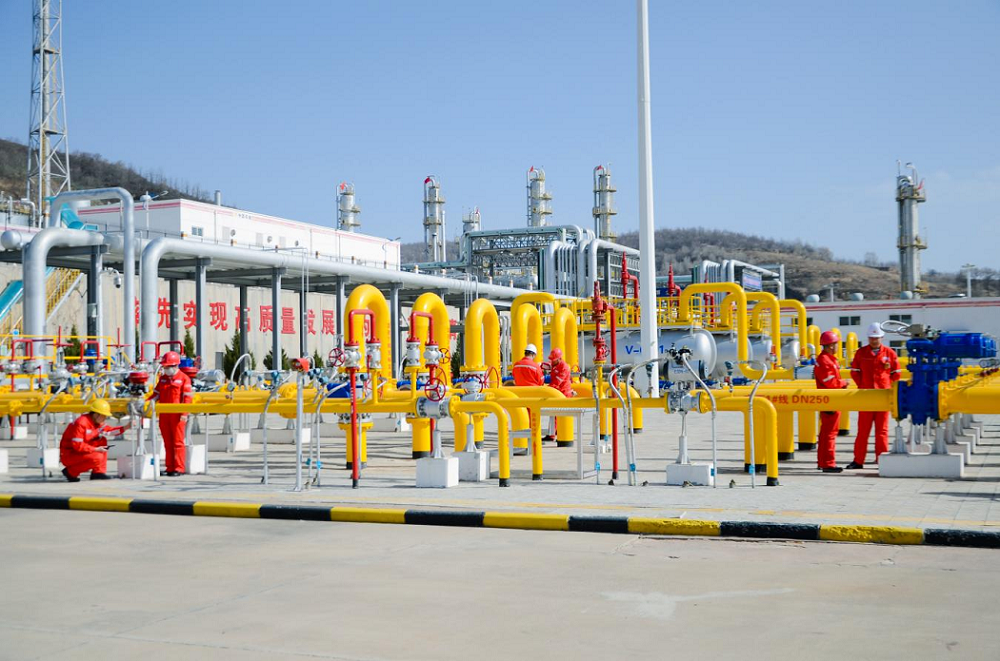
In July 2026, PetroChina signed an agreement with Kazakhstan National Oil and Gas Company to increase production and expand the Mangkhut oil field and upgrade the intelligent Chimkent refinery. The agreement focuses on deep residual oil exploration and refining capacity improvement, shifting from single exploration to a three-dimensional model of stable stock production, new area expansion, and refining value-added. Sinopec has finalized the detailed rules for deep oil and gas exploration and development in the Berezovsky block at the same time, adopting a 50:50 equal joint venture model. The Chinese side will fully lead the seismic acquisition and drilling process, and complete 900 kilometers of two-dimensional seismic acquisition by the end of 2026 to fill the gap in deep resources in the upper reaches of Central Asia. CNOOC participated in the national level block bidding in Kazakhstan for the first time, relying on deep-sea exploration technology to overcome deep problems. The three major central enterprises have achieved full coverage of onshore shallow, coastal deep, and refining processing.
Top private enterprises' billion dollar projects have been successfully implemented
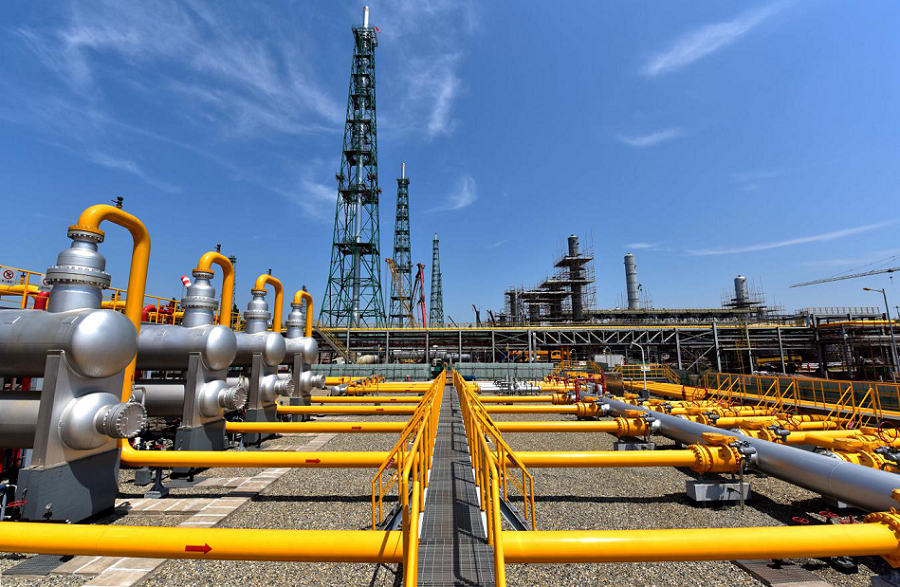
In February 2026, Intercontinental Oil and Gas signed a contract with Kazakhstan Investment State Corporation for the overall development project of the Sozak unconventional gas field, with a total investment of 7.8 billion US dollars, covering the entire chain of exploration, drilling, gathering, transportation, and purification. It is the largest single energy investment by a Chinese private enterprise in Central Asia in recent years. The Zhaisang oil and gas block under Guanghui Energy covers an area of over 8000 square kilometers and is adjacent to the Jimunai Port in Xinjiang. It has built an exclusive cross-border transportation channel and achieved a self supply guarantee mode for overseas mining directly to China. Zhongman Petroleum acquires 87.5% of the exploration rights in the onshore block, focusing on the refined development of shallow crude oil. Top private enterprises have won national level core projects as independent investment entities, while small and medium-sized supporting enterprises are synchronously following up on the intelligent transformation of oil fields and the matching of refining equipment, forming a complete overseas ecosystem. Keywords: Central Asian news and information, oil and gas, enterprise going global
Four fold rigid demand drives strategic westward expansion
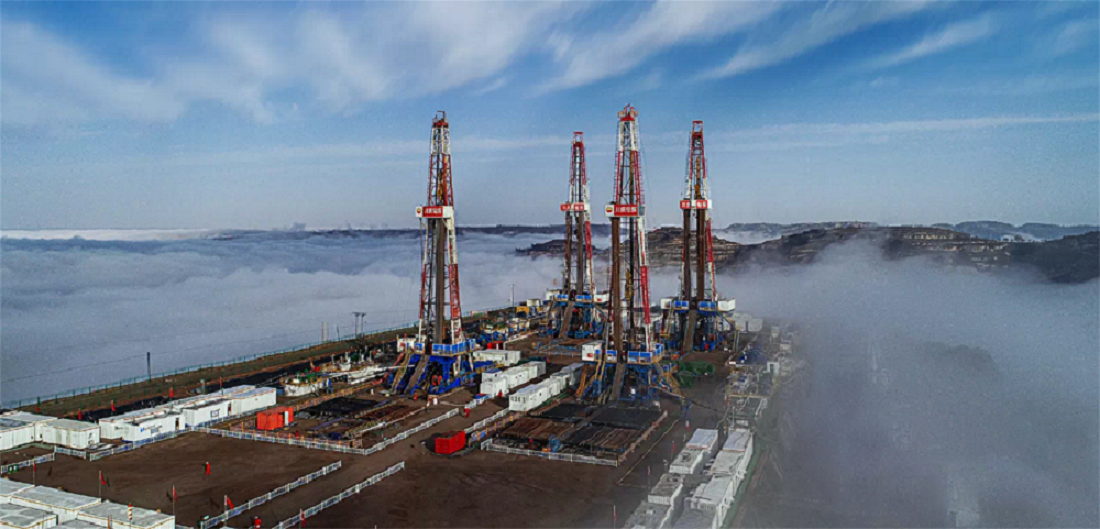
This round of concentrated layout is based on the four structural necessities of ensuring supply, industry, channel, and profitability. At the level of ensuring supply, the China Kazakhstan cross-border pipeline is fully transported by land, weakening the dependence on ocean shipping and building a controllable energy backup system on land. At the industrial level, the overcapacity of domestic refining and chemical production and the weak processing in Kazakhstan form a precise complementarity, and Chinese funded exports of refining and chemical technology and equipment digest the surplus production capacity. At the channel level, we will deepen the cultivation of Kazakhstan and build a closed loop of energy, industry, and trade opening up to the west, achieving a two-way cycle of resource transportation to China and product radiation to Central Asia. On the profit side, the development cost of the Harbin block is much lower than that of domestic deep-sea projects, coupled with tax incentives, resulting in outstanding asset value for money. Analysts believe that Chinese capital is upgrading from peripheral participants to the main force of regional energy industry co construction, and future cooperation will continue to extend to new tracks such as natural gas utilization, green chemicals, and smart energy.Editor/Gao Xue
Comment


 Praise
 Collect
 Comment

 Share
Share


Write something~