 Search


- Chinese enterprises deeply participate in consolidating their position in the Middle East market
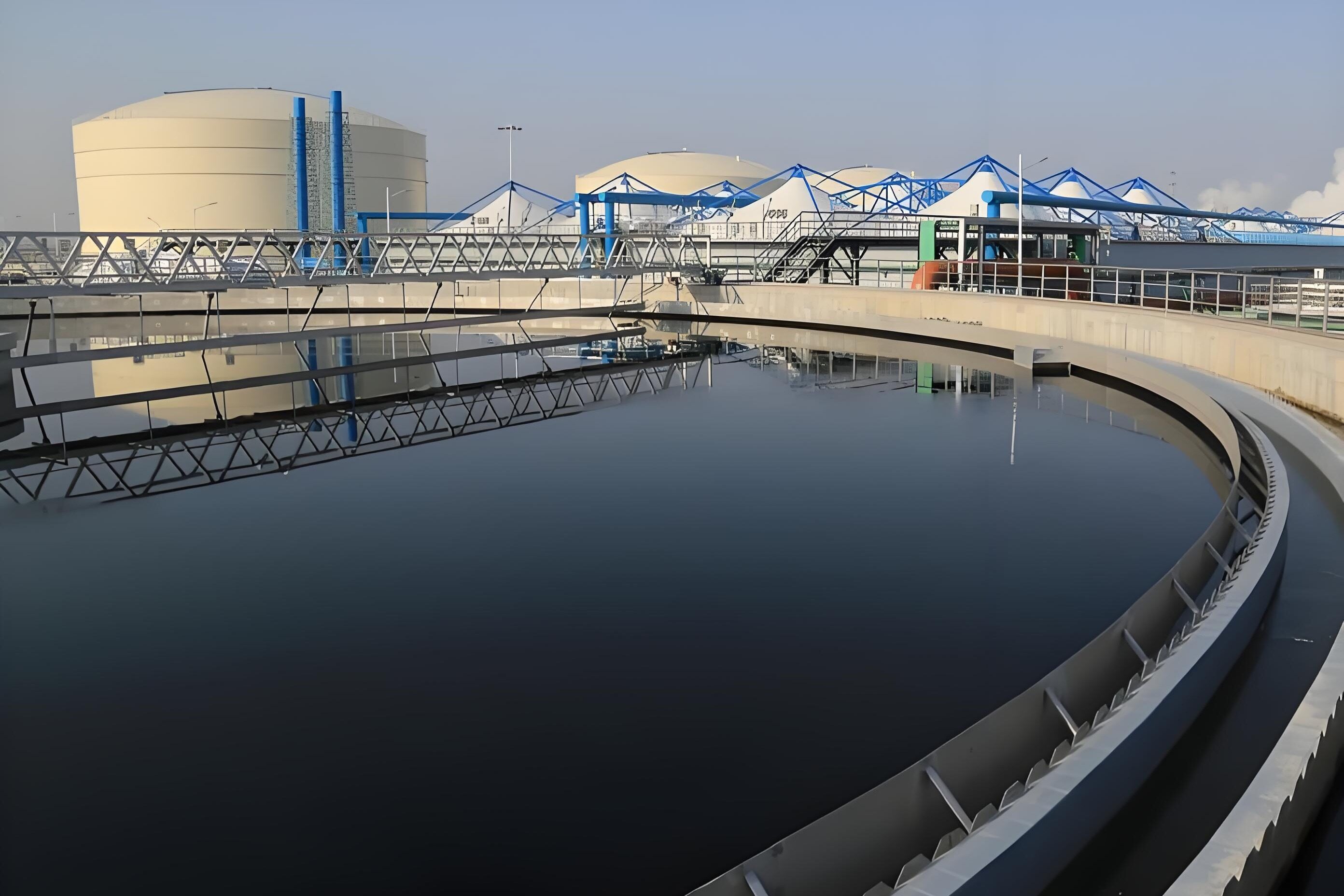
Under the shadow of Dubai's bustling skyscrapers, a profound transformation that will determine the fate of the city for the next half century is quietly taking place. Recently, with the release of internal documents from Dubai City Hall, the largest underground infrastructure map in the history of this desert city has officially surfaced. In this strategic sewage tunnel (DSST) battle with a total investment of up to 80 billion dirhams (approximately 22 billion US dollars), China's construction forces are no longer just participants, but also exporters of core technologies.
Chinese giants lock in first batch of engineering seats
According to the latest bidding trend, the first batch of W and J sections to be launched have identified their preferred contractors.
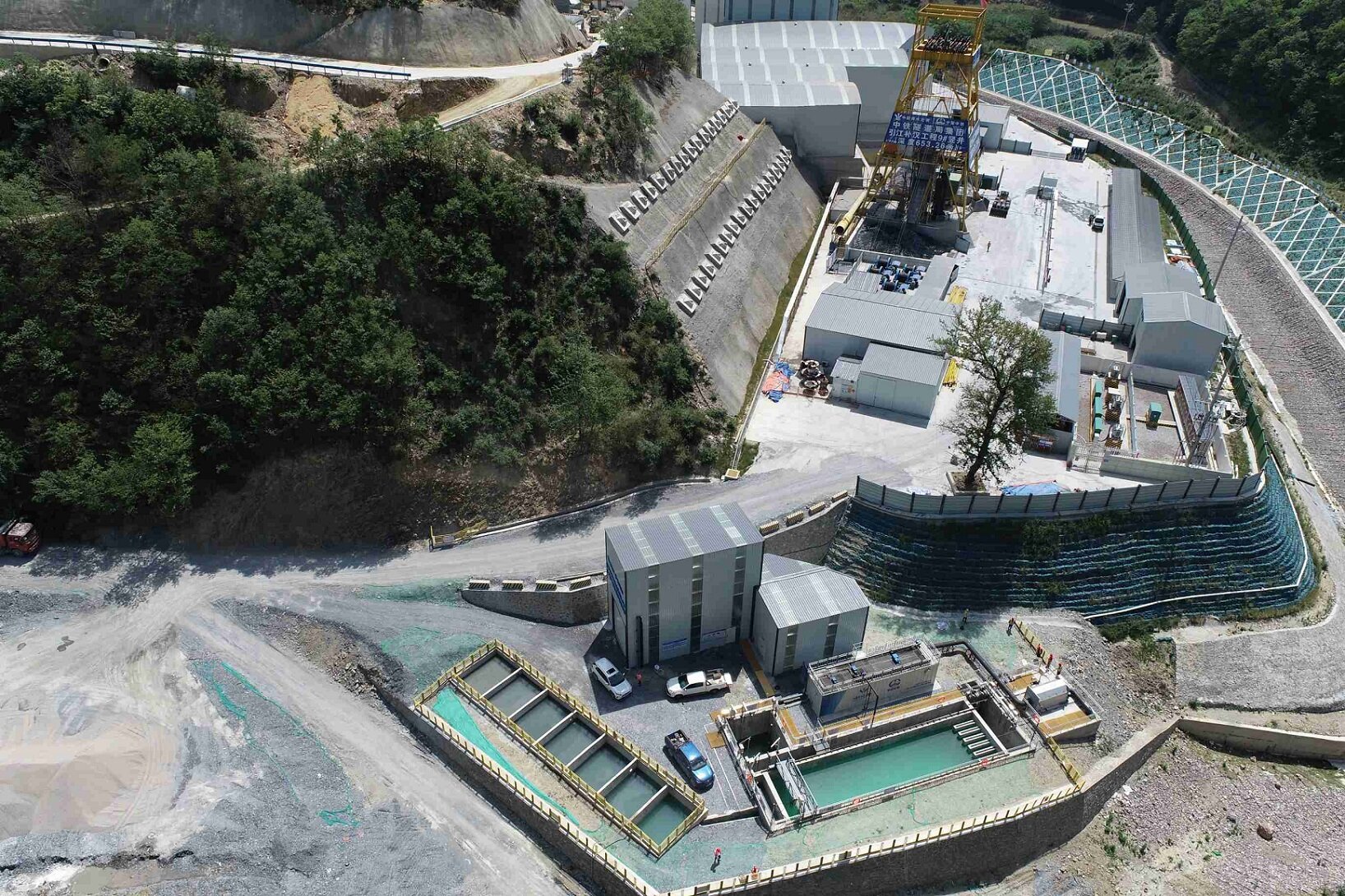
Among them, a consortium led by Etihad Water&Electricity in the United Arab Emirates will win the W section with a capital expenditure of approximately $3 billion, while China State Construction Engineering Corporation, as the main EPC contractor, will undertake the construction of this deep tunnel system. At the same time, the consortium led by Vision Invest for the nearly $2 billion J section, China Railway Middle East Corporation, is also included in the core project list.
The competition for the third section is becoming increasingly intense
With the determination of the first two sections, the market's attention quickly shifted to the Phase 2 Links section, which will close on June 30, 2026.
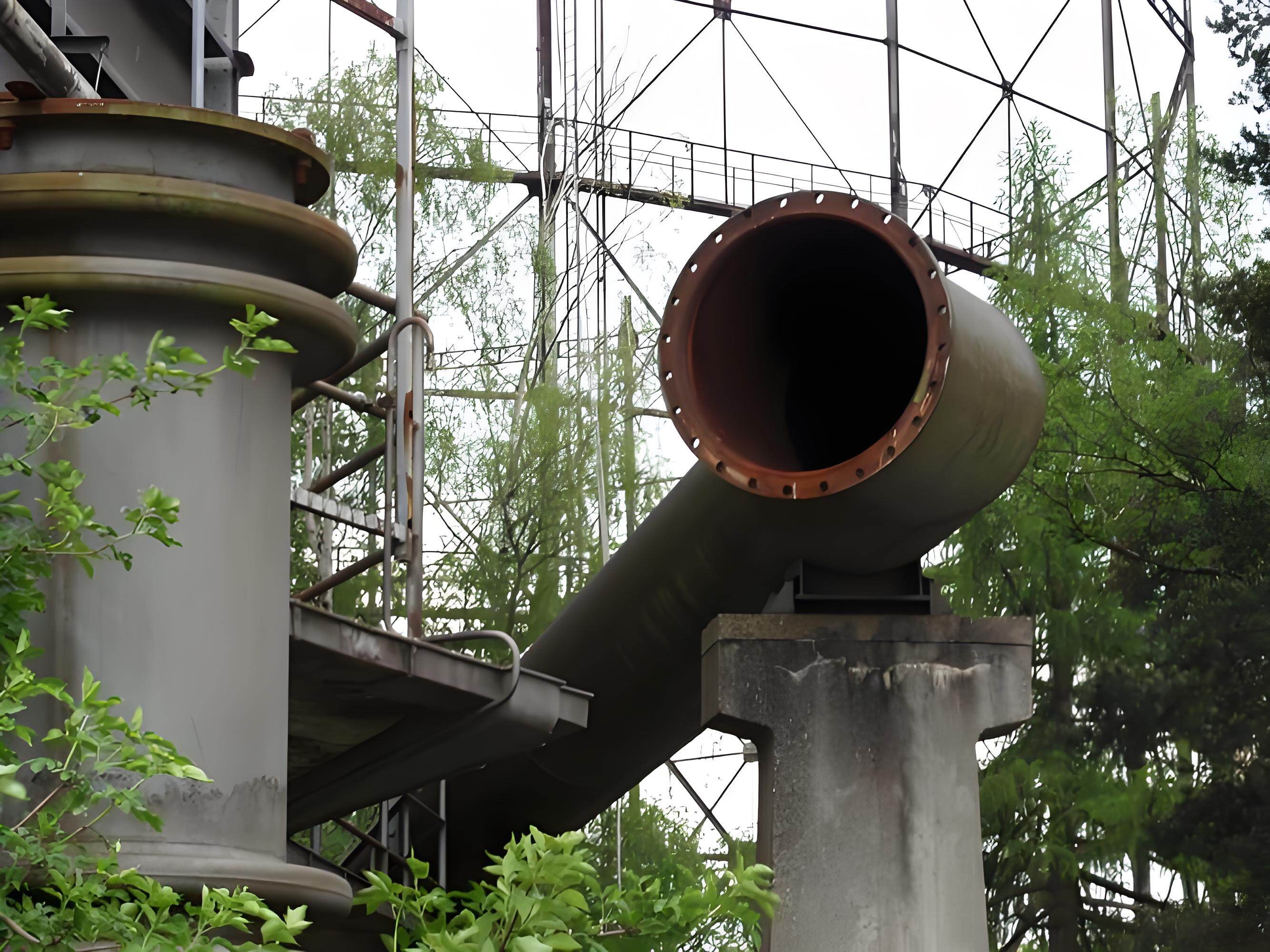
At present, two major camps have formed their positions: one is a multinational team composed of EtihadWE, China Civil Engineering Group, China Railway Construction 11th Bureau, and French Veolia; The other side is the strong alliance between Plenary Group, DeTech and Kalyon, Türkiye. No matter how the situation evolves, Chinese companies have been deeply embedded in the vast pipeline connecting the Walsun and Jebel Ali processing plants.
Viewing China's Soft Power through Gravity Flow Tunnels
The DSST project is not only a key leap for Dubai to transform from pumping station to gravity flow system, but also a vivid footnote for China's deep integration into the the Belt and Road construction. Keywords: Middle East news and information, sewage tunnel infrastructure
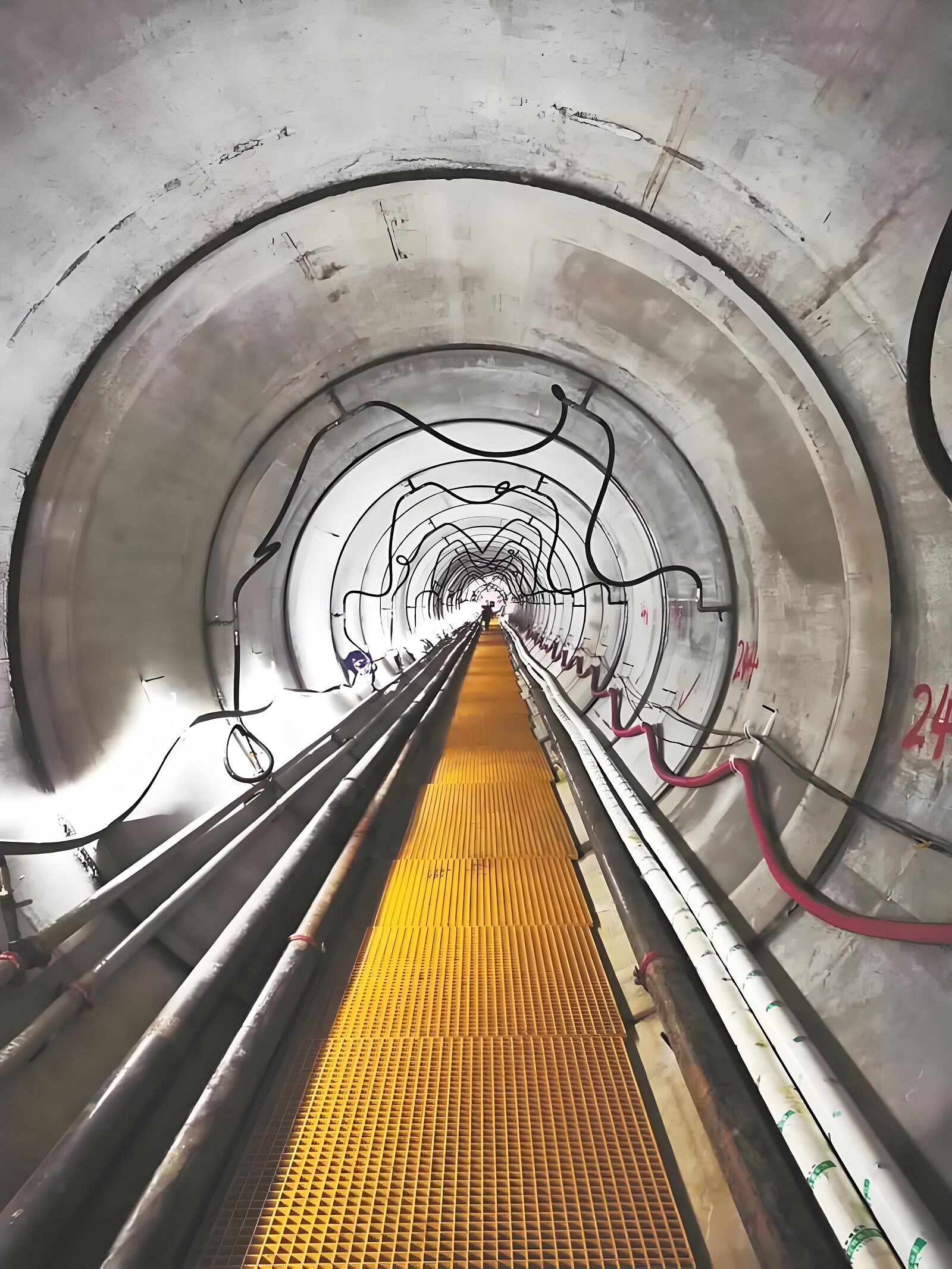
By introducing the Local Value Creation (ICV) program, Chinese contractors are transforming their technological advantages into tangible drivers for the UAE's local economy. This large-scale bidding not only consolidates the dominant position of Chinese enterprises in the underground space and water industry in the Middle East, but also paves the way for further deepening the high-end infrastructure market.Editor/Gao Xue
Comment

 Praise
 Collect
 Comment

 Share
Share


Write something~