 Search


- Doosan E&C and China's SEPCO-3 to build 870MW gas-fired plant in Oman under $385M EPC, set for 2029, boosting southern grid
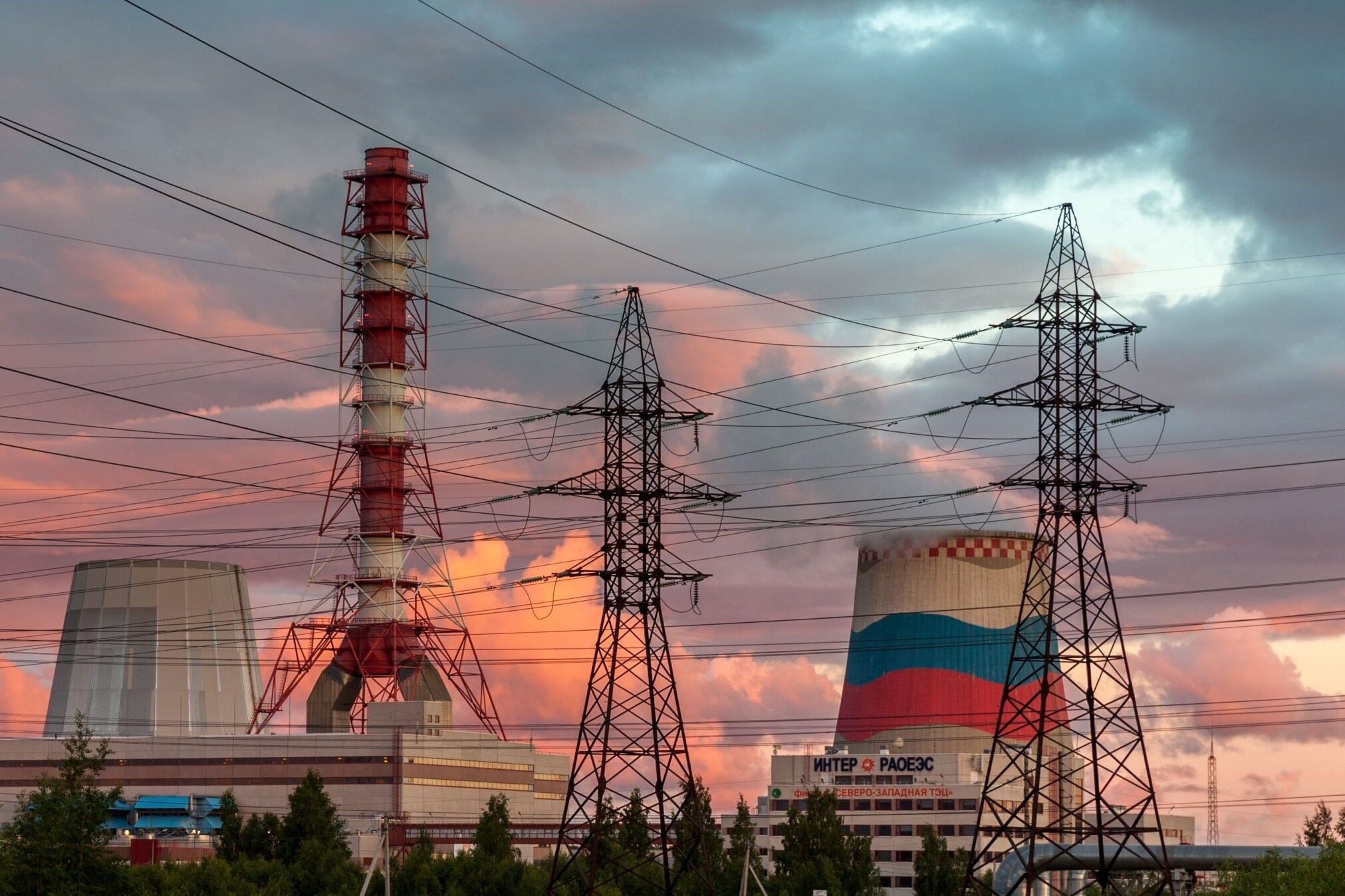
South Korean company Doosan Energy recently announced that it has signed an EPC (Engineering, Procurement, and Construction) contract with Oman's Coastal Power (SAOC) for the Duqm gas-fired power plant. The contract is worth 530 billion won (approximately US$385 million), with an installed capacity of 870 MW. The plant is scheduled for completion and commercial operation in 2029. The project is being jointly developed by a multinational consortium, with Doosan and Chinese power construction company SEPCO-3 collaborating on a turnkey model to upgrade Oman's power infrastructure.
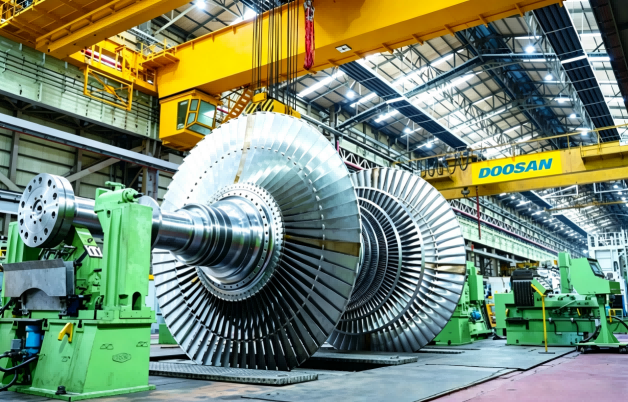
A multinational consortium is collaborating, with Chinese and South Korean partners working together
The project development consortium includes Korea Western Power, Qatar Nebraska Power, Etihad Water & Power Investment (UAE), Oman Bawan Infrastructure, and EUDC. Doosan Energy is responsible for the independent R&D and supply of core equipment such as steam turbines and generators, while the Chinese partner SEPCO-3 is responsible for the entire process of power plant design, procurement, and construction. The complementary strengths of both parties ensure the efficient progress of the project. This project, along with the concurrently progressing Misfa power plant, represents a total investment of 1 billion Omani Rials and will add more than 2 gigawatts of installed capacity to the Omani power grid. Both projects are secured by Nama Power & Water Procurement Company through long-term power purchase agreements.
Southern industrial power shortage prompts Oman to accelerate gas-fired power generation expansion
With the rapid industrial agglomeration in the Duqm Special Economic Zone in southern Oman, the demand for electricity for both industry and residential use continues to rise, widening the regional power gap. The Omani government has launched a region-wide power generation expansion strategy, prioritizing gas-fired power generation as the main power source in the near term due to its stable operation and suitability for the load characteristics of industrial parks. Upon completion, the Duqm power plant will effectively address the power supply shortage in the south and improve the overall supply capacity of the national power grid. Many Middle Eastern countries are intensively promoting power infrastructure upgrades, with overseas EPC bidding activity continuing to rise, and transnational joint ventures becoming the mainstream cooperation model for large-scale regional projects. Keywords: Doosan Energy, gas-fired power plant, China-South Korea cooperation, Middle East infrastructure
China and South Korea deepen their presence in the Middle East, sharing the infrastructure dividends
Doosan Energy successfully won the bid, leveraging its experience in fulfilling multiple existing projects in the Middle East, and continues to increase its investment in the region's energy infrastructure sector, seizing the opportunity of new power plant development. The Chinese company SEPCO-3, through this cooperation, entered the Omani large-scale gas-fired power plant construction market for the first time, adding significant achievements to its overseas engineering qualifications. This multinational consortium development model not only diversifies investment risks but also meets the localization needs of energy companies from various countries, deeply integrating with Oman's industrial support facilities and jointly sharing the growth dividends of Middle Eastern power infrastructure. Editor/Sunyaxin
Comment

 Praise
 Collect
 Comment

 Share
Share


Write something~