 Search


- From protective forest belts to water-saving black technology, China Ukraine ecological cooperation is fully upgraded
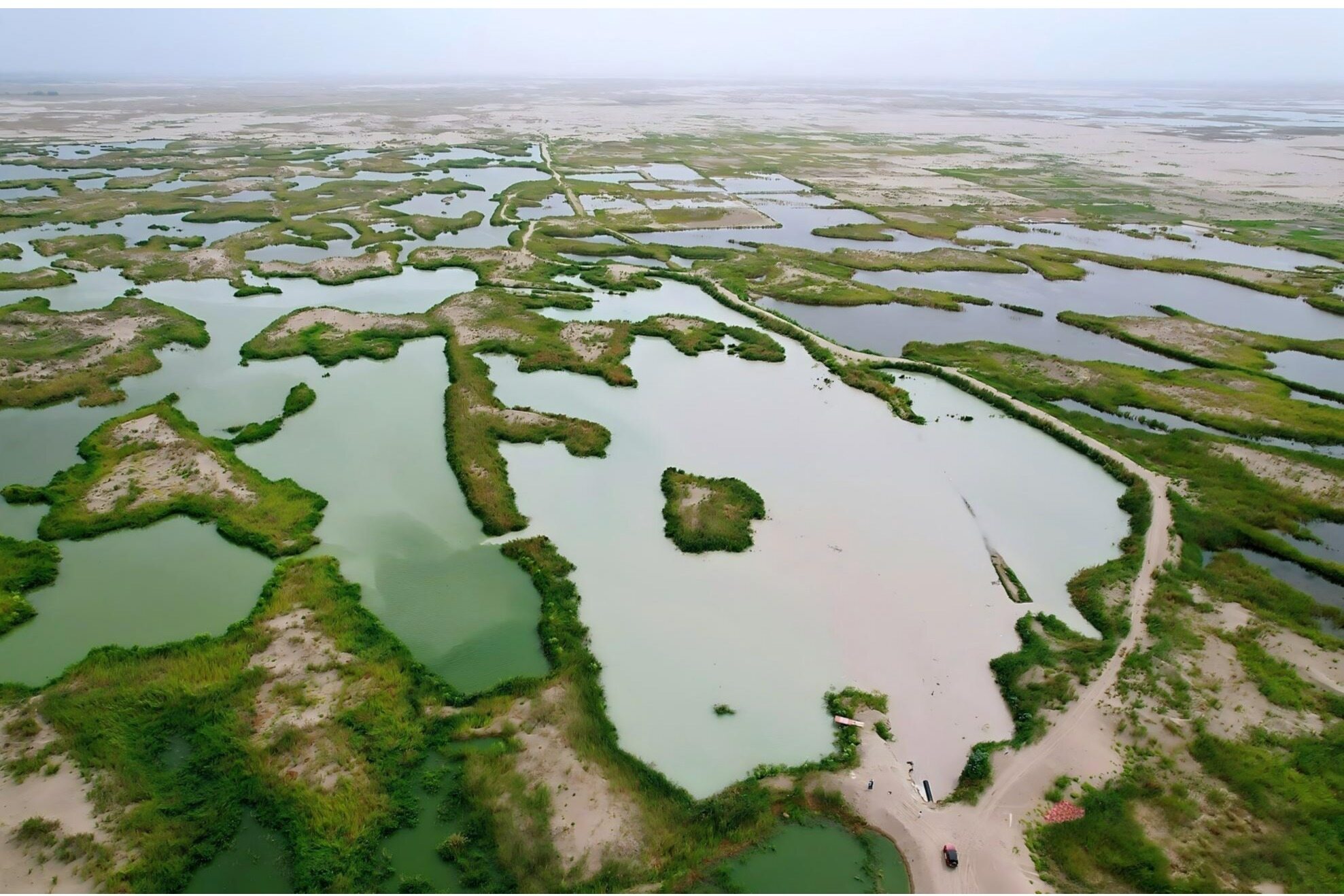
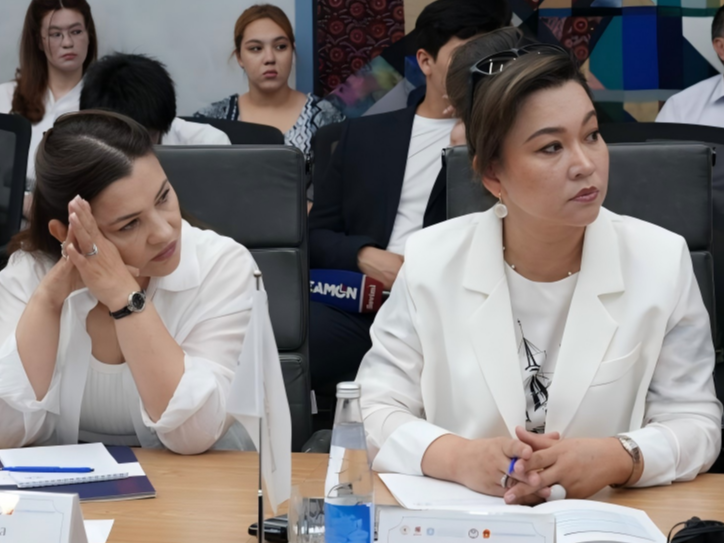
In the sandstorms outside Tashkent, a cross-border green transformation is quietly taking place. When the delegation from the Forestry Bureau of the Uzbekistan National Committee on Ecology and Climate Change walked into the international conference venue in Yinchuan, China, they brought not only sincerity in cooperation, but also anxiety about the living environment. Faced with increasingly severe land salinization and desertification within the country, this ancient land urgently needs external technological support. With the signing of two agreements, China's ecological governance plan is no longer just theoretical experience, but has been transformed into rows of towering protective forests and precise drip irrigation pipes on the land of Central Asia.
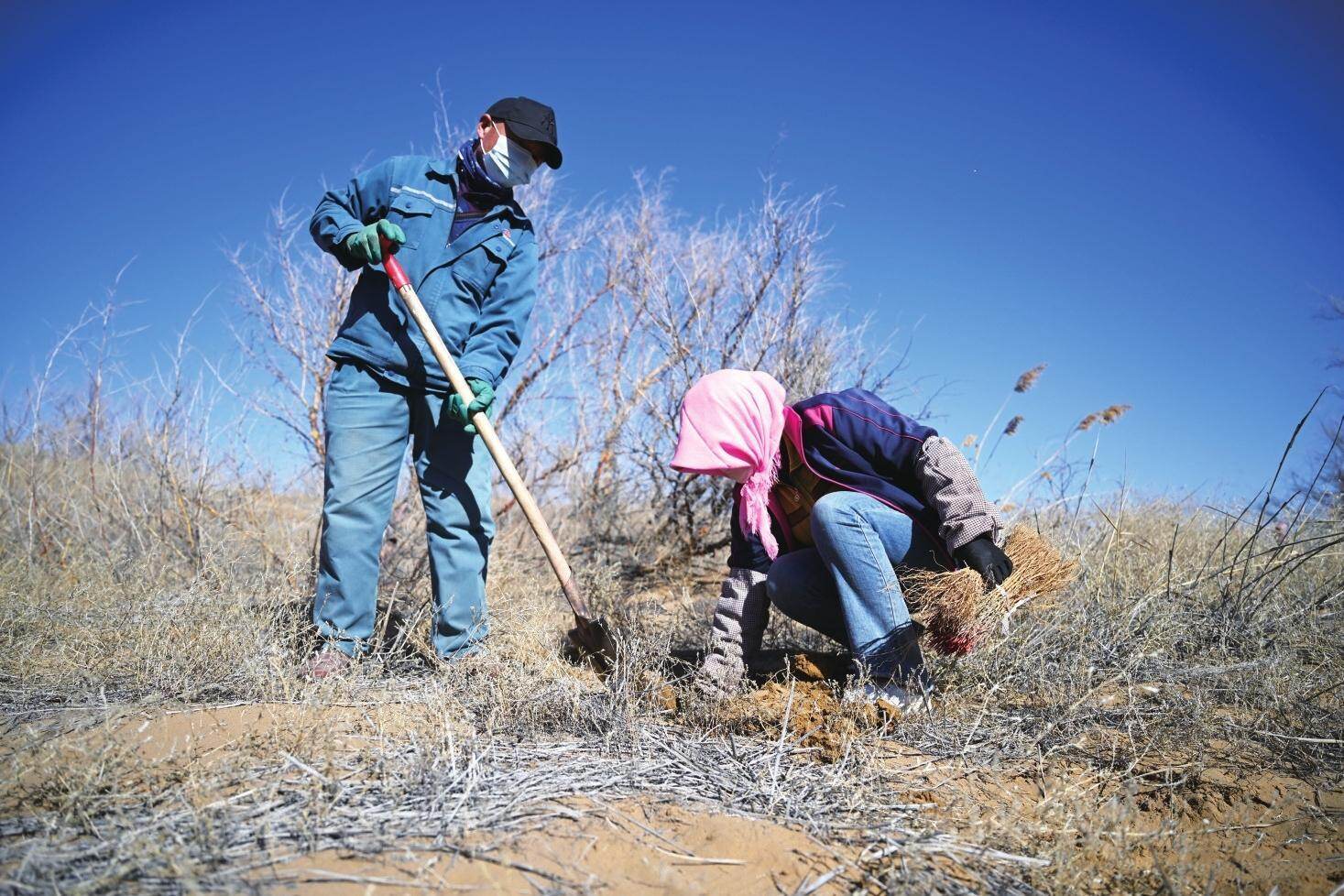
Government enterprise linkage to expand the market
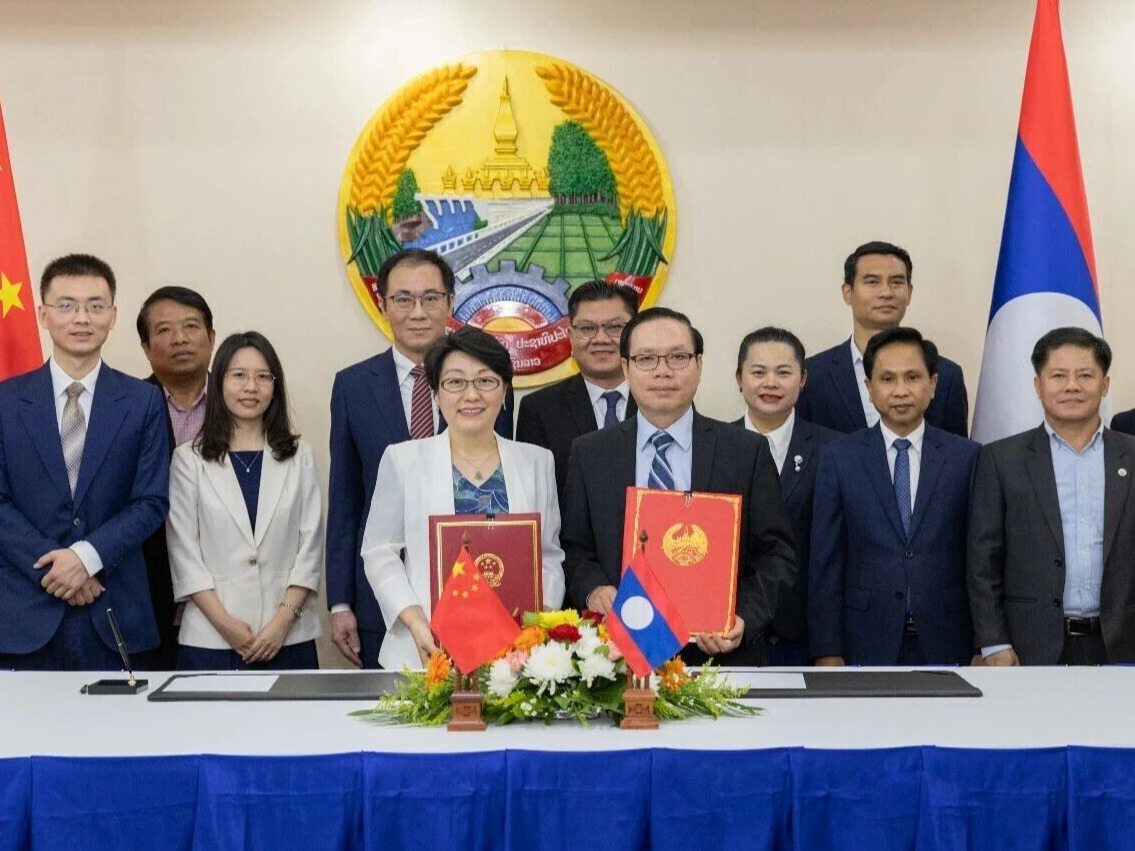
The two documents implemented at this meeting mark the transition of China Ukraine cooperation from simple greening and afforestation to comprehensive collaboration. At the official level, the Forestry Department of Ukraine and the Ningxia Forestry and Grassland Administration have finalized a cooperation framework, and both sides will work together to expand green plant coverage, build protective forest belts, and establish a modern nursery germplasm base. In addition to traditional afforestation, the agreement focuses more on soil and water control and restoration of degraded land, aiming to curb soil salinization from the source. To support these projects, both parties will also establish talent supply channels and implement special financing channels.
At the same time, market-oriented forces are closely following. The Wu Forestry Bureau has signed a commercial agreement with Yinchuan Wolsen Water saving Irrigation Company. Although the project amount is small, only 110000 yuan, its technical content is extremely high. The Chinese side will export a water fertilizer integrated water-saving irrigation system and provide practical training for Ukrainian commissioners. This fertilization and irrigation technology not only reduces fertilizer consumption by 20% to 50%, but also significantly improves the automation efficiency of irrigation operations, accurately addressing the pain points of ecological infrastructure in Central Asia.
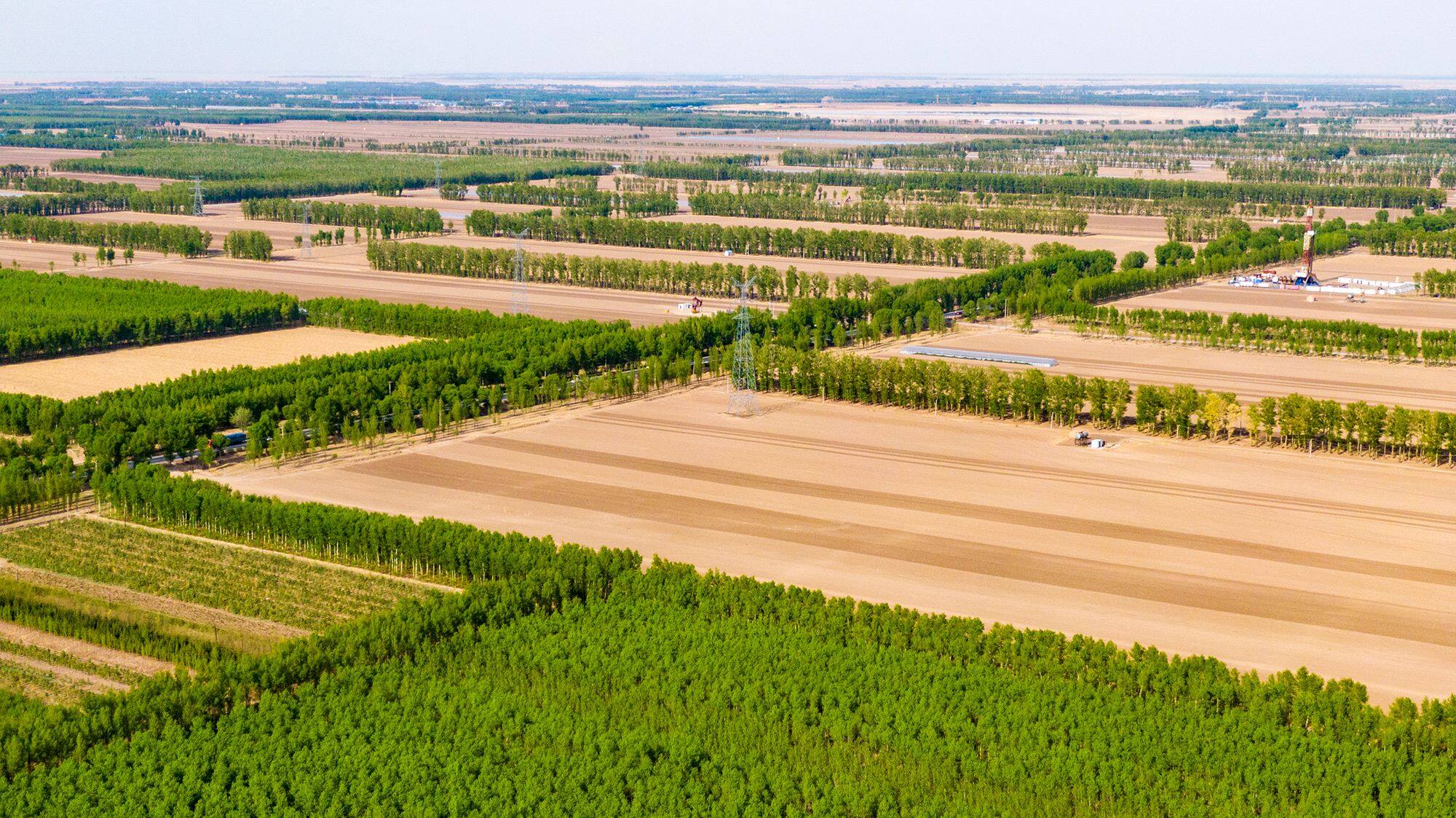
Technology implementation yields tangible results
In response to the insufficient reserve of saline alkali resistant germplasm resources in Uzbekistan, China's technical support has already been deployed in advance. As early as 2025, China and Ukraine have jointly built five halophyte gardens, and 1400 tons of halophyte seeds from China have been transported to the local area for local seedling cultivation and greening. These plants are like the vanguard of nature, able to survive in harsh environments and improve soil, injecting biological resilience into the land of Central Asia.
In addition, Zhongcarbon Forest Resources (Beijing) Co., Ltd. is also deeply cultivating the local carbon sink track. In the Surkandaria region, a 5000 hectare pistachio carbon sequestration forest is emerging. This is not only an ecological restoration project, but also a long-term economic account. By planting economic trees, the project balances ecological benefits with forestry and fruit industry profits, turning barren land into green assets.
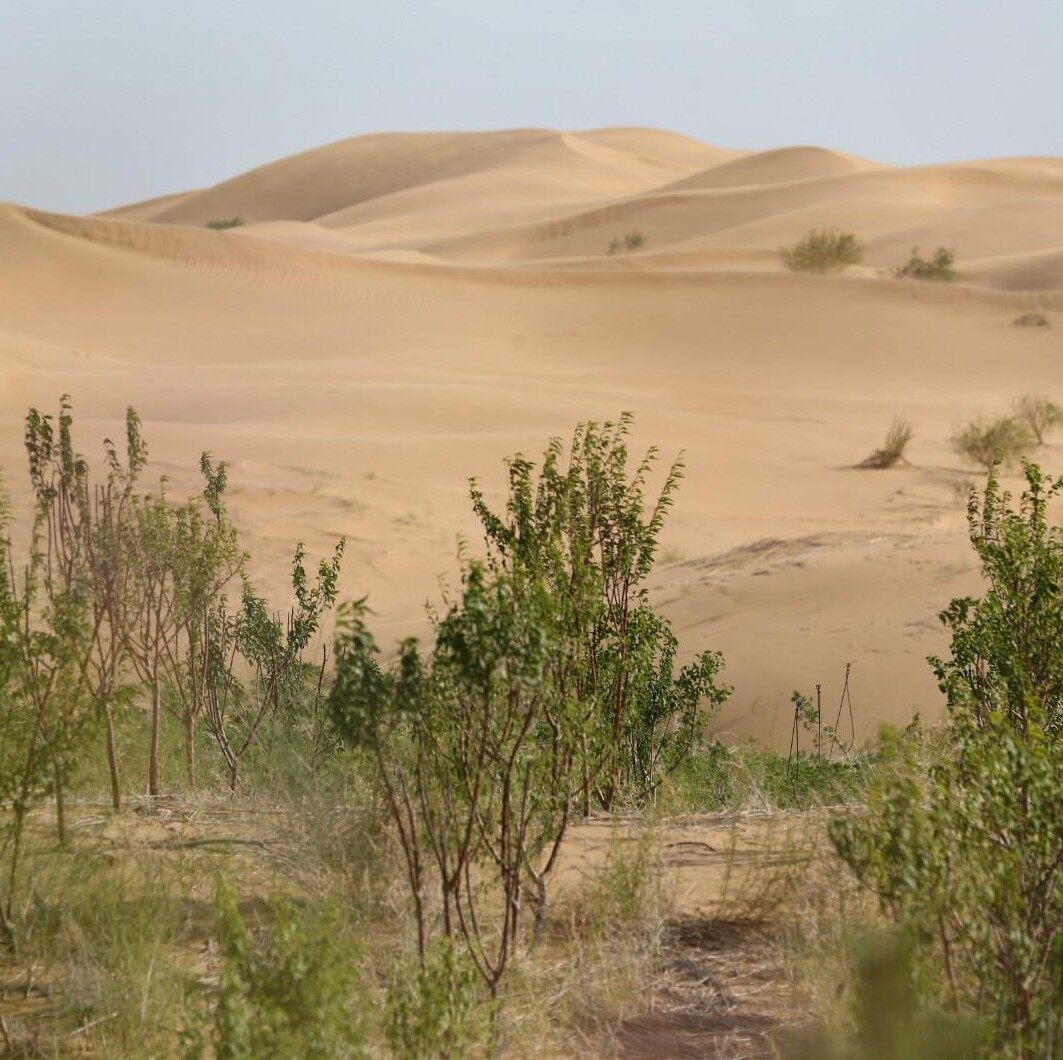
Green Win Win New Paradigm
Currently, Central Asian countries are intensifying their green economy layout and incorporating ecological restoration and forestry carbon sequestration into their national development plans. The trade heat of cross-border forestry technology, germplasm resources, and water-saving equipment continues to rise. The dual wheel drive model of policy support and market technology output, relying on long-term cooperation foundation, has become the mainstream of bilateral environmental cooperation.
For Chinese enterprises, relying on their triple advantages in germplasm resources, intelligent devices, and carbon project management, they are gradually improving their ecological industry chain layout in Central Asia. For Uzbekistan, leveraging China's mature technology to achieve cost reduction and efficiency improvement not only strengthens the ecological resilience of the country, but also realizes a multiple value win-win situation of environmental protection, carbon asset appreciation, and land efficiency improvement. This is not only a cross-border cooperation, but also a vivid practice of China's wisdom in desertification control on the global stage.Editor/Yang Meiling
Comment




 Praise
 Collect
 Comment

 Share
Share


Write something~