 Search


- Chinese capital competes for oil and gas infrastructure construction along the the Belt and Road to consolidate the Middle East market
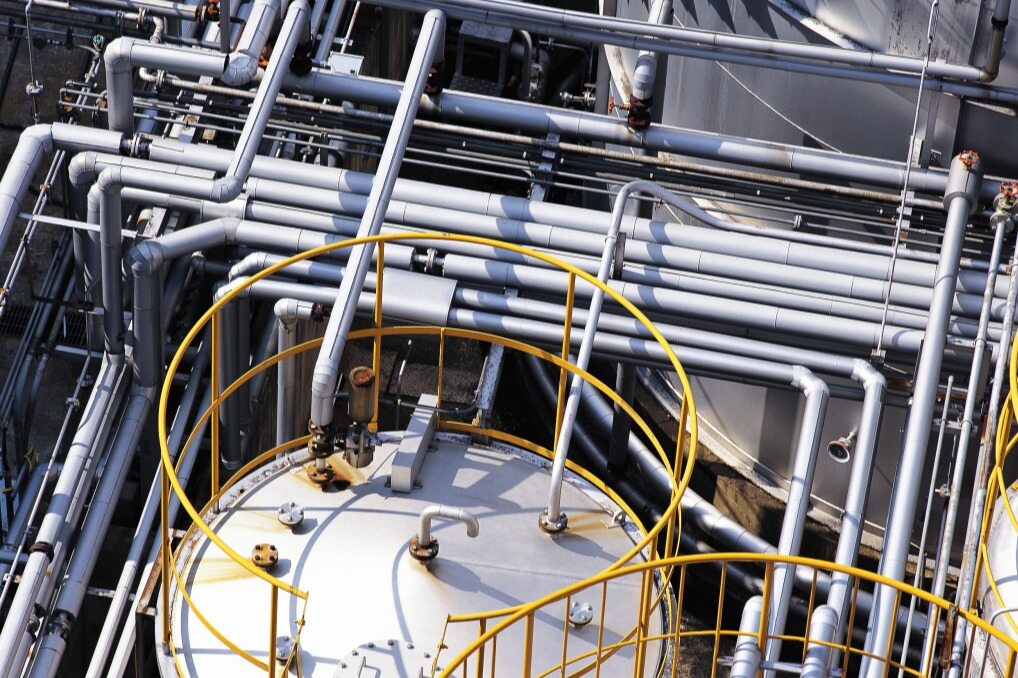
Heat waves hit the eastern desert of Saudi Arabia, and workers are wiping the old gas pipeline that is about to retire next to the Rastanula refinery. This pipeline, which has been in operation for decades, used to continuously deliver natural gas from the Abu Dhabi oil field to the largest refinery in Saudi Arabia. However, it is now under pressure due to aging and is about to be replaced by a brand new 24 inch pipeline. As the deadline for Saudi Aramco's proposal on June 30th approaches, nine contractors are intensively preparing to bid - this infrastructure battle related to upgrading Saudi Arabia's oil and gas supply chain has quietly begun in the east.
Nine companies compete for projects
Saudi Aramco issued a tender for the GART gas transmission network renovation project in May, requiring contractors to submit proposals by June 30, 2026.
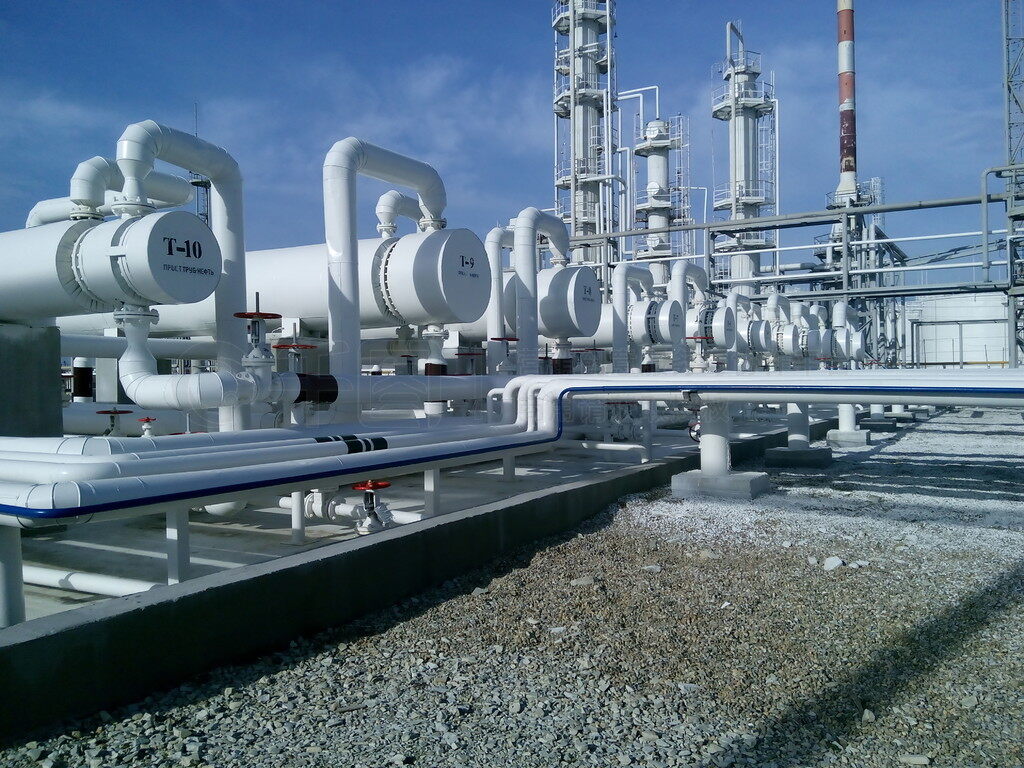
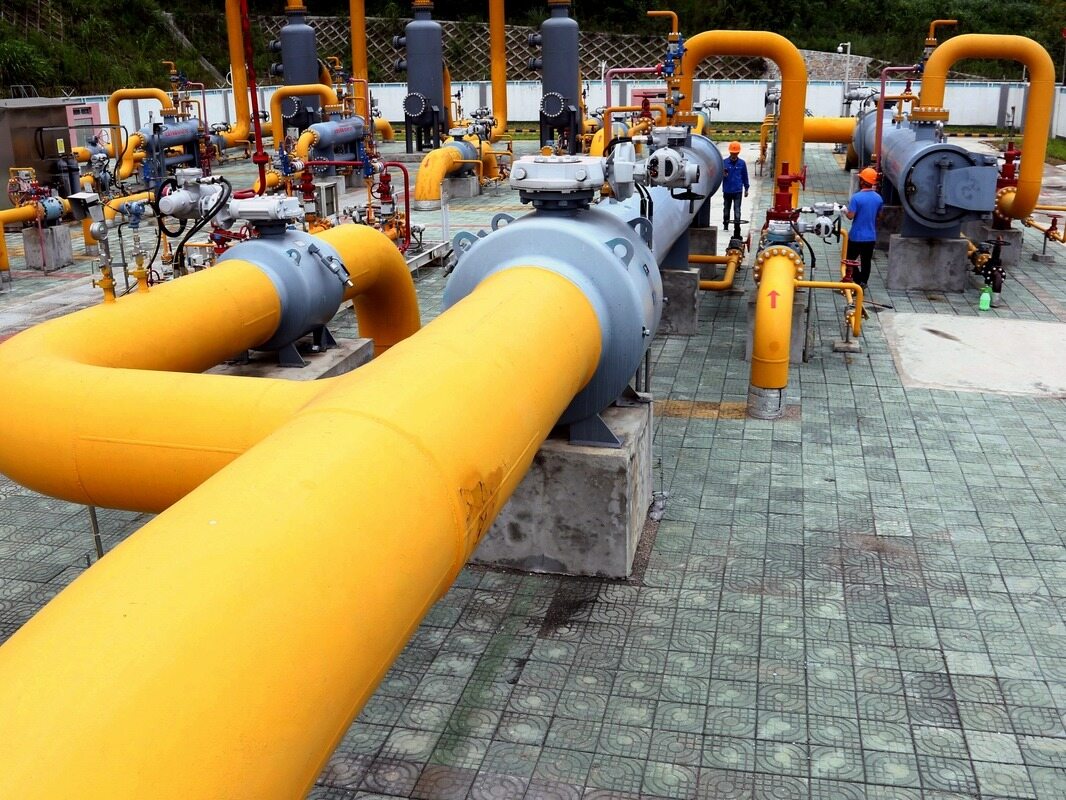
The project will build a new 24 inch pipeline system to replace the GART-22 pipeline in use on the 18 kilometer section from Juaymah Port to the Rastanula terminal station, abandon the old GART-24 pipeline, and synchronously provide scraper traps, pressure control valves, electric valves, and gas detection and sampling facilities. As the transportation artery for raw gas and natural gas liquids in the Abu Dhabi Refining and Chemical Complex, this renovation aims to strengthen the stability of the refinery's fuel gas supply and match the increasing demand for gas consumption.
Pipeline iteration is urgently needed
The Rastanula Refinery is one of the oldest and largest refineries in Saudi Arabia, with comprehensive production capacity indicators: daily crude oil refining capacity of 550000 barrels, supporting daily processing of 305000 barrels of NGL facilities, and daily production capacity of 960000 barrels of crude oil stabilization facilities; The installed power generation capacity for winter and summer is 158 MW and 145 MW respectively, with a steam power generation capacity of 6.217 billion pounds per hour.
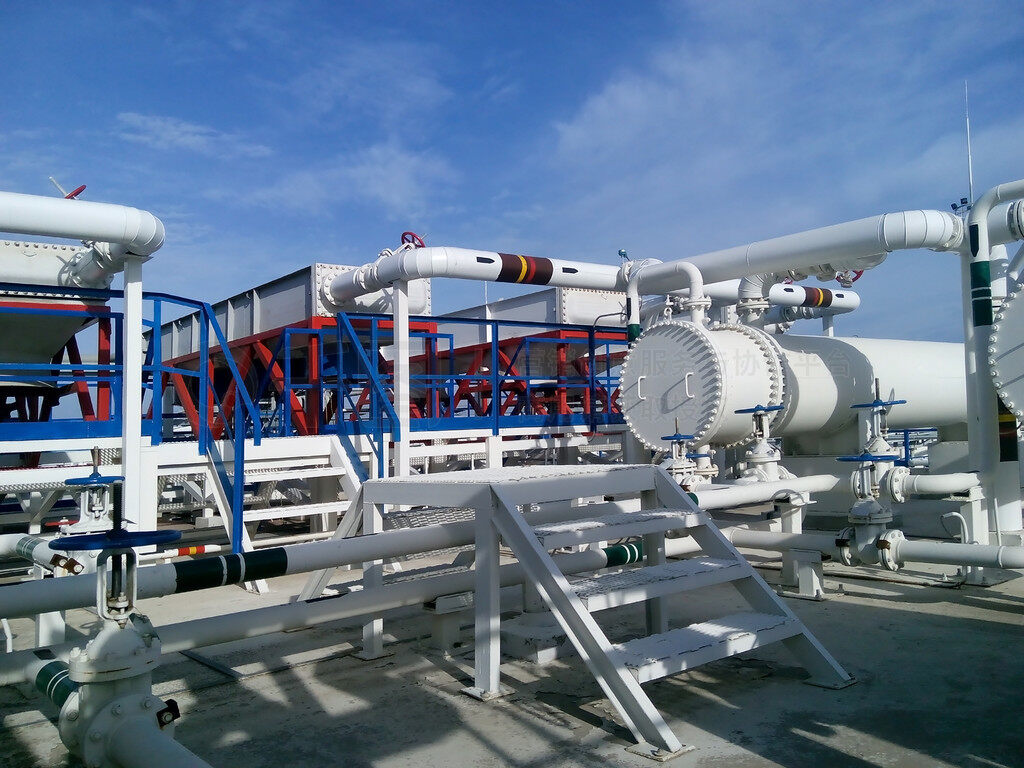
The factory has 75 oil storage tanks with a total storage capacity of 5.8 million barrels, equipped with multiple refining units. It is also the only refinery in Aramco that is equipped with Visbreaker cracking reduction unit - the unit has a daily output of 60000 barrels, which can reduce residual oil production and increase the production of intermediate distillate products such as diesel. The factory produces 17000 barrels of asphalt per day, ranking first in Saudi Arabia. Refinery crude oil relies on dual channels of pipeline and sea transportation supply from three major oil fields, including Abu Dhabi. The products are distributed domestically and exported overseas. The operational risks of old pipelines continue to rise, and iteration has become a necessity.
Chinese and foreign engineering competitions on the same stage
Saudi Aramco continues to promote the renovation of existing oil and gas infrastructure, eliminate old pipelines to reduce the risk of supply disruptions, ensure the stability of Rastanula refining and export production capacity, and stabilize the country's oil and gas export base. Keywords: Middle East News Network, Refinery Supply Chain Infrastructure
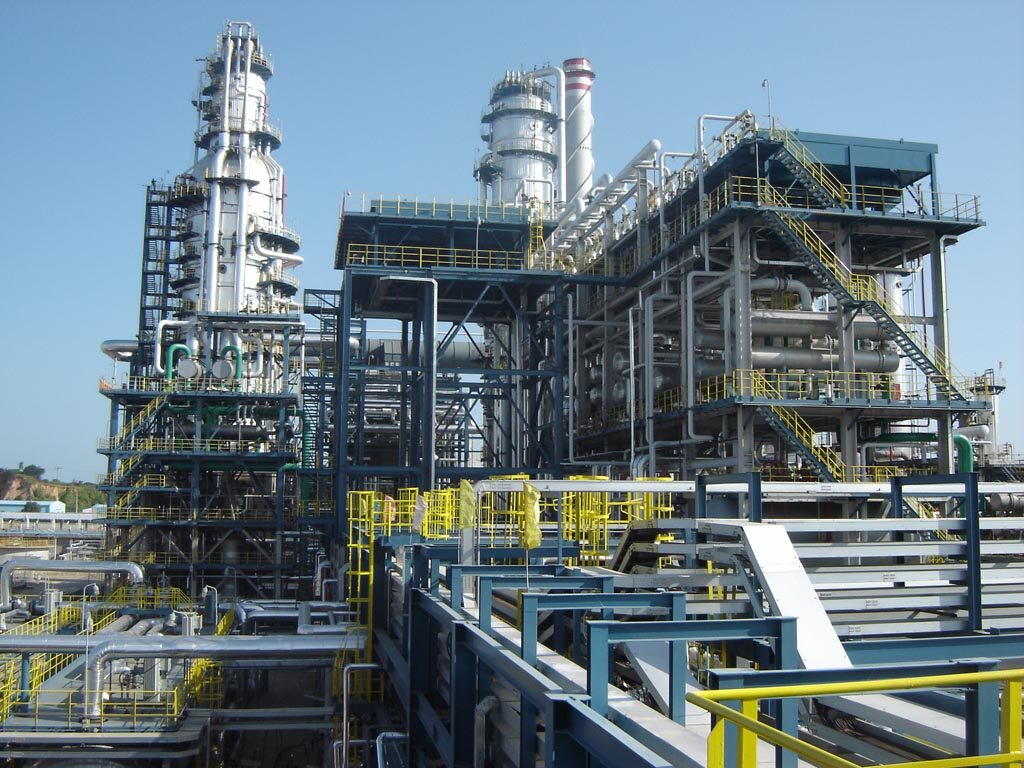
The bidding pattern is diverse, with local enterprises deeply engaged in local operation and maintenance, China Saudi Arabia Sinopec Engineering Group entering the bidding process, relying on its EPC qualification for oil and gas pipelines to deeply cultivate the Saudi energy infrastructure track, and improve the performance of energy engineering in the Middle East. At the industrial level, Saudi Arabia is improving the closed-loop system of the eastern oil and gas pipeline network, connecting the entire chain of oil fields, refineries, and ports, strengthening the added value of local oil and gas processing, reducing the export of low value raw materials, and relying on infrastructure upgrades to consolidate its position as a hub for oil and gas in the eastern region.Editor/Gao Xue
Comment

 Praise
 Collect
 Comment

 Share
Share


Write something~