 Search


- Relying on the multimodal transport network, opening up a foreign trade and economic path for Laos
- Improve regional supply chain and continuously deepen economic and trade exchanges between China and ASEAN
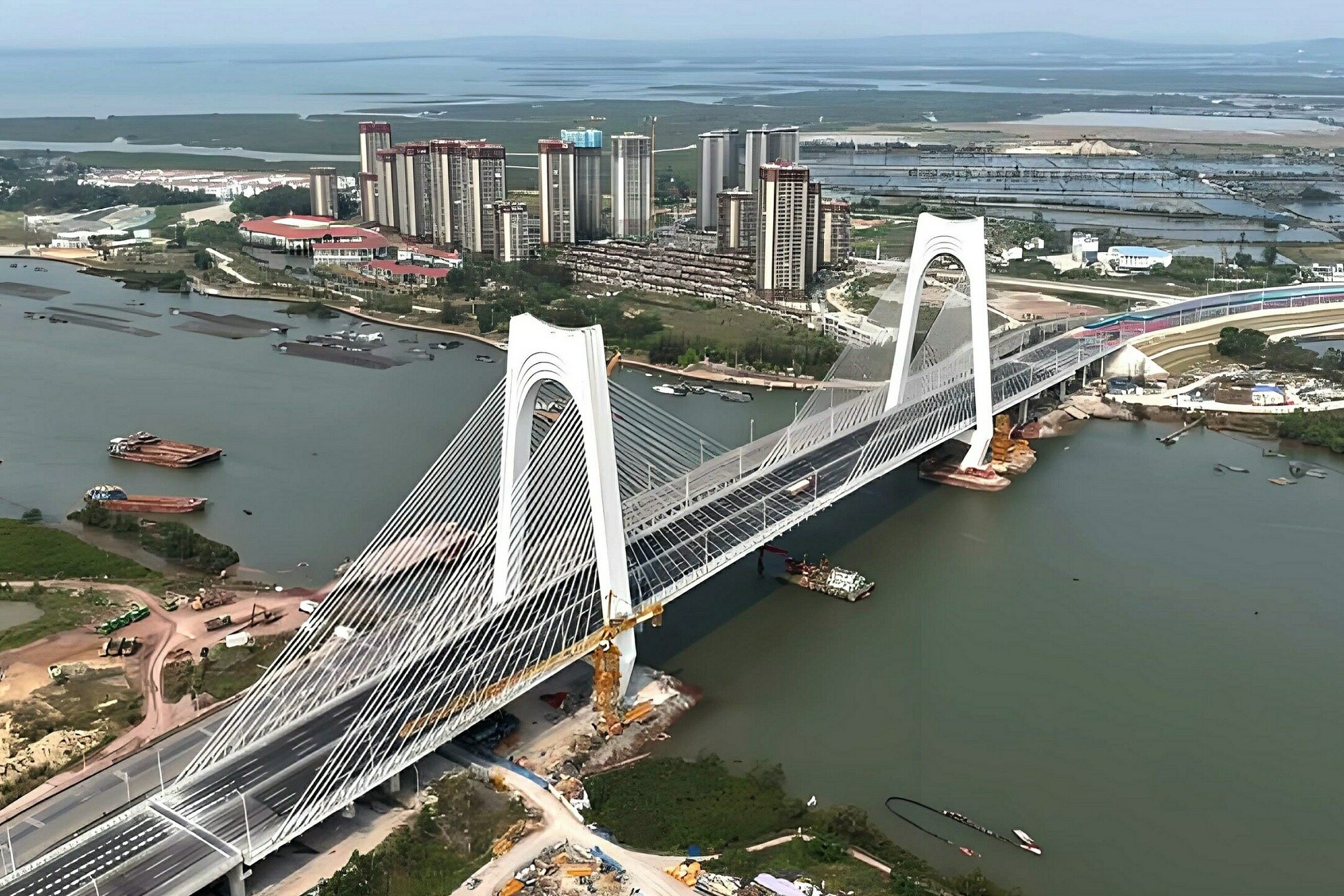
In the early morning, the sound of cranes by the Beibu Gulf sliced through the thin mist. A giant ship loaded with cargo is waiting to anchor, while a man-made canal that splits mountains and rocks thousands of miles away on the main stream of the Xijiang River is ready to take off. This great water wall, which is not made of iron but connects the river and the sea, is quietly reshaping the logistics map between China and ASEAN.
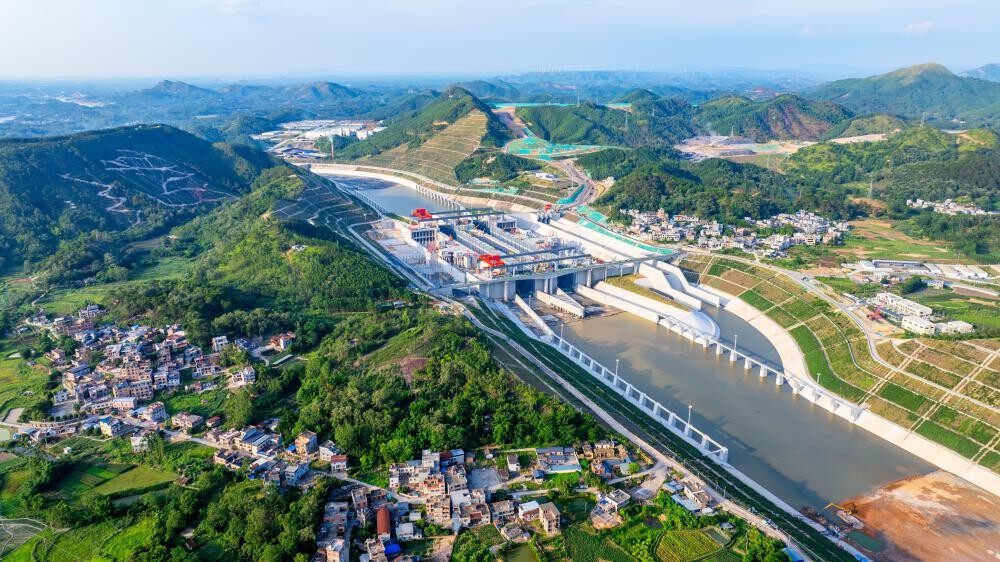
On September 15, 2026, China's infrastructure will accelerate the construction of a three-dimensional comprehensive transportation network consisting of railways, highways, water transport, and sea transport. The Pinglu Canal is a benchmark key project for domestic connectivity construction.
Overview of the Canal
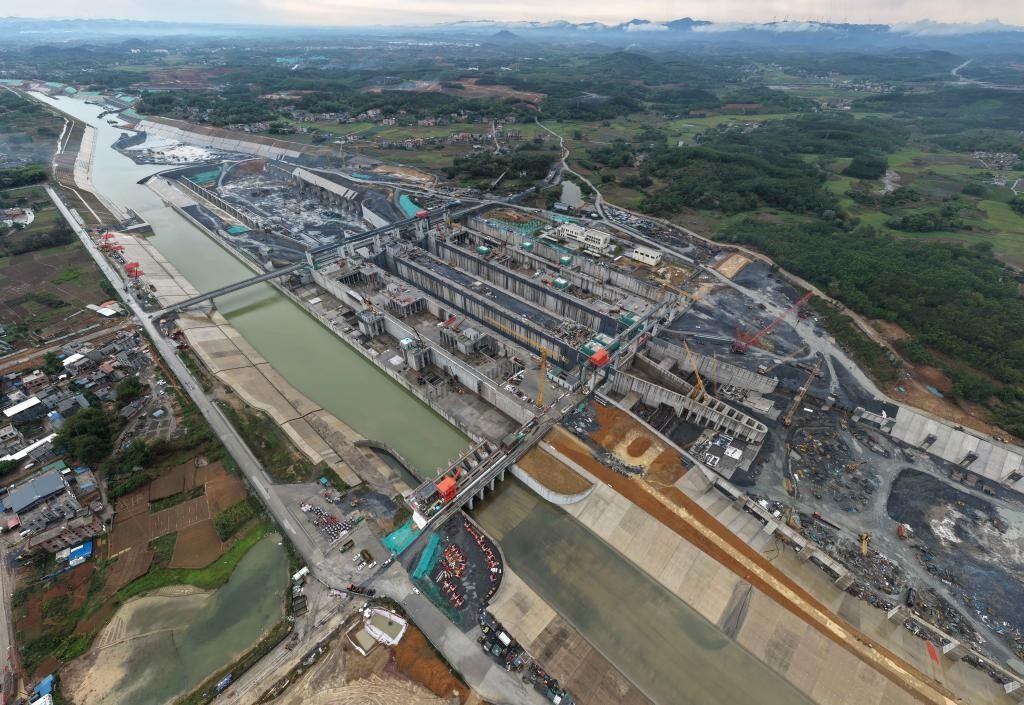
The Pinglu Canal is located in Guangxi, with a total length of 134.2 kilometers, connecting the Xijiang River and the Beibu Gulf. As the first national level river sea connected canal in China, it can accommodate ships of up to 5000 tons and open up a sea route connecting the southwest with ASEAN.
Clearing blockages to reduce costs and increase efficiency
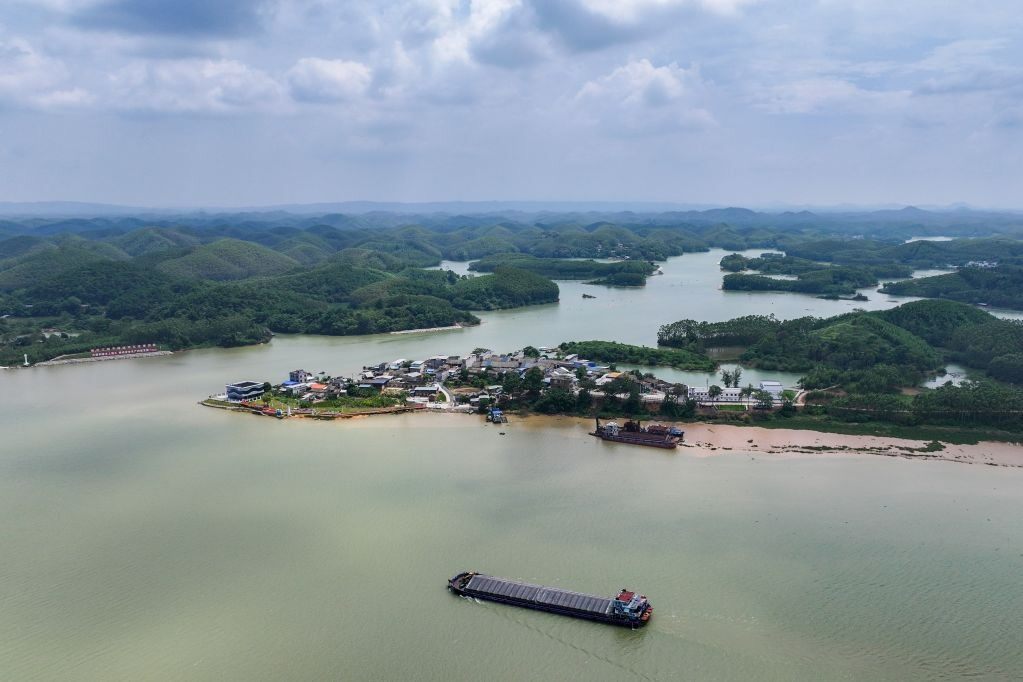
Although Guangxi is adjacent to the ocean and has developed water systems, many rivers within its borders flow into the Pearl River Delta sea area, lacking a direct southward channel to the sea, making it difficult to fully exploit the advantageous location of the Beibu Gulf ports. In the past, goods from Guangxi and Southwest China had to detour around Guangdong ports for shipping, which was time-consuming and costly. The construction of the Pinglu Canal has reshaped the regional water transportation geographic pattern and filled the gap of Guangxi's southward sea going. According to the official press conference in Guangxi, the Pinglu Canal will officially open for navigation on September 16, 2026. After the navigation, the sea voyage of goods in the southwest region will be shortened by more than 560 kilometers, the shipping distance from China to ASEAN ports will be significantly reduced, and the comprehensive logistics cost can be reduced by 18% to 30%, saving more than 5 billion yuan in transportation expenses for the region every year.
Linkage networking benefits ASEAN
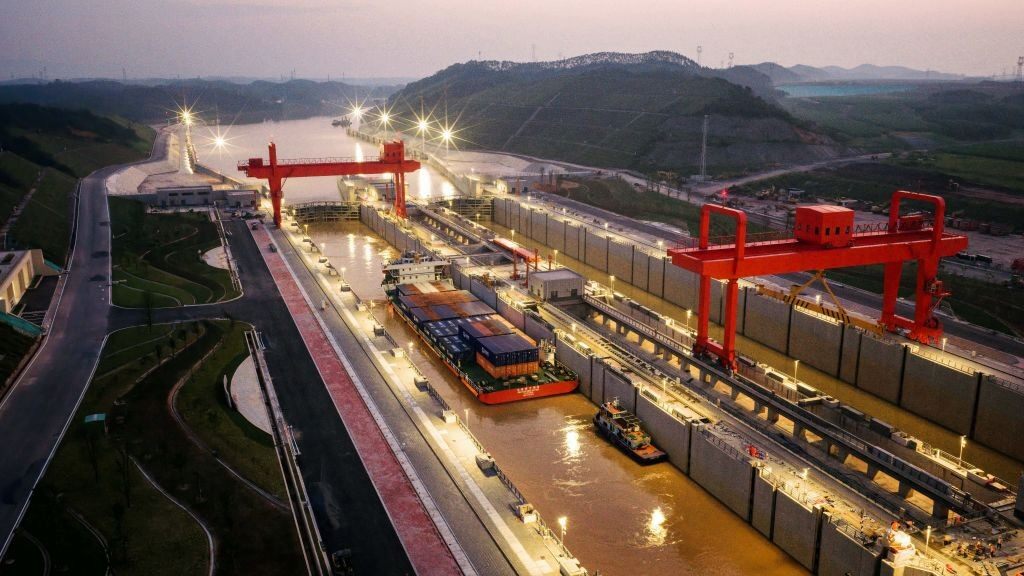
The strategic value of the Pinglu Canal radiates throughout the entire region and can be deeply linked with the ports, railways, and highway networks of the Beibu Gulf, forming a three-dimensional regional logistics hub system. After the project is implemented, Nanning will become the core of land logistics and trade, and Qinzhou and Beibu Gulf ports will be upgraded to core sea gateways, further consolidating Guangxi's hub location advantage in China ASEAN connectivity and efficiently facilitating bilateral goods trade channels.
Although the canal does not pass through Laos, it can empower its development through cross-border logistics networks. At present, Laos is accelerating its transformation from a landlocked country to a land related country. The China Laos Railway, as the core channel, connects Kunming and Vientiane, and opens up the multi-national transport links between China Laos and ASEAN. After connecting with the logistics system in Guangxi, the railway greatly expanded Laos' foreign trade channels. Laos goods can enter the southwest via the China Laos railway, and directly reach the Beibu Gulf Port through the Xijiang River system and the Peace Land Canal, completely breaking away from the restrictions of single road transportation and deeply integrating into the global logistics system.
The current economic and trade cooperation between China and ASEAN continues to deepen, with bilateral trade volume exceeding $1.05 trillion by 2025, making both sides the largest long-term trading partners. After the opening of the Pinglu Canal, an efficient cross-border logistics artery will be added, reshaping the regional freight pattern and optimizing the supply chain system. Keywords: Pinglu Canal, river sea intermodal transport, China Laos Railway
Relying on the linkage advantages of the canal and the China Laos railway, Laos can fully tap the regional potential, develop cross-border logistics, border trade and commodity processing industries, accelerate the completion of the strategic upgrading of landlocked countries to land linked countries with the help of China's infrastructure dividends, and continue to release the development vitality of bilateral connectivity.Editor/Gong Ziwei
Comment




 Praise
 Collect
 Comment

 Share
Share


Write something~