 Search


Strategic construction
The Pinglu Canal unlocks three major highlights of the Century Project!
09-17
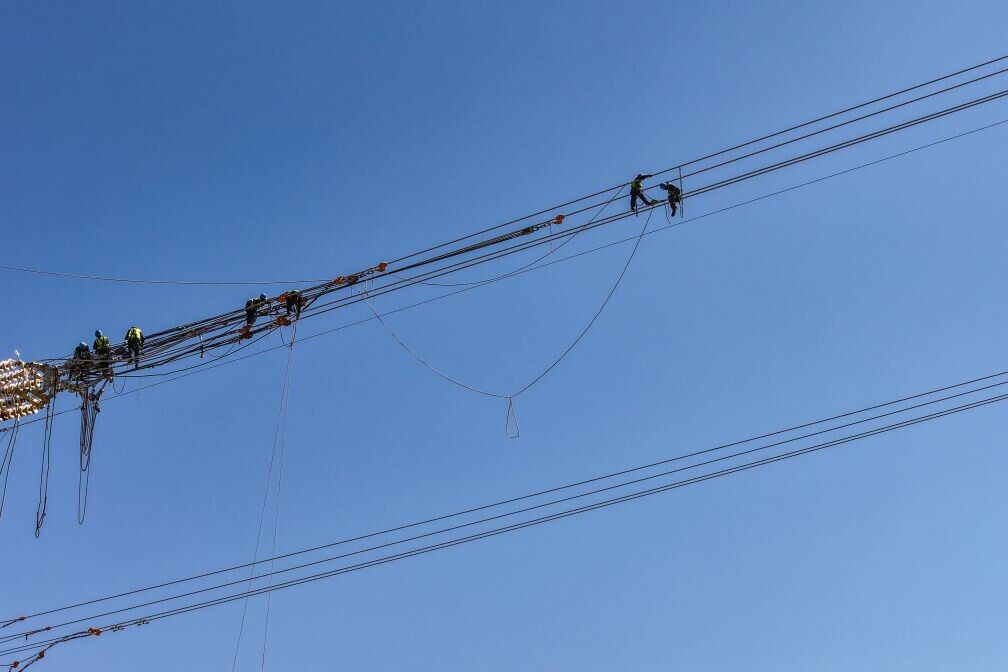
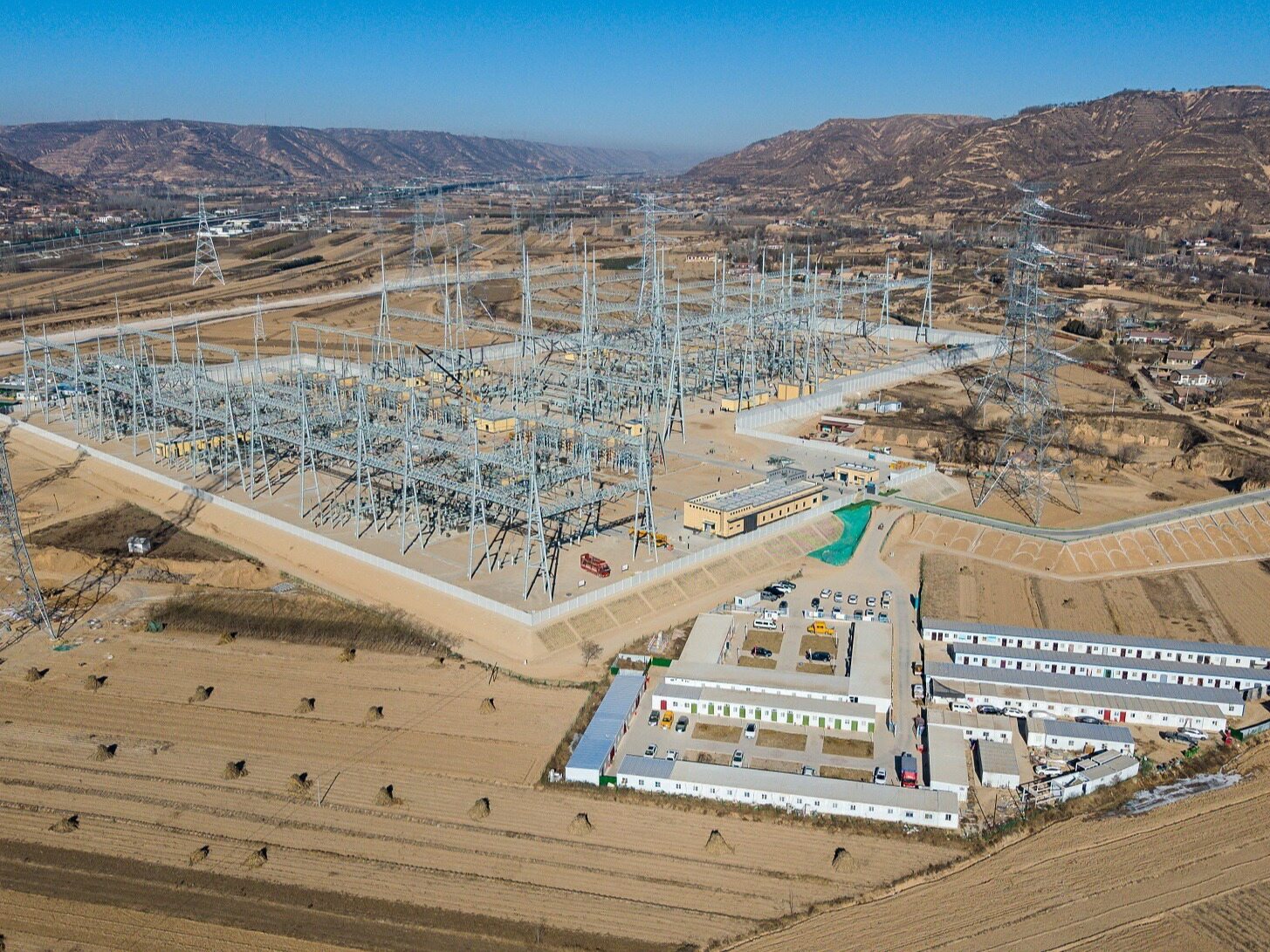
On September 14, 2026, the construction of the Yellow River crossing line for the Baiyin section of the Longdian Zhejiang Power Project was successfully completed. This marks the completion of the Gansu section of the national key energy project, the Longdian to Zhejiang Project, laying a solid foundation for the project to be put into operation on schedule and the transmission of clean energy from Gansu.
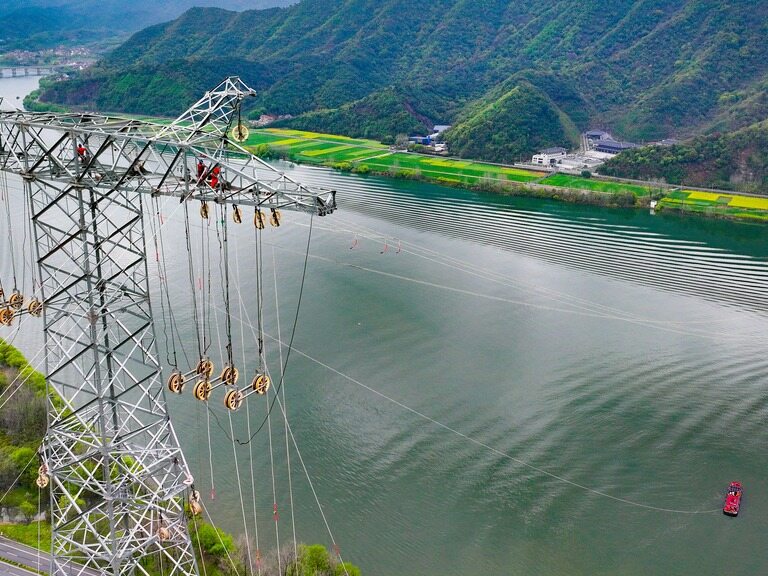
The completed Yellow River Crossing is a key control node in the construction of the entire line, spanning the cities of Baiyin Jingtai and Jingyuan, with a total length of 2731 meters and a maximum span of 1643 meters. The construction span is large and the installation standards are high. The terrain in the work area is steep and the construction conditions are complex, which places extremely high demands on the accuracy of installation and safety control. The construction team innovates construction methods, optimizes technical solutions, and efficiently completes the entire line installation task.
The Longdian Zhejiang Project is a key project in the national 14th Five Year Plan for power development, and also the world's first ultra-high voltage project to adopt flexible DC technology at both transmission and reception ends. It can achieve flexible adjustment of current magnitude and direction, and meet the needs of large-scale new energy integration into the power grid. The project starts in Wuwei, Gansu and ends in Shaoxing, Zhejiang, passing through six provinces and regions including Gansu, Ningxia, Shaanxi, Henan, Anhui, and Zhejiang. The total length of the line is 2370 kilometers, with a transmission capacity of 8 million kilowatts. It is expected to be completed and put into operation in 2027. After operation, Gansu can transmit over 36 billion kilowatt hours of electricity to Zhejiang every year, including more than 50% of new energy electricity, which is equivalent to reducing standard coal consumption by 6.4 million tons and reducing carbon dioxide emissions by 17 million tons. This will strongly support the coordinated development of energy in the east and west and the green and low-carbon transformation.Editor/Gong Ziwei
Comment

 Praise
 Collect
 Comment

 Share
Share


Write something~