 Search


- Southwest sea voyage shortened by 560 kilometers, logistics costs reduced by 18% to 30%
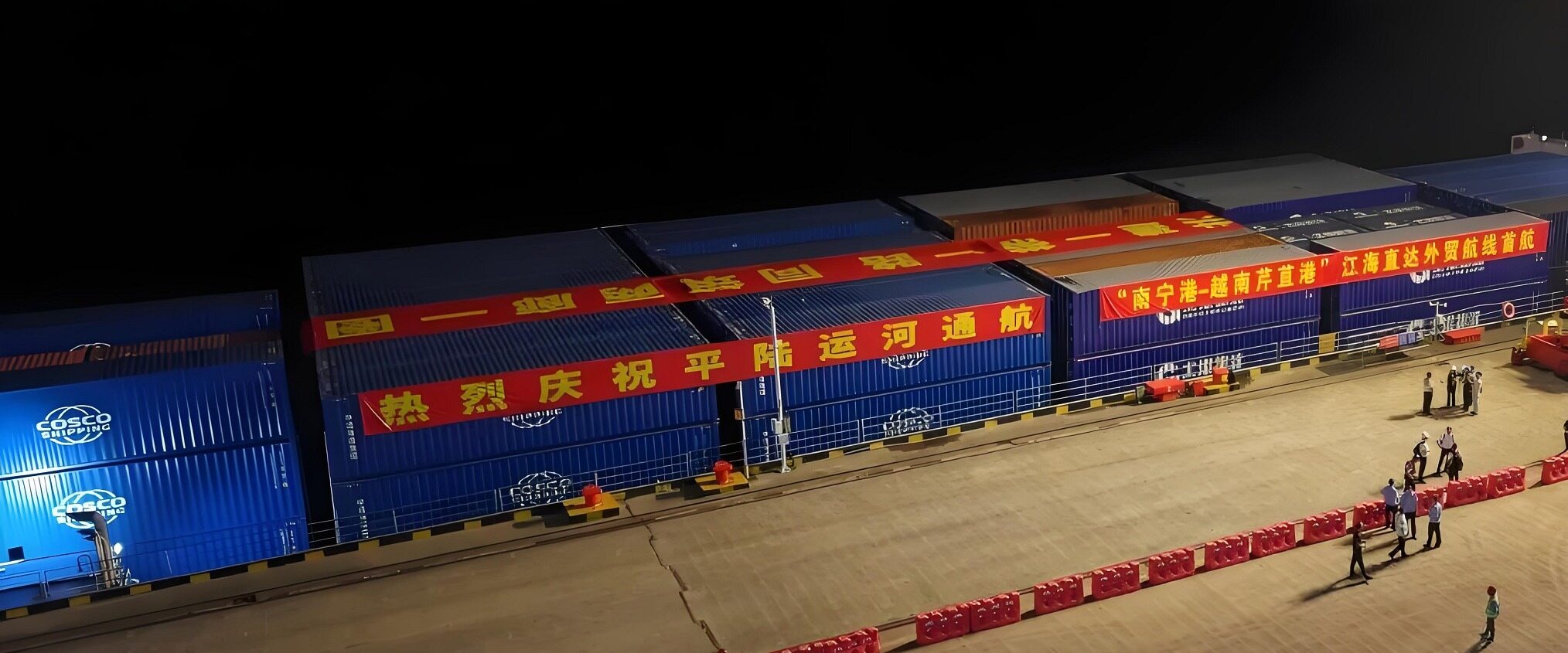
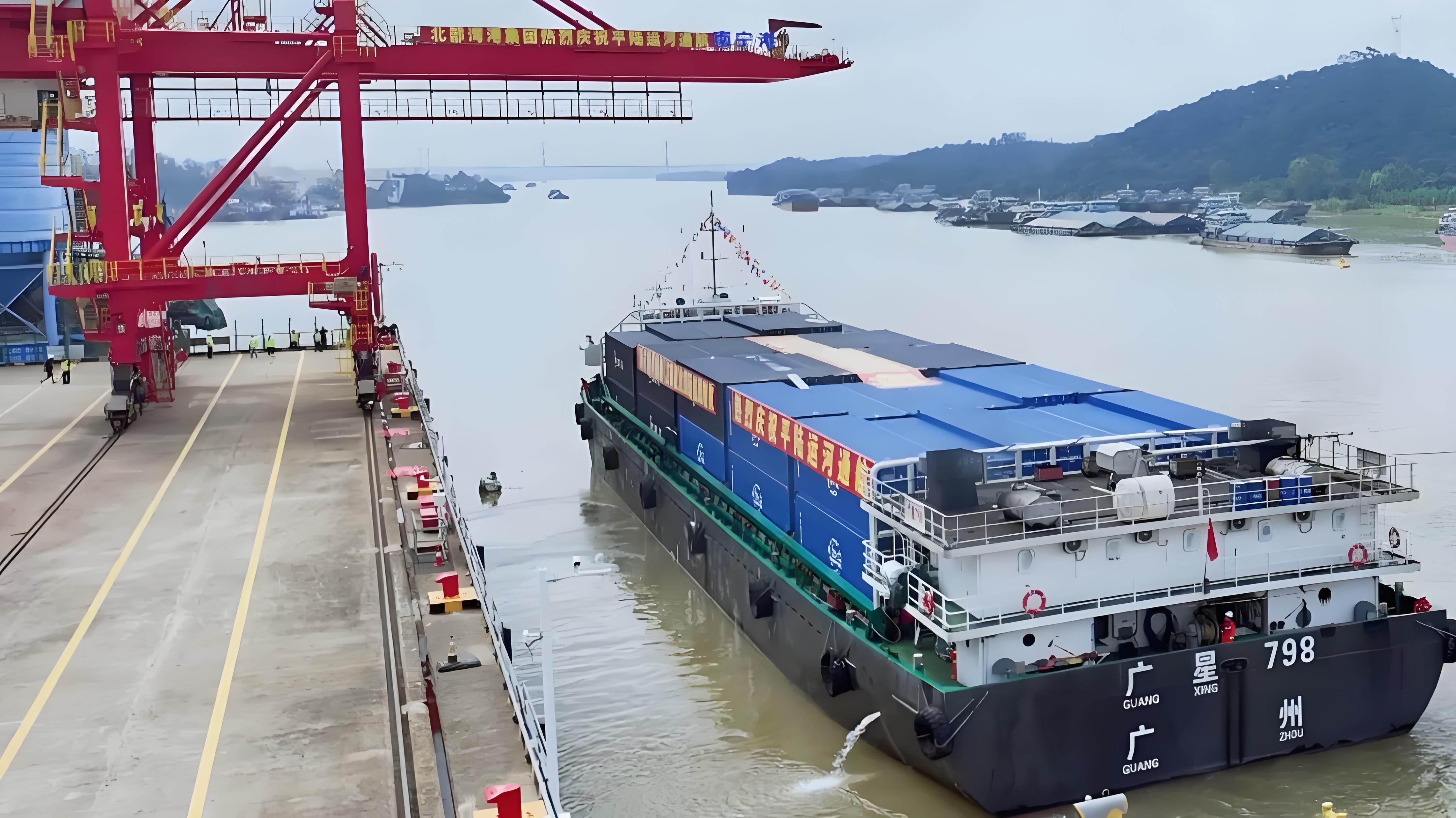
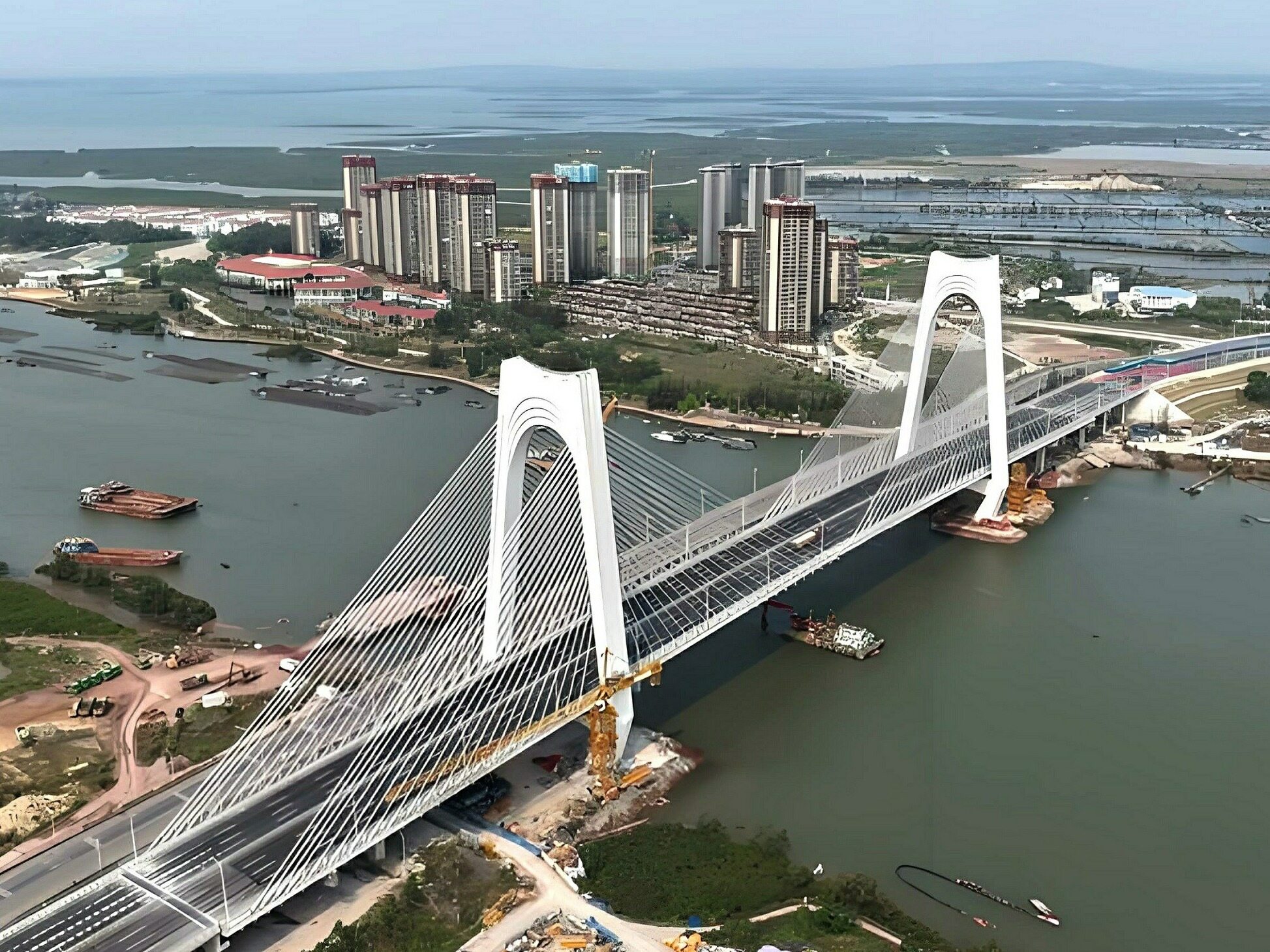
On September 16, 2026, at the Pinglu Canal Ma Dao Hub in Lingshan County, Qinzhou City, Guangxi Province, the first national level coordinated construction of the Tongjiang Dahai Canal project since the founding of the People's Republic of China was officially completed and put into operation with the departure of a 5000 ton cargo ship. This 134.2 kilometer long canal has brought the Xijiang River and Beibu Gulf tightly together for the first time. Wan Min, Chairman of COSCO Shipping Group, attended the inaugural ceremony on site, carrying nearly 1000 containers bearing the dual brand logo of COSCO Shipping to ports such as Beibu Gulf, Yangpu in Hainan, and Can Tho in Vietnam, bringing the distance between the southwestern hinterland and global trade closer.
Cutting corners and straightening to rewrite the sea route
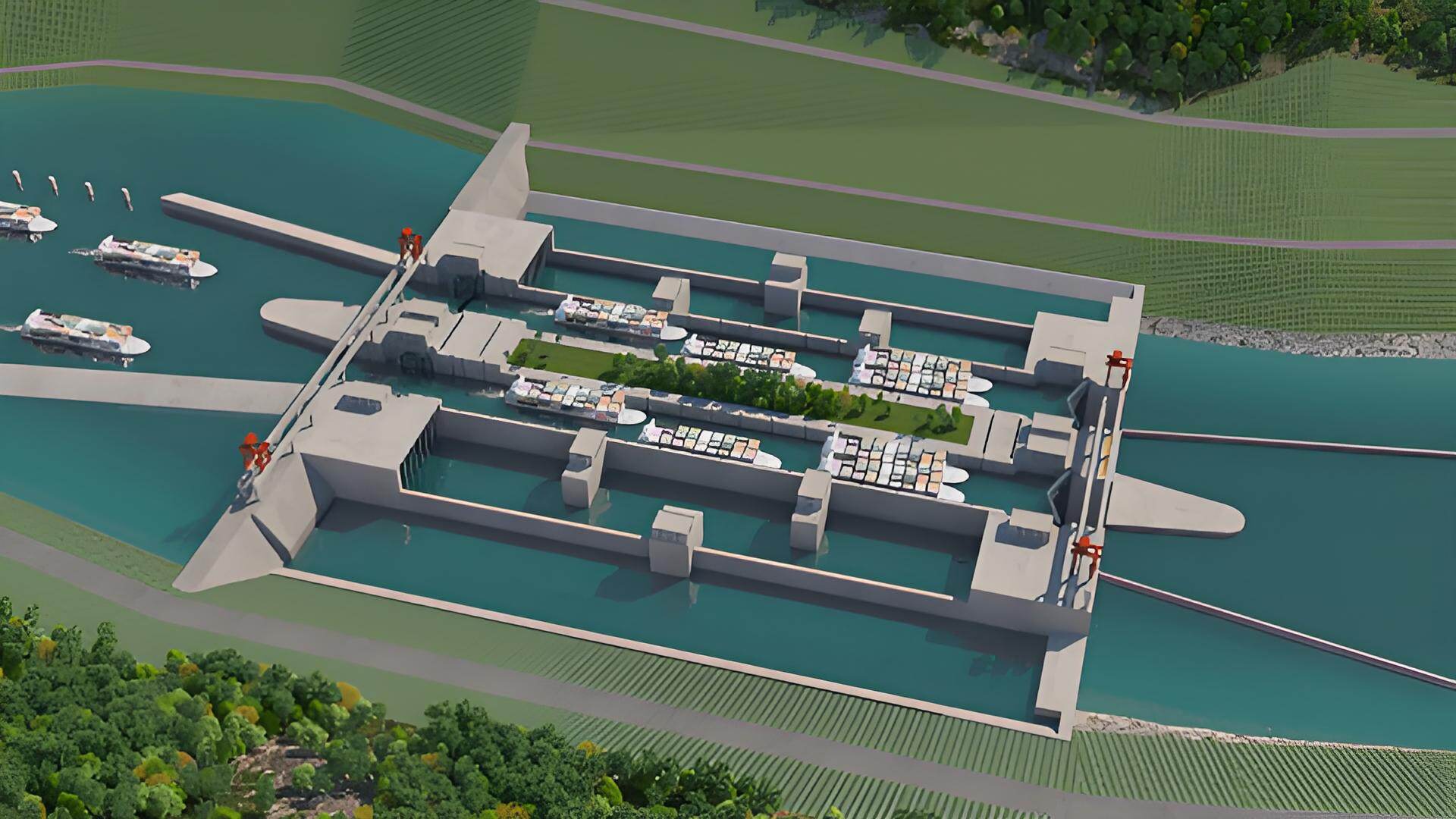
The majority of the Pinglu Canal project relies on the expansion and deepening of the existing river channel, as well as the straightening of bends. Only the 6.5-kilometer newly excavated waterway in the watershed crossing section has opened up a new waterway that connects the Xijiang main line directly to the Beibu Gulf. In the past, goods from Southwest China had to detour eastward along the Xijiang River to Guangzhou Port in the Pearl River Delta to go abroad. Guangxi has long faced the dilemma of being blocked by the river and sea, and difficult to sail near the sea. Nowadays, Pinglu Transport starts from the mouth of Pingtang River in Xijin Reservoir Area, Hengzhou City, Nanning, passes through Luwu Town, Lingshan County, Qinzhou in the south, and leads directly to Beibu Gulf along the Qinjiang River, solving the problem of Guangxi goods not leaving Guangxi Port for a long time. The inland waterway route has been shortened by about 560 kilometers. The traditional shipping route for bulk goods in Baise takes 12 to 15 days to go abroad, while taking the Pinglu Canal only takes 5 to 7 days. The comprehensive logistics cost has been reduced by 18% to 30%, which can save more than 5 billion yuan in transportation costs for the whole society every year.
Hardcore technology sets four world records
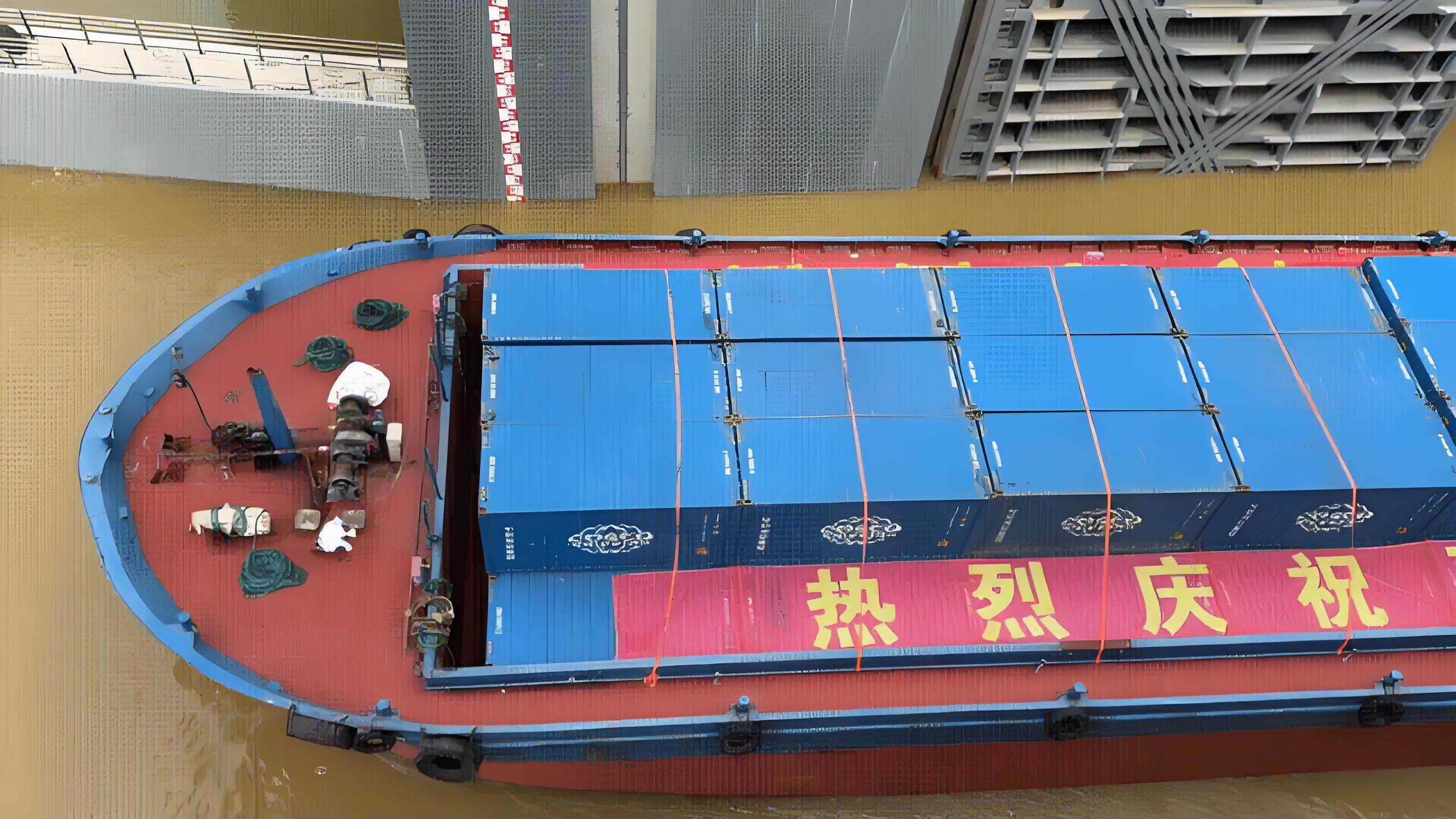
This waterway has a width of 80 meters to 130 meters, a designed water depth of 6.3 meters to 6.5 meters, and a lock size of 300 meters by 34 meters by 8 meters. It is the highest navigable canal in China and can accommodate ships of 5000 tons. In order to overcome the natural water level drop of 65 meters, the canal has constructed three major cascade hubs, namely Ma Dao, Qi Shi, and Youth, setting four world records and achieving 21 major technological innovations. Among them, the world's similar canals have the strongest navigation capacity, the world's similar ship locks have the fastest navigation speed, the world's provincial water lock has the highest drop, and the world's inland provincial water lock has the largest scale. The Madao Hub and Qishi Hub adopt the world's first three-level stacked water saving ship lock. The three major hubs can save more than 1 billion cubic meters of water annually, with a water saving rate of over 60%. At the same time, they are equipped with fishways and ecological restoration projects, balancing efficiency and ecological protection. Keywords: Strategic News Network, Strategic Engineering, Shipping, Pinglu Canal
A century old dream has come true, turning inland into coastal areas
A hundred years ago, Mr. Sun Yat sen envisioned a large port for the southwest sea in the strategy of founding the country, and now the blueprint has finally been implemented. The canal connects the Xijiang Golden Waterway with the Beibu Gulf, providing the southwestern hinterland such as Yunnan, Guizhou, and Chongqing with the shortest transportation distance, most economical, and most convenient sea route. China COSCO Shipping has launched a rail river sea intermodal service connecting the Yunnan Guizhou Sichuan and Hunan Huaihua railways to the Nanning Liujing Operation Area and Guigang Port, forming a rail river sea intermodal product with overtime ships on the Banliejia Pinglu Canal. Yangpu Port, as the closest deep-water port to the international main shipping route in the Beibu Gulf, connects with the canal route to carry inland goods for transshipment and shipment to the world. The Xipinglu Canal route is connected to the Western Land Sea New Channel sea rail line, covering Guangxi, Yunnan, Guizhou, Sichuan, Chongqing, Hunan, Hubei, and Jiangxi, and also radiating to Gansu; Borrowing the Beibu Gulf domestic and international trade route to the south, directly reaching Southeast Asia, India, South America, and South Africa, radiating along the domestic coast. A direct river sea route, a set of rail river sea intermodal transportation services, and a Yangpu Port, COSCO Shipping is working together with the Pinglu Canal to further connect Southwest China with global trade.Editor/Gao Xue
Comment


 Praise
 Collect
 Comment

 Share
Share


Write something~