 Search


- Breaking the overseas monopoly and building a solid maritime barrier for China's clean energy supply
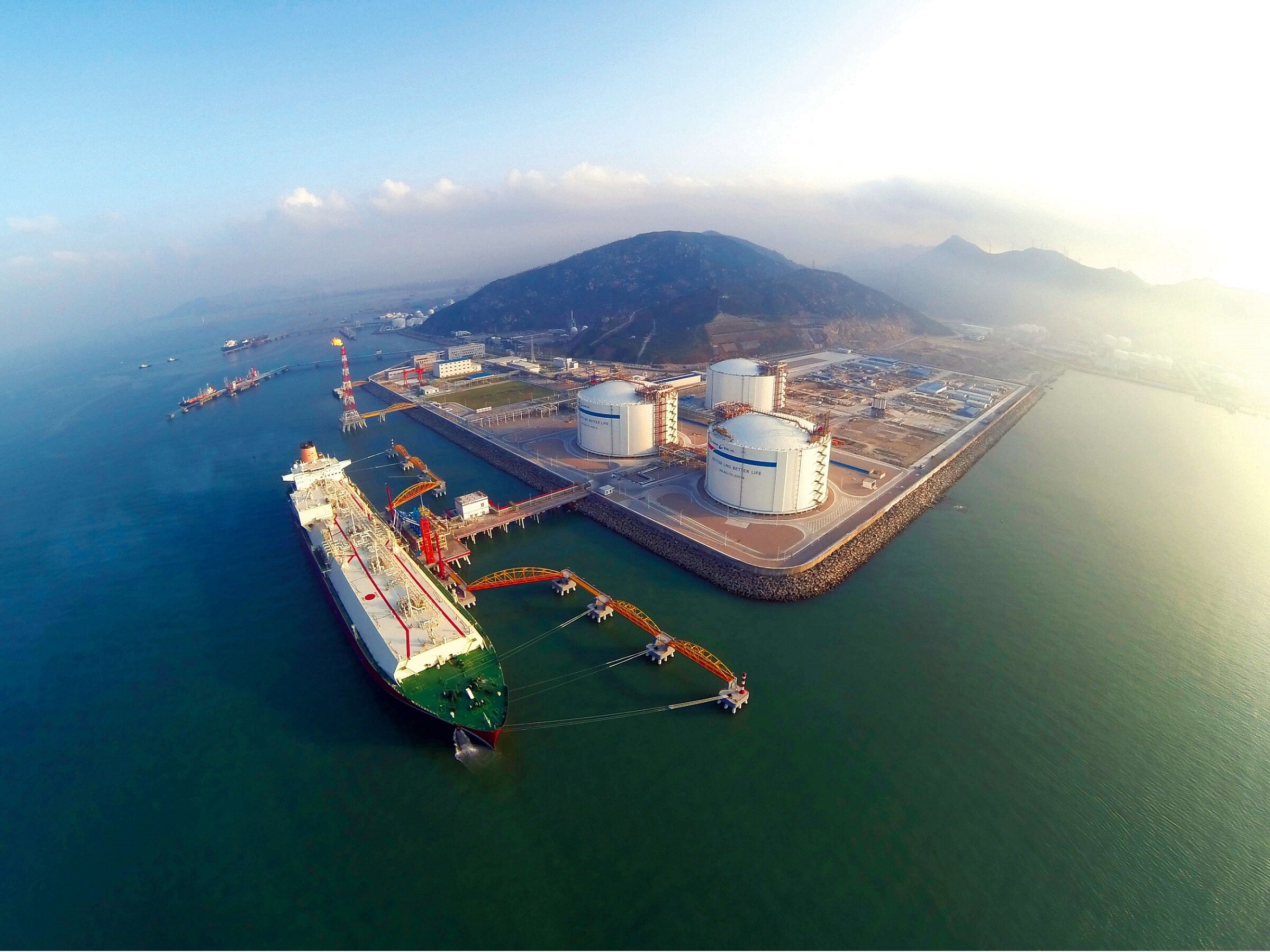
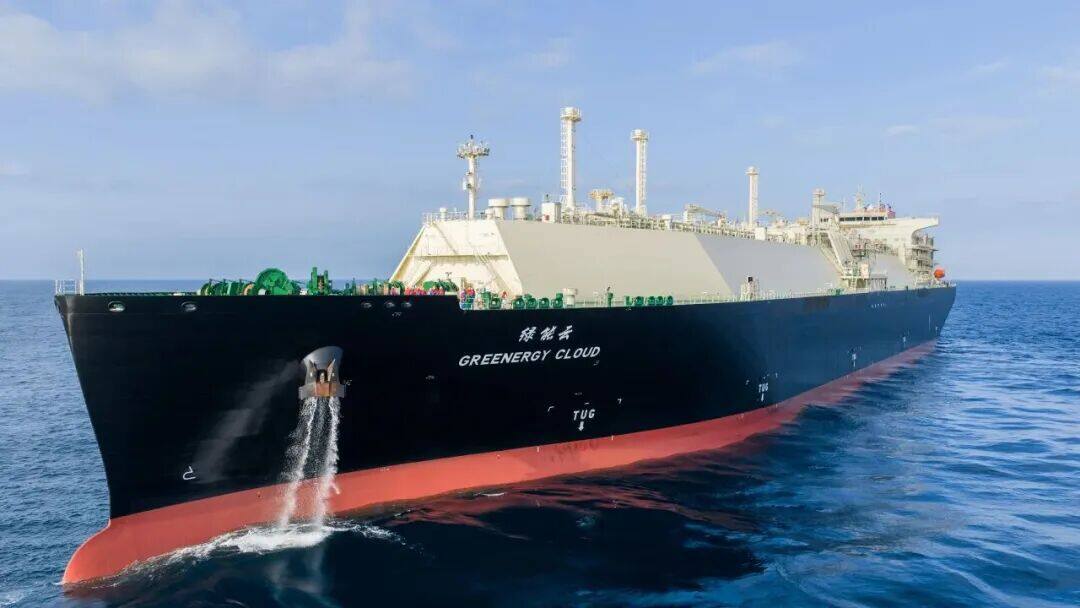
Beside the dock of Changxing Island, the sea breeze hunts. Recently, a brand new steel behemoth quietly docked, waiting for its own name. When the red silk was peeled off, the three big characters "Green Energy Cloud" appeared prominently, and the applause on site was thunderous. This is not only a new product launched by Hudong Zhonghua Shipyard, but also the final battle of the first phase of CNOOC's medium and long-term FOB resource matching LNG transport ship project. At this point, all six large liquefied natural gas transport ships with a capacity of 174000 cubic meters have been put in place, and a Chinese led offshore LNG fleet has officially taken shape, marking a milestone in China's high-end shipping industry.
Multi party collaboration improves efficiency
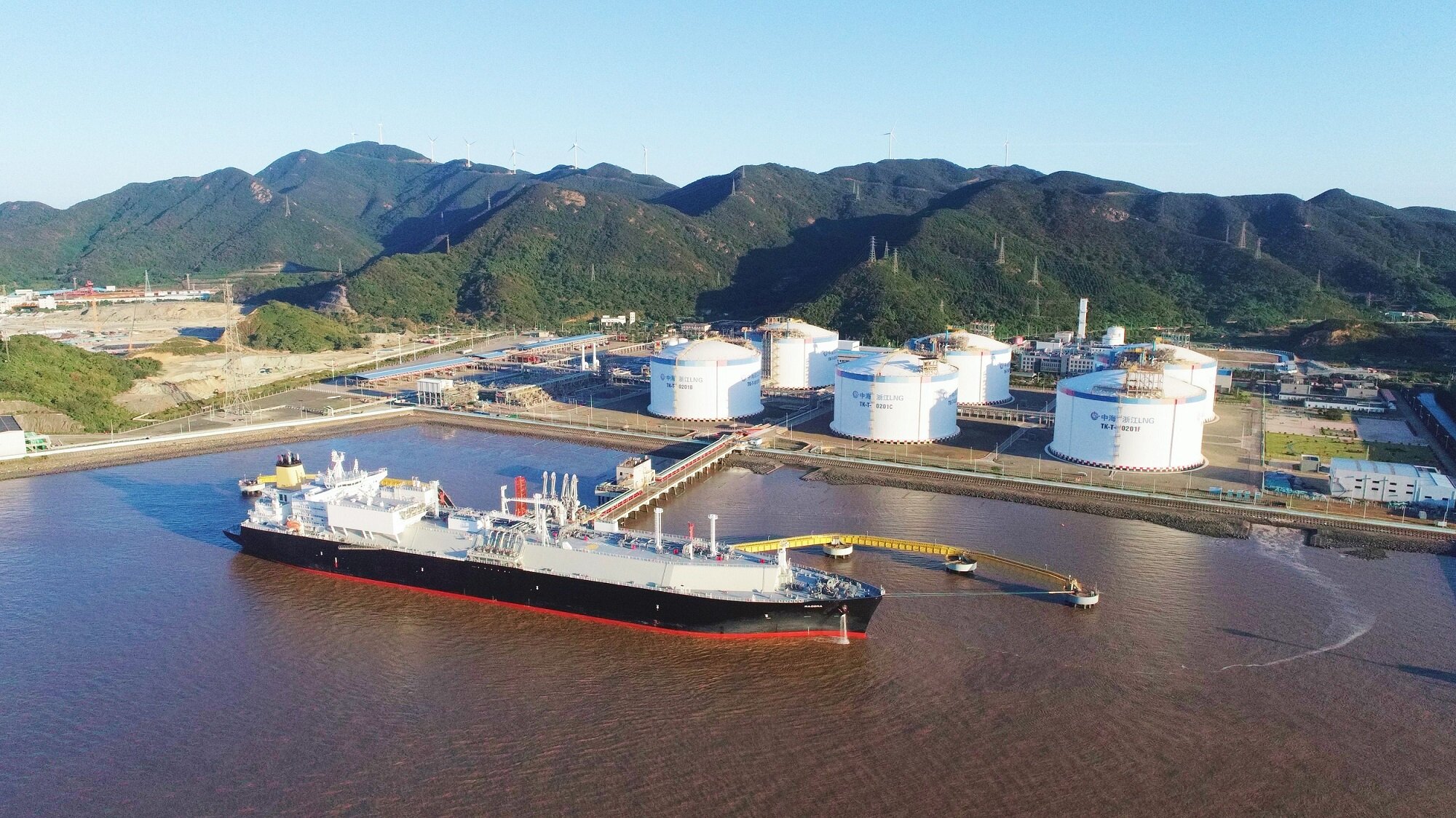
At the beginning of the project launch in 2022, CNOOC joined forces with various forces such as COSCO Shipping Energy, Mitsui International, and Hudong Zhonghua to establish an efficient ship cargo factory linkage mechanism. This deep collaboration connects the entire chain from resource trade to shipbuilding, and then to ocean transportation. In actual construction, the team continuously broke records and delivered 6 ships ahead of schedule multiple times. As of now, the 5 ships that have been put into use have completed 41 transoceanic voyages, safely delivering over 2.6 million tons of liquefied natural gas to China. Among them, the single ship performance of "Green Energy Ying" is particularly impressive, with a cumulative cargo volume of over 1.21 million tons in 19 voyages, becoming an urgent pioneer in ensuring maritime supply. Thanks to its excellent performance in low-carbon and environmental protection, this series of ships has won the Green Ship Award from the Singapore Maritime and Port Authority for two consecutive years, with tracks covering nearly 60 receiving stations in 25 countries around the world.
Technological breakthrough and breaking through monopoly
As the final project of the first phase, the "Green Energy Cloud" integrates the highest technological achievements in the current domestic shipbuilding industry. It is the first domestic ship of the same type to be classified by China Classification Society as the main classification society, and this breakthrough fills the key gaps in inspection standards and technical certification. This giant ship has a total length of 299 meters, and a full load of natural gas can meet the annual gas needs of 290000 households. In terms of core technology, it is equipped with a new generation of intelligent control exhaust gas recirculation dual fuel host, which reduces the methane escape rate by half and fully meets the most stringent international emission standards. Combined with ultra-thin Yinwa steel welding technology and optimized dual stern fin design, its comprehensive energy consumption and cargo capacity have reached the world's top level. It is worth mentioning that the indoor lighting system of the entire ship has achieved full localization coverage, which confirms the profound accumulation of Chinese manufacturing in the high-end supporting field. Once upon a time, LNG ships, aircraft carriers, and cruise ships were known as the "three pearls" of the shipbuilding industry. Now that China has broken the overseas technology blockade and its global market share has exceeded 30%, the "Changheng series" has become a well-known international benchmark.
Innovative Mode to Strengthen Supply Guarantee
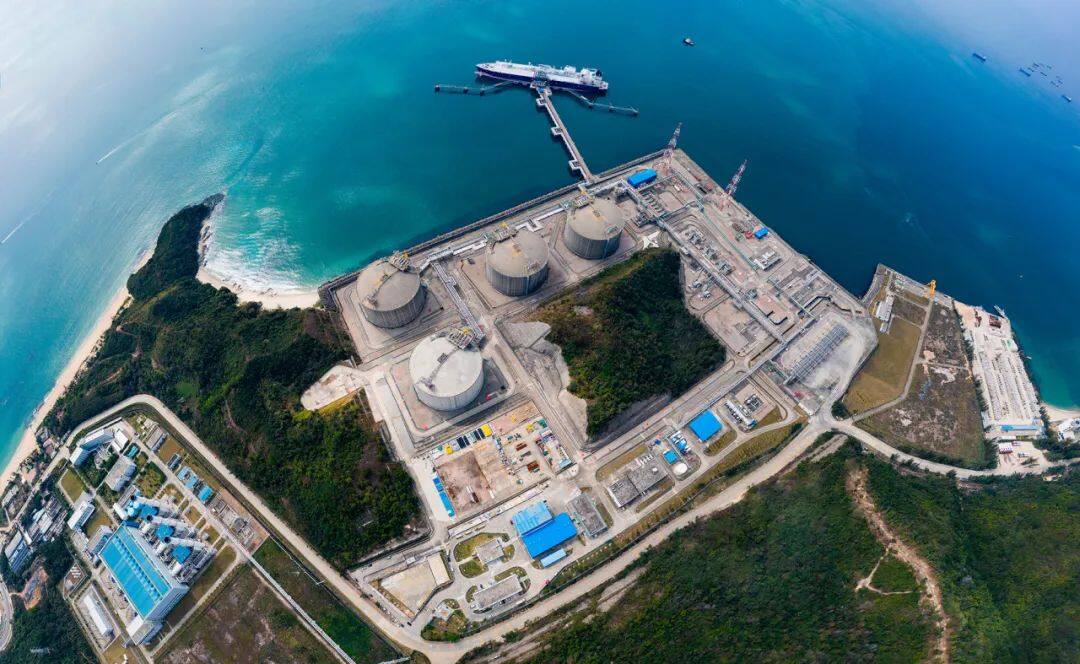
For a long time, China's LNG imports have relied on foreign parties for onshore delivery, and the shipping process is subject to human control. CNOOC innovatively introduces the FOB (Free On Board) trade model, firmly holding the initiative of transportation in its own hands. This means that companies can flexibly allocate global resources based on domestic gas consumption peaks and valleys, effectively diversify supply chain risks, and significantly enhance their international market discourse power. With all six ships put into operation in the first phase, China has added over 1 million cubic meters of autonomous transportation capacity.
At present, the six ships of the second phase project are also under intense construction, and many of them have been successfully launched and tested. Relying on this growing independent fleet, CNOOC is steadily promoting the strategy of gasification of the Yangtze River and the Pearl River, and continuously improving the national natural gas pipeline network system to provide solid support for the realization of energy security and dual carbon goals.Editor/Yang Meiling
Comment

 Praise
 Collect
 Comment

 Share
Share


Write something~