 Search


- Guinea's energy sector is undergoing restructuring, leading to a shift in the investment logic of Chinese enterprises
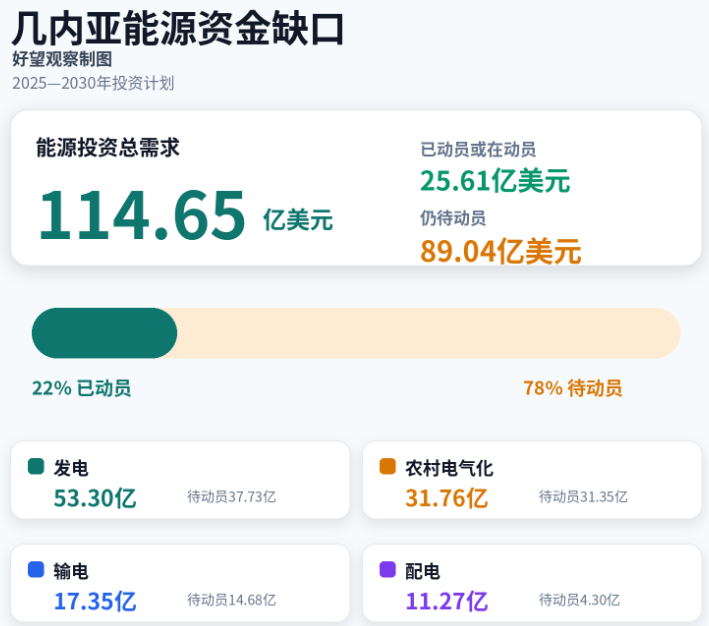
From 2025 to 2030, the overall scale of Guinea's energy projects will reach US$11.465 billion. Relying on the 300 Mission Initiative, the local government has set a hard target of achieving full electricity coverage and a 70% share of renewable energy installation by 2030. Currently, only US$2.561 billion of funds have been secured, with a funding gap of nearly US$8.9 billion awaiting external capital investment. Guinea is endowed with water tower resources in West Africa, with hydropower reserves exceeding 6,000 megawatts, and bauxite is exported to China in large quantities. Its industrial development is highly dependent on stable electricity supply. In the past, companies vied for power station construction orders, but now the underlying logic of the market has completely changed. Payment sources, electricity load, and grid connection conditions have become the primary considerations for Chinese enterprises in their layout.
The grid track is superior to the newly built power station
Guinea currently has a total installed capacity of 1,310 megawatts, with hydropower accounting for over 60%. However, hydrological fluctuations and outdated power grids have compromised the stability of power supply. A large number of hydropower and photovoltaic projects remain in the planning stage, while shortcomings in the transmission and distribution network directly hinder power circulation. The country has only 1,600 kilometers of transmission lines, and the annual growth rate of system load exceeds 10%, with multiple sections of lines operating at overload for extended periods. The construction period of the Guinea-Mali cross-border power transmission project has been postponed multiple times, and obstacles lurk in various aspects outside the power station, such as land acquisition compensation, port logistics, and cross-border settlement. Compared to long-term power station planning, supporting projects such as transformer and substation expansion, line construction, and intelligent dispatching are implemented more quickly, with greater certainty of short-term returns.
The financial risks of electric power enterprises are significant
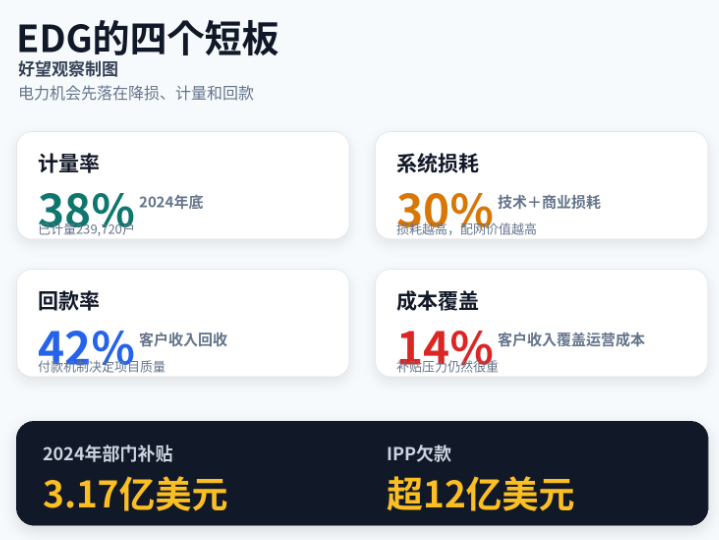
The operations of the Guinean Electricity Company have been under continuous pressure. In 2024, the overall power supply loss reached 30%, the electricity bill collection rate was only 42%, and the residential electricity revenue could only cover 14% of the operating costs. The accumulated arrears to independent power generators exceeded $1.2 billion, requiring high annual fiscal subsidies to maintain operations. The lack of metering equipment is the core crux, with less than 40% of users metered throughout the year. The World Bank funded $271.8 million to promote power expansion, and simultaneously opened up concessions for rural microgrids. Smart meters, prepaid systems, and distribution network renovation can directly reduce line losses and improve bill collection, making them low-risk projects that are suitable for Chinese enterprises to quickly build demonstration projects.
Mine load stabilizes the basic fund position
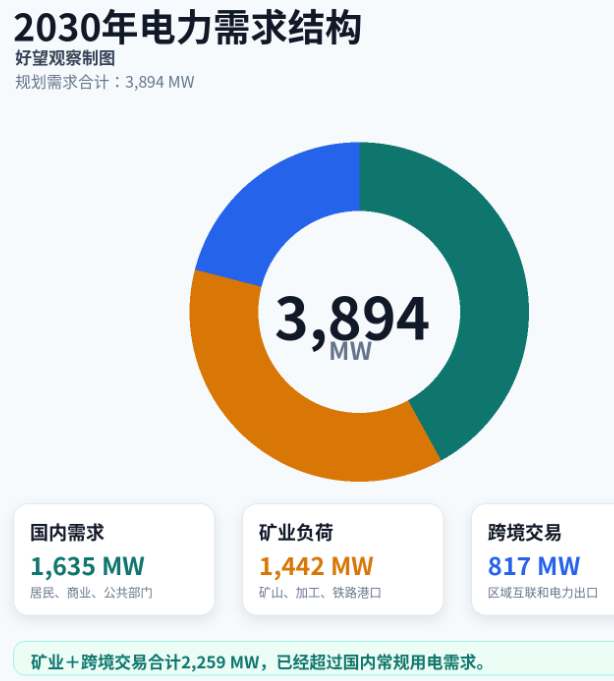
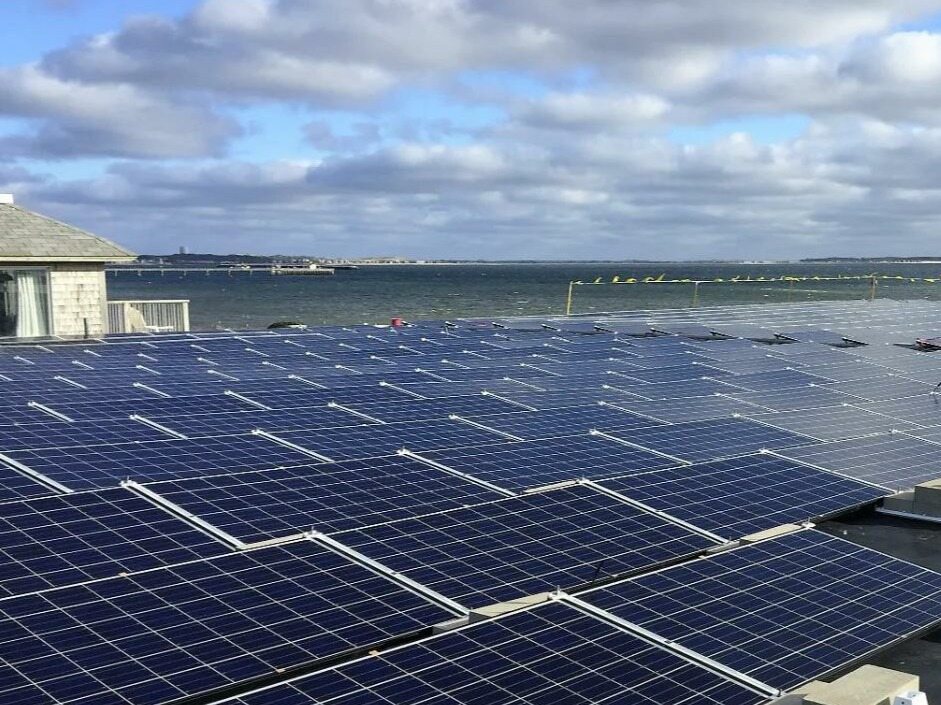
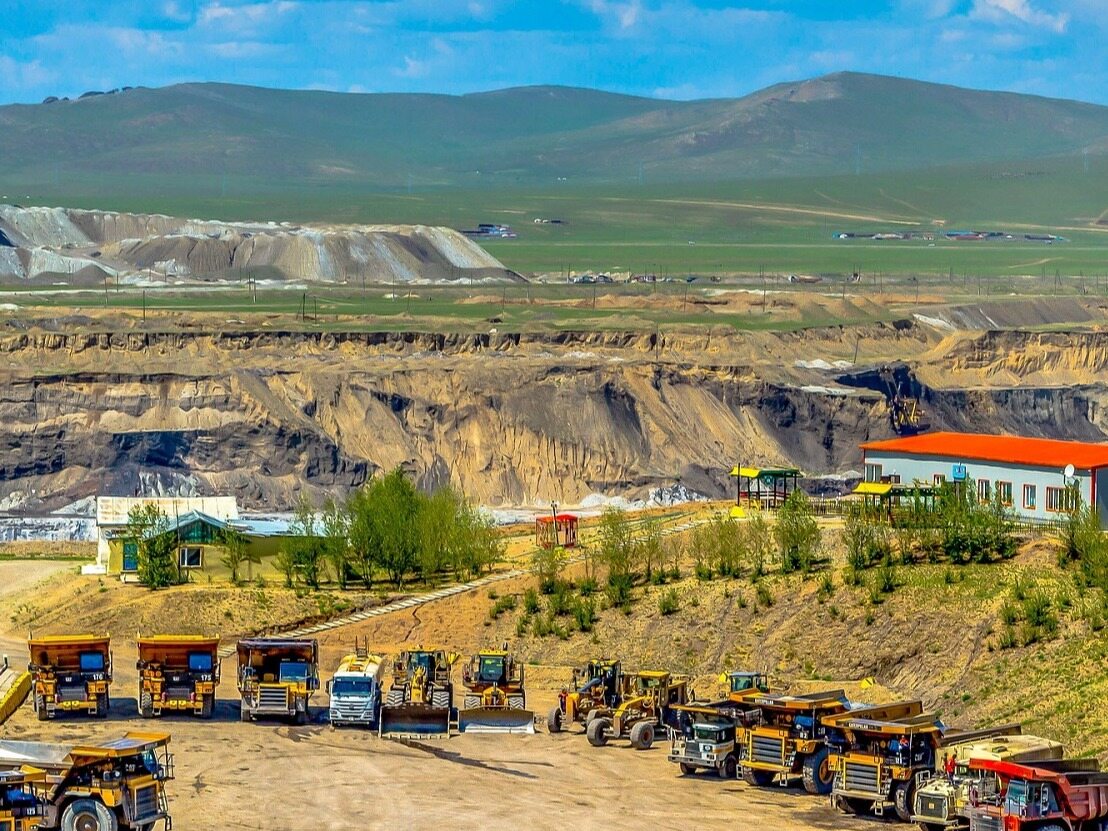
The mining industry is a core paying entity in Guinea's energy market. In 2025, the local bauxite exports amounted to nearly 183 million tons, with 74% supplied to China. By 2028, the electricity demand for mining exceeded 700 megawatts. The self-generation of heavy oil for power generation in mines is costly and highly polluting, and there is a strong demand for grid-connected transformation. Photovoltaic energy storage, self-generation of power supply, and supporting energy services for ports and railways in mining areas provide stable cash flow, and foreign currency settlement can be adopted to avoid exchange losses. The fuel storage and transportation market simultaneously presents opportunities. After the explosion at the Conakry oil depot, the local safety upgrades of storage tanks and transportation pipelines have accelerated, and the integrated solution of packaging equipment operation and maintenance and safety training has become more competitive in the market.Keywords:Guinea's energy market、Mining power supply
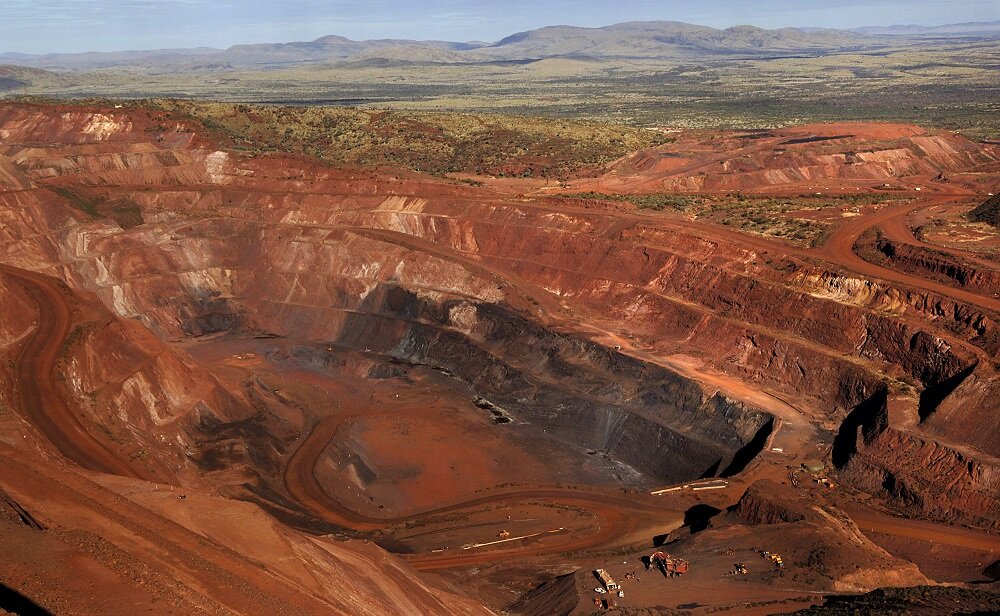
Based on the four major evaluation dimensions of the comprehensive market, Chinese enterprises should prioritize the deployment of multilateral funding support projects, energy services tied to mine load, and distribution network metering projects aimed at reducing losses and increasing efficiency. For long-term large-scale photovoltaic and hydropower projects, only long-term tracking is necessary. Caution should be exercised when participating in newly built power stations without comprehensive power purchase agreements.Editor/Min Jing
Comment

 Praise
 Collect
 Comment

 Share
Share


Write something~