 Search


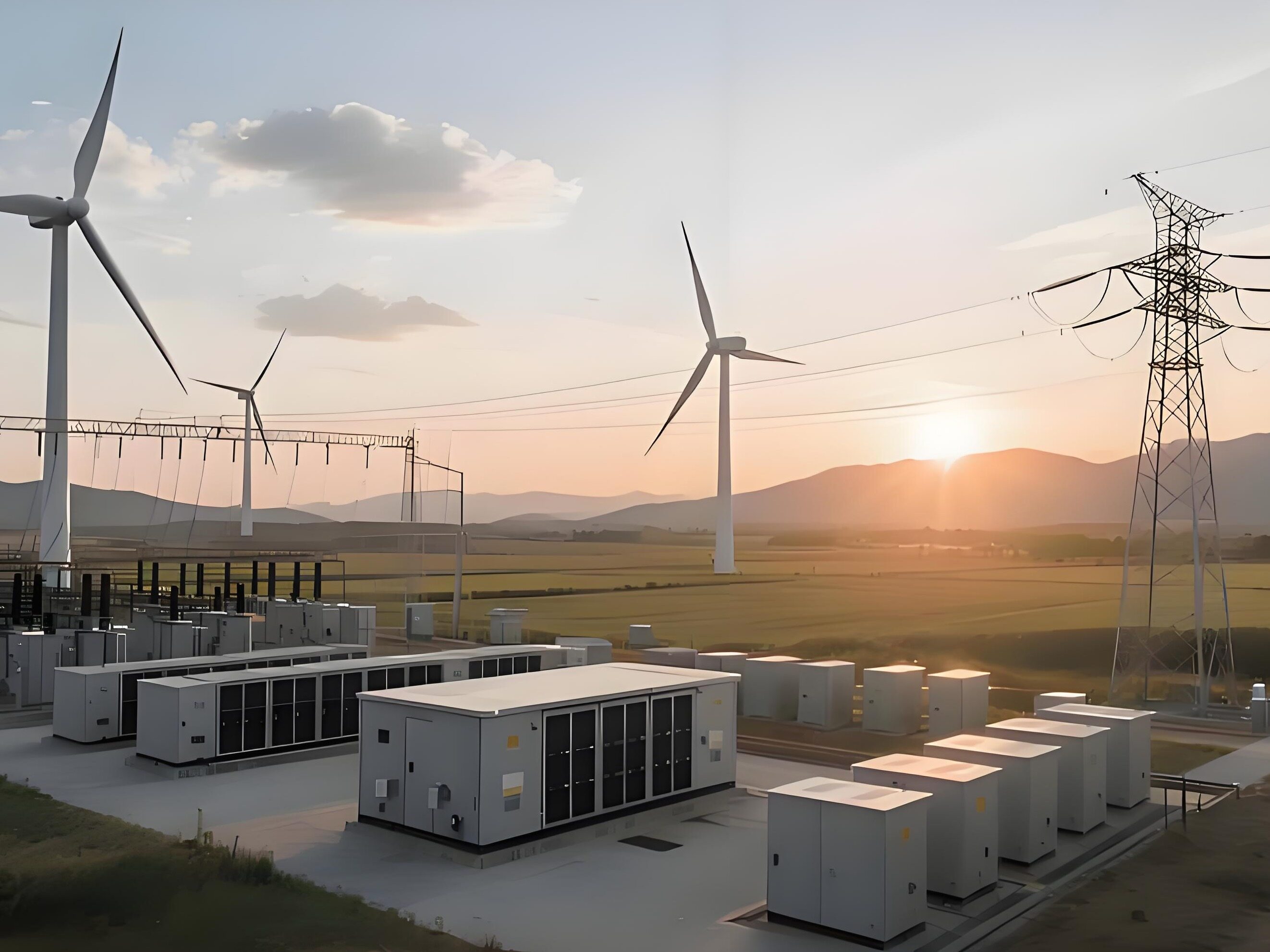
- The project's operation will assist in the peak shaving of new energy and industrial upgrading in northern Xinjiang
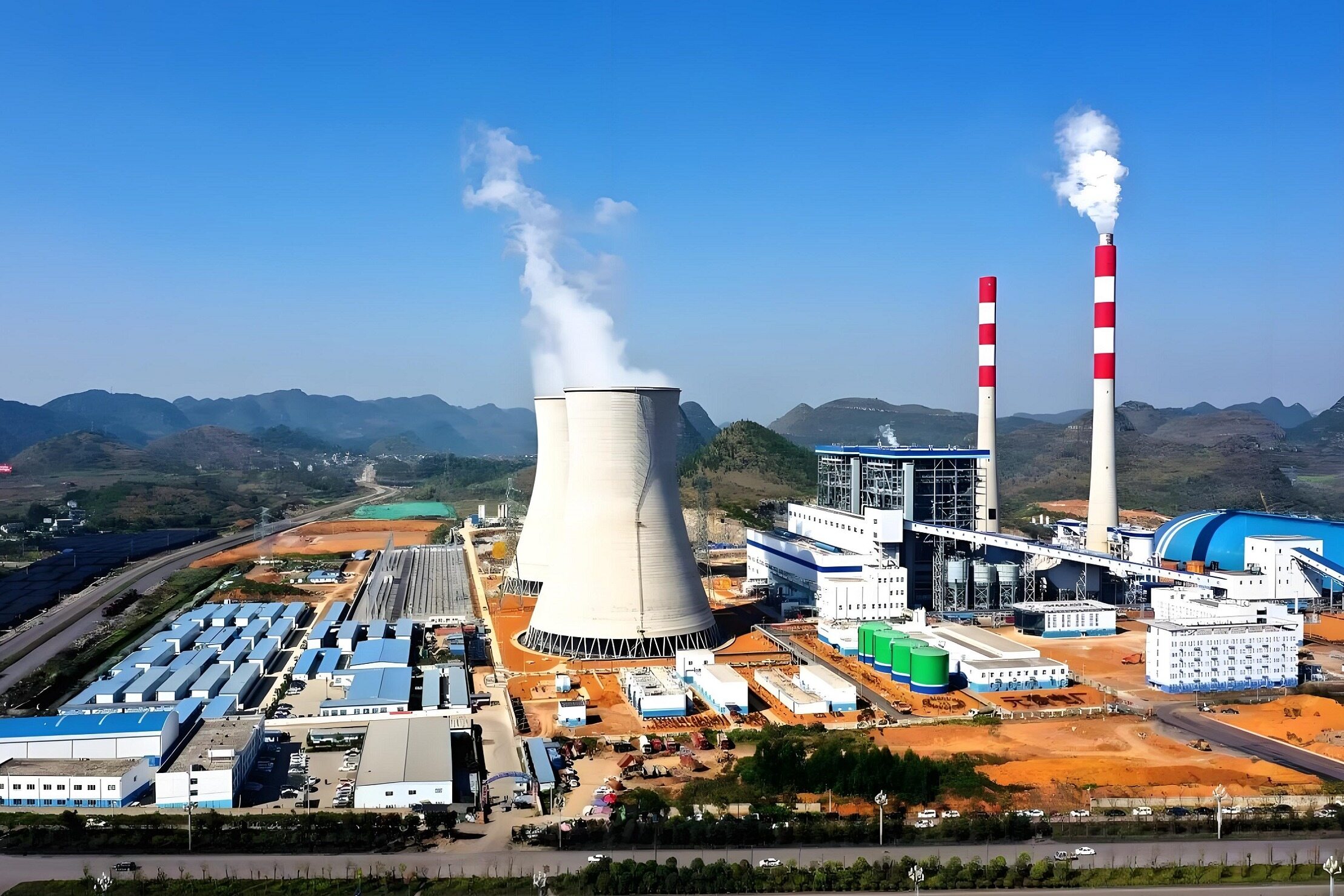
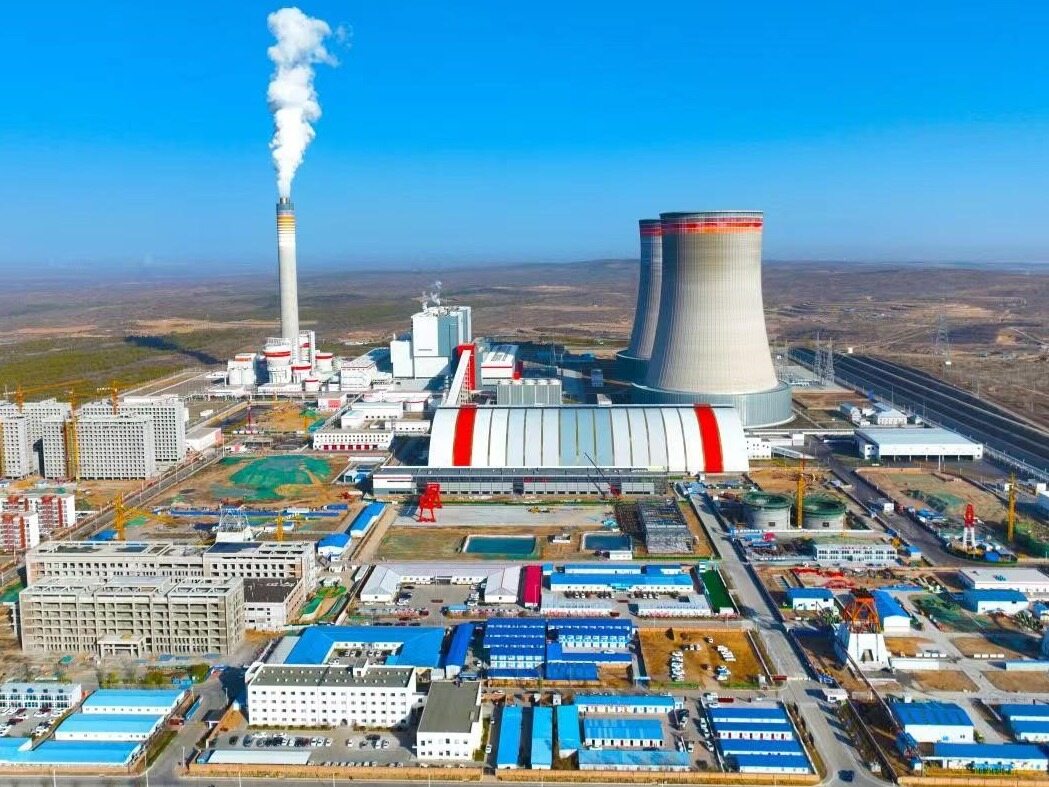
Recently, a bidding announcement has set a heavyweight coordinate for the Gobi Desert in Tacheng, Xinjiang. With the slight price advantage of the China Energy Engineering Corporation Central South Institute consortium winning, the State Power Investment Corporation's Tacheng 2 × 660000 kW coal-fired power integration project with a total investment of 5.354 billion yuan has officially sounded the charge for comprehensive civil construction.
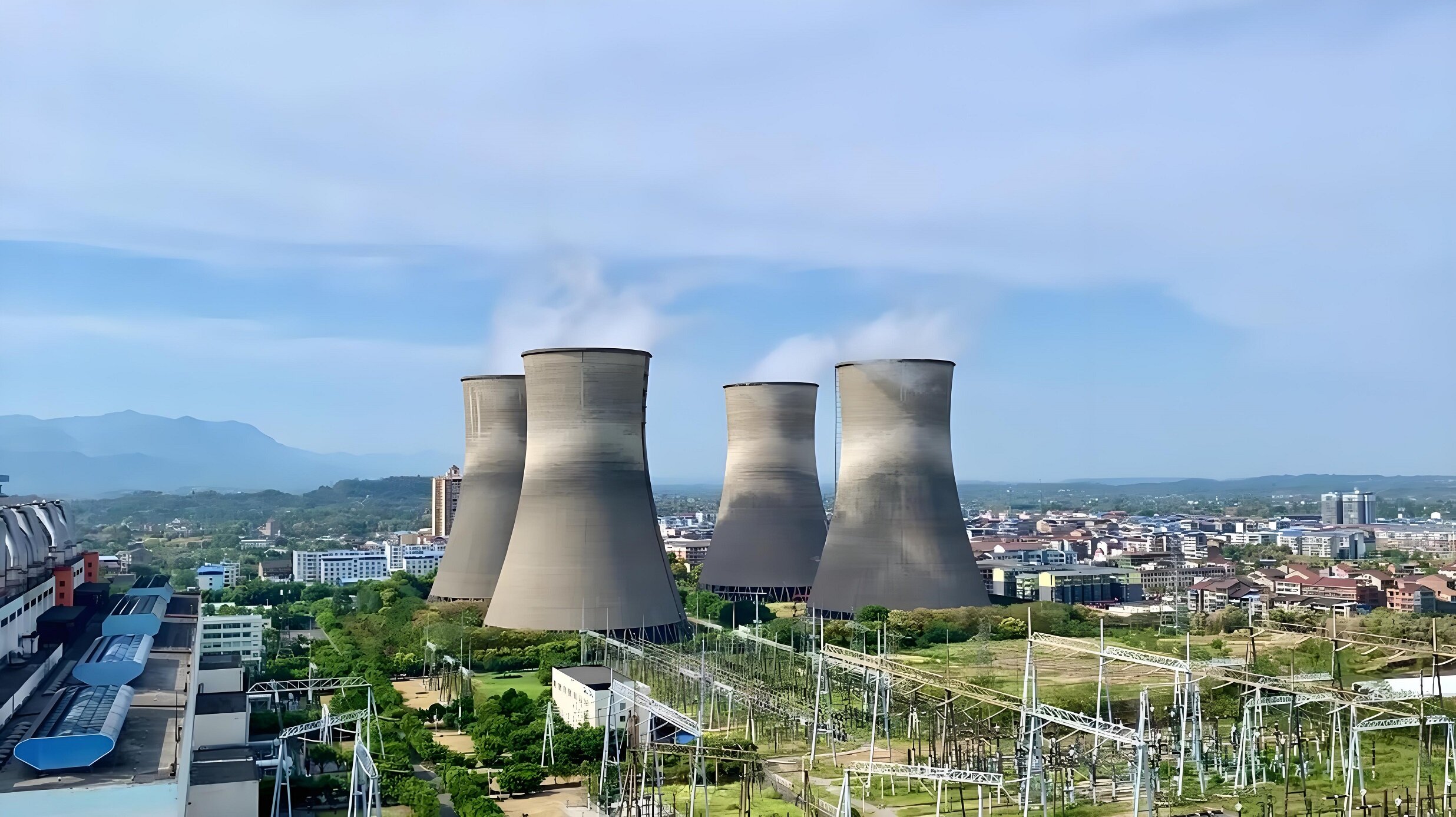
The consortium launches an attack to lock in the core section
This top-level competition in the thermal power track is not only a technical competition, but also a game of business models. Zhongnan Institute of China Electric Power Construction, in collaboration with the construction unit Zhongjing Construction, has achieved a comeback against the East China Institute consortium in the EPC general contracting bidding for the front area of the factory, leveraging the advantages accumulated in the early stage of the main project design. This 134 million yuan contract is not only a certification of strength, but also means that Zhongnan Institute will lead the brain and logistics construction of this million kilowatt power plant.
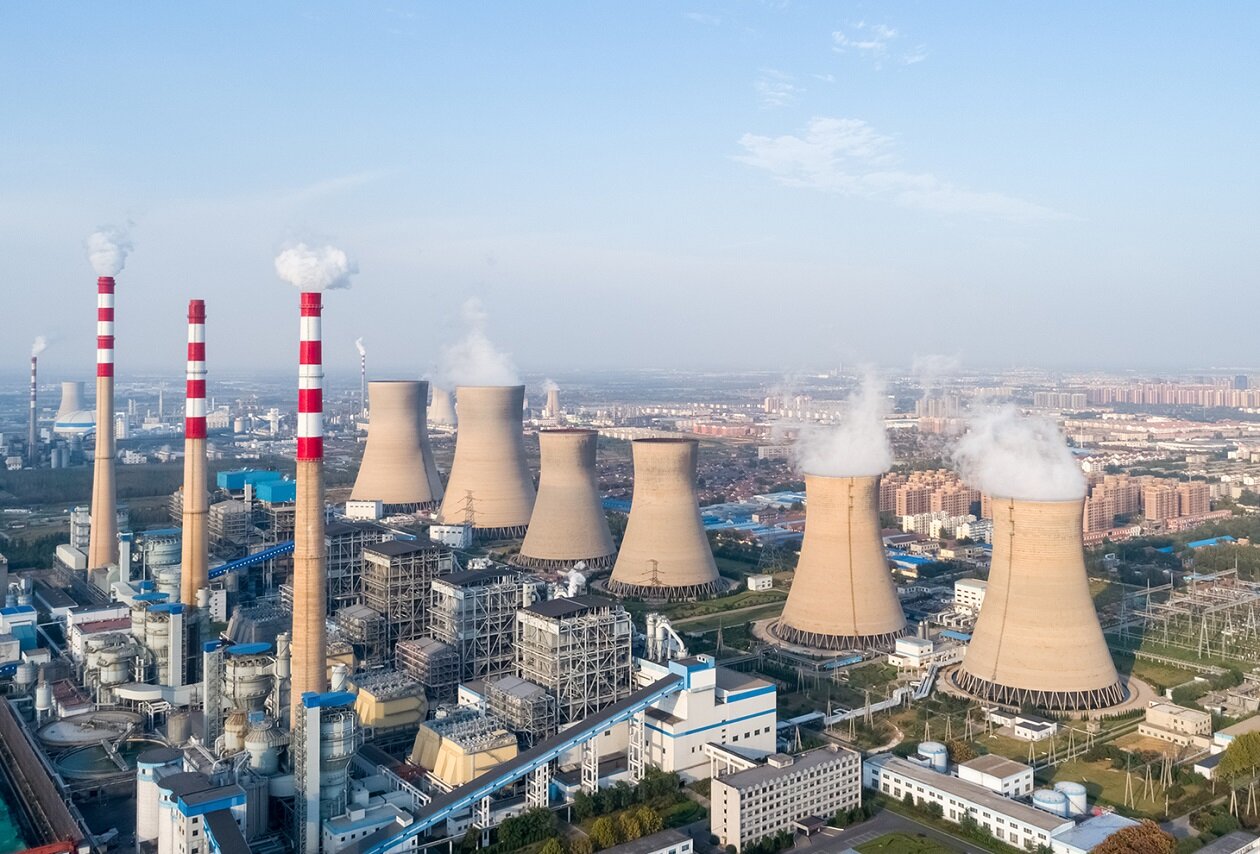
Air cooling unit solves the water shortage dilemma
The project itself is full of engineering wisdom. The two 660MW high-efficiency ultra supercritical units planned for construction adopt natural ventilation air cooling technology. This is particularly critical in Tacheng, Xinjiang, where water resources are scarce. While ensuring the huge power output of 1.32 million kilowatts, it has minimized water consumption, which reflects the adaptability and progressiveness of China's thermal power technology in extreme environments. Keywords: infrastructure news consulting, central enterprise reporting
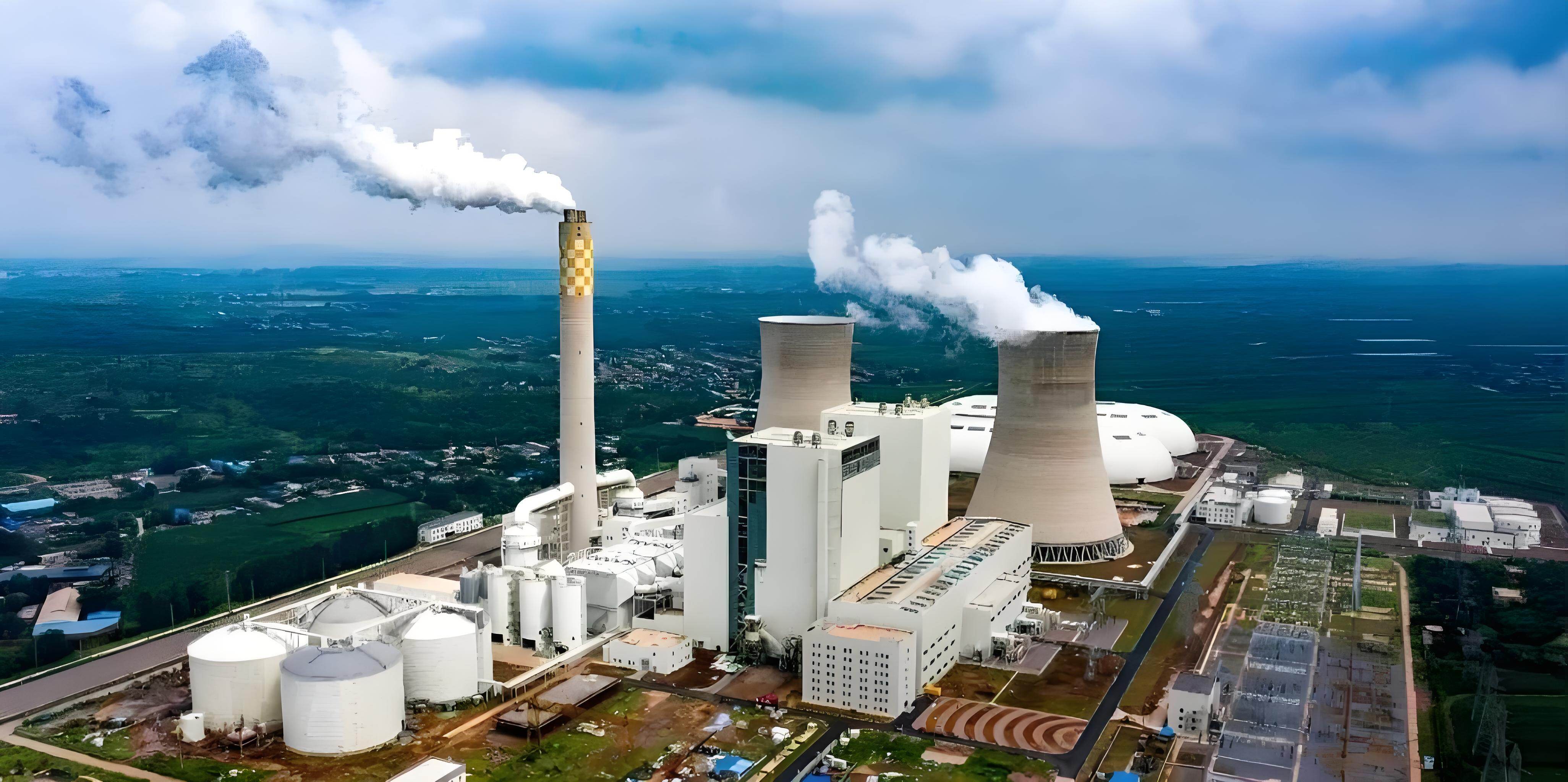
Coal and electricity provide a strong support for the scenic base
The significance of this power station goes far beyond just providing electricity. As an important supporting power source in northern Xinjiang, the project's annual electricity output of 5.5 billion kilowatt hours after operation will completely fill the power gap in the Tae Basin. More importantly, it will serve as a stabilizer and regulator, providing reliable peak shaving support for the large-scale development of wind and photovoltaic power in the local area, and paving a new path for the coordinated development of coal-fired power and new energy expansion.Editor/Gao Xue
Comment


 Praise
 Collect
 Comment

 Share
Share


Write something~