 Search


- Domestic light rail is equipped with energy-saving technology, showcasing China's advanced manufacturing level in rail transit
- Multiple Chinese enterprises collaborate to participate in the construction and fully engage in key urban rail projects in Malaysia
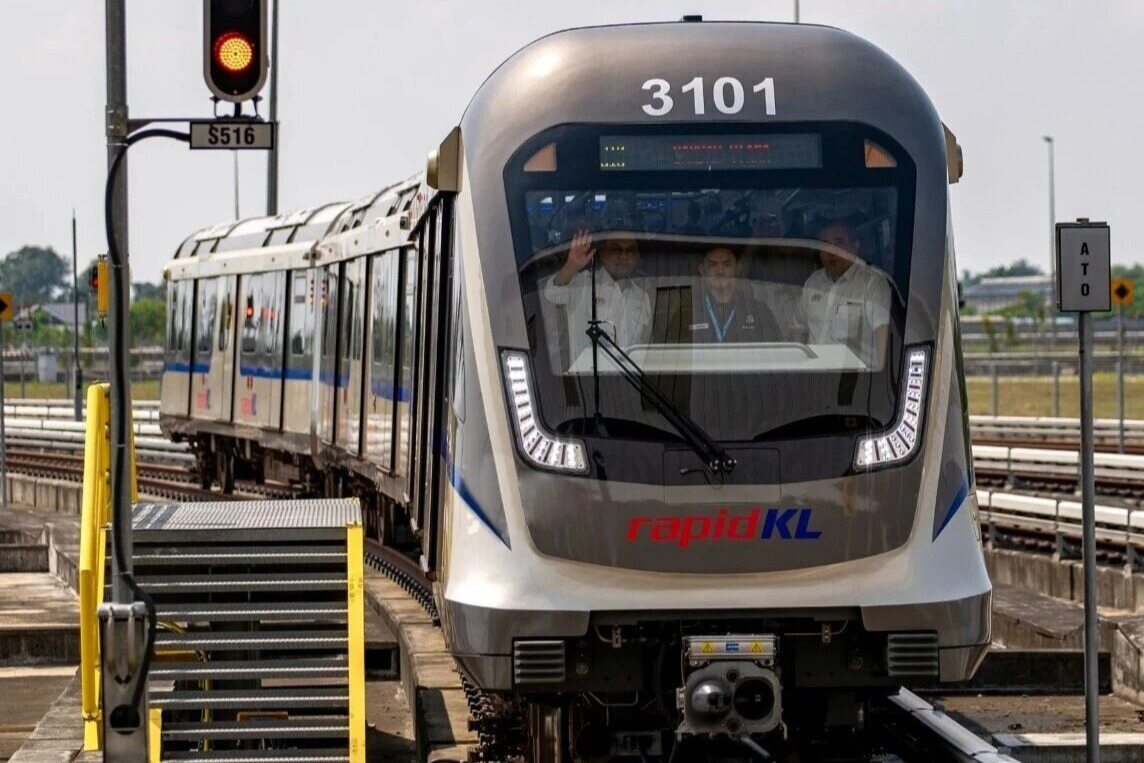
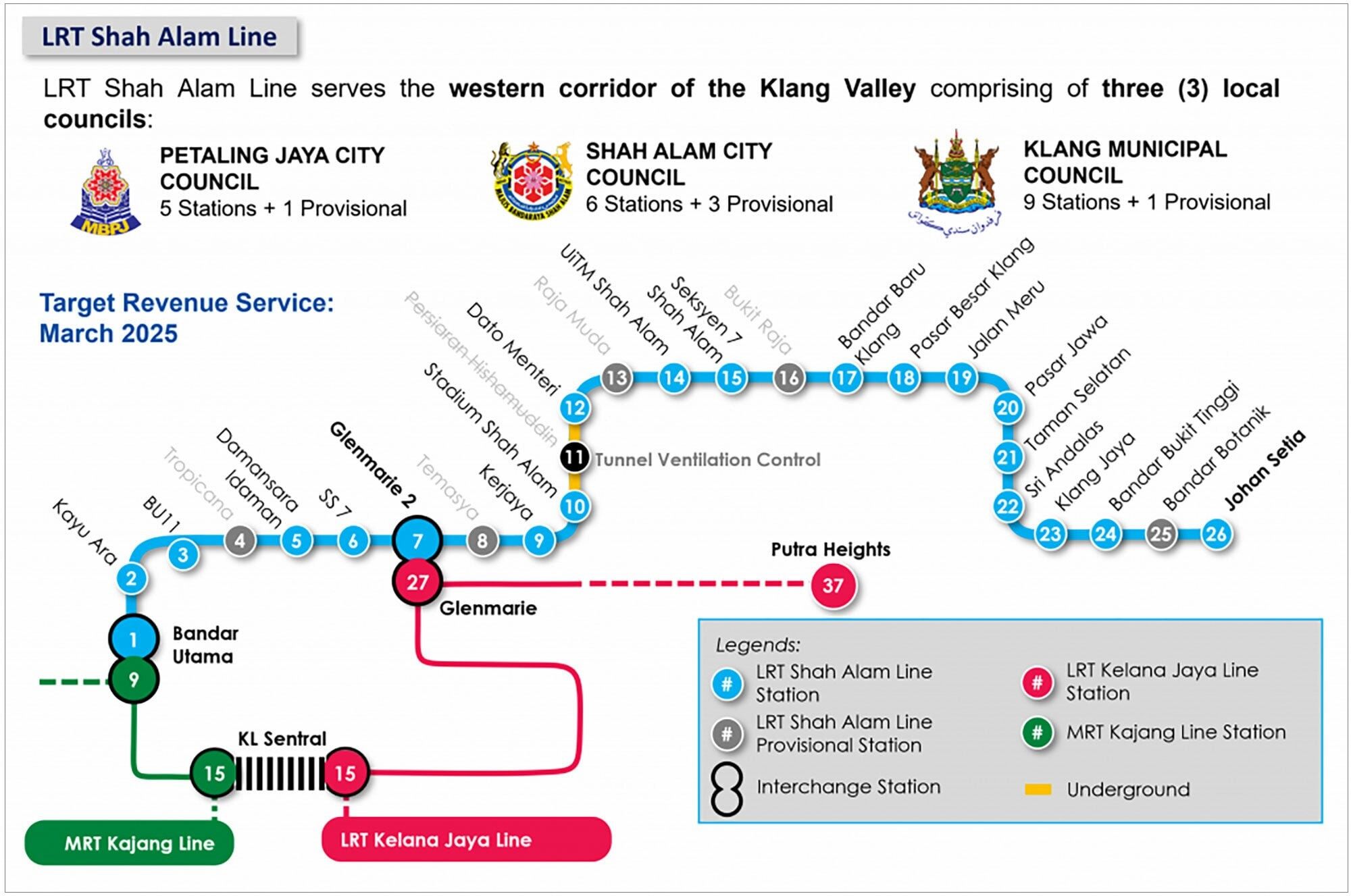
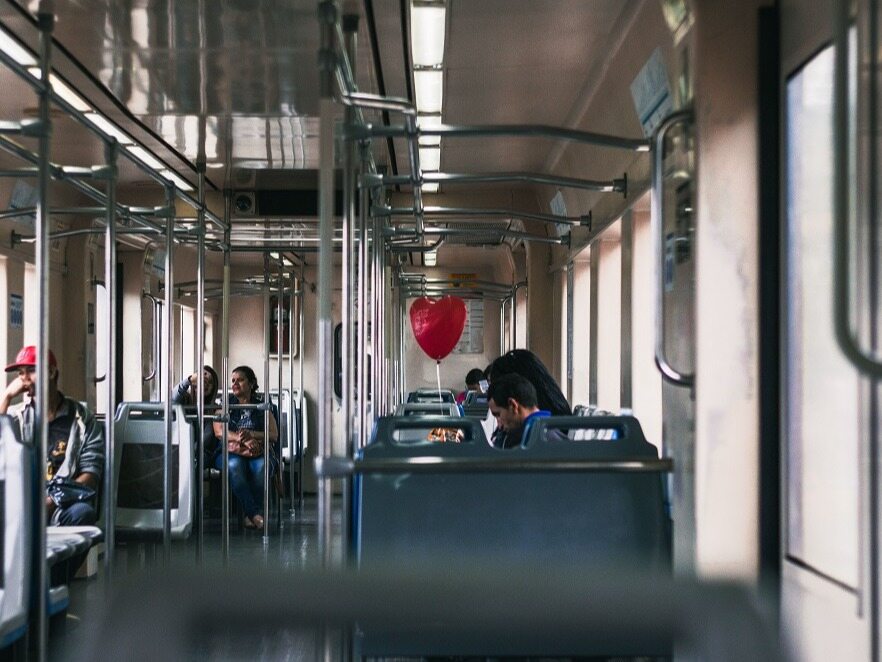
When Malaysian Prime Minister Anwar personally pressed the launch button of the LRT3 Shah Alam Line, 22 light rail trains manufactured by China Railway Rolling Stock Corporation (CRRC) rushed out of the platform like silver lightning. Inside the carriage, the variable frequency air conditioning automatically adjusts the temperature according to passenger flow, and outside the windows is the bustling skyline of the Klang River Valley - this is not only a 37.8-kilometer shuttle, but also a concentrated parade of China's rail transit hardcore strength on the land of Southeast Asia.
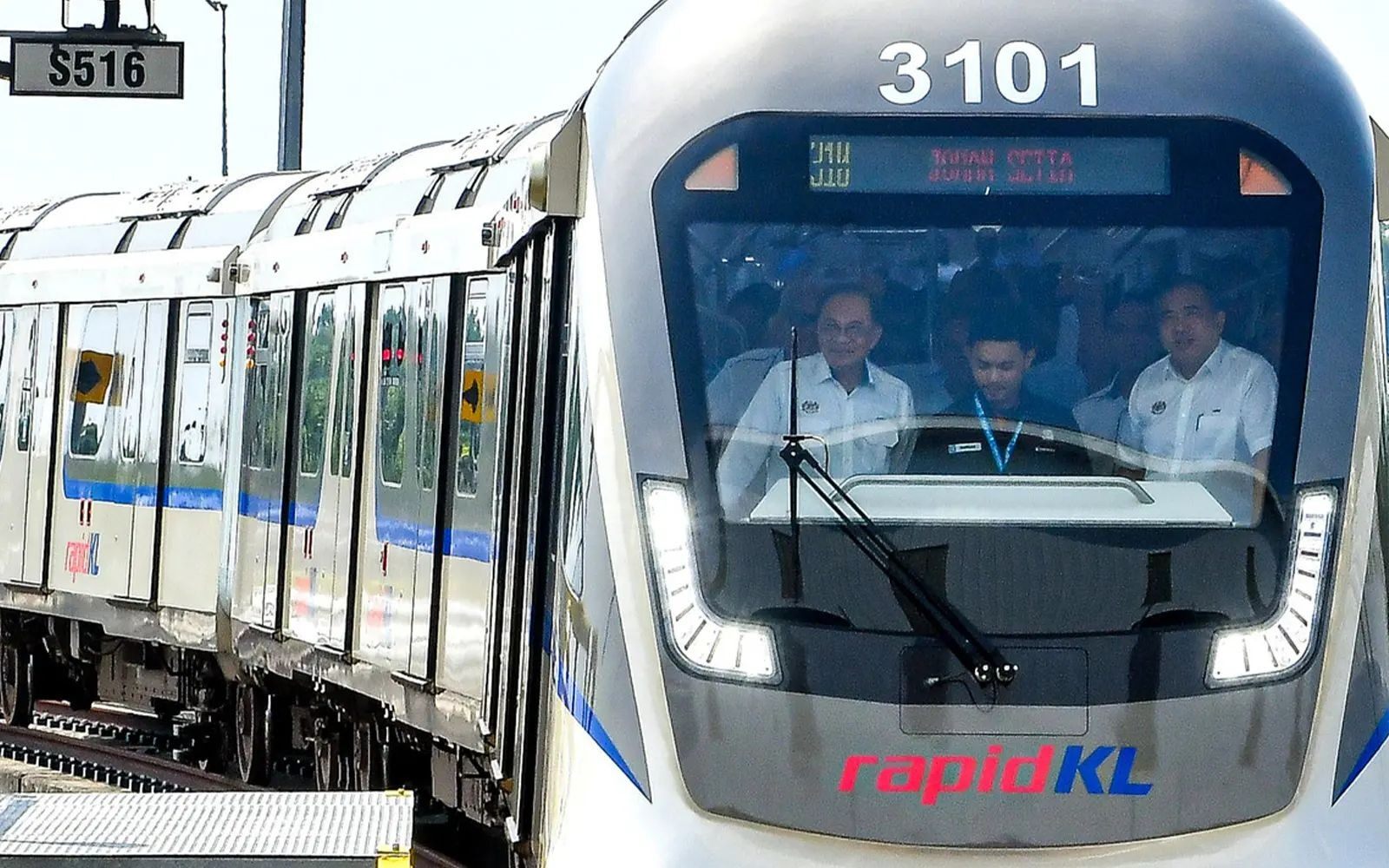
On June 28, 2026, the Malaysian Prime Minister and Minister of Transport attended the opening ceremony of the LRT3 Shah Alam Line. The total length of the line is 37.8 kilometers, running through the western corridor of the Klang River Valley, and 22 operating trains are all from CRRC Zhuzhou Locomotive and Rolling Stock Co., Ltd. Multiple domestic enterprises such as China Electric Power Construction, China Machinery Industry Corporation, Shenzhou High speed Railway, and Tunnel Co., Ltd. have undertaken core projects, showcasing China's rail transit construction and equipment manufacturing capabilities. The local follow-up plan is to purchase 7 new trains, add stations, and expand the vehicle depot, and the cooperation space between China and Malaysia rail transit will continue to expand.
China's trains have outstanding energy-saving and environmental protection performance
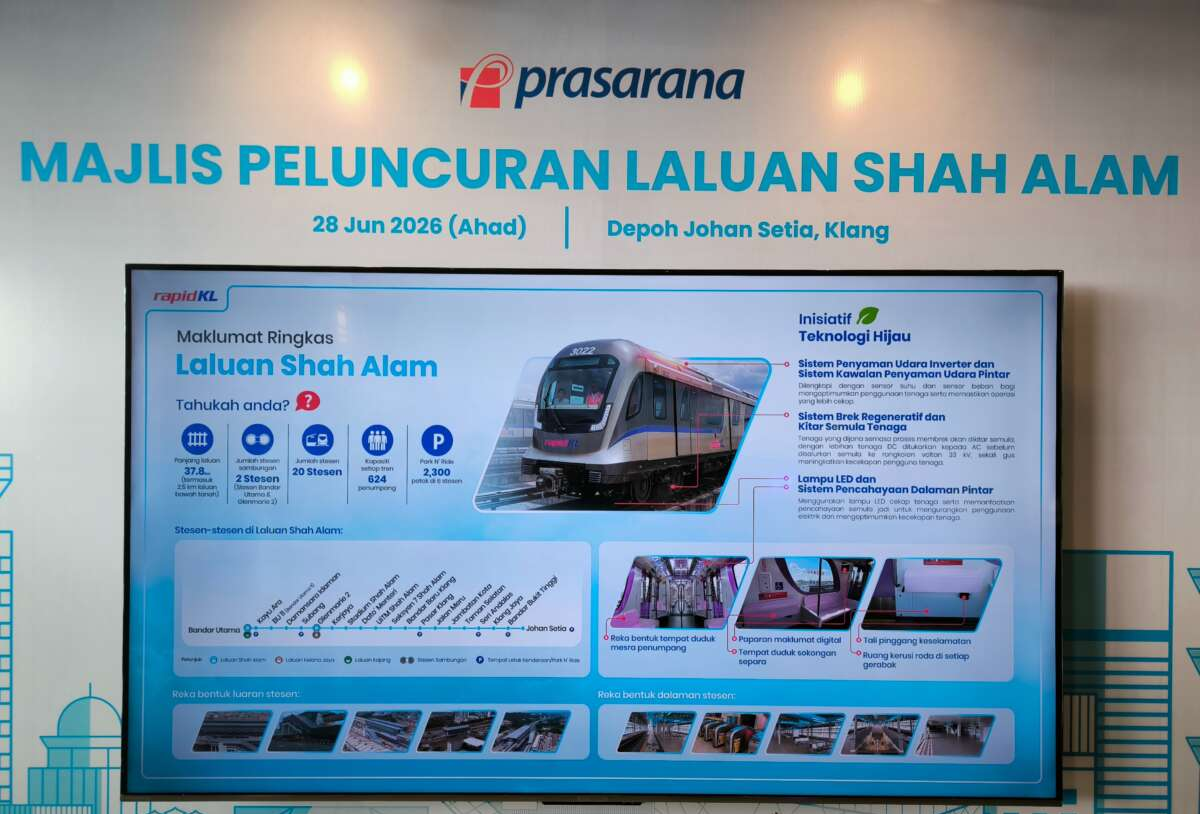
The open line is equipped with 22 sets of CRRC Zhuzhou Locomotive and Rolling Stock three car light rail trains, with a maximum operating speed of 80 kilometers per train and a maximum passenger capacity of 624 people per train. The energy-saving design of vehicles has significant advantages: variable frequency air conditioning can automatically regulate based on the number of passengers and temperature in the cabin; The whole car is equipped with LED lighting and large glass windows, making full use of natural light; Equipped with a regenerative braking system, the electric energy generated by braking is transmitted back to the power grid, achieving energy recycling and reuse.
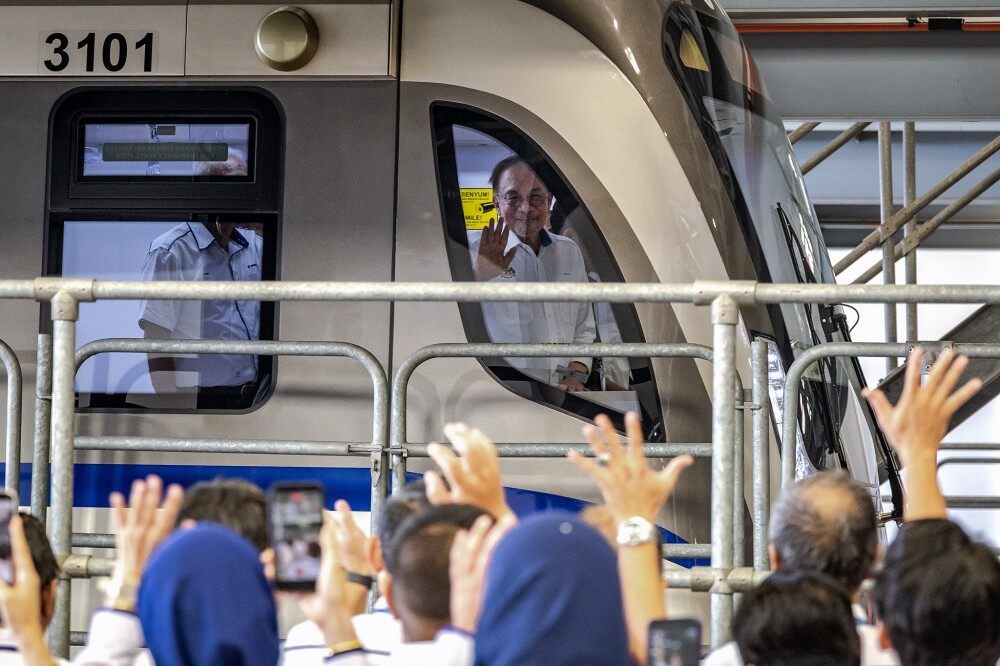
The LRT3 project is a benchmark for China Malaysia infrastructure cooperation under the framework of the the Belt and Road. It is also the sixth vehicle order of CRRC Zhuzhou Locomotive in Malaysia, and the first overseas driverless light rail line led by domestic enterprises.
Multiple Chinese enterprises divide labor and implement core projects
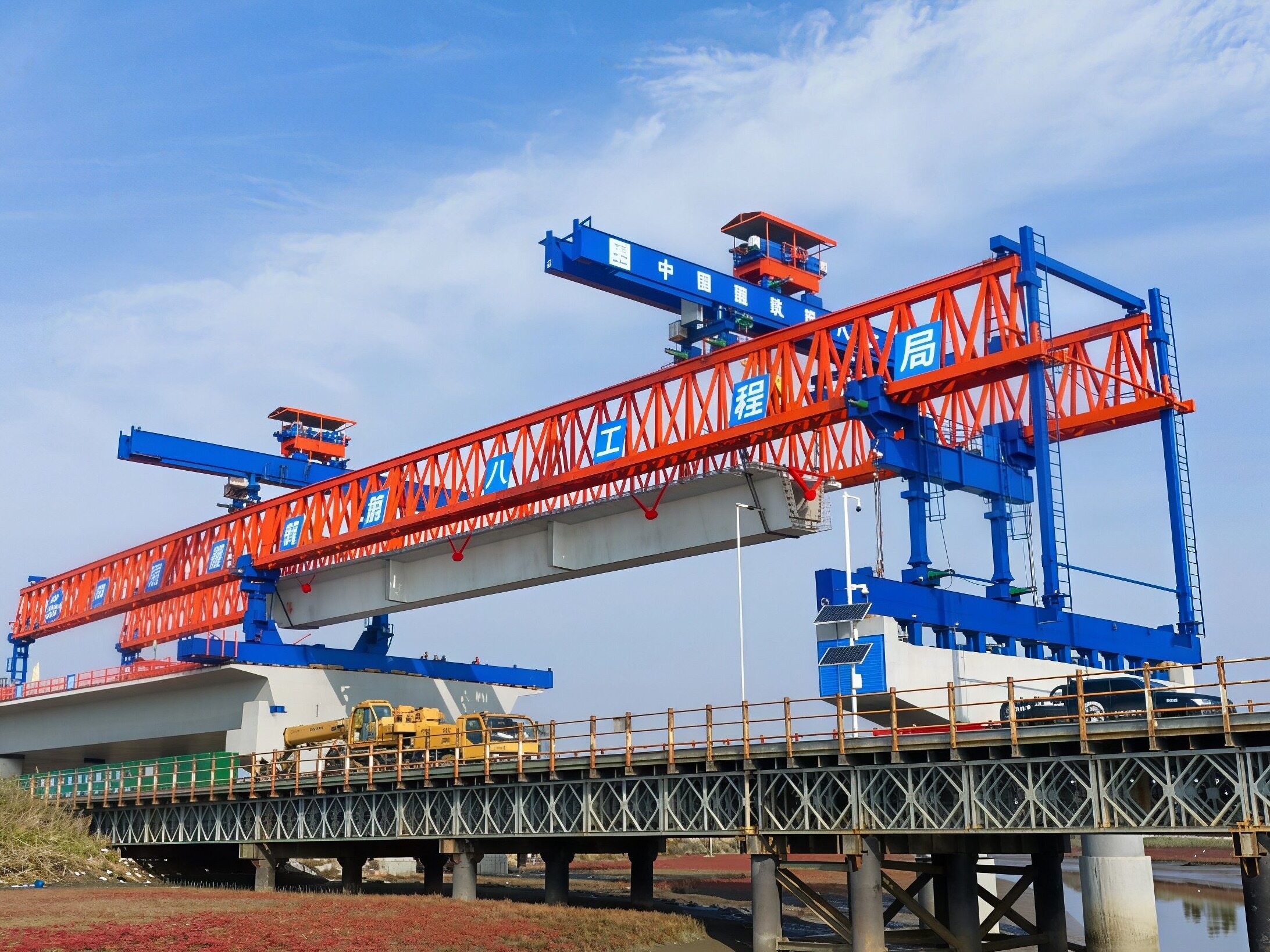
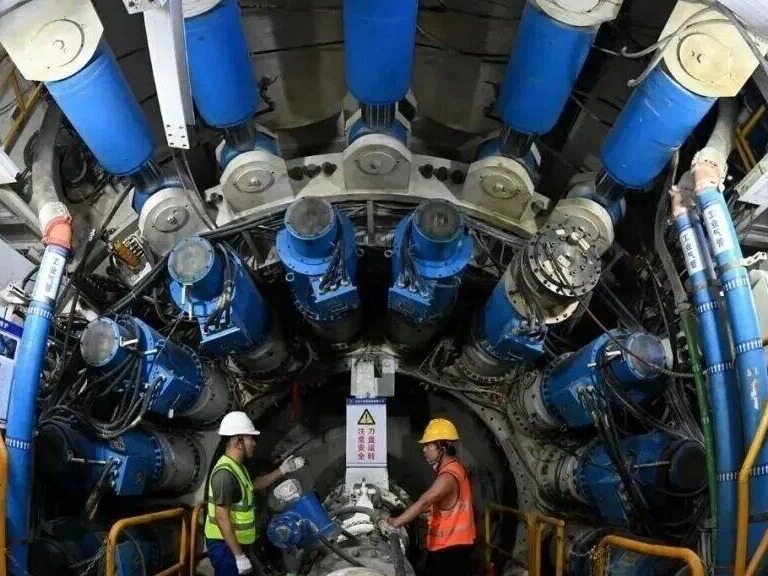
In addition to vehicle manufacturing, several Chinese companies have completed key construction tasks in their respective roles: China National Machinery Industry Corporation undertakes the construction of the vehicle depot; Supply of supporting equipment and maintenance vehicles for the Shenzhou high-speed railway depot; Tunnel Corporation is responsible for the construction of the only underground tunnel along the entire line; Shanwo International undertakes pile foundation construction; CRRC Sifang provides fixed frame car machines; China Power Construction is responsible for the foundation construction of two sections.
Malaysia has approved an additional funding of 4.7 billion ringgit to restart the construction of 5 stations that have been temporarily suspended. Construction will begin within the year, and 7 new trains will be purchased and the vehicle depot will be expanded simultaneously. By accumulating local construction experience through this project, Chinese enterprises have gained a competitive advantage in the expansion of the local rail transit network.
Line Overview and Multi party Participating Units
The LRT3 Shaannan Line has a total length of 37.8 kilometers, connecting Zohansedia and Wanda Town, with a total cost of 16.3 billion ringgit, equivalent to 4.07 billion US dollars. The route is mainly elevated, with only 2.5 kilometers of underground tunnels and 20 stations along the entire line. Two stations can transfer to the Kuala Lumpur core urban rail transit. This project is the first light rail project in Malaysia to apply the U-shaped groove prefabricated beam technology. The prefabricated components are assembled on site, shortening the construction period, reducing noise, and minimizing road interference. Keywords:Engineering Construction,Construction News,Engineering Information
The general contractor for the project is the local joint venture Setia Utama LRT3, which coordinates the overall design and construction; Subcontracting of civil engineering to multiple local construction companies; The signal and platform screen door system will be implemented by Siemens Mobility in collaboration with local enterprises; The preliminary plan and environmental impact assessment were completed by French consulting firms and local consulting firms respectively.Editor/Gong Ziwei
Comment

 Praise
 Collect
 Comment

 Share
Share


Write something~