 Search


- As global attention focuses on the 2026 World Cup, Mexico is quietly starting another tough battle
- Photovoltaic power is becoming an invisible contributor to safeguarding the lights of sports events and the trillion dollar economy
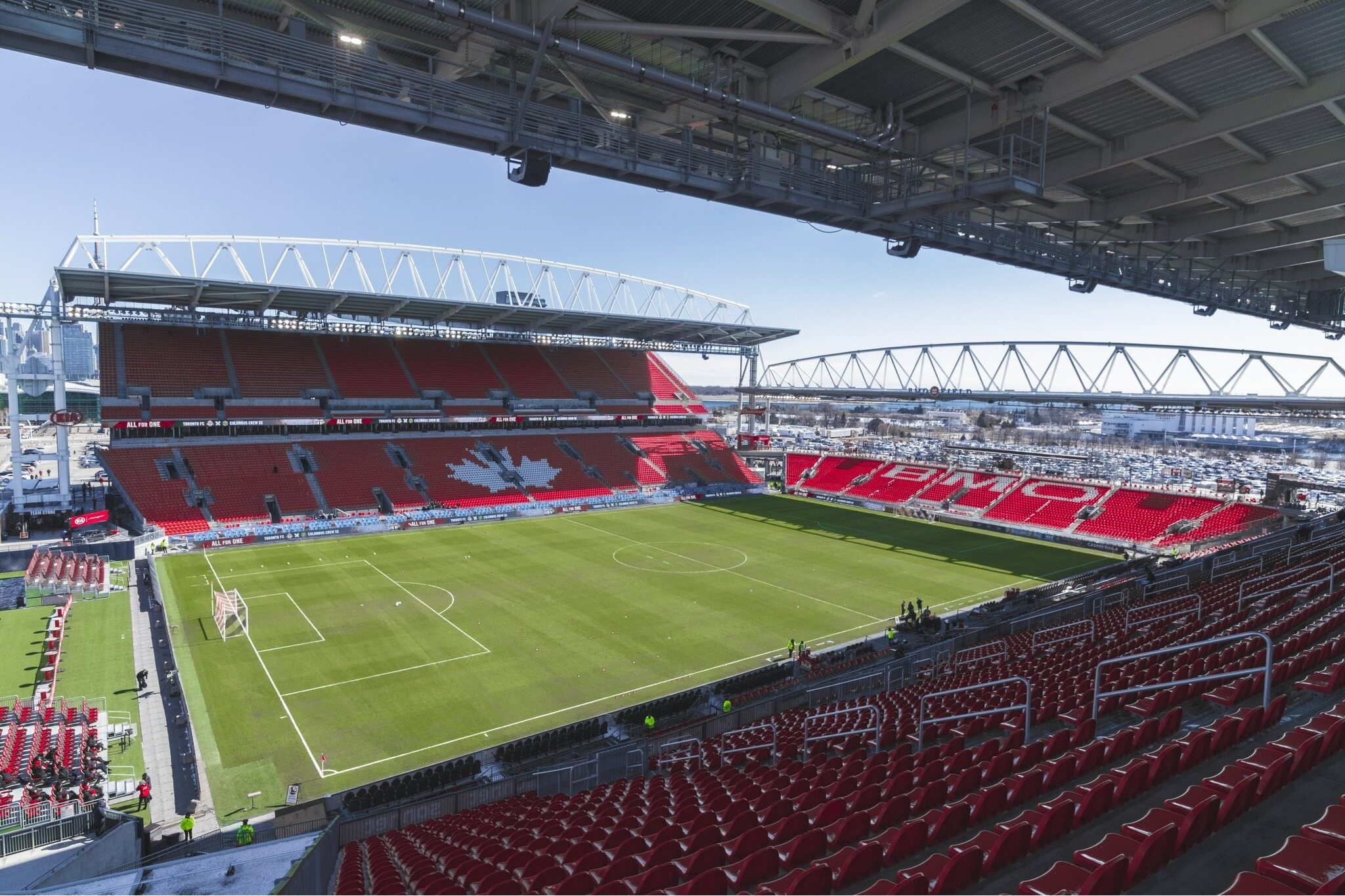
The whistle hasn't sounded yet, and a battle of light has begun outside the green field. For Mexico, this is not just a feast for football, but also an extreme stress test for the national energy system. Behind the cheers of millions of fans is the harsh reality facing the National Electric Power System (SEN): the National Energy Control Center (CENACE) predicts that peak electricity demand during the event will soar to about 54 gigawatts, setting a historic high.
This torrent originates from the three major home cities of Mexico City, Guadalajara, and Monterrey, and combines the huge energy consumption of residential electricity, manufacturing operations, and World Cup venues, airports, hotels, and broadcasting centers during the summer.
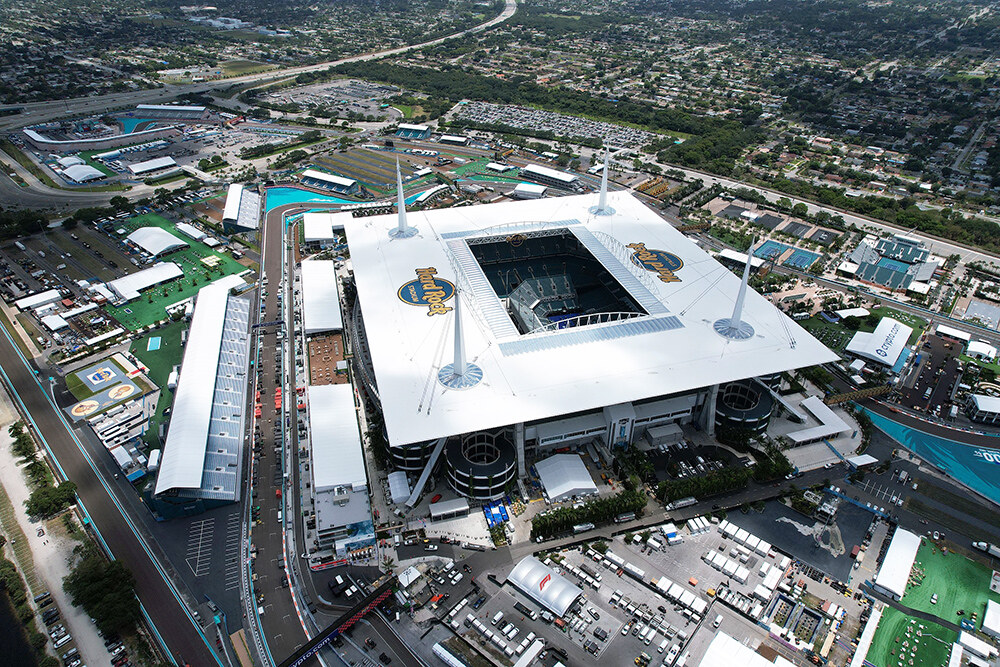
54 gigawatts of ultimate challenge
This power defense battle is about real money and silver. Deloitte estimates that the World Cup will inject approximately $4.05 billion in economic growth into Mexico. However, data from the National Manufacturing and Export Manufacturing Council (INDEX) sounded the alarm: a one hour power outage resulted in manufacturing losses of up to $200 million. The lessons of 2024 are still in front of us. According to Canacintra's statistics, the power outages that year have caused an average decline of 4% in sales for related industries, accompanied by heavy bills of equipment damage and logistics delays.

Now, the World Cup will overload these three major economic engines for 39 consecutive days. To this end, the Department of Energy (SENER), the Federal Electricity Commission (CFE), and local authorities have formed a special coordination team to carry out grid diagnosis, preventive maintenance, and 24-hour monitoring of key assets, making every effort to strengthen the power supply defense line.
The Green Revolution of the Stadium
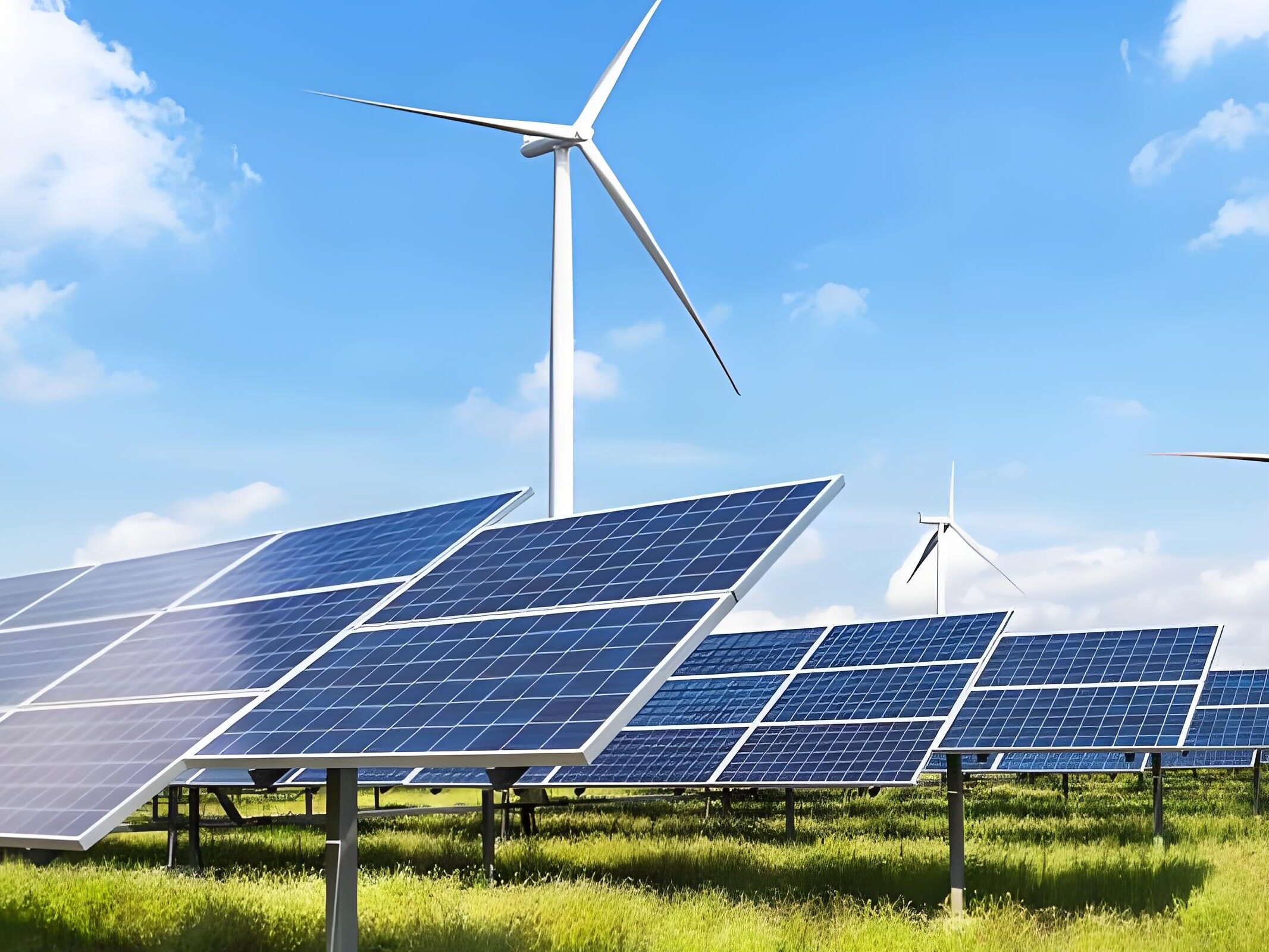
While addressing challenges, the World Cup has also become an excellent window for Mexico to showcase its energy transition. This competition will be remembered for its high integration of renewable energy. Among the 16 venues, 12 are equipped with advanced photovoltaic systems, and over 11500 solar panels are installed here. In Guadalajara, Akron Stadium leads the way with an installed capacity of approximately 180 kilowatts and an annual power generation of 260 to 280 megawatt hours. Expansion plans have been put on the agenda, aiming to create a new benchmark for sustainable venues in Latin America.
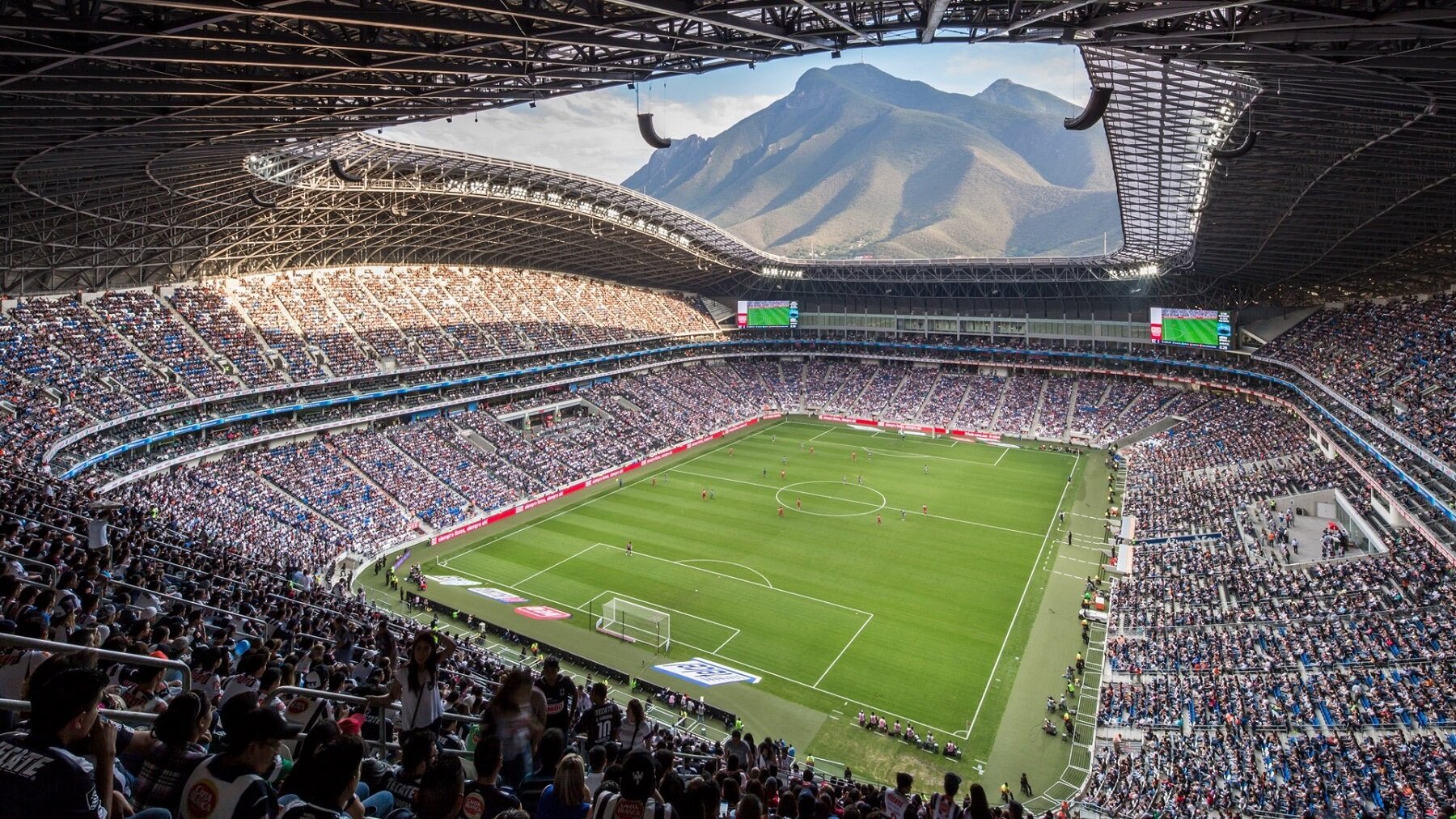
The Aztec Stadium in Mexico City, a legendary World Cup venue, made a stunning debut with LEED Platinum certification. Through the renovation of air conditioning and lighting systems, energy consumption has been reduced by 45%. The BBVA stadium in Monterey also performed well, reducing electricity consumption by about 30% with full LED lighting. Photovoltaics, once a peripheral role, has now stood at the center of the stage.
Resilience upgrade of power grid
The green transformation of sports stadiums is certainly commendable, but isolated energy conservation cannot sustain the overall situation. The Mexican Federal Electricity Commission (CFE) is well aware that only a strong power grid can hold up this grand event. They are simultaneously advancing a grand modernization plan that covers 58 transmission projects, aiming to weave a more resilient and efficient power network. This is not only to meet the instantaneous impact of the World Cup, but also to absorb clean energy such as wind and solar energy in the long run.
With the surge of offshore outsourcing, the demand for electricity in industrial towns continues to rise, and upgrading the power grid is urgent. From the nearly 4-megawatt comprehensive power generation capacity of the Lincoln Financial Center in Philadelphia to the clean hydroelectric power of BC Place in Vancouver, the North American continent is collectively "charging" for the World Cup. When the final is held under the iconic "solar ring" at the Metropolitan Life Stadium in New Jersey, what people will see is not only the birth of the champion, but also a new story about energy resilience and sustainable development. In this game, stable current and brilliant goals are equally important, together defining the true quality of the 2026 World Cup.Editor/Yang Meiling
Comment


 Praise
 Collect
 Comment

 Share
Share


Write something~