 Search


- Central Asia Aluminum Double Base Boosts the New Pattern of the Belt and Road Capacity Cooperation
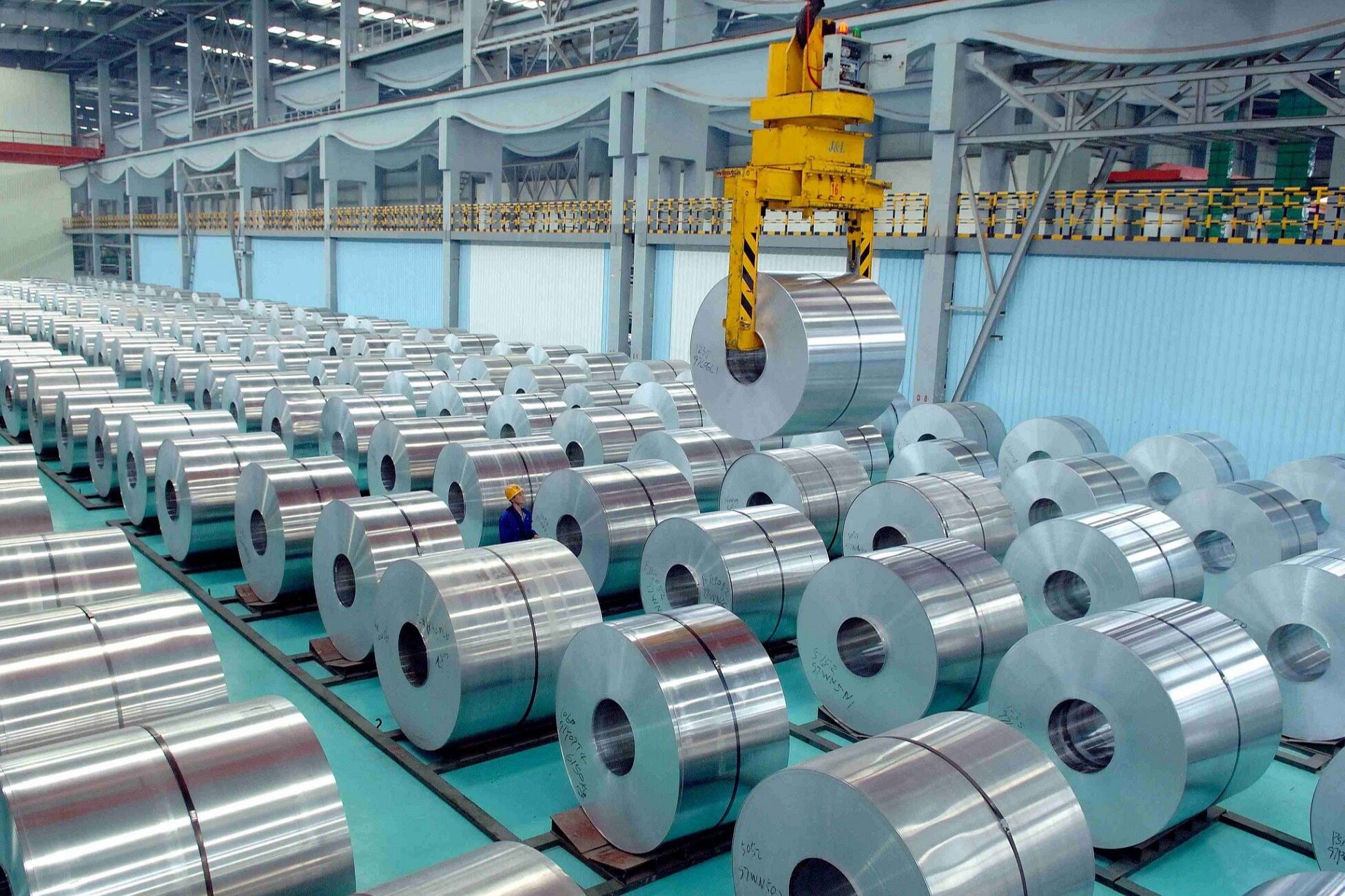
On June 27-28, 2026, the special plane of the Abay Oblast government delegation of Kazakhstan landed on Chinese soil. During the intensive two-day trip, executives from Wanjiang in Inner Mongolia, Jiachen in Liaoning, Sanbao Consortium in Xinjiang, and Huaxia Dongyin DDS Group successively stepped onto the signing stage. With the signing of three cooperation memorandums with a total investment of up to 4 billion US dollars, a big drama about the global restructuring of China's aluminum industry has quietly begun at the core node of the Silk Road Economic Belt.
Green electric aluminum chain settled in Abai Prefecture
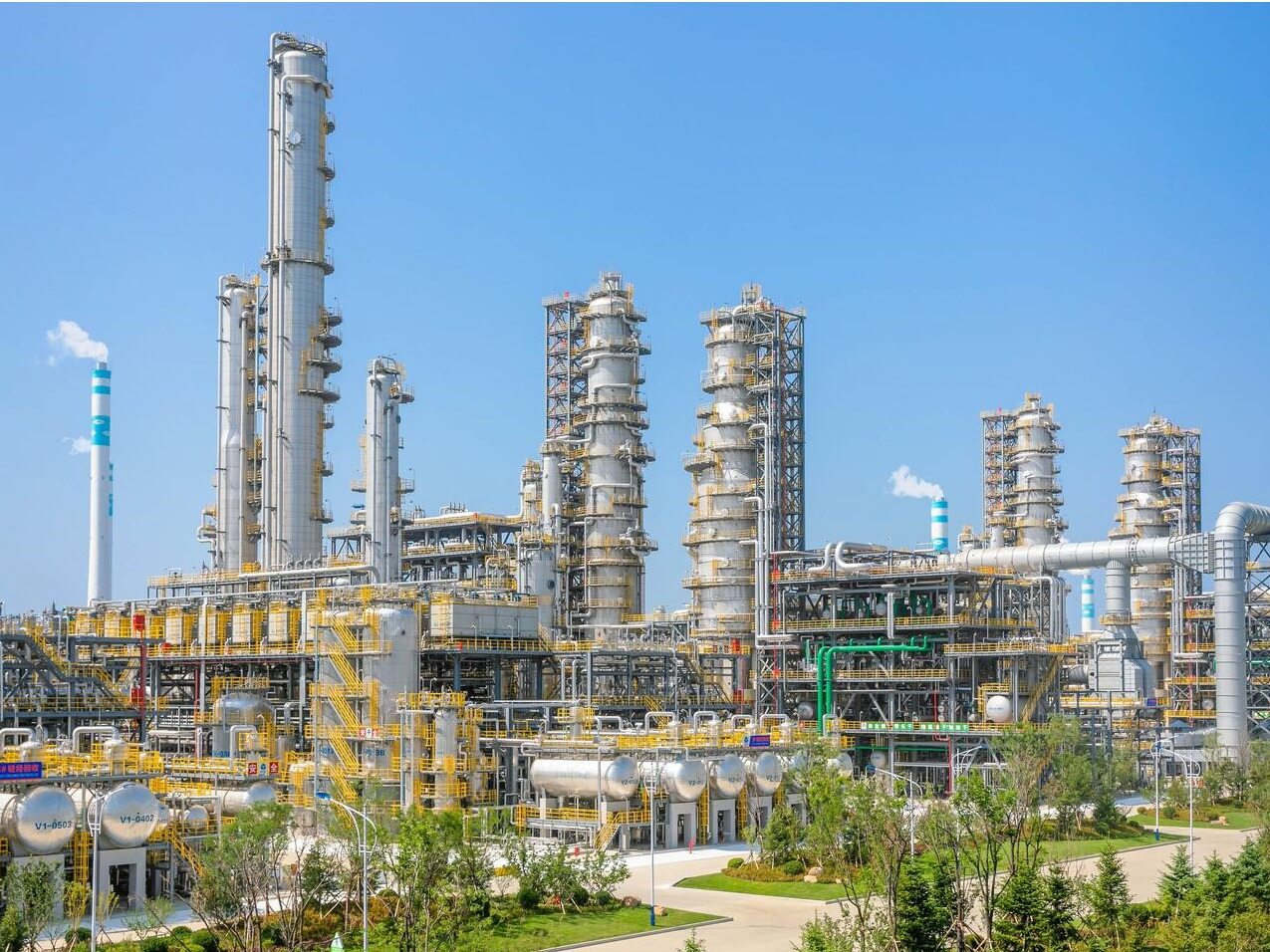
This signing is not a simple transfer of production capacity, but a precise settlement of the entire industry chain. Wanjiang, Inner Mongolia invested 1.5 billion US dollars to build a 300000 ton aluminum deep processing project in the Makanqi Port area of Abai Prefecture, and to support a 1GW self owned wind farm. This not only means that the production mode of green electricity direct supply will be replicated here, but also marks the official foundation of China's technology led low-carbon aluminum processing demonstration base. Relying on the bidirectional circulation advantage of the Baktu Port, the aluminum materials here will radiate both the domestic Chinese market and the Eurasian Economic Union in the future.

Port Industrial Park connects Europe
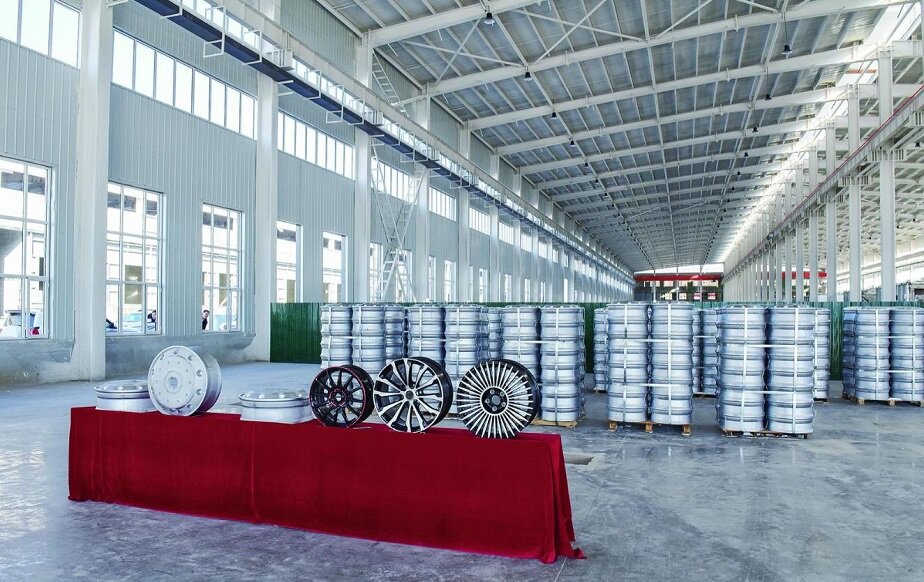
The 3000 hectare cross-border aluminum industrial park built by Huaxia Dongyin DDS Group is the physical carrier of this cooperation. This super park, which directly borders the Baktu Port in Xinjiang, integrates bonded warehousing, customs supervision, and loading and unloading of China Europe freight trains. The electrolytic aluminum smelting base jointly invested $1 billion by Liaoning Jiachen and Xinjiang Sanbao Group will become the upstream core of the park. Through the combination of Chinese technology and Kazakh resources, the product will utilize the 15 day direct land route of the China Europe freight train to Europe, effectively avoiding the risks of Red Sea shipping and maritime barriers. Keywords: Construction News、Engineering infrastructure
Dual Base Reshaping the Global Landscape
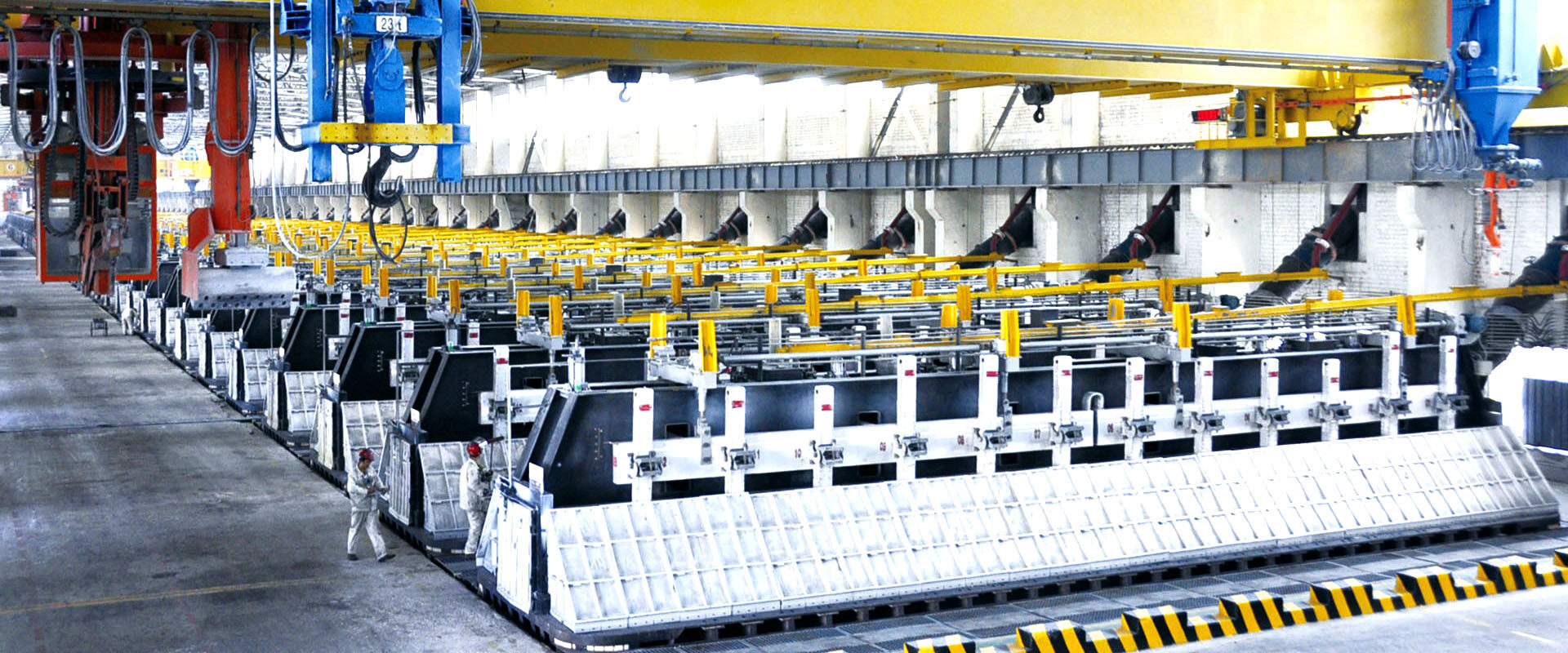
The landing of this cluster project marks the formal formation of a dual overseas base pattern for China's aluminum industry, consisting of Indonesia's sea transportation to Southeast Asia and Central Asia's land transportation to Europe. Against the backdrop of a strict ceiling on domestic production capacity of 45 million tons, going global has become the only incremental channel. The low-cost aluminum smelting cluster in Central Asia, with a capacity of tens of millions of tons, has taken shape by combining the already established 15 billion US dollar Pavlodar project of Xinfa Group and the 12.6 billion US dollar Kustana project of Oriental Hope. This is not only the in-depth implementation of the the Belt and Road production capacity cooperation initiative, but also will completely rewrite the global aluminum price valuation logic in the medium and long term.Editor/Gao Xue
Comment




 Praise
 Collect
 Comment

 Share
Share


Write something~