 Search


- After the Mombasa Nairobi Railway, another steel dragon extends westward
- On July 1, 2026, the second phase of the Nairobi Malaba Railway broke ground in Narok County, Kenya
- Mombasa Port to Uganda border is about to achieve full track connection, and the East African logistics artery is facing a crucial puzzle
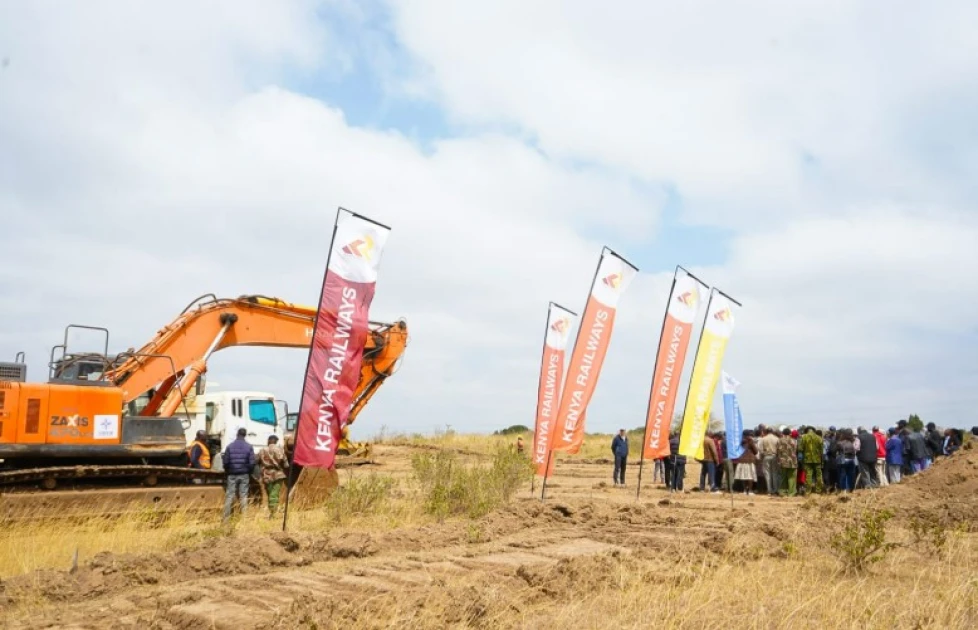
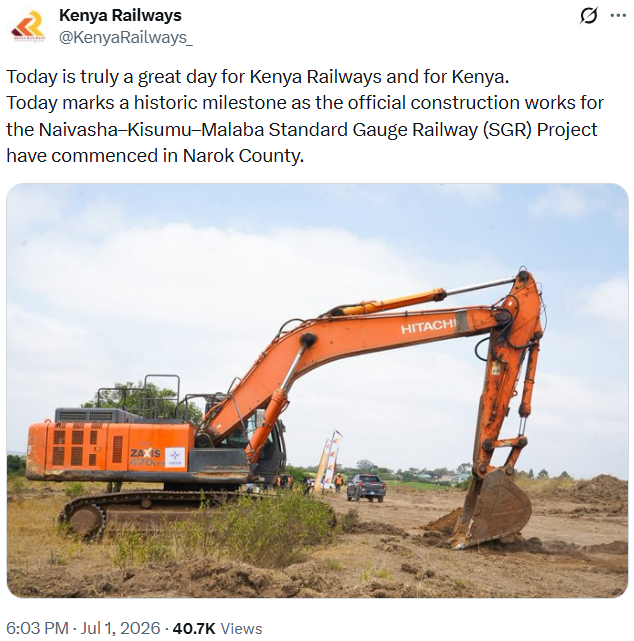
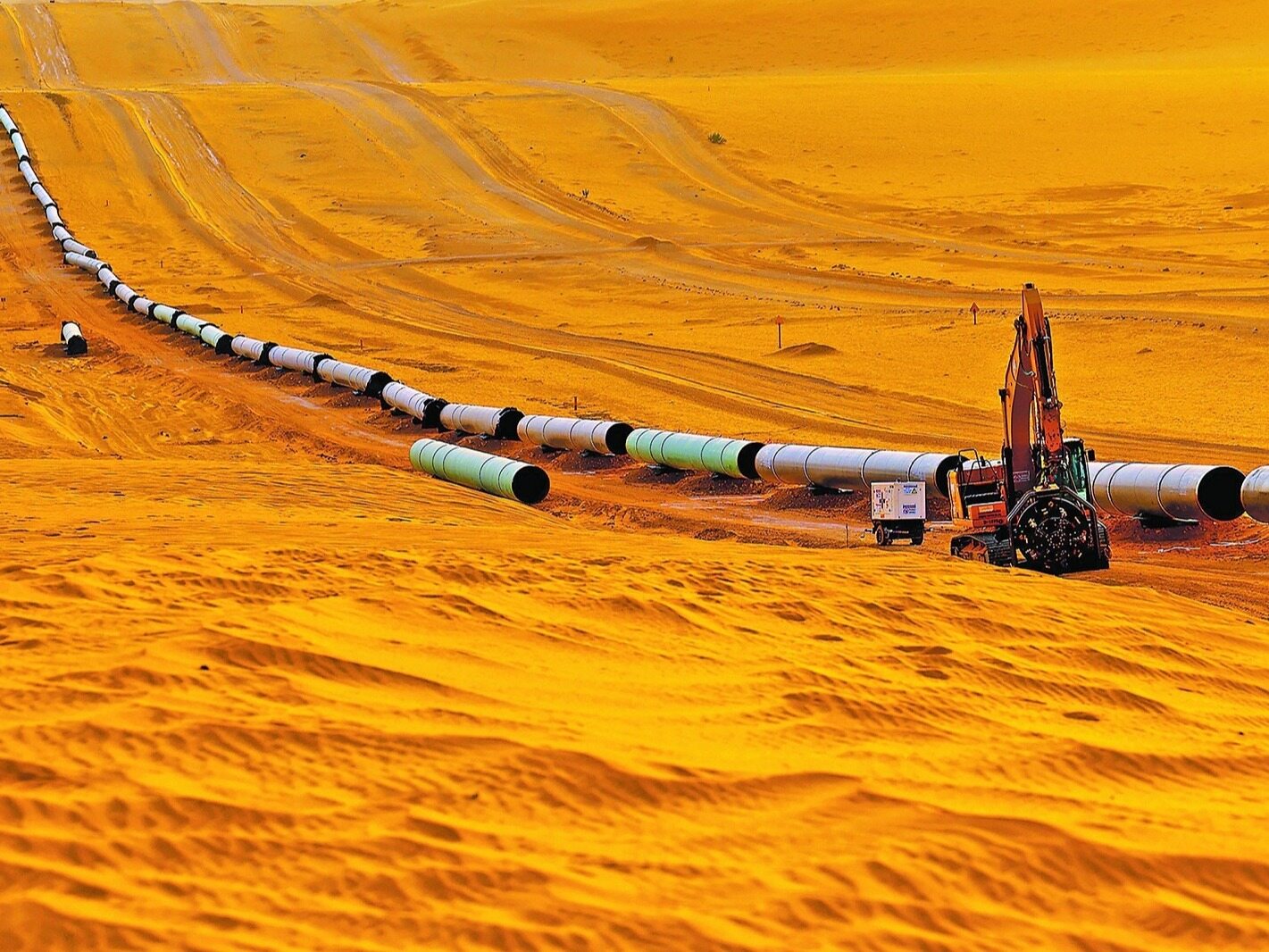
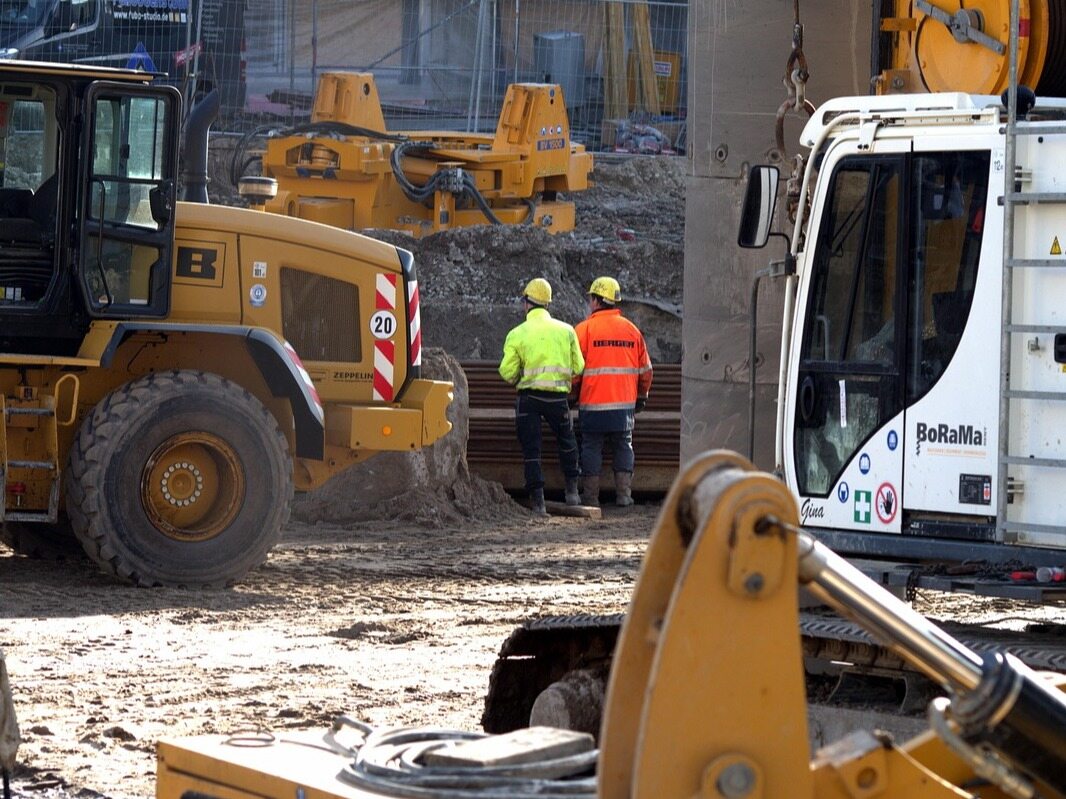
The morning sun shines on the red soil of Narok County in Kenya, and the roar of excavators breaks the tranquility of the plateau. Three months ago, this was just a hot soil where Kenyan President Ruto and representatives from China Communications Construction jointly laid the foundation; Nowadays, with the comprehensive implementation of earthworks, another landmark project after the first phase of the Mombasa Nairobi Railway and the Nairobi Malaba Railway - the second phase of the Nairobi Malaba Railway - has officially entered reality from the blueprint, opening a new chapter in East Africa's interconnectivity.
Connecting the Mengwu Corridor
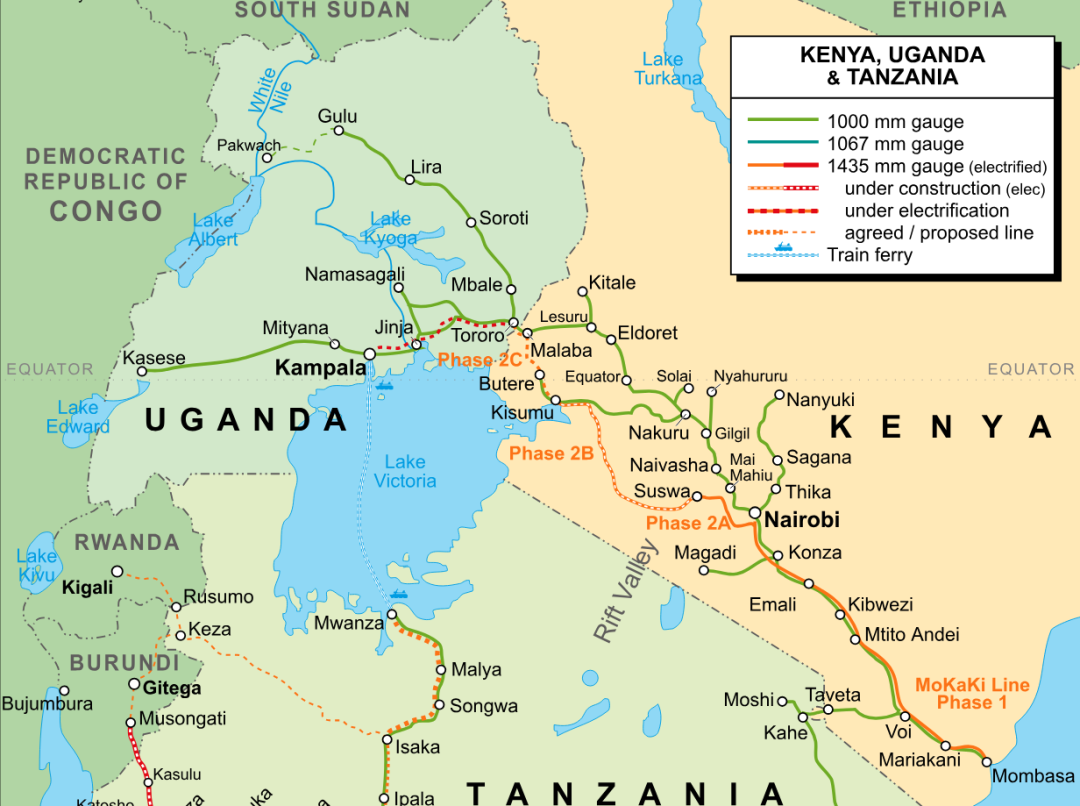
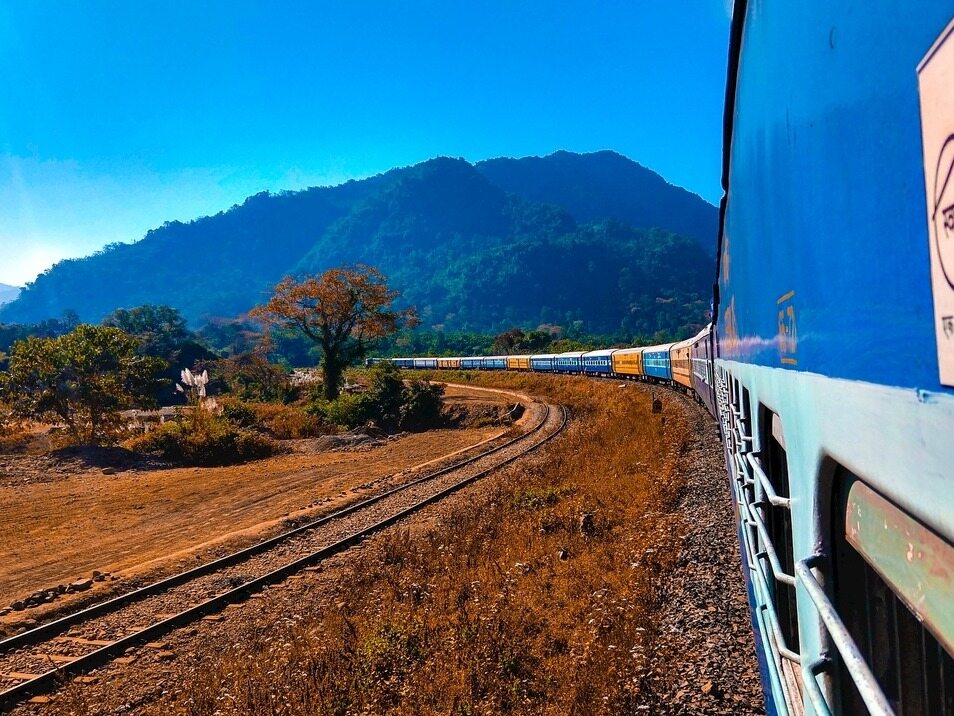
The second phase of the Nairobi Malaba Railway is a natural extension of the Mombasa Nairobi Railway to the west, and it is also a key step in connecting Kenya's inland to the national border. The route starts from Naivasha and runs westward through Narok and Kisumu, reaching Malaba on the border between Kenya and Uganda. This railway is not only a transportation line, but also the economic lifeline of the East African Community. Upon completion of the entire line, it will achieve full standard gauge connectivity from Mombasa Port to the Uganda border, fully activating the cross-border logistics network in East Africa and making "going out" and "entering the sea" more convenient and efficient.
Seamless connection of MTR
In order to advance this grand project scientifically, the project adopted a segmented implementation strategy. The first to be launched is Phase 2B, which is the section from Naivasha to Kisumu, with a total length of about 264 kilometers. This railway is not only a main transportation artery, but also a link connecting waterways. There will be 6 intermediate stations and 17 crossings along the route, and a special 8.69 kilometer branch line will be built to directly reach the proposed Kisumu New Port. This means that in the future, goods from Lake Victoria can be directly transported by train to coastal ports, achieving a true "seamless connection" between railway and waterway transportation, greatly improving the efficiency of port cargo collection and distribution. Following the 2C phase, it will extend from Kisumu to Malaba, with a total length of about 107 kilometers, crossing multiple regions such as West Asia and Vijaga. In the future, it will be interconnected with the railway network in Uganda, further improving the regional transportation map.keywords:Foreign construction news network
Empowering regional development
For Kenya, this is not just a railway, but also a huge development engine. Kenya Railways sees this as a strategic investment to deepen regional economic integration. During the peak construction period, the project will create tens of thousands of job opportunities and train a large number of skilled workers for the local area. More importantly, after the railway is opened, the transportation time and cost of goods from Mombasa Port to inland Uganda will be significantly reduced, bringing unprecedented industrial upgrading and investment opportunities to the areas along the line. CCCC will continue the mature technology and refined management experience accumulated in the construction of the Mombasa Nairobi Railway, ensuring the perfect connection between this new line and the existing line as well as the future Uganda section, once again demonstrating China's infrastructure's hardcore strength and contractual responsibility.Editor/Yang Meiling
Comment

 Praise
 Collect
 Comment

 Share
Share


Write something~