 Search


- Dongfang International signed Uzbekistan's first major standalone BESS EPC with AMEA Power, as the country's storage capacity hits 1.5GW
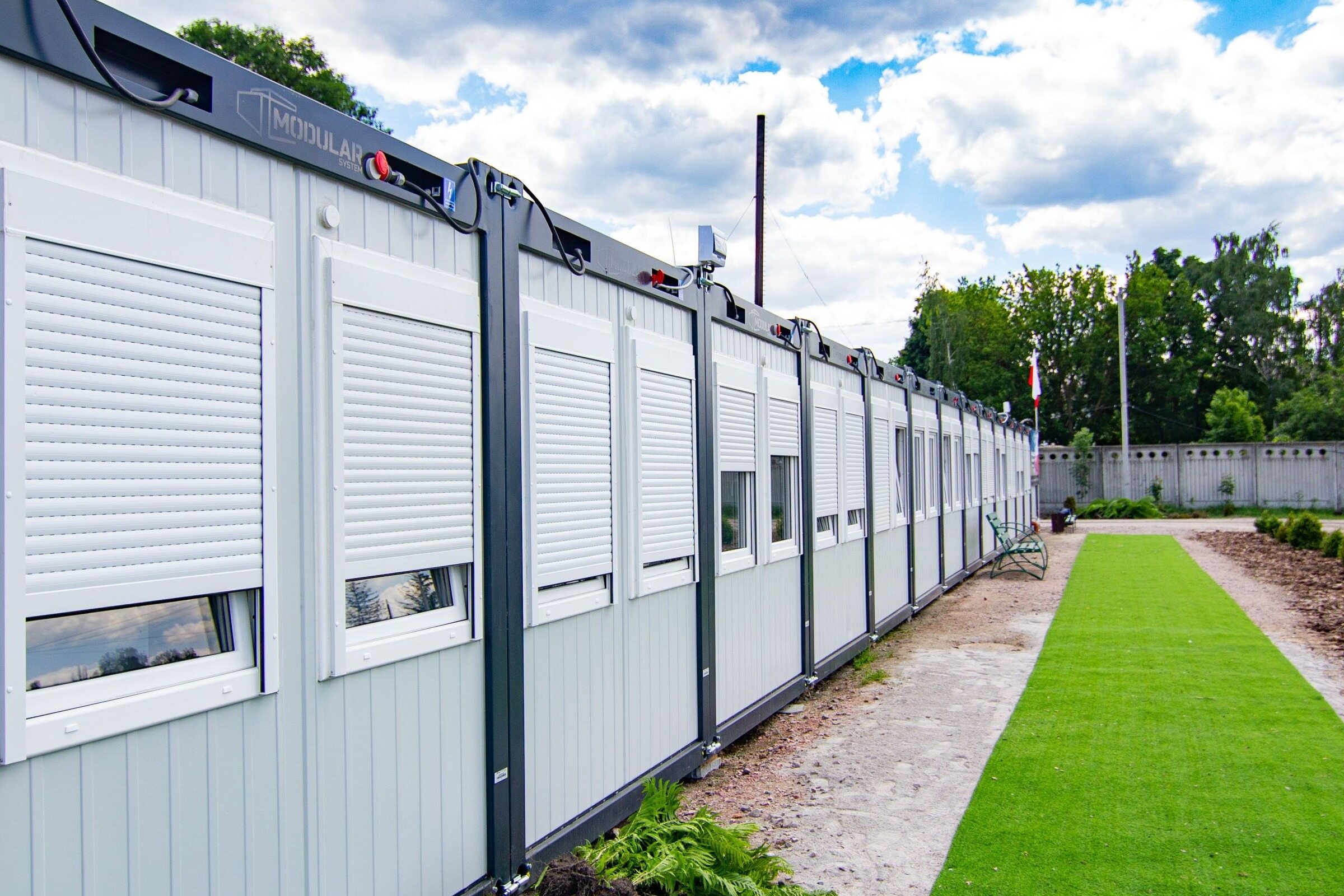
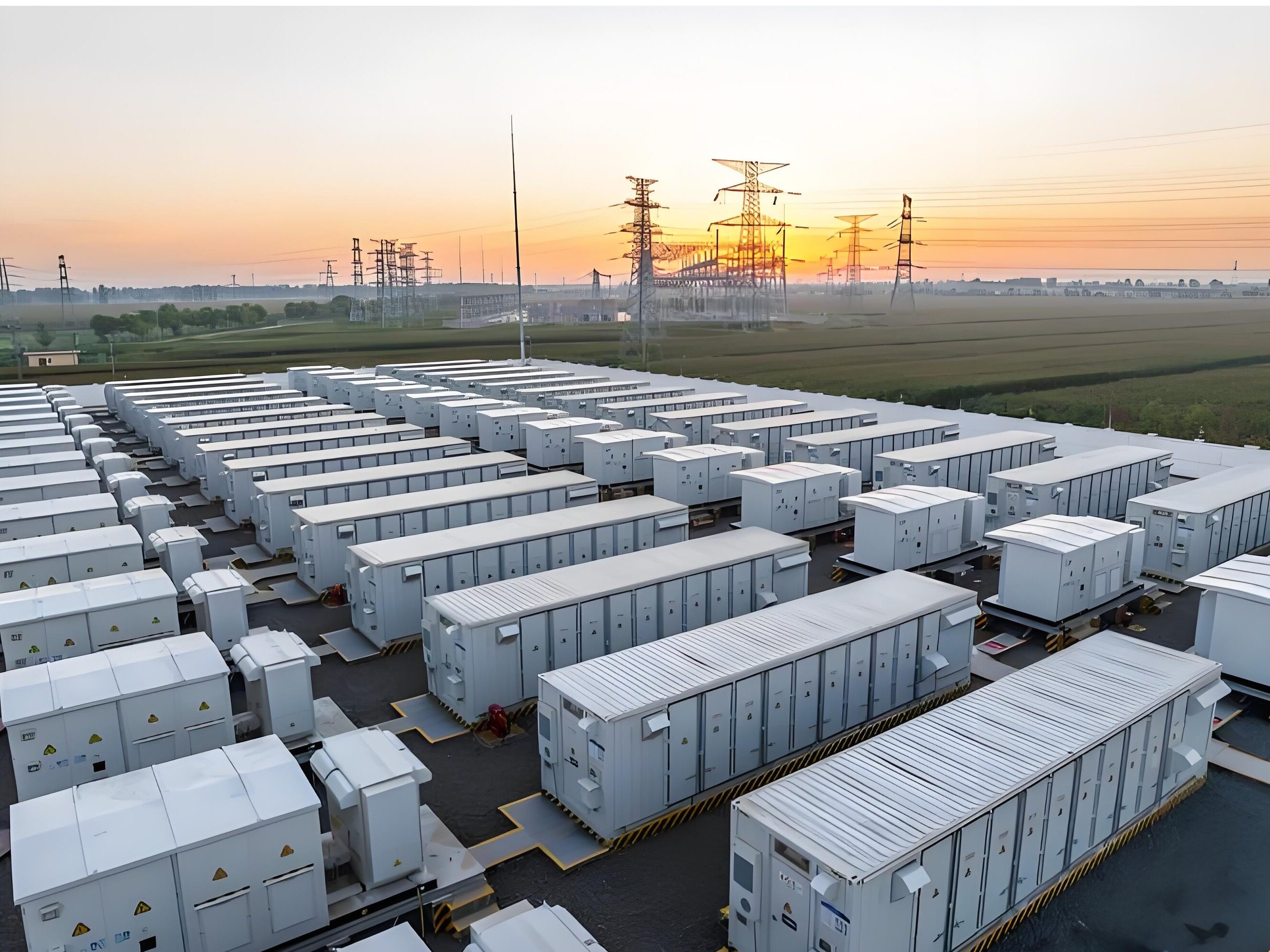
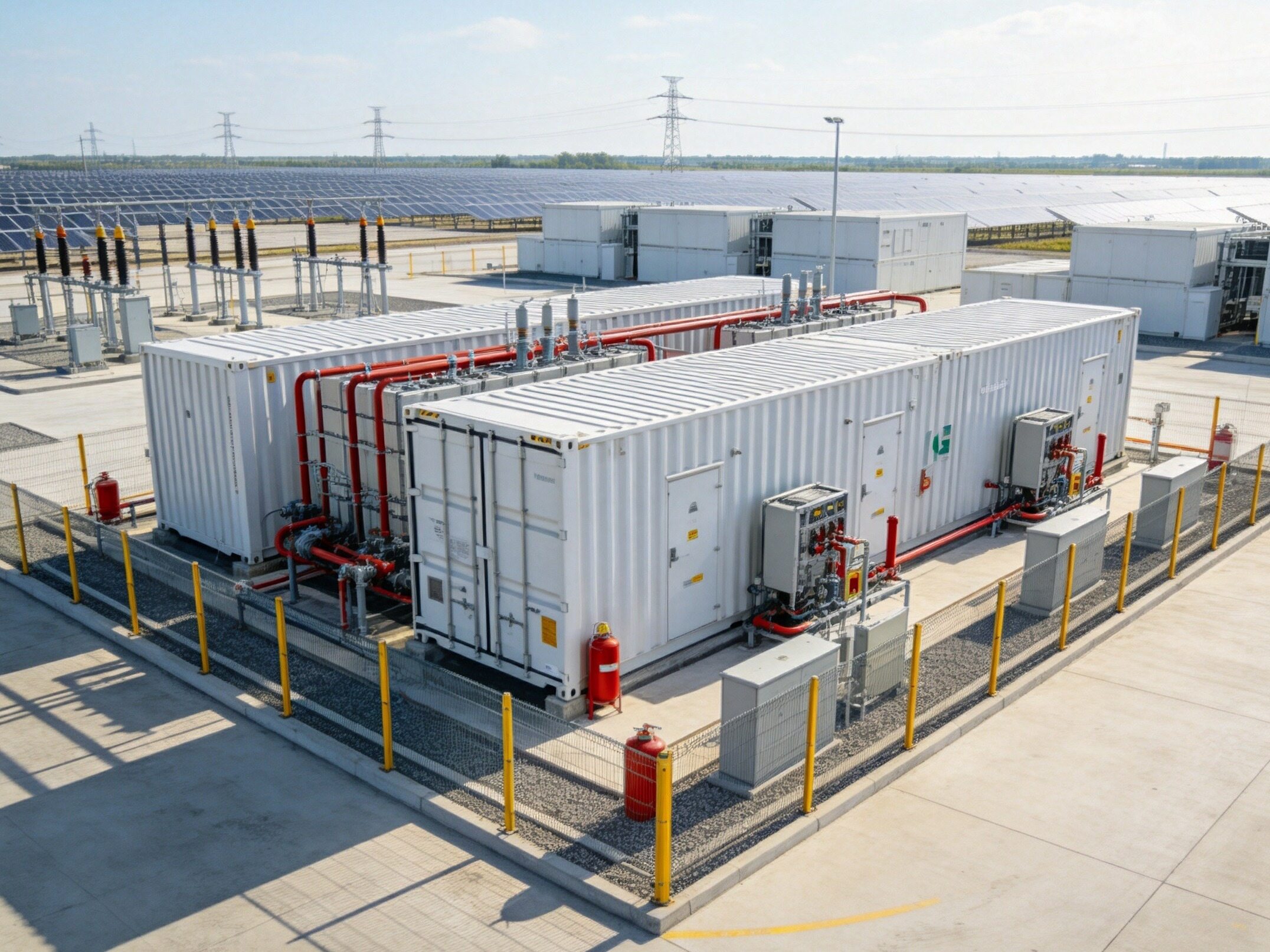
In late June 2026, Orient International and UAE developer AMEA Power officially signed an EPC general contracting agreement in Tashkent for the Celeste 150MW/300MWh energy storage power station. This is not only the first large-scale independent energy storage project in the Uzbekistan capital, but also Orient International's first large-scale independent energy storage EPC contract in Central Asia.
1.5GW in two years, 1 kWh of every 8 kWh of electricity consumed during peak evening hours comes from energy storage
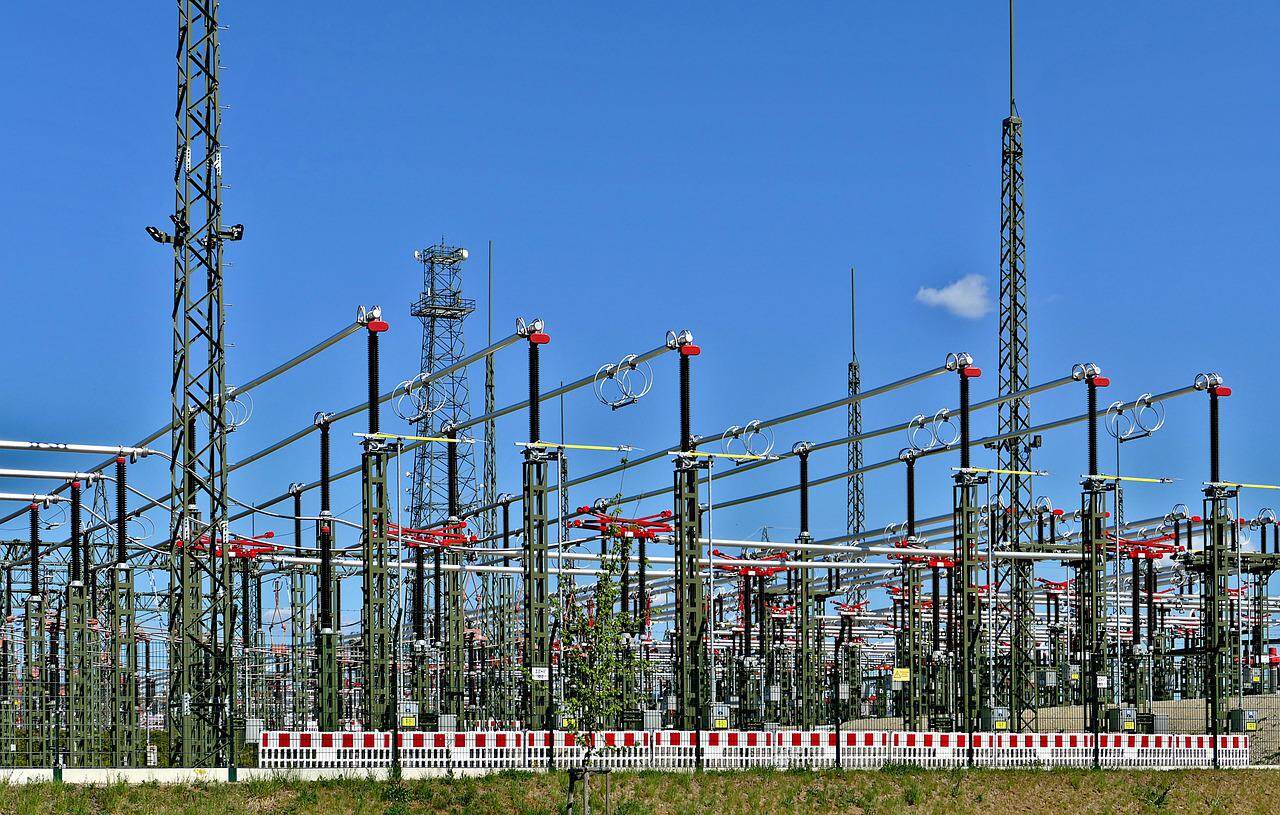
As of June 2026, Uzbekistan had 1545MW of operational energy storage systems with a capacity of 2600MWh. For every 8 kWh of electricity consumed during peak evening hours nationwide, 1 kWh is released from energy storage—energy storage now covers 13.5% of peak load.
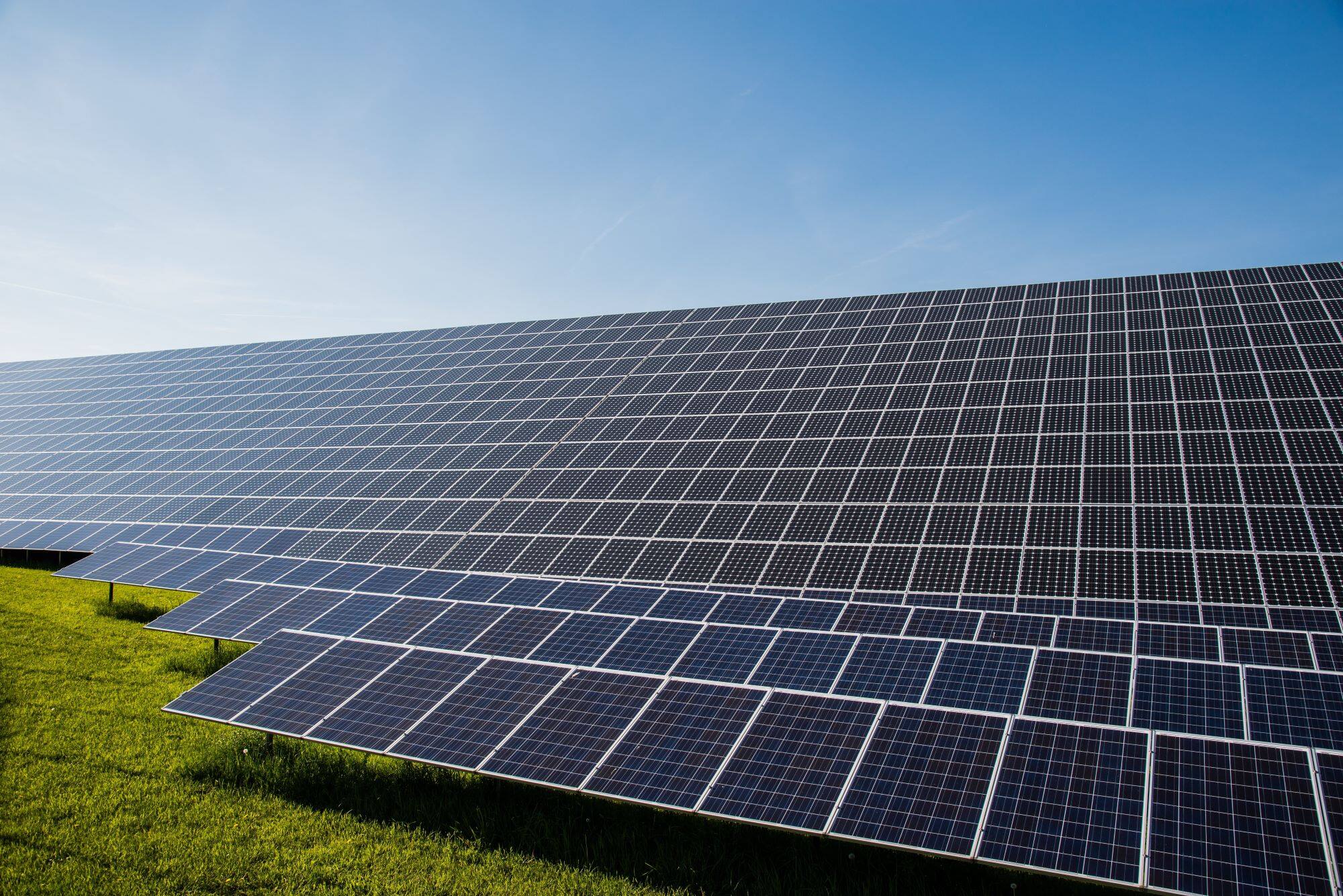
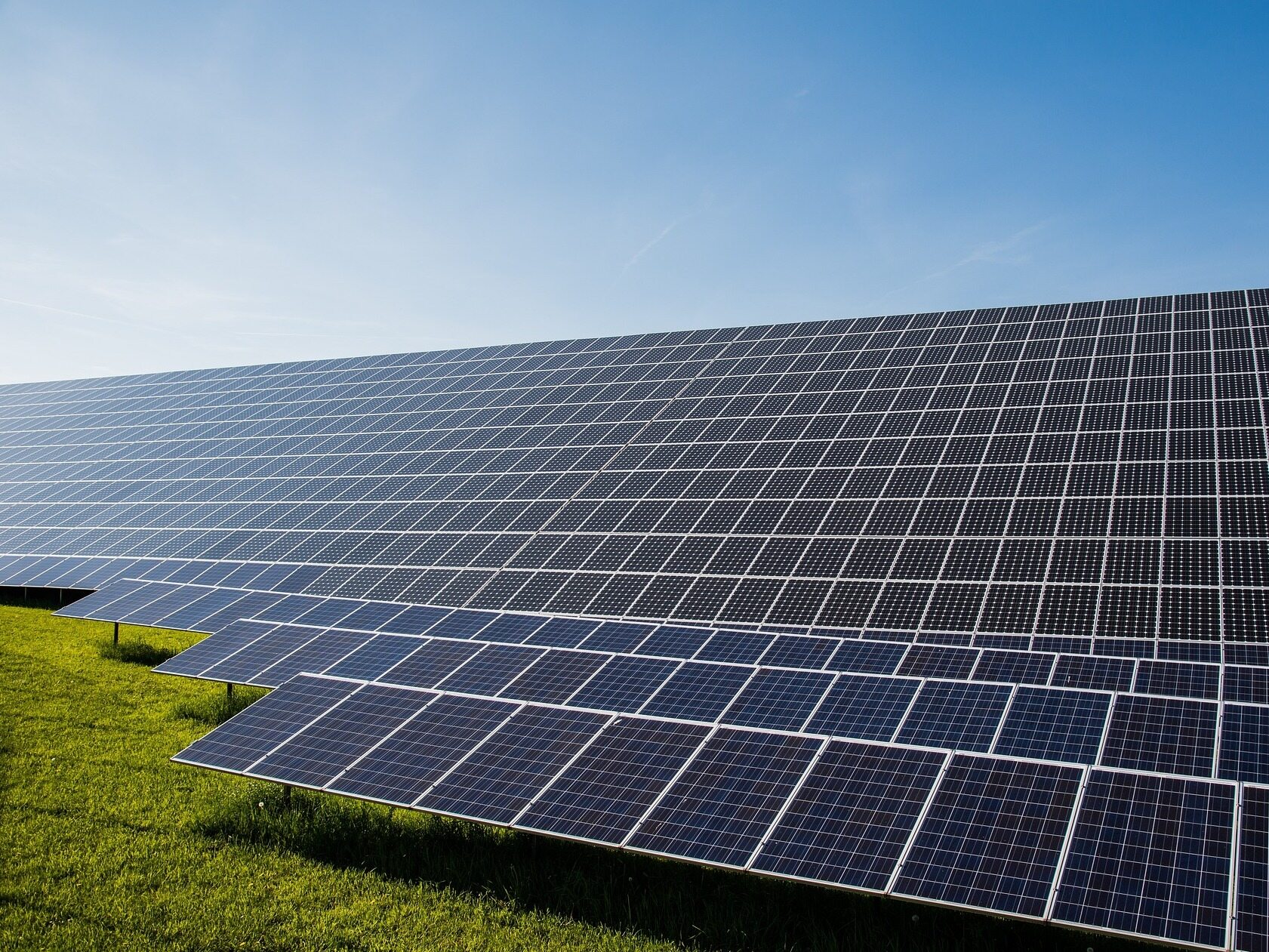
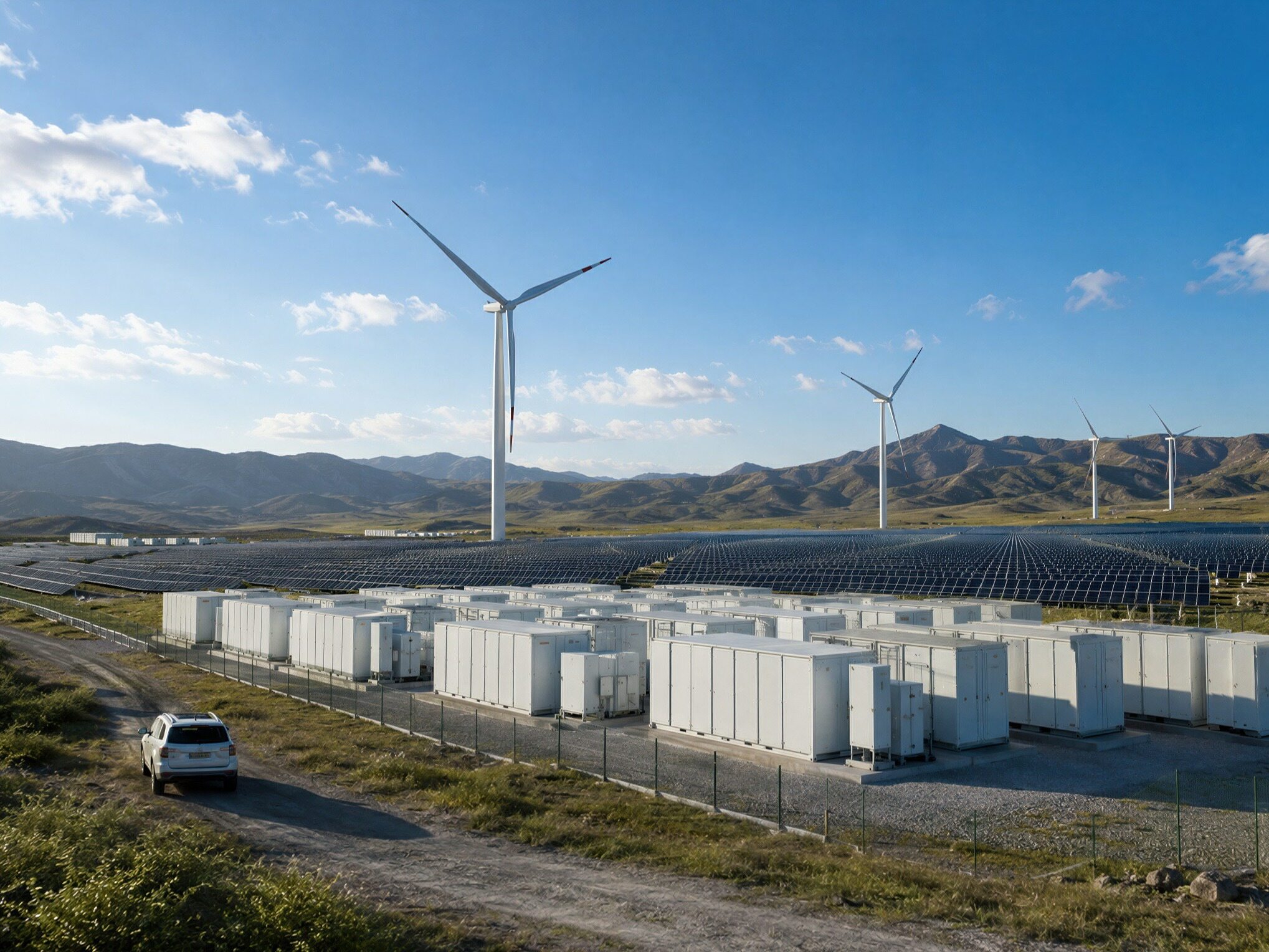
Two years ago, this figure was almost zero. In 2024, Fergana and Andijan each put 150MW of capacity into operation, marking the market's initial launch; 1245MW was added in 2025, quadrupling in one year; the target for 2026 is 2000MW/3600MWh, and the target for 2030 is 4500MW. During the same period, Uzbekistan already operated 15 photovoltaic power plants (3930MW) and 5 wind power plants (1652MW), with renewable energy generation exceeding 4 billion kWh in the first half of this year.
With the ramp-up of photovoltaic and wind power, the lack of energy storage means that electricity generated during the day cannot be used at night. Energy storage is not just a "component," but the "gearbox" that runs the renewable energy system—and Uzbekistan is rapidly equipping it with this technology.
The Middle East provides the funding, China does the work; the chain is already operational
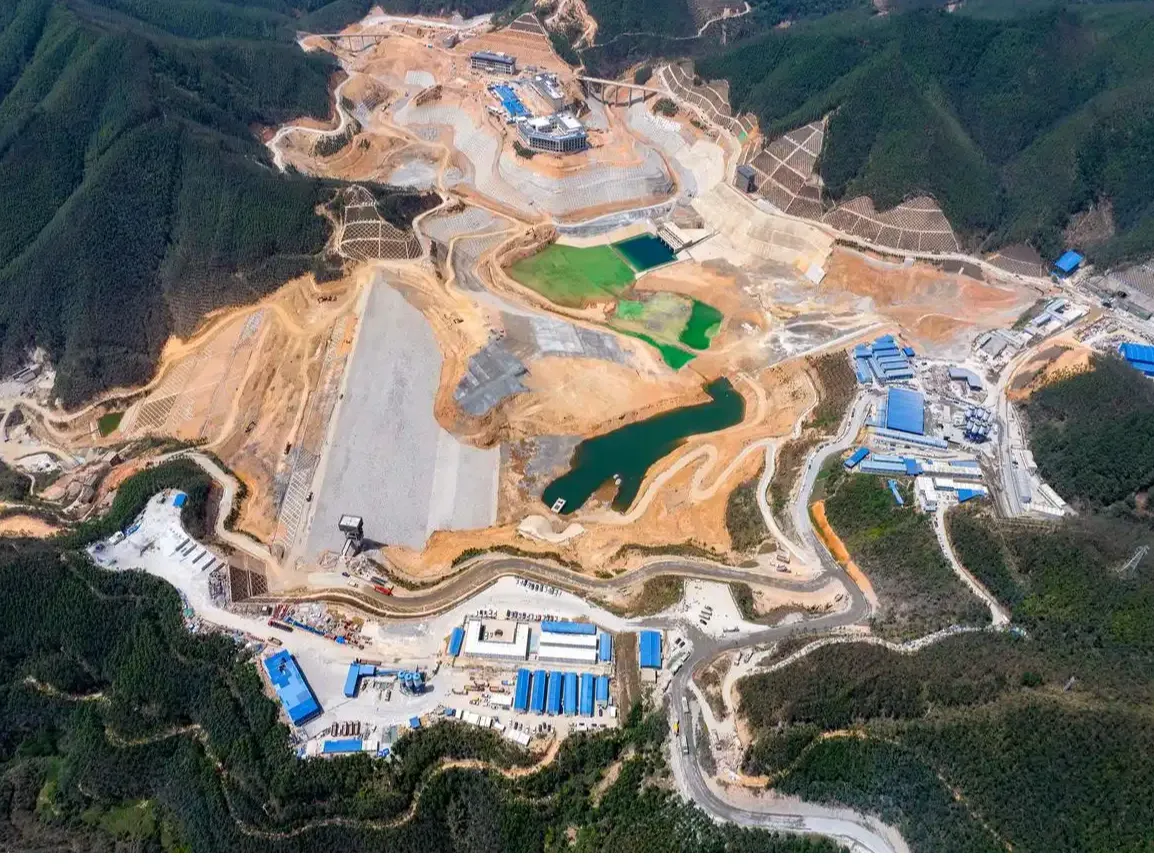
This deal with Dongfang International is just the tip of the iceberg. On the developer side, AMEA Power in the UAE, in addition to the Celeste project, is also deploying a 200MW/800MWh energy storage station in Bukhara State; Masdar in the UAE has signed a loan agreement with ADB to build the Gouzal integrated photovoltaic and energy storage project; and China Energy Engineering Corporation's 1GW photovoltaic project is already operational. On the financing side, EBRD, ADB, and China Export & Credit Insurance Corporation have all been deeply involved. On the EPC side, Chinese companies such as Orient International and China Energy Engineering Corporation have successively made investments.
Middle Eastern capital acquires projects, international financial institutions provide loans, and Chinese companies handle EPC and equipment supply—a mutually beneficial business loop has been formed.
Energy storage is not a "complementary asset," but an independent asset class
Why is it booming now? Three variables are in place simultaneously:
New energy installations have crossed a critical point, the proportion of intermittent energy sources has exceeded a threshold, and grid stability is forcing energy storage to be implemented;
Power shortages are forcing infrastructure investment, and industrial electricity consumption is growing faster than supply. Energy storage is both a complement to new energy and a necessity for peak shaving;
Independent energy storage is recognized by international capital as a financeable asset, and the business loop at the power purchase agreement level has been successfully established. Keywords: Dongfang International, AMEA Power, Uzbekistan, energy storage power station, EPC general contracting, Central Asia New Energy, independent energy storage, battery energy storage system
Energy storage is no longer an adjunct to photovoltaics, but an independent sector. Editor/Sunyaxin
Comment

 Praise
 Collect
 Comment

 Share
Share


Write something~