 Search


- China-built 800kt/a sulfuric acid plant in Kazakhstan starts, filling Central Asia's supply gap
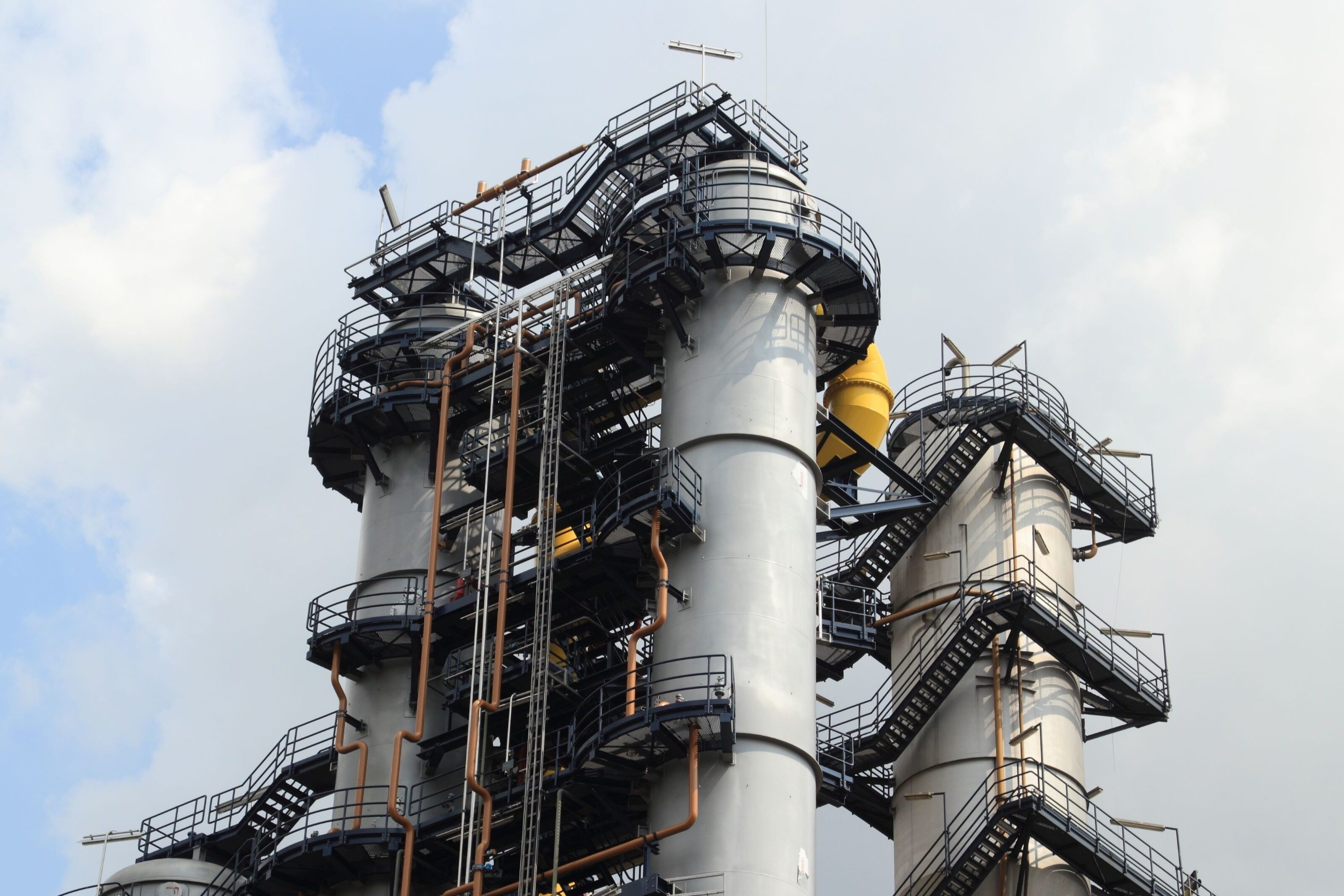
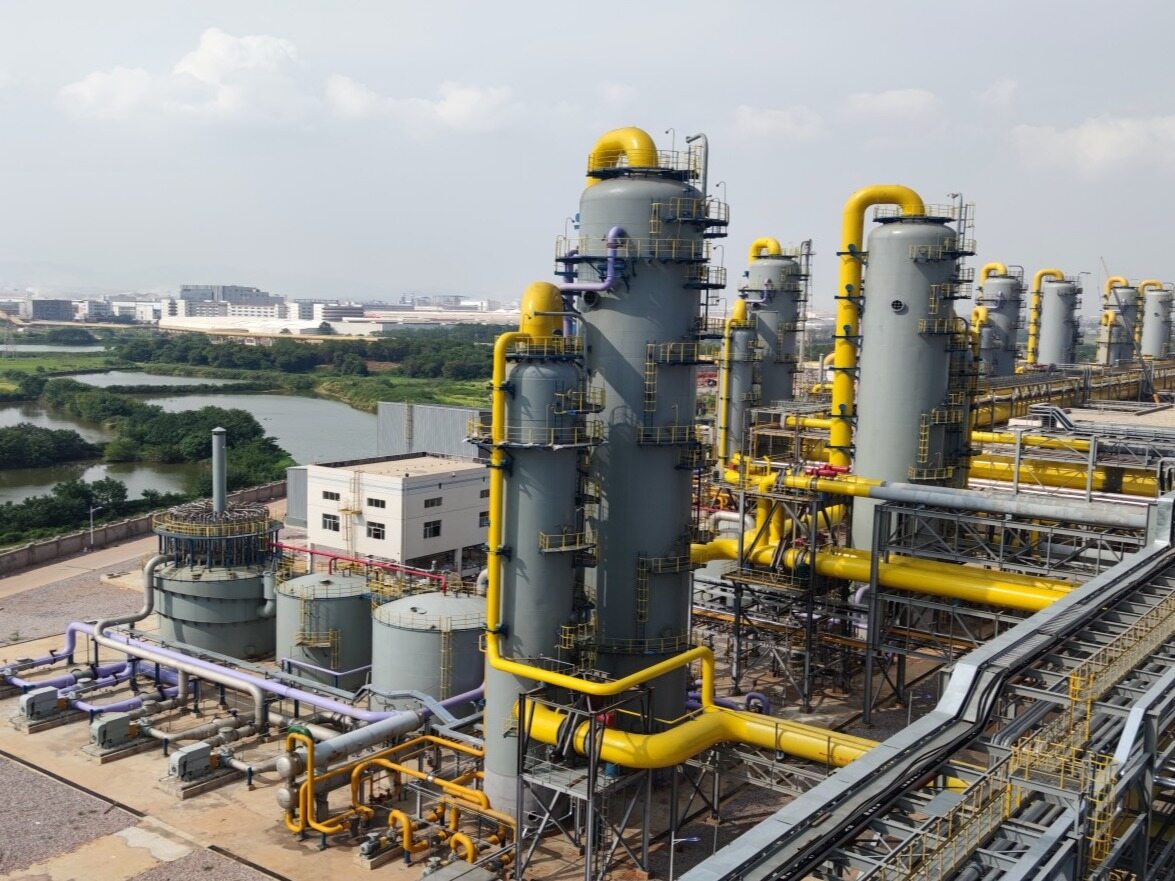
Recently, the 800,000-ton/year sulfuric acid project in Kazakhstan, jointly constructed by China National Chemical Engineering Tianchen Corporation and an international company, officially held its commissioning ceremony at the Zhanatas site in Zhambyl Region. Kazakhstan's Minister of Industry and Construction, Nagaspayev, and the Governor of Zhambyl Region, Karashukev, were present to witness the event. This modern facility, standing in the heart of the Gobi Desert, is not only the largest high-precision sulfuric acid production base in Central Asia, but also represents the complete export of China's independent sulfuric acid production technology, equipment, and standards system across the entire industrial chain. It has been officially included in the key capacity cooperation list between the two countries, becoming a new landmark in Sino-Kazakh chemical cooperation.
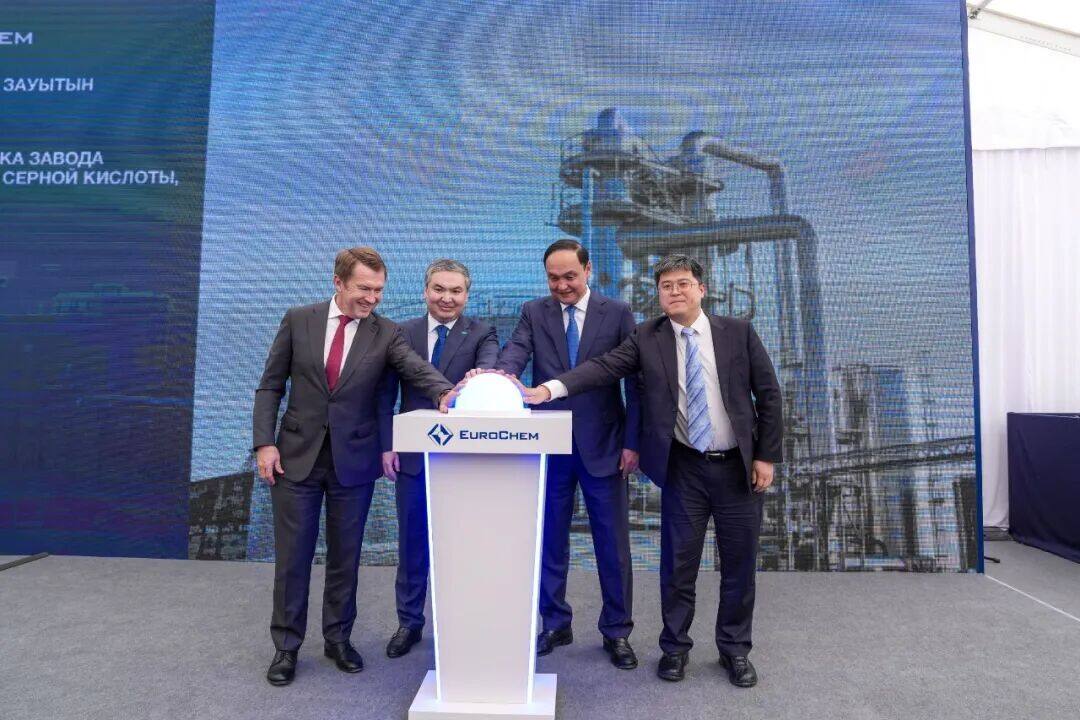
Technological Independence, Standard Alignment
The Tianchen design team adopted a domestically developed "3+2" two-conversion, two-absorption sulfuric acid production process, achieving a total conversion rate of up to 99.9%, combining mature stability with energy-saving and environmental protection advantages. To address the challenge of significant differences in regulations across Kazakhstan, the project innovatively implemented a "pre-approval + four-party centralized office" model. This involved collaborating with patent holders, the Kazakh technology transfer institute, and the client's technical team to work on-site in advance, meticulously refining drawings to align with local mandatory provisions. This approach resolved technology transfer barriers at the source, ensuring efficient design implementation.
Domestically-made equipment played a crucial role, with a fully integrated supply chain.
The project team deeply engaged with the client's needs, overturning the long-held perception of favoring European and American equipment. Ultimately, the localization rate of main equipment and materials reached 99%, linking nearly 200 domestic manufacturing enterprises and driving over a thousand upstream and downstream manufacturers to collaborate in "going global." Materials were transported across borders via the Khorgos port. The procurement team was stationed at the port to handle tens of thousands of vehicle documents, coordinating cross-border transportation capacity and production schedules to ensure all equipment arrived on time at the frigid Gobi Desert site.
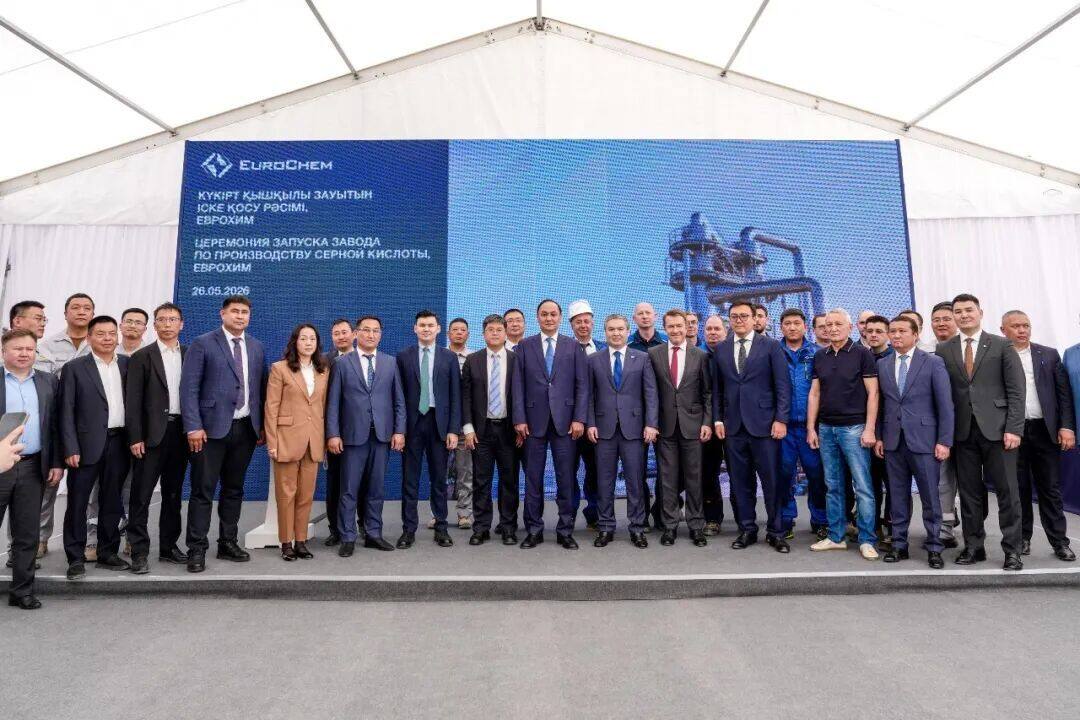
Overcoming extreme cold, setting a new construction speed record.
Located in the Gobi Desert, the project experiences winter temperatures as low as -40 degrees Celsius. The construction team implemented a process-by-process approach, adhering to the strategy of "prioritizing public works and advancing key sections," and conducting unit-by-unit and segment-by-segment commissioning. They strictly implemented local labor practices, employing over 500 local workers. They implemented a "first-piece sample-led" approach, grid-based safety management, and four-color risk zoning management, accumulating 3.84 million safe man-hours. During the commissioning phase, 24-hour shifts were maintained to systematically identify and eliminate potential hazards. In November 2025, a qualified product was successfully produced on the first commissioning attempt. In March 2026, all performance tests were passed on the first attempt, with all core process indicators exceeding design values, and overall performance reaching international advanced levels. The client repeatedly exclaimed "Amazing!", and the project's construction speed set a new record for similar projects in the region.
Cultural Integration, Win-Win Cooperation
The project team deeply cultivated localized operations, with Chinese and Kazakh management personnel working together in a centralized office according to their specialties. They established Kazakhstan's first project safety experience area and regularly conducted skills training and technical discussions. Organizing joint activities during traditional festivals of both sides, such as Nowruz and the Spring Festival, and establishing a rapid response mechanism for employee requests, conveying humanistic warmth through heartwarming services. Keywords: China-Kazakhstan cooperation, sulfuric acid project, domestic technology, production capacity cooperation, full-industry chain overseas expansion
"Build a project, make friends, and erect a monument." From an EPC contract to a steel behemoth in the Gobi Desert, China National Chemical Engineering Co., Ltd. (CNCEC) has written a solid chapter in the landscape of China-Kazakhstan economic and trade cooperation with its excellent technology, lean management, and localization integration, making the flower of China-Kazakhstan friendship bloom even more brilliantly. Editor/Sunyaxin
Comment




 Praise
 Collect
 Comment

 Share
Share


Write something~