 Search


- Energy storage companies seize the Middle East market and open up new opportunities for overseas growth
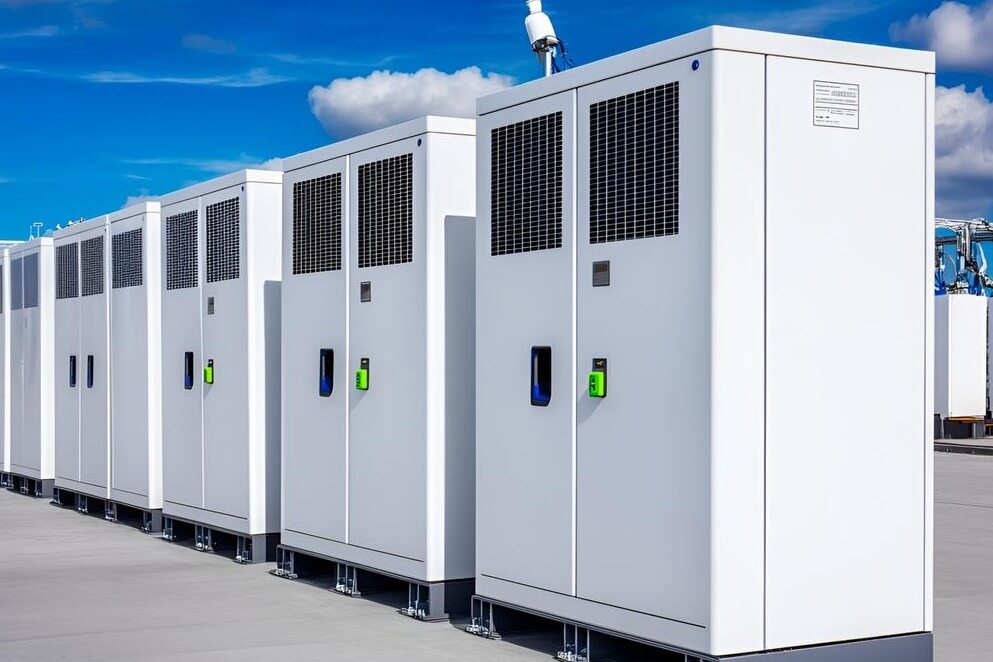
Middle Eastern countries are accelerating the layout of renewable energy supporting energy storage facilities, and Saudi Arabia's large-scale energy storage project is releasing massive market demand. Seven domestic enterprises have successfully passed the qualification pre examination and obtained entry qualifications. Relying on the complete lithium battery industry chain and cost delivery advantages, domestic energy storage manufacturers have continued to win orders from multiple regions in the Middle East and Africa, and the regional market has steadily become the core growth point for energy storage going global. The industry's competitive focus has also shifted towards comprehensive operation services.
The Middle East energy storage bidding market continues to release significant opportunities. Saudi Electricity Procurement Company has announced the second batch of pre qualification list for energy storage battery system projects, with 27 companies qualified to participate, including seven leading domestic energy and energy storage companies. The six sub projects have a single scale of 500 MW and 2000 MWh, with a total installed capacity of 3 GW and 12 GW. All of them adopt a 4-hour energy storage configuration and are developed based on the construction and operation mode. The winning bidder needs to establish a wholly-owned project company and sign a long-term energy storage service agreement. The shortlisted companies have clear division of labor, with 18 companies possessing dual qualifications in management and technology, while the rest belong to a single management or technology participant.
Rapid expansion of orders
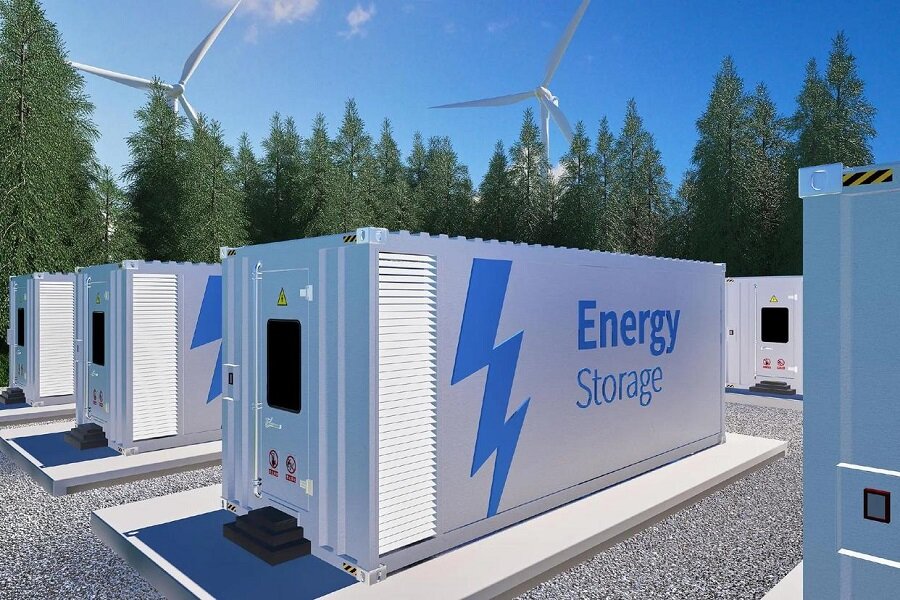
In the first half of 2026, when domestic enterprises exceeded 40 gigawatts of energy storage orders in the Middle East and Africa, the year-on-year increase was 17%, accounting for more than a quarter of the total overseas new orders. The orders covered multiple categories of products for energy storage cell systems, and the regional order scale of multiple enterprises exceeded 10 gigawatts. The projects landed in multiple countries such as Saudi Arabia, the United Arab Emirates, and Egypt. The rising demand for regional energy storage is due to multiple factors. Multiple countries have introduced medium - and long-term clean energy development goals, and the steady increase in electricity load has driven the demand for peak shaving energy storage. National level bulk bidding has made project revenue more stable, and the complete domestic lithium battery industry chain has brought significant price and production capacity advantages, supporting the landing of large-scale projects.
New trends in market development
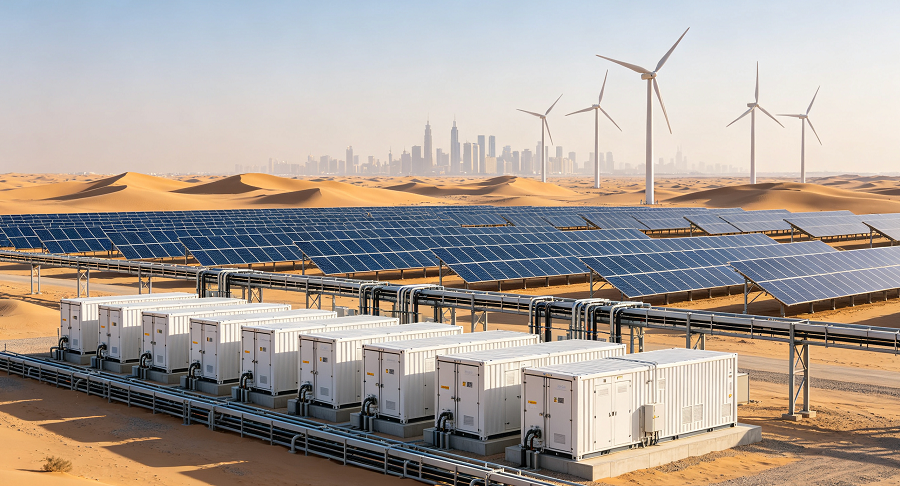
The energy storage market in the Middle East is bidding farewell to small-scale demonstration projects and shifting towards large-scale development at the gigawatt level. By 2025, the local installed capacity of energy storage will exceed three gigawatts, tripling the scale of the previous year. The duration of energy storage configuration continues to lengthen, with four to six hours of long-term energy storage becoming mainstream, and the integration of photovoltaic and energy storage for all-weather power supply projects is accelerating its implementation. The market development model is synchronously changing, and simple equipment exports no longer have competitiveness. The BOO model requires enterprises to have comprehensive strength in investment, financing, construction, long-term operation, and industrial consortia have become the mainstream form of participation.
New threshold for industry competition
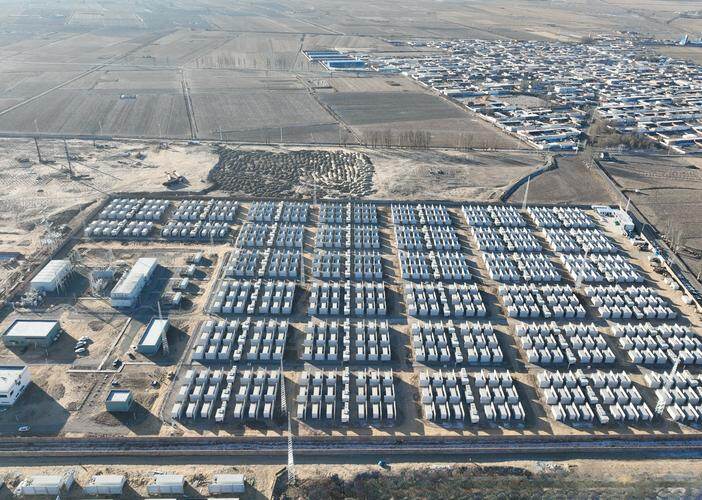
The special working conditions of high temperature sand and dust impose strict standards on the reliability of energy storage equipment, and low price is no longer the core winning condition. The project investors place greater emphasis on the long-term stability of equipment operation, financing guarantee capabilities, and overseas operation and maintenance support. The professional operation and maintenance team of localized service outlets and spare parts warehouses has become a core competitive barrier. Keywords: energy storage going global, Middle East new energy
In the future, domestic energy storage enterprises need to rely on full industry chain collaboration, strengthen overseas local supporting services, and rely on integrated comprehensive strength to continue to deeply cultivate the energy storage blue ocean market in the Middle East and Africa. Editor/Min Jing
Comment

 Praise
 Collect
 Comment

 Share
Share


Write something~