 Search


- The extension of Brazil's new energy quota has forced Chinese enterprises to accelerate their localization layout
- The adjustment of new energy policies tests the comprehensive strength of Chinese enterprises' overseas cultivation
Many domestic car industry practitioners regard Brazil's extension of the tax-free quota for new energy components as a good decision. Behind the policy lies strict local investment constraints, and the combination of multiple pressures from local traditional car industry alliances and special technical route barriers tests the global operation and long-term cultivation capabilities of Chinese car companies.
Domestic new energy vehicle companies continue to expand into overseas Latin American markets. Recently, the Brazilian Foreign Trade Commission announced the extension of the zero tariff quota for the import of new energy components for six months, with a total amount equivalent to 3.33 billion yuan. The seemingly relaxed policy window has not lowered the entry threshold, with a significant increase in import tariffs on whole vehicles. Local veteran car companies have jointly launched checks and balances, and complex tax and adaptation technology research and development challenges are facing all Chinese car companies going abroad. The short-term dividends are actually the beginning of long-term industrial competition.
Hidden constraints in policies
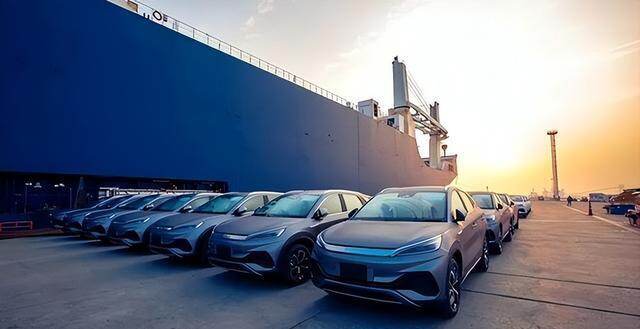
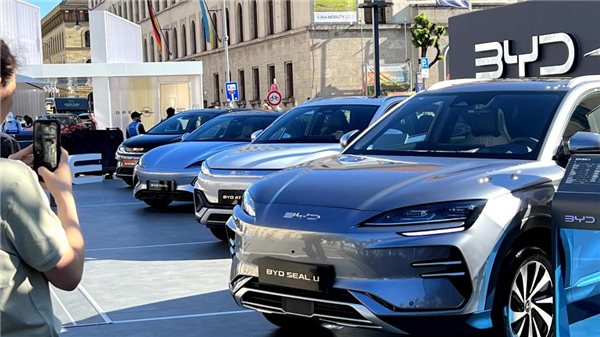
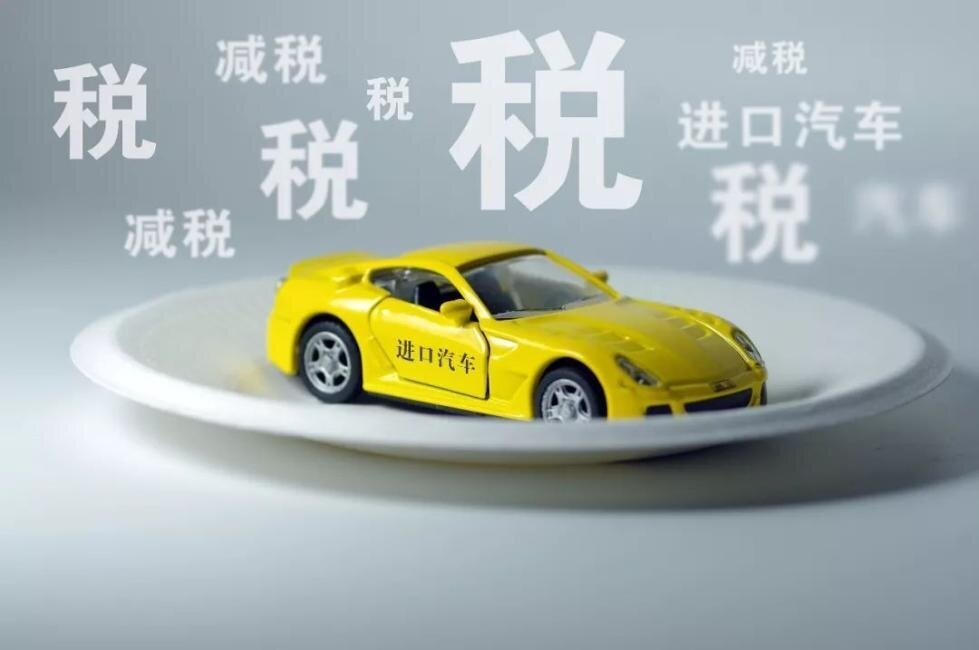
The tax-free quota of 463 million US dollars this time is only applicable to vehicles that are assembled with half or all parts. The import tariff for complete vehicles will increase to 35% from July, and the tariff for assembled parts will be raised synchronously in January next year. The quota will be allocated through a unified resource pool, with priority given to large local investment enterprises. BYD's 3.9 billion yuan investment in Bahia state will occupy the main share of the quota. The core policy orientation promotes the landing of car companies in local factories, and the pure vehicle export model completely loses its price advantage.
Market barriers are numerous
Multinational car companies such as Volkswagen and General Motors have formed industry associations to hold local industrial resources, with a total planned upgrade investment of 182 billion yuan, aiming to consolidate market share. The association has initiated a judicial lawsuit against the quota extension, using the ban to freeze import channels and disrupt the supply chain of overseas car companies. At the same time, Brazil is promoting ethanol hybrid vehicles and improving biofuel support. The promotion of pure electric vehicles is limited, and Chinese enterprises need to invest resources to adapt to local special technology routes. The strict local labor tax system further increases overseas operating costs.
Long term strategy for going abroad
The Brazilian market has become an important venue for testing the global strength of car companies. Unlike Southeast Asia's relaxed admission rules, the local market relies on tax policies to guide the landing of industries and does not follow the direct tariff blockade route. Industry practitioners need to abandon short-term trade thinking, increase investment in overseas physical factories, and collaborate with power battery component companies to build local supply chains by going global. Enterprises also need to build professional local affairs teams, actively convey the value of industry empowerment, and balance the public opinion pressure of local competitors. Keywords: Chinese car companies, Brazilian new energy vehicles
The quota extension this time is only a short-term buffer, and the competitive landscape of the Latin American automotive market has been reshaped. Only Chinese car companies that have completed heavy asset layout, adapted to local technological rules, and built a complete supporting ecosystem can rely on the Brazilian market to establish a strategic pivot in the Americas. Enterprises that rely solely on vehicle exports will gradually exit the market. Editor/Min Jing
Comment



 Praise
 Collect
 Comment

 Share
Share


Write something~