 Search


- Baghdad metro optimization route plan opens up new urban transportation layout
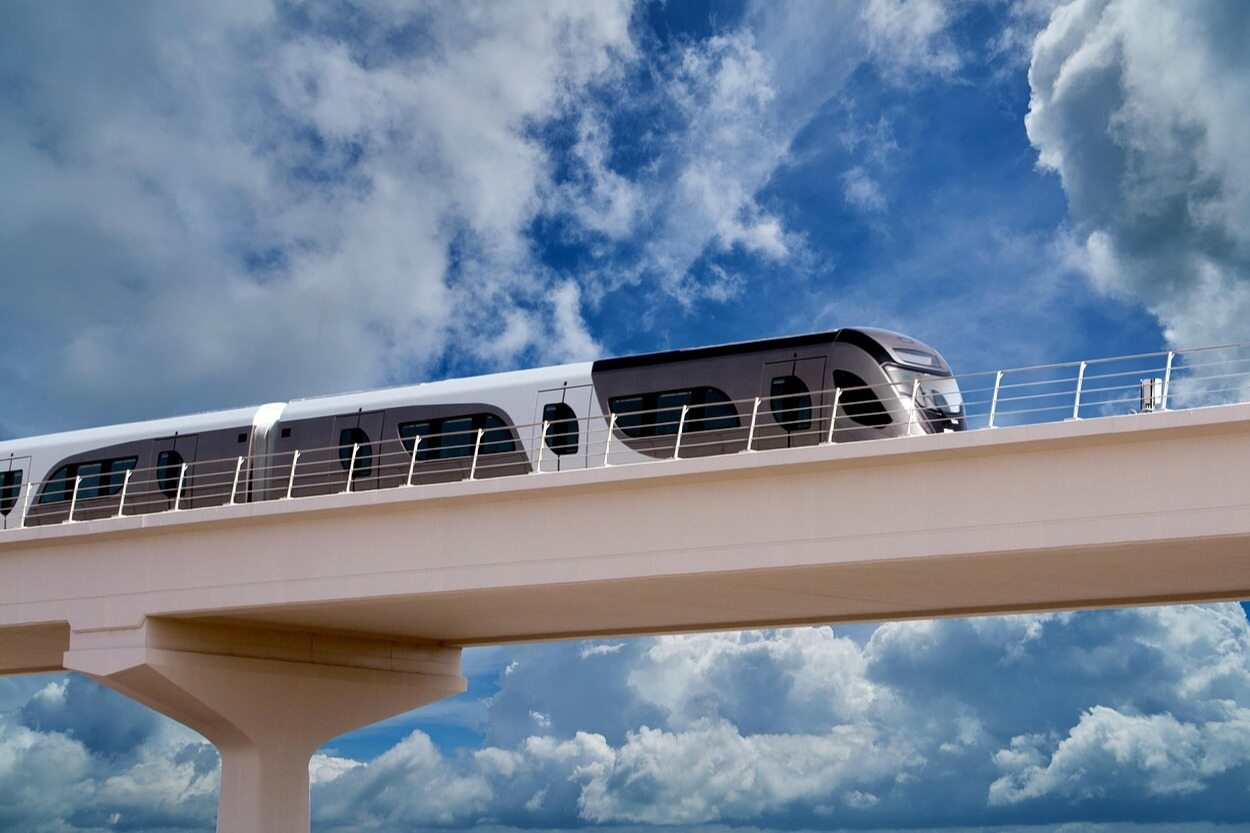
Since the implementation of the plan in the 1980s, the Baghdad Metro has never been able to overcome the dilemma of repeated delays. War, international sanctions, high costs, and financing disputes have repeatedly hindered the progress of the project. Over the past thirty years, the local government has repeatedly proposed construction plans, and multinational corporations have participated in bidding and cooperation, but none of them have been successfully implemented.
By June 2026, the Iraq Development Fund will complete all 36 supporting comprehensive studies, fill in the gaps in the demonstration of population travel, and overturn the previous pure underground high cost design, adopting a layered mixed route compression investment. Even if the planning work is implemented, the project still needs to go through 18 months of preparation before it can start construction. The experience of several failed bids in the past has also made the market wait and see for the final progress of the project.
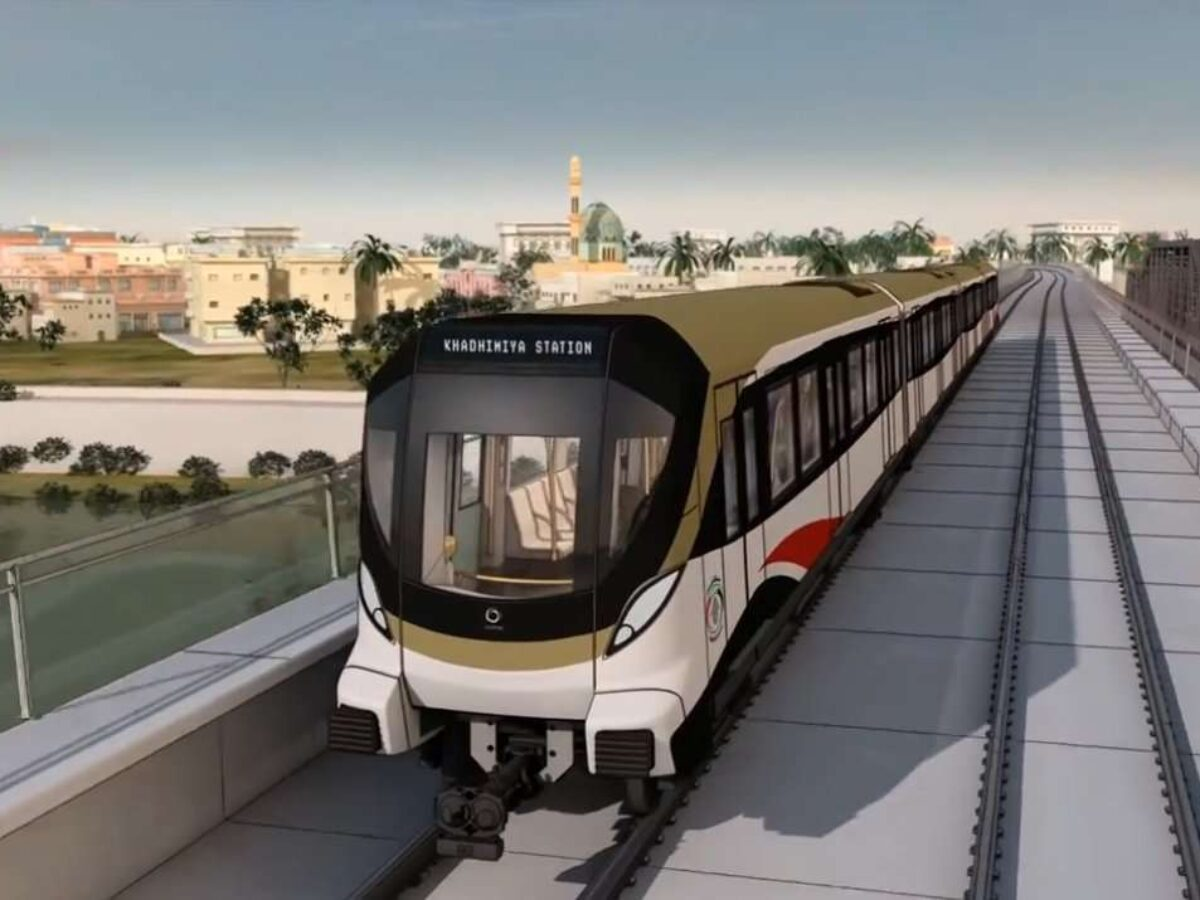
The bumpy journey of the project
The Baghdad Metro was first proposed in 1983, but several contracts signed over several decades have been stalled. The line agreement signed with Alstom in 2011 could not be pushed forward, the Franco Korean joint venture plan failed in 2019, and the construction plan for 2022 could not be realized. In 2024, the project launched a full process DBOMFT bidding, attracting 26 companies from six countries to participate. In July of the same year, a $18 billion contract was awarded to an international consortium composed of multiple countries, with Deutsche Bank responsible for financing. One year later, due to the inability to reach a consensus on the financial plan, the Iraqi government announced the resumption of bidding.
New route planning
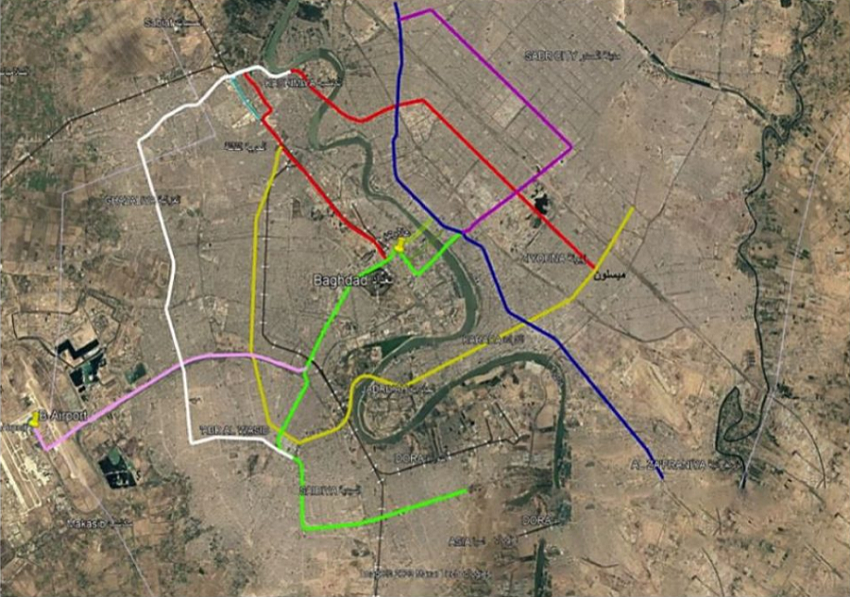
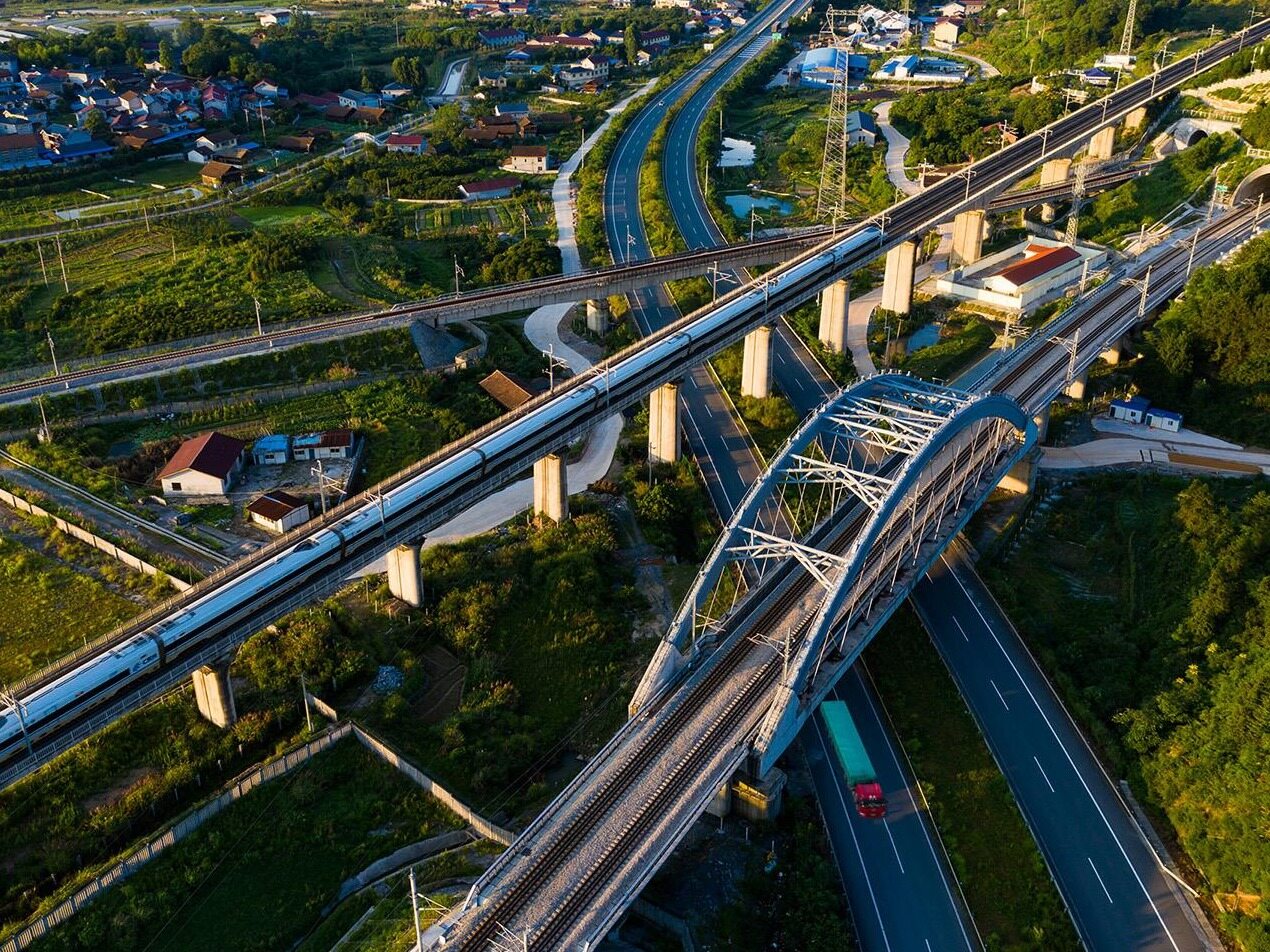
Previous plans have all focused on underground tunnels, with a cost of 200 million US dollars per kilometer, which is difficult to control. The new version of the plan distinguishes road section types, retaining underground lines in core congested areas, laying elevated lines in busy corridors, and using ground lines in other areas. The cost corresponds to different sections, significantly reducing overall investment. Keywords: Iraq infrastructure, rail transit planning
The 36 studies completed this time cover multiple dimensions of population, travel, and urban development, filling in the gaps in the previous needs analysis. At present, the financing plan for the project has not been publicly announced, and there are still variables regarding whether construction can proceed as scheduled after 18 months of preparation.Editor/Min Jing
Comment



 Praise
 Collect
 Comment

 Share
Share


Write something~