 Search


- Intending to invest in Anatolia Port in Georgia to build a new logistics artery spanning Europe and Asia
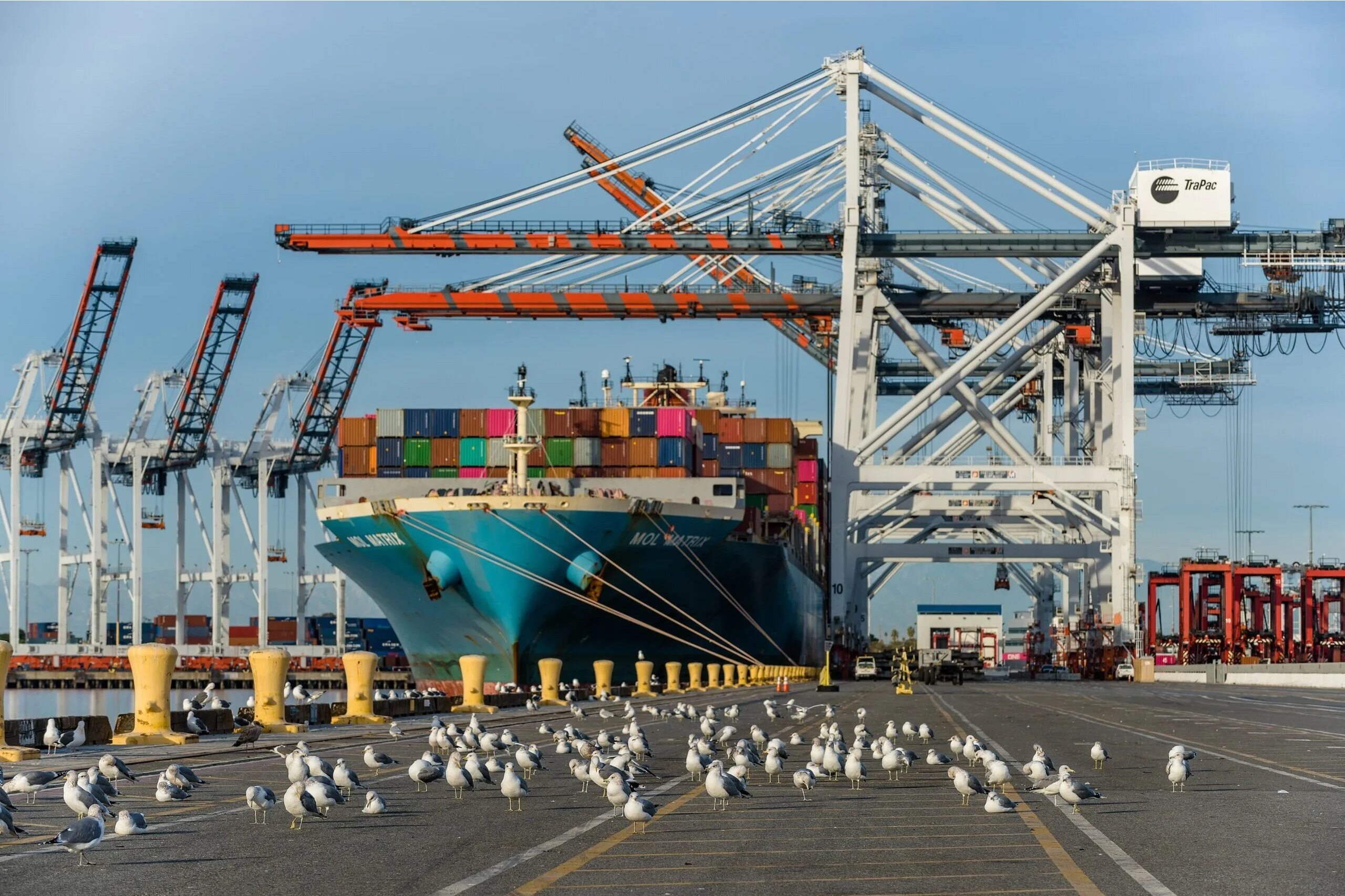
In the vast hinterland of Central Asia, Uzbekistan has always harbored a 'dream of going abroad'. In early July, the economic map of this dual landlocked country underwent a crucial outward extension - the country's Minister of Investment, Industry, and Trade, Laziz Kudlatov, personally led the team across the Caspian Sea and deep into Georgia on the west side of the Caucasus Mountains. This delegation's footsteps did not stop in the capital, but headed straight to the Black Sea coast, attempting to find a solid outlet for the soon to be connected China Kyrgyzstan Uzbekistan railway on the edge of this blue sea area.
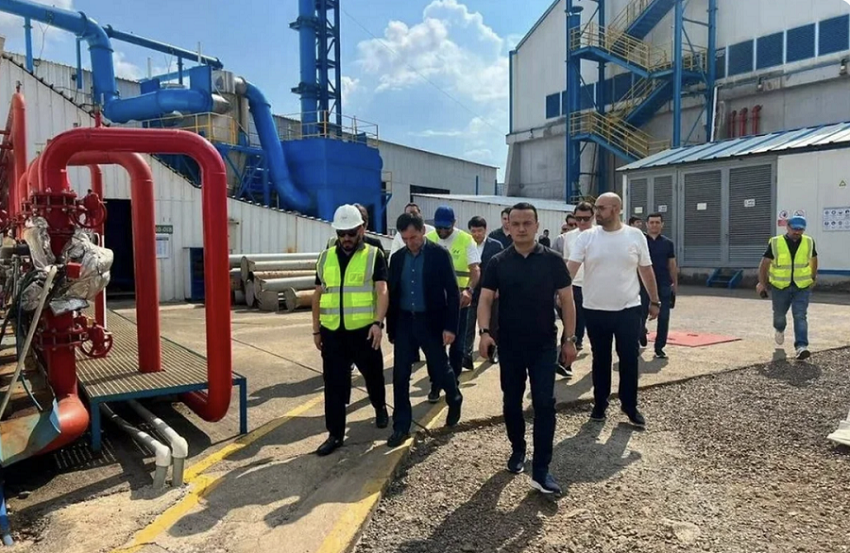
Lock onto Anaklia Port
The highlight of this inspection is undoubtedly the Anaklia Deepwater Port located in the northwest of Georgia. As the largest deep-water port planned in Georgia, it has superior water depth conditions and natural advantages for unloading large cargo ships. Kudlatov and his delegation conducted a detailed evaluation of the feasibility of Ukrainian enterprises directly participating in port construction. This is not only a site selection, but also a strategic positioning. Once the Ukrainian side successfully invests in and participates in the construction, Anaklia Port will become a key hub on the "middle corridor" connecting China and Central Asia, and then leading to Europe, perfectly undertaking the freight flow of the upcoming China Kyrgyzstan Uzbekistan railway and achieving seamless integration of railway and maritime transportation.
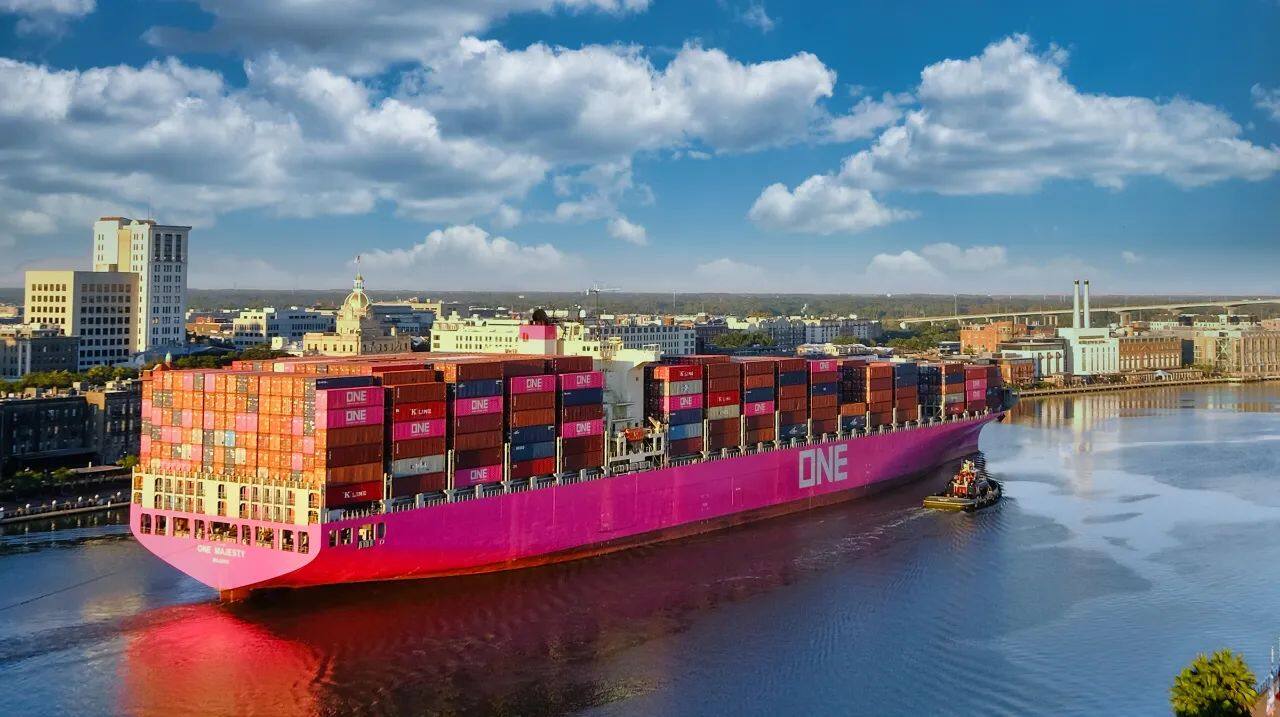
Fill in the gaps in warehousing and logistics
In addition to the grand port construction, the Ukrainian side also pays attention to the "capillary like" logistics supporting facilities. At the Port of Boji, both sides will focus on the practical construction of warehousing and freight terminal facilities. For Uzbekistan, which does not rely on the sea, having a dedicated cargo distribution base along the Black Sea coast means that transit costs can be significantly reduced and customs clearance efficiency can be improved. At Batumi Port, both sides discussed the possibility of exploring the potential of the Black Sea route. The improvement of these supporting facilities will ensure that goods from the Central Asian Games can not only be transported, but also stored and transported quickly, providing stable transit services for Uzbekistan's import and export commodities.
Weaving a dense logistics network in Central Asia
From a more macro perspective, behind this series of actions is Uzbekistan's ambition to break the geographical blockade and build a diversified logistics system. As a typical 'dual landlocked country', reducing transportation costs is the lifeline for enhancing its export competitiveness. With the advancement of the construction of the China Kyrgyzstan Uzbekistan railway, this new channel will greatly shorten the freight distance between China and Europe and the Middle East. Now joining forces with Georgia is precisely to advance the layout and extend the end of the railway to the Black Sea, thereby radiating to the European market. This not only strengthens the economic ties between Central Asia and the Caucasus region, but also injects new impetus into the coordinated development of the entire region.Editor/Yang Meiling
Comment


 Praise
 Collect
 Comment

 Share
Share


Write something~