 Search


- Large scale cross-border energy projects have become the core indicator of low-carbon integration in ASEAN
- Regional new energy cooperation encounters bottlenecks, mechanism game is more critical than engineering technology
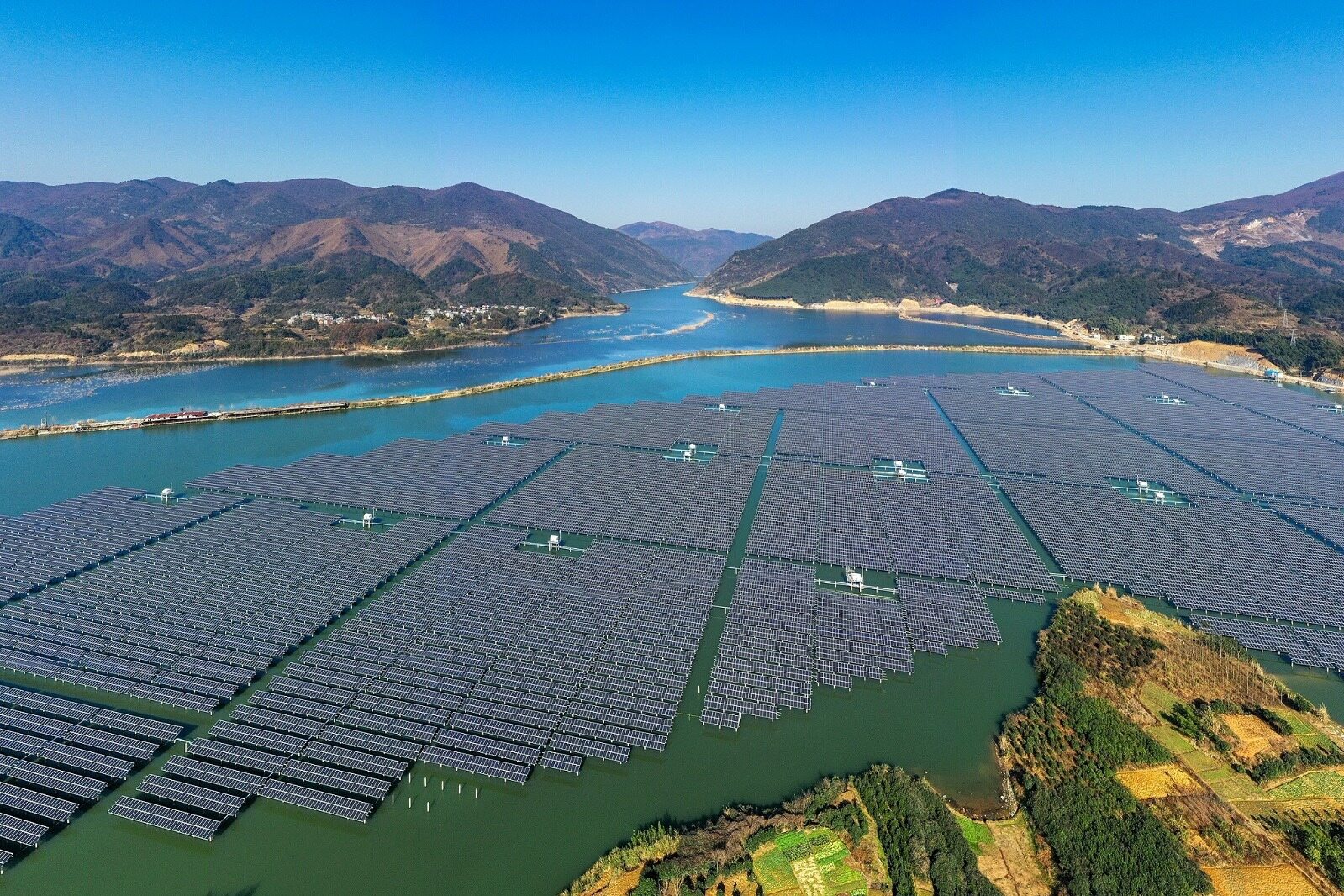
A green power corridor spanning the equator and the Strait of Malacca is about to emerge, but it remains uncertain. The $30 billion photovoltaic integration project launched by Indonesia's sovereign wealth fund is not only a commercial alliance for complementary energy between the two countries, but also an extreme stress test for the existing pattern of cross-border green electricity trade in ASEAN.
From a natural endowment perspective, this transaction can be considered a perfect match. Indonesia has inexhaustible sunshine resources and is eager to break away from its dependence on fossil fuels and generate revenue through exports; However, Singapore's land is limited, and its carbon neutrality goal heavily relies on external green electricity input. Convert Indonesia's light into Singapore's electricity, logically creating a perfect closed loop. However, ideals are full and reality is tough. The military order that will be put into operation in 2028 seems to be in jeopardy now.
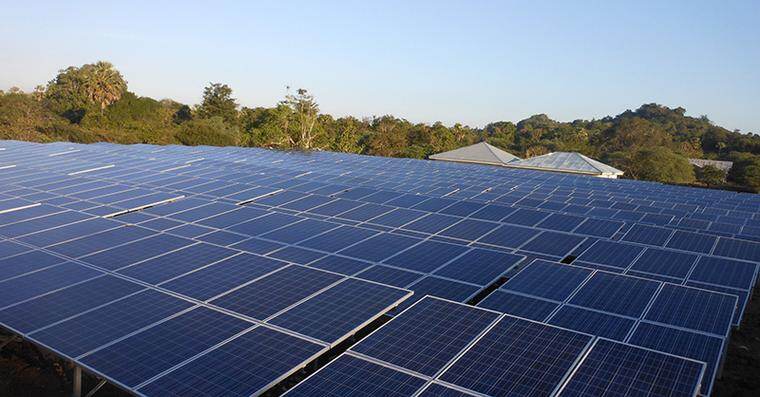
The obstacle lies not only in the technical gap between power grid peak shaving and energy storage, but also in the deep game at the institutional level. Despite a 20-year investment cycle, the uncertainty of Indonesia's five-year green power export qualification policy is enough to deter international capital. In addition, the standardization of cross-border power grids and the negotiation of electricity pricing mechanisms all require precise stitching.
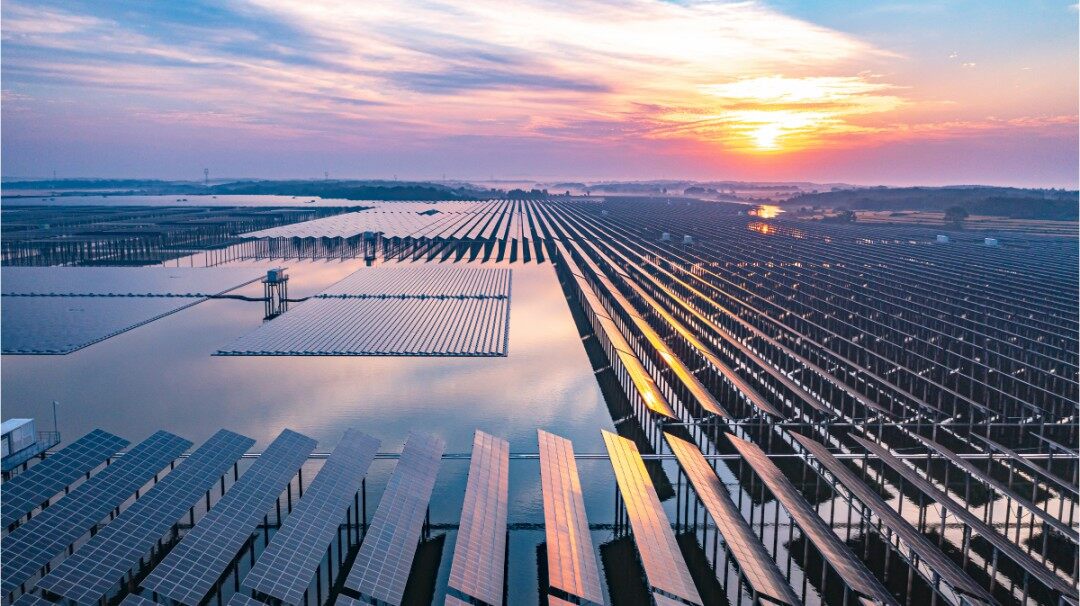
But this is precisely the benchmark significance of the project. Once it breaks through numerous obstacles, it will become the first large-scale green power channel in ASEAN, providing replicable models for countries such as Thailand and Malaysia in the region. On the contrary, it may expose structural contradictions that are difficult to reconcile in the process of ASEAN energy integration. Keywords: Cross border photovoltaics, green electricity trade, energy transformation
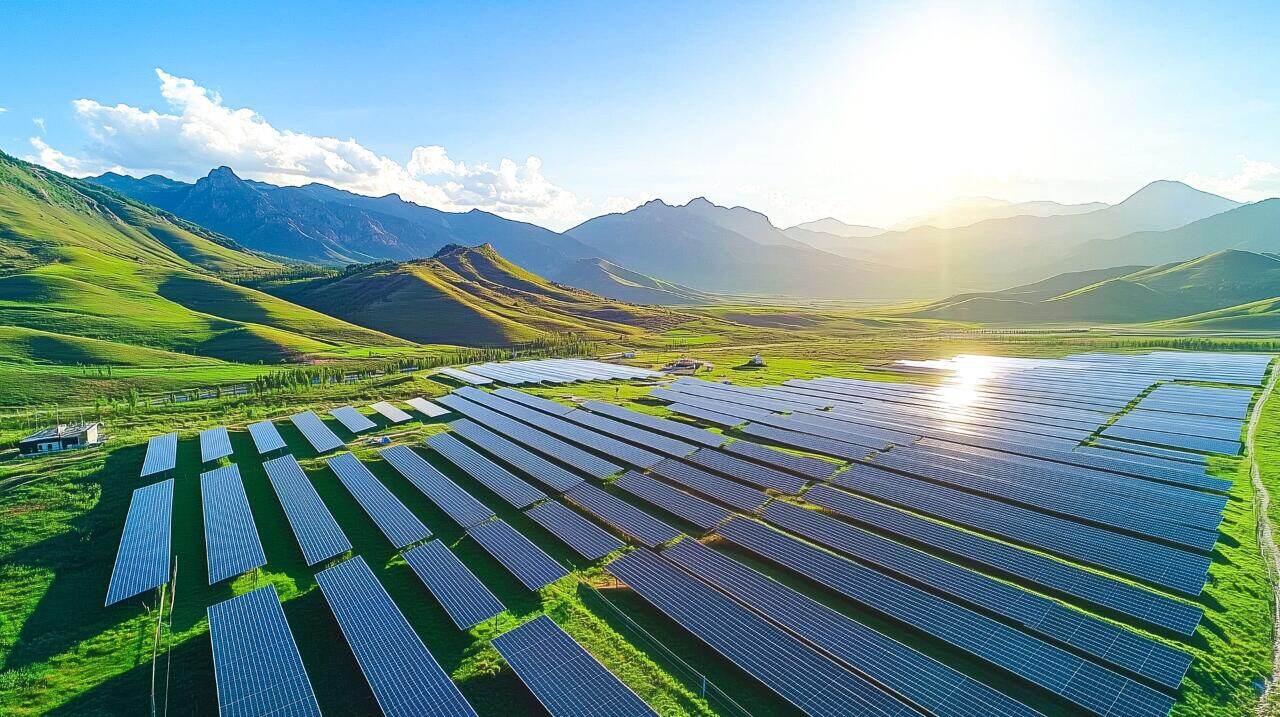
At present, this $30 billion project is at a critical decision-making stage. It is not only a chess game between Indonesia and Singapore, but also a touchstone for the entire Southeast Asia to observe whether cross-border green power can move from concept to reality. Success will usher in a new era of regional energy interconnection; Hindered, it serves as a warning to those who come later: the biggest bottleneck on the road to a low-carbon future often lies not in technology, but in mechanisms.Editor/Gong Ziwei
Comment





 Praise
 Collect
 Comment

 Share
Share


Write something~