 Search


- This super project, which once sparked great controversy, is scheduled to be completed within 8 years
- The intention is to fill the huge power gap in Myanmar, but the risks of earthquakes and geopolitical games are still unavoidable challenges
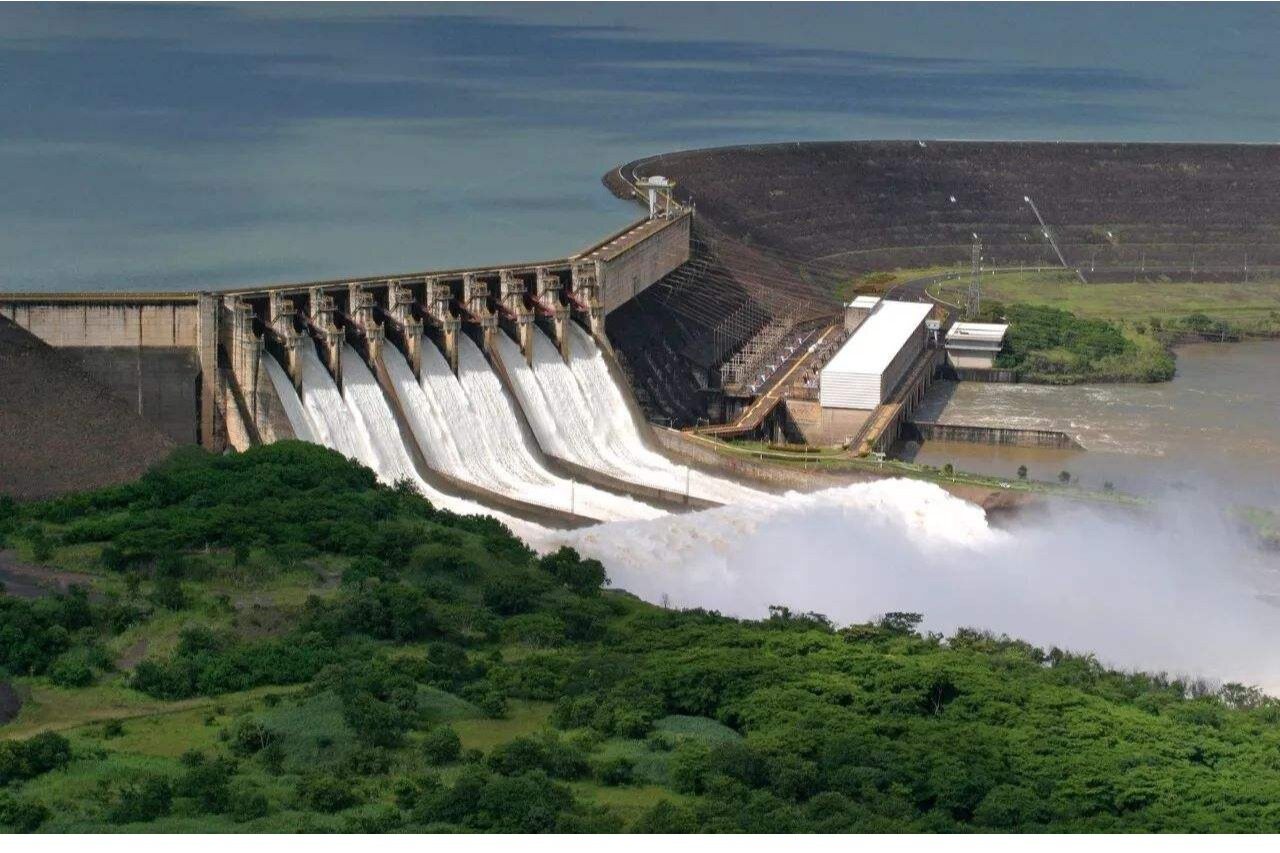
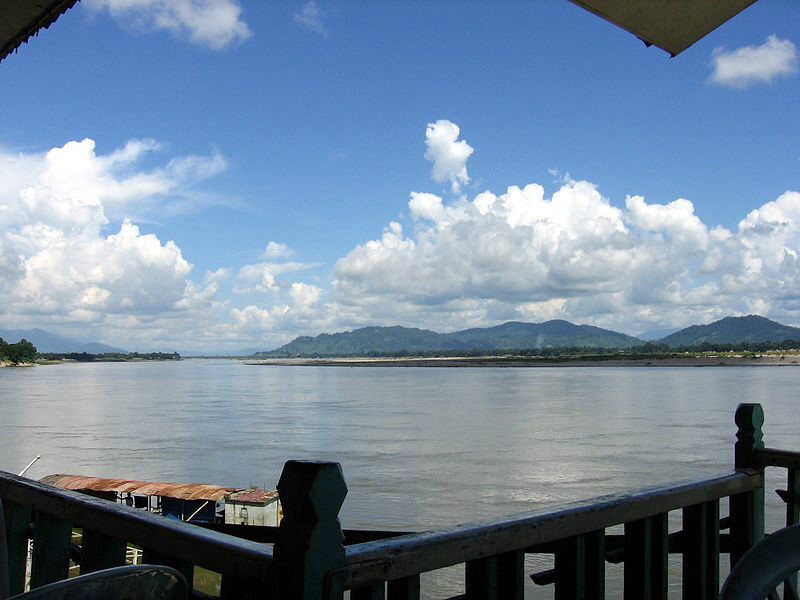
At the source of the Irrawaddy River, the Mali Hka River and the Nmai Hka River converge here, with swift currents and a majestic sound. The huge construction machinery has long been rusted, and the jungle is now devouring the construction traces left behind years ago. However, a recent internal news has shattered the silence here. At the end of June, Kachin Nam, the administrative head of Kachin State, outlined a completely different picture during a meeting with local residents: the dam, which has been suspended for many years, will be built within 8 years, becoming a historic achievement.
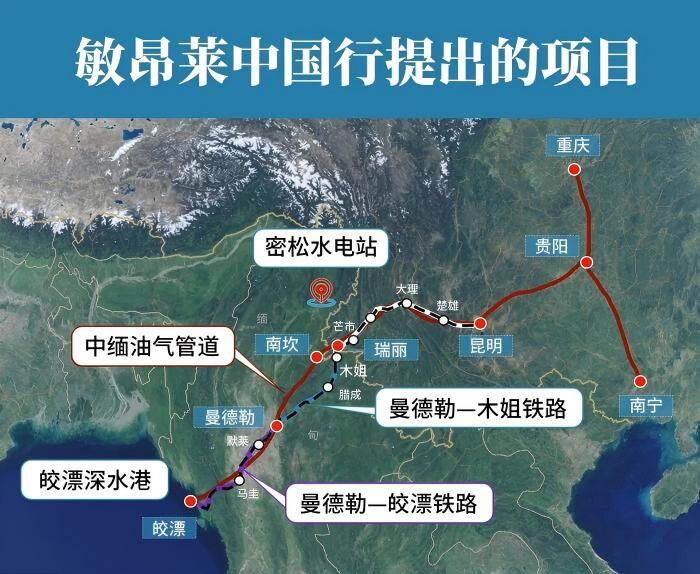
The release of this signal is not groundless, but closely follows the visit of Myanmar leader Min Aung Hlaing to China. With the advancement of the construction of the China-Myanmar Economic Corridor, this massive project, with a total investment of 3.6 billion US dollars and an installed capacity of 6,000 megawatts, has once again been brought to the table.
Eight-year construction countdown
In mid-June 2026, Min Aung Hlaing paid a five-day state visit to China, during which 18 cooperation documents were signed between China and Myanmar. Although the joint statement did not directly mention Myitsone at that time, a spokesperson for the Myanmar President's Office later confirmed that the project had been mentioned during high-level talks. Immediately afterwards, Kachin State entered a period of intense public opinion preparation.
According to the latest statement from Keqin Nan, the project, which originally required a ten-year construction period, is expected to be compressed to over eight years due to the completion of a large amount of preliminary work. More importantly, there has been an upgrade in technical parameters. Regarding the most concerning issue of earthquake resistance, Keqin Nan claimed that the revised plan has upgraded the dam's earthquake resistance level from the original level 6 to level 8, and introduced a satellite real-time monitoring system. In order to win public support, the authorities have even set up a special committee of 13 people. Since the end of last year, more than 26 public meetings have been held locally, trying to clear the obstacles for resuming construction.
A giant beast with lingering controversies
Despite the official positive attitude, this sleeping giant of electricity still faces numerous doubts. The Myitsone project is located near the seismically active Sagaing fault zone. The 7.7-magnitude earthquake that occurred in Myanmar in March 2026 once again strained the local people's nerves regarding dam safety. Currently, the detailed engineering report on the new seismic design and the full text of the independent third-party environmental impact assessment have not been fully disclosed, which has exacerbated the external distrust.
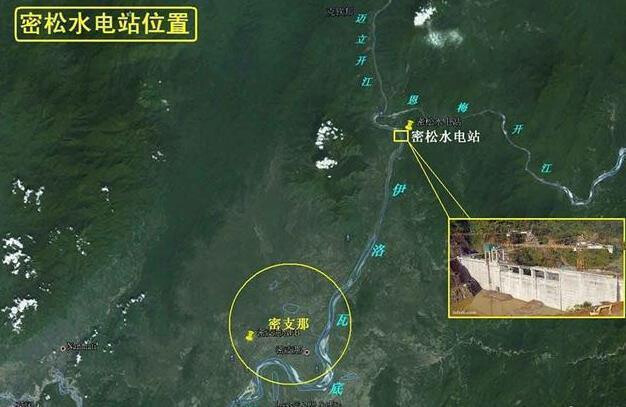
In addition to geological risks, the social impact is equally significant. According to the plan, the 152-meter-high dam will form a reservoir covering approximately 766 square kilometers, an area nearly the size of Singapore. Early estimates suggest that 47 villages will be inundated, requiring the relocation of over 12,000 residents. As recently as May this year, 49 civil society organizations jointly called for the complete halt of the project, accusing the government of suppressing opposition voices and emphasizing that the project should not be forcibly pushed forward without the genuine consent of the local community. Furthermore, the attitude of local armed forces such as the Kachin Independence Army is also crucial. They insist that the future of the project must be determined by the residents of Kachin State themselves, rather than by the unilateral will of Naypyidaw.
The game of billions of kilowatts of electricity
Dating back to 2006, China and Myanmar signed a memorandum of cooperation and subsequently established a project company with the Chinese side holding 80% of the shares. As the largest of the seven dams on the upper reaches of the Irrawaddy River, the Myitsone Hydropower Station was originally planned to have an installed capacity of 6,000 megawatts. Upon completion, about 90% of the electricity generated will be transmitted to Yunnan Province in China, bringing approximately $500 million in annual revenue to Myanmar. This is undoubtedly a huge asset for Myanmar, which faces a power shortage. According to official data, if the project can operate at full capacity, it will be able to meet about half of Myanmar's electricity demand.
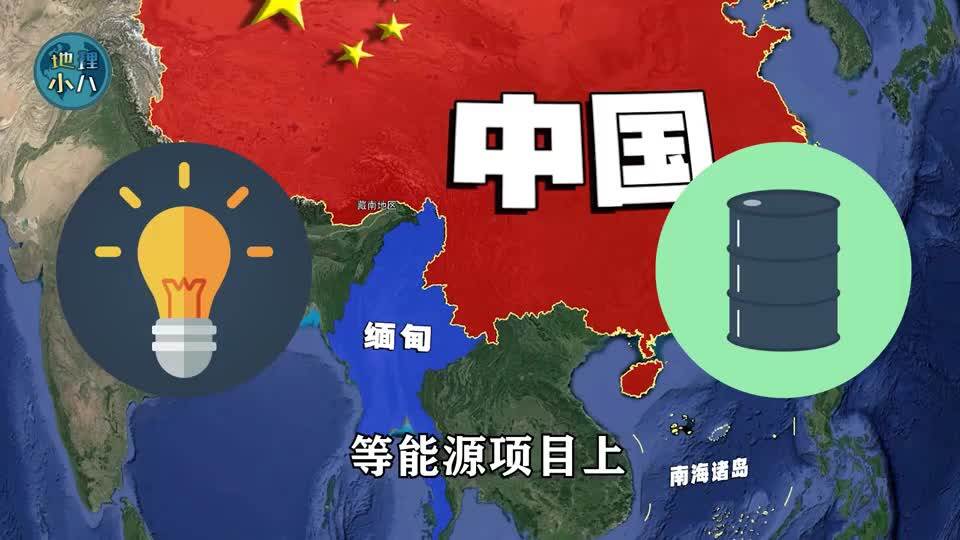
However, the more than ten-year suspension has significantly increased costs. Some analysts, citing data from the International Renewable Energy Agency, point out that if the project were to restart at this time, the cost could soar from the initial $3.6 billion to $11.5 billion, more than tripling. Although both China and Myanmar are interested in promoting connectivity, under the current situation, whether to adjust the originally determined proportion of power exported, and how to balance investment returns with local people's livelihood, remain unresolved challenges. The future of Myitsone is not only about the rise and fall of a dam, but also about a long-term game between Myanmar's resource sovereignty and development aspirations.Editor/Yang Meiling
Comment


 Praise
 Collect
 Comment

 Share
Share


Write something~