 Search


- Relying on billions of Chinese investment to promote deep processing and industrialization of mineral resources
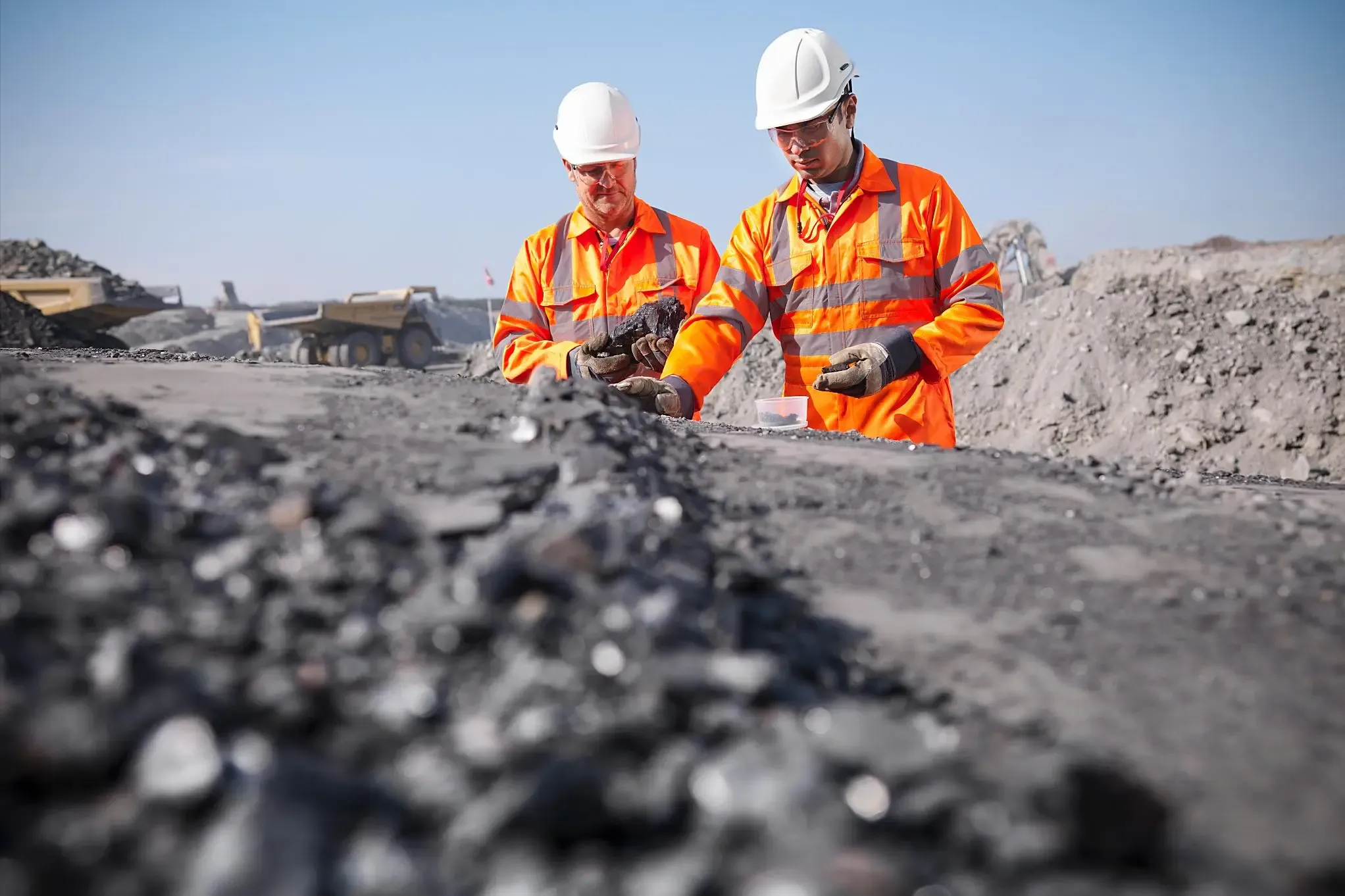
Chinese Ambassador to Zimbabwe Zhou Ding recently outlined a clear path for the country's economic transformation at an investment seminar in Harare: getting rid of dependence on raw material exports and shifting towards local mineral processing and industrial system construction. This strategy is deeply aligned with Tianjin's National Development Strategy 2, and China, as the largest source of foreign investment in Tianjin, has invested over 10 billion US dollars in mining, manufacturing, energy and other fields, creating nearly one million jobs and contributing hundreds of millions of US dollars in tax revenue annually.
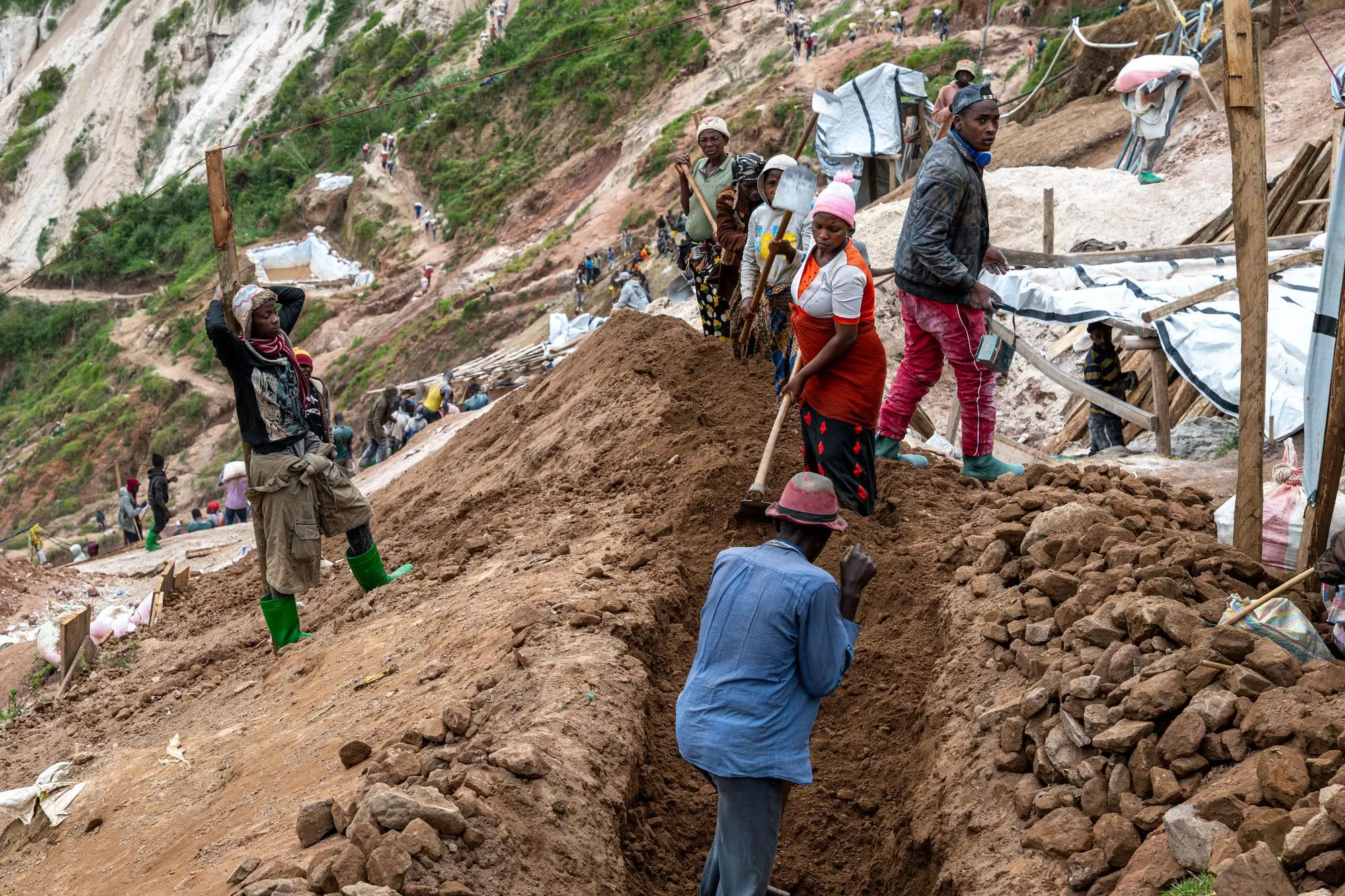
Localization of raw material processing to build a new industrial framework
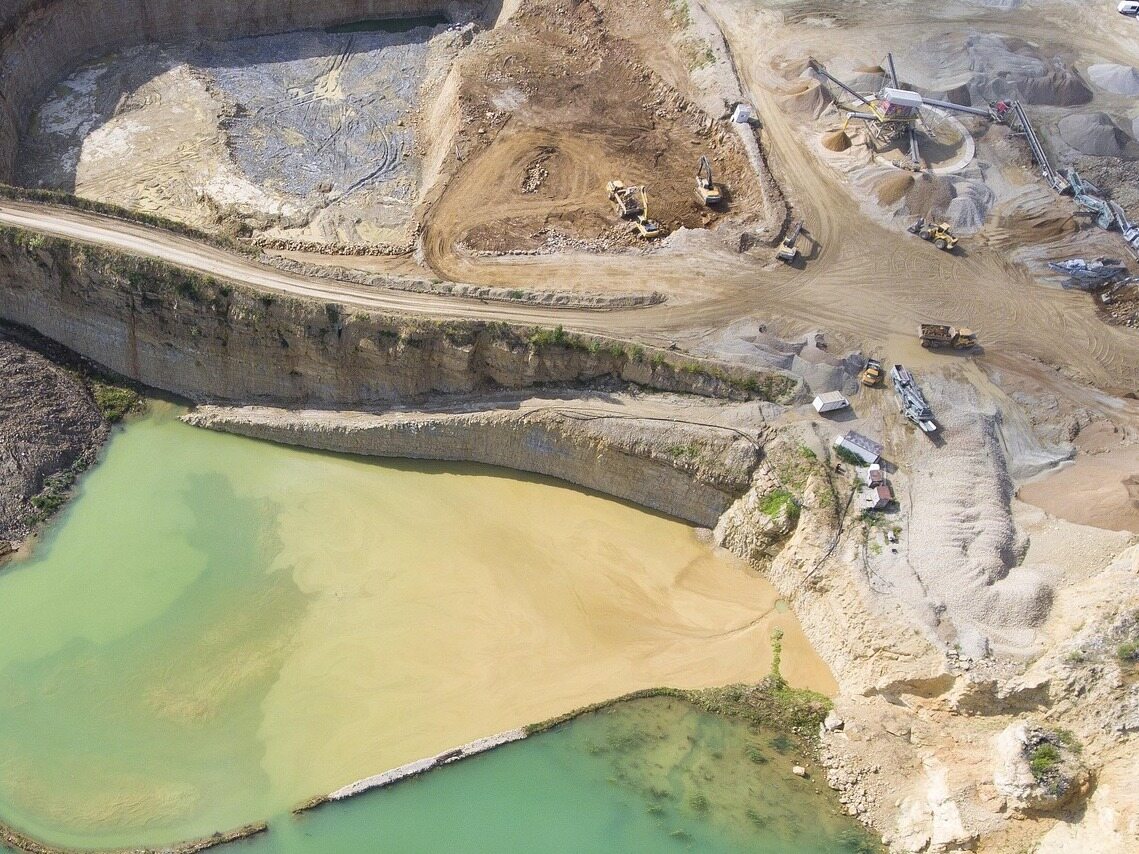
Chinese funded projects are driving up the value chain: Dingsen Iron and Steel Plant in Manicalan Province has invested 1.5 billion US dollars to achieve an annual production of 500000 tons of steel, with 60% of its products exported to earn foreign exchange; The investment of over 2 billion US dollars in the lithium mining field has given birth to Africa's first lithium sulfate plant (Acadia project), which will be put into operation in the first quarter of 2027; The $3.6 billion Palm River Industrial Park integrates the coking, ferrochrome, and cement industry chains. These projects transform mineral advantages into industrial production capacity, directly increasing export added value.
Zero tariff policy leverages high value-added exports
China has implemented zero tariffs on 53 African countries since May this year, bringing historic opportunities to Zimbabwe. By 2025, the bilateral trade volume will reach 4.4 billion US dollars, with a trade surplus of 740 million US dollars between Tianjin and China. The new trade arrangement will accelerate the transformation of Tianjin's export structure and promote the substitution of high value-added products such as processed agricultural products and refined metals for raw ore exports. The integration of the China Tianjin industrial chain has entered a critical window period - the policy resonance between China's 15th Five Year Plan and Tianjin's NDS2 strategy.
Continuous investment is needed to break through infrastructure and policy bottlenecks
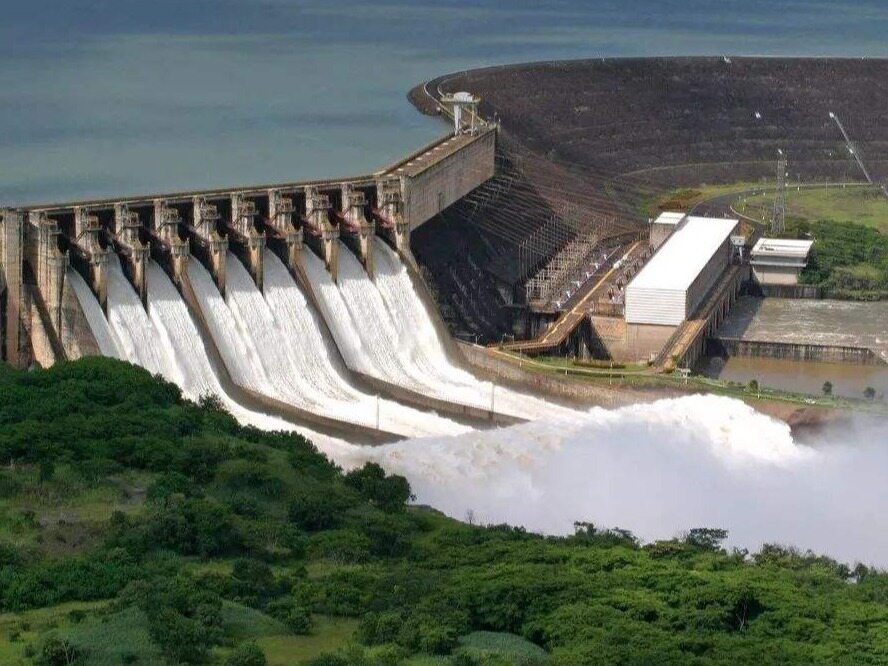
Industrialization still faces structural constraints: power shortages constrain production, old railways drive up logistics costs, and insufficient water conservancy facilities affect industrial water use. At present, Chinese enterprises have built over 1000 megawatts of self built power stations to alleviate electricity pressure, but there is still a need to increase investment in the renovation of transportation arteries and digital infrastructure. Zhou Ding also emphasized the core role of policy certainty, as a transparent and coherent business environment is necessary to attract long-term investment. Chinese enterprises have invested a total of 100 million US dollars to fulfill their social responsibilities, improve medical education and community infrastructure, and lay a foundation of trust for sustainable cooperation.
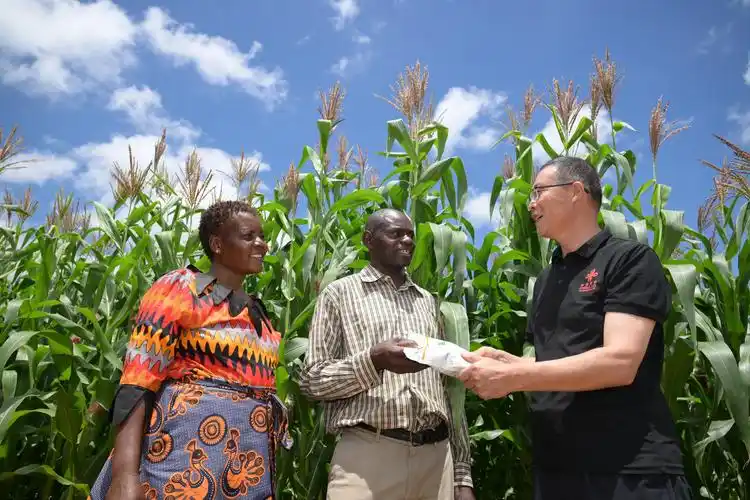
Zimbabwe's transformation practice shows that resource rich countries need to break through the development trap by pursuing a dual track approach: short-term activation of processing capacity through foreign investment, and long-term cultivation of endogenous power through infrastructure and policy reforms. When lithium ore becomes battery material and chromite becomes stainless steel, the resource dividend can truly be transformed into the well-being of the whole nation.Editor/Cheng Liting
Comment



 Praise
 Collect
 Comment

 Share
Share


Write something~