 Search


- Intending to seize the high ground of the value chain in the global clean energy transition wave
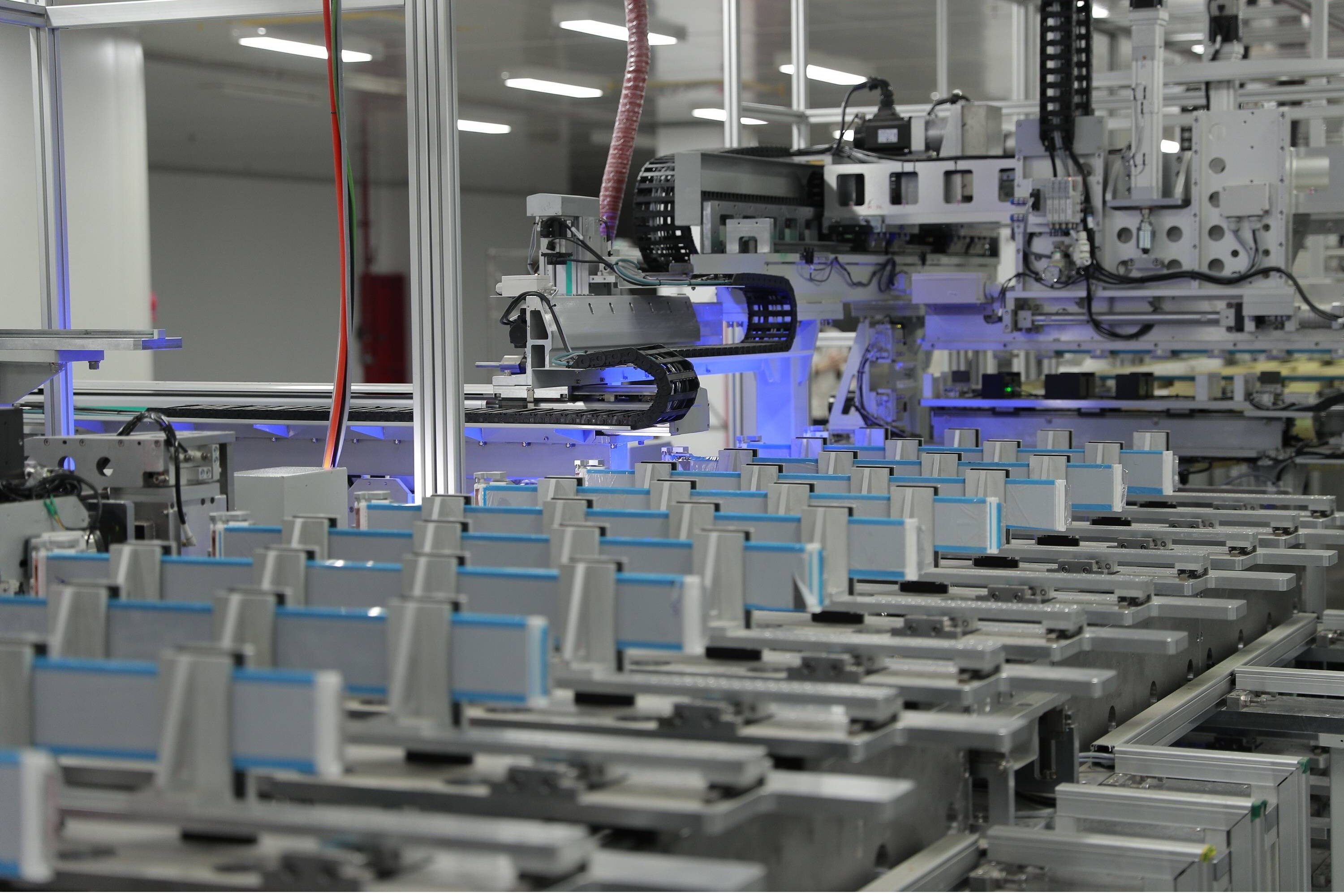
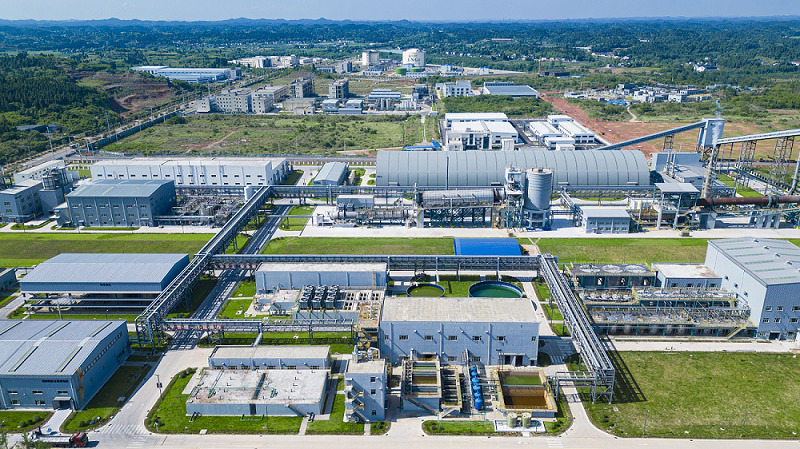
The morning sun shone on the red soil of Endo community in Naxalawa state, and the roar of machines shattered the previous tranquility. A brand new industrial facility rises from the ground, and the conveyor belt begins to slowly operate, sending the gray white ore into the crushing workshop. For local residents, this is no longer a stone buried underground, but a hope for the country's economic transformation. This factory, operated by Diamond New Energy Limited, is not only the largest lithium processing plant in Nigeria, but also an important milestone for the country to transform its resource advantages into industrial advantages.
Capacity scale jumps
The completion of this factory marks a new stage of industrialization in the development of lithium mines in Nigeria. The data shows that the daily production capacity of the factory is as high as 6000 tons, and the annual processing capacity of ore can reach 3 million tons. As an emerging major producer of lithium mines in Africa, Nigeria's "lithium mining belt" spans the country for approximately 450 miles. In addition to the state of Naxalawa, several states such as Kochi, Kwara, and Ekiti have identified spodumene and lithium mica with commercial mining value. Only recently, a new polymetallic ore cluster was discovered in Kaduna state, providing a solid raw material guarantee for local deep processing. Now, these raw ores that used to need to be shipped overseas can finally be processed locally.
Sitting on a trillion dollar trend
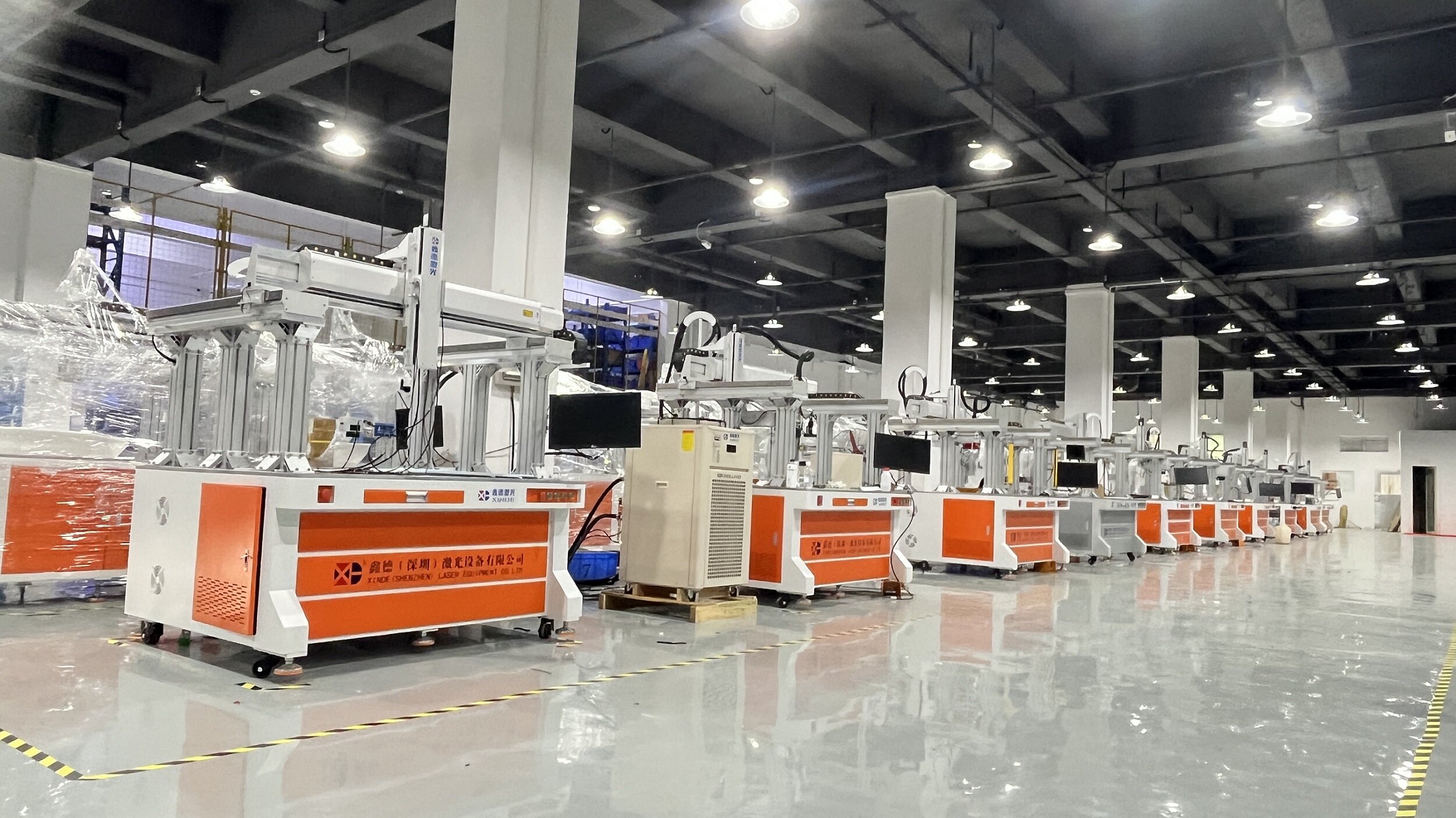
Lithium is known as "white oil" and is the core raw material for manufacturing power batteries. As the global transition towards clean energy accelerates, from electric vehicles to laptops, and then to large-scale energy storage devices, the demand for lithium is exploding. The latest report from the United Nations Conference on Trade and Development depicts an astonishing growth curve: from 2024 to 2040, global lithium demand is expected to soar 353%, and graphite demand will also increase 131%. The report further predicts that the proportion of lithium consumed in the clean energy sector will climb from the current 62% to 87% by 2040. This means that whoever controls lithium resources holds the throat of the new energy era.
Competing for the high ground of value
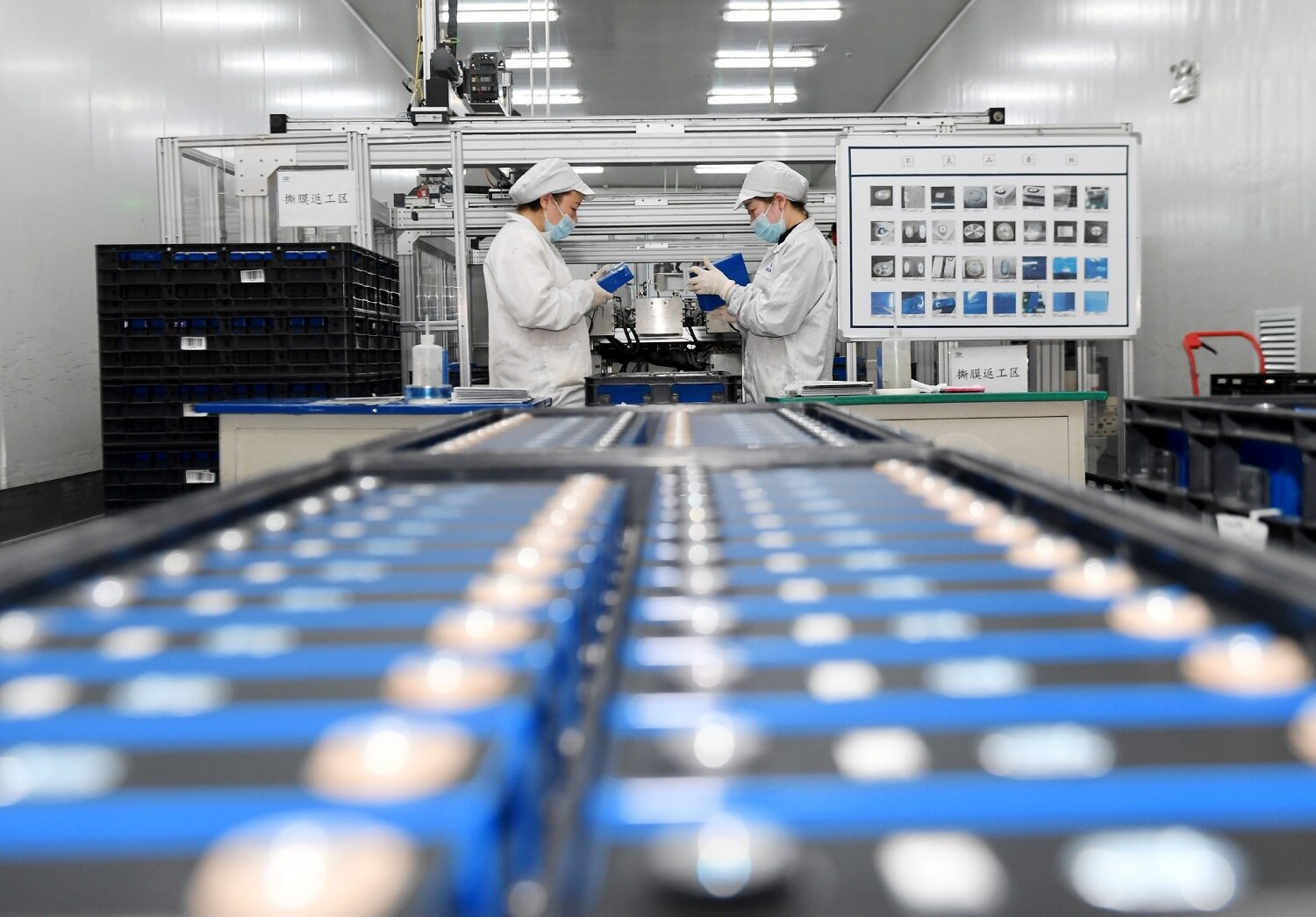
For a long time, resource rich countries have often been trapped in the dilemma of exporting raw materials and importing high value-added products. Nigerian President Bora Tinubu stated that the commissioning of this factory is a crucial step in transforming mineral resources into industrial and economic value. In the context of intensified global competition for key minerals, simple resource exports are no longer sufficient to meet development needs. Nigeria is vigorously promoting the deep processing of local minerals, striving to break free from dependence on primary product exports and move upstream in the global key mineral value chain. With the commissioning of this largest lithium processing plant, Nigeria is expected to establish its own competitive advantage in the fierce global resource competition.Editor/Yang Meiling
Comment


 Praise
 Collect
 Comment

 Share
Share


Write something~