 Search


- Complete photovoltaic industry chain supply advantages, helping Chinese enterprises seize overseas incremental markets
- Several Central Asian countries are vigorously developing the photovoltaic industry and offering favorable investment policies to attract overseas investment in new energy
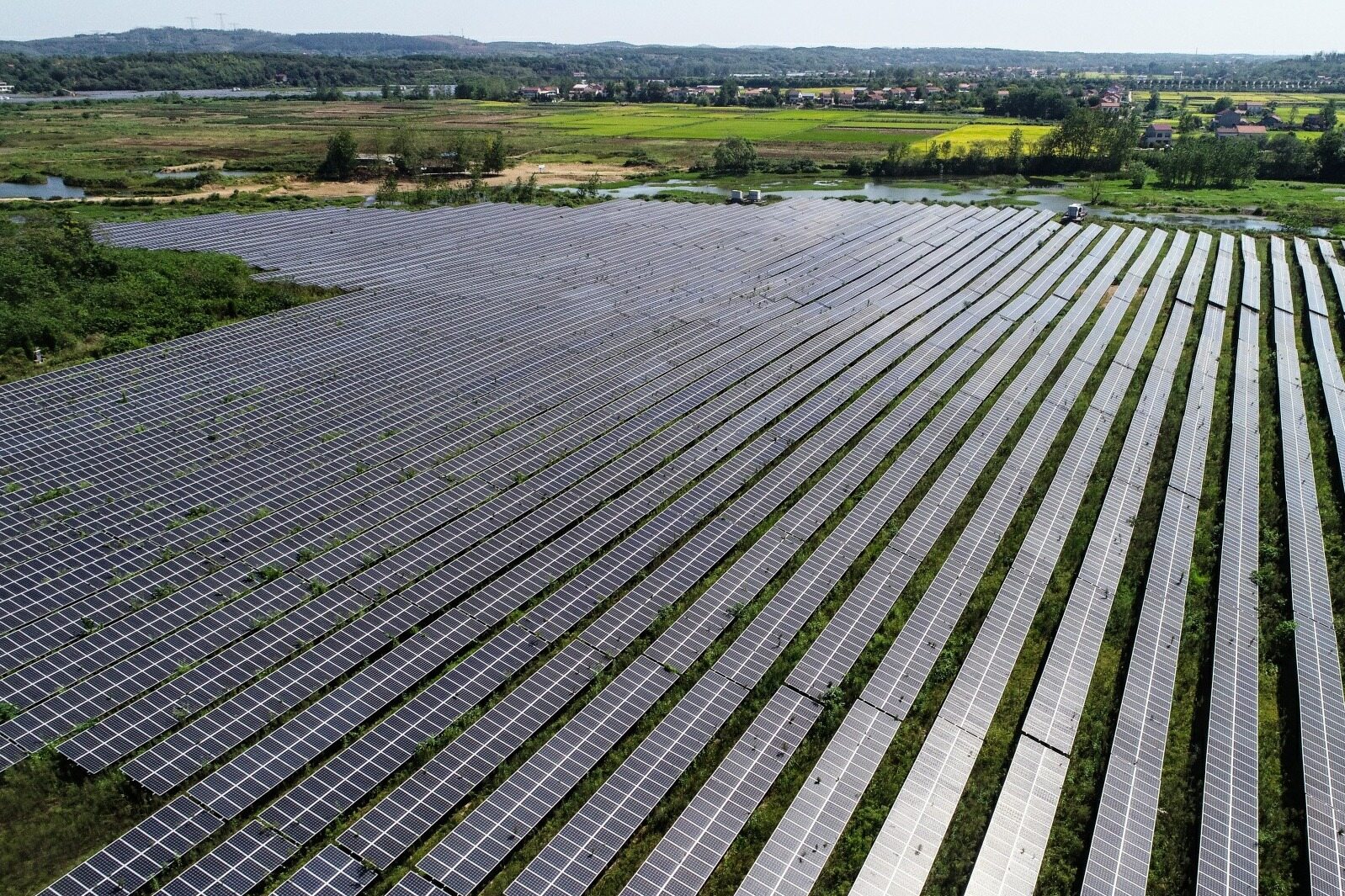
As the tropical monsoon brushes over the dense rooftops of Southeast Asia and the vast Gobi Desert of Central Asia, a silent energy revolution is unfolding. Faced with a huge gap in clean electricity, from scattered household photovoltaics to data centers that support the flood of computing power, China's photovoltaic industry chain is becoming a key force in lighting up the green future of this region.
The ASEAN 2025 target for renewable energy to account for 23% is higher than the average for many countries, but the current actual proportion is only 6%, indicating a strong demand for photovoltaic installed capacity. Thailand, Vietnam, Cambodia and other countries have successively introduced supportive policies: Thailand has raised its target for the proportion of clean energy generation, implemented photovoltaic subsidies and personal income tax reductions, and included photovoltaic supporting products in mandatory certification; Vietnam sets photovoltaic installation targets, enforces the promotion of rooftop photovoltaics, and issues annual installation targets; Cambodia cancels import tariffs on photovoltaic equipment to reduce installation costs.
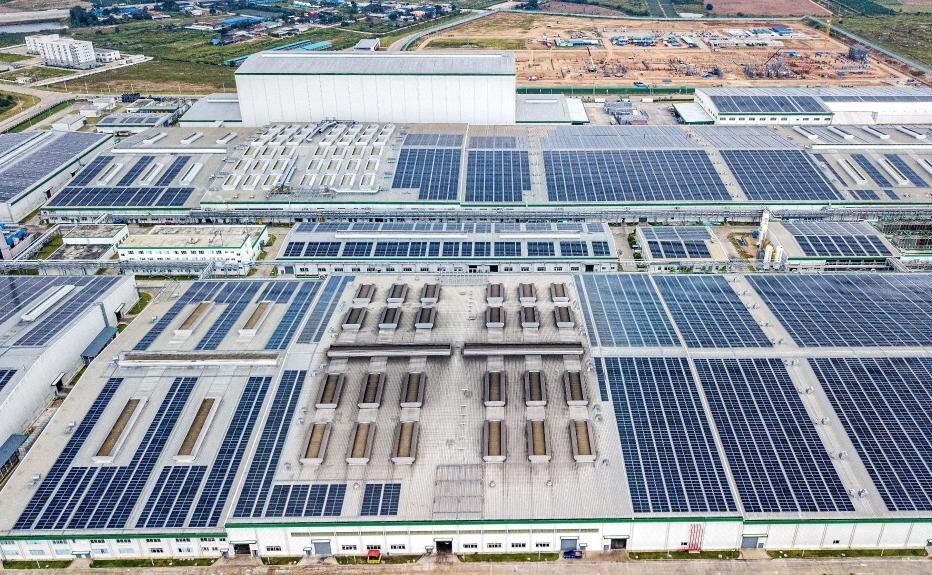
Southeast Asia's photovoltaic policy intensifies
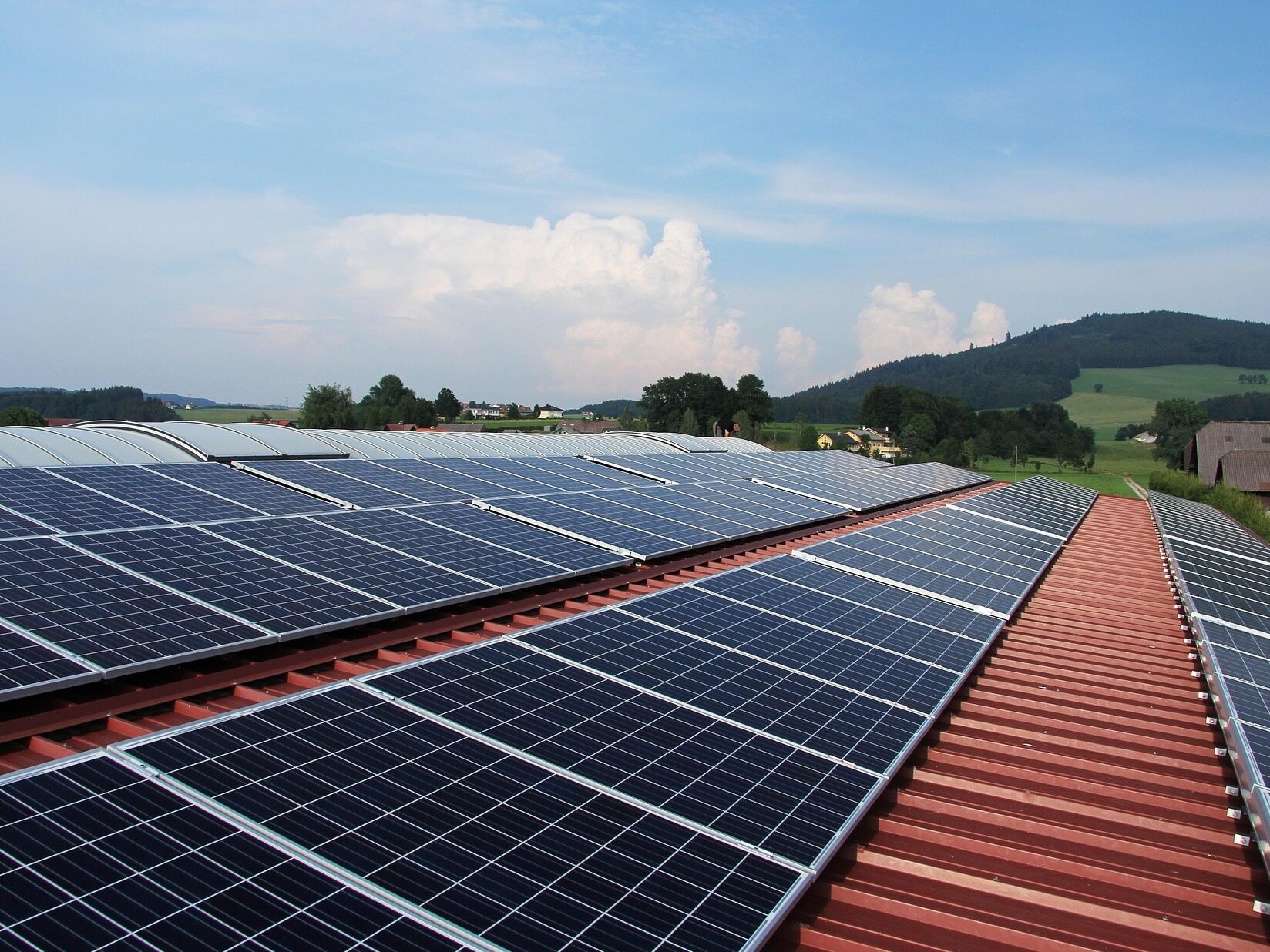
Distributed photovoltaics is the main development trend in Southeast Asia, and the shortcomings of the local power grid have prompted countries to prioritize the layout of household and commercial photovoltaics. In the first four months of 2026, Chinese module exports to Southeast Asia surged by 267% in a single month. Computing infrastructure has become a new growth point for demand, and the Southeast Asian computing market is expanding rapidly, with a large number of data centers accelerating their landing. Malaysia is building an integrated solar energy storage and computing project, with green power gradually becoming a standard feature in data centers. The proportion of green power usage in data centers is expected to significantly increase within the year.
Two major tracks drive demand
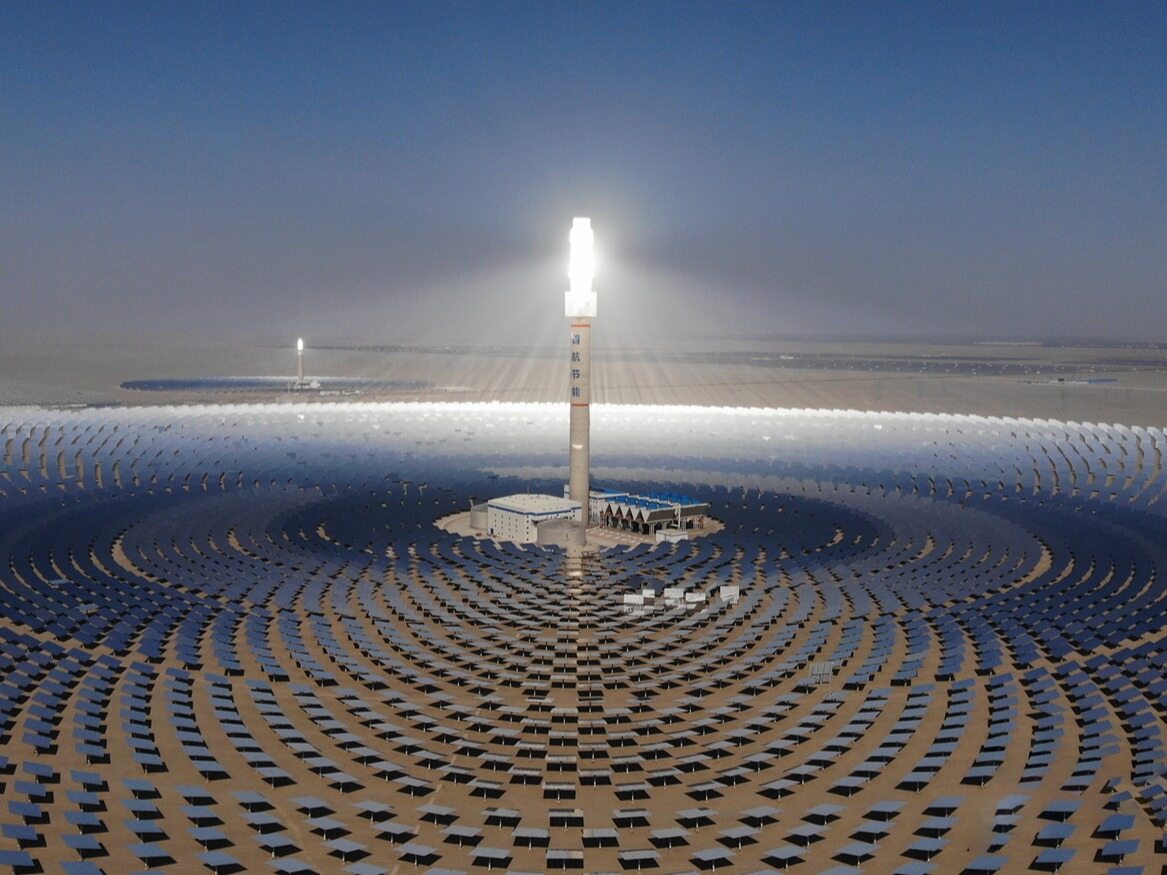
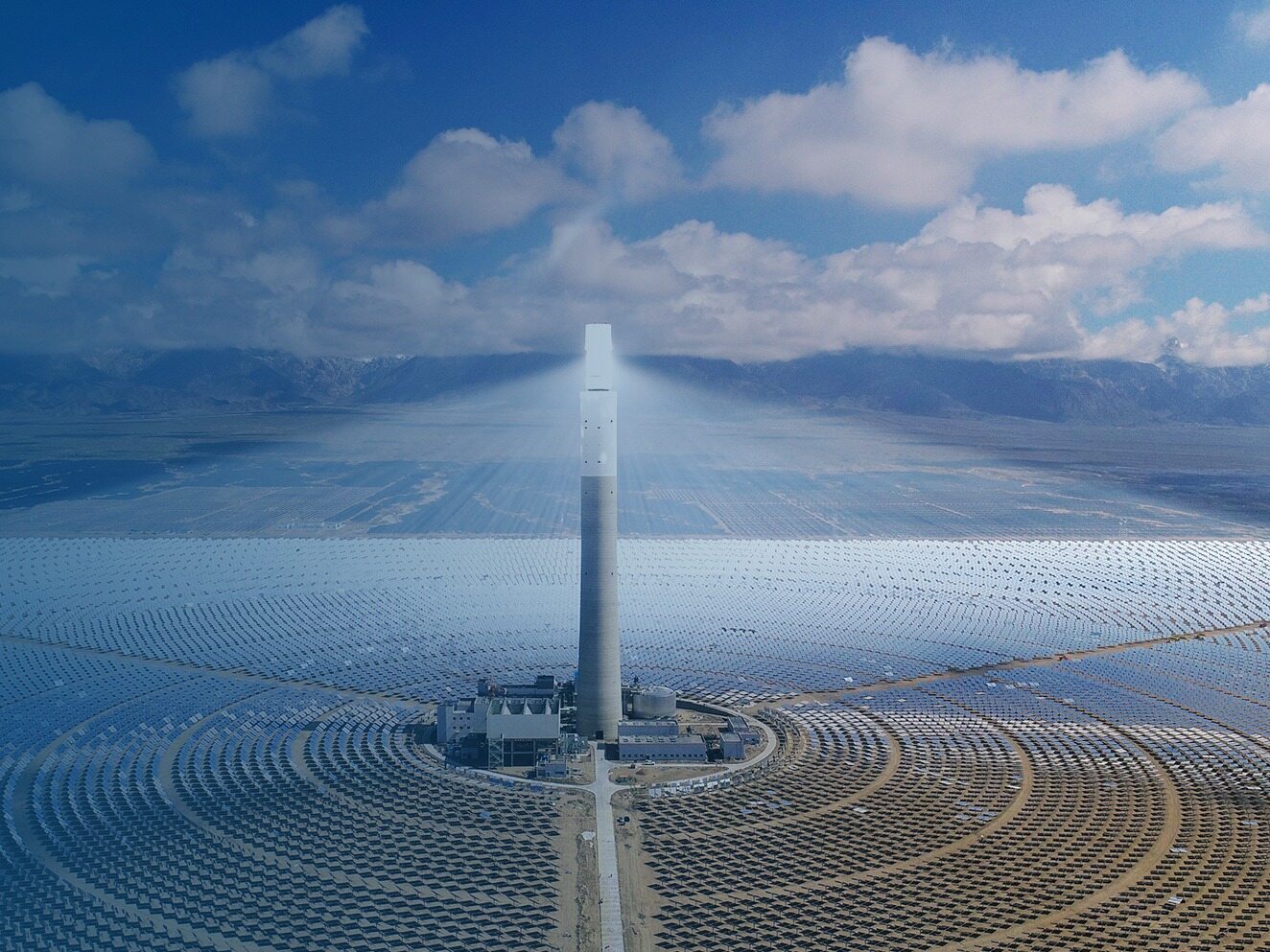
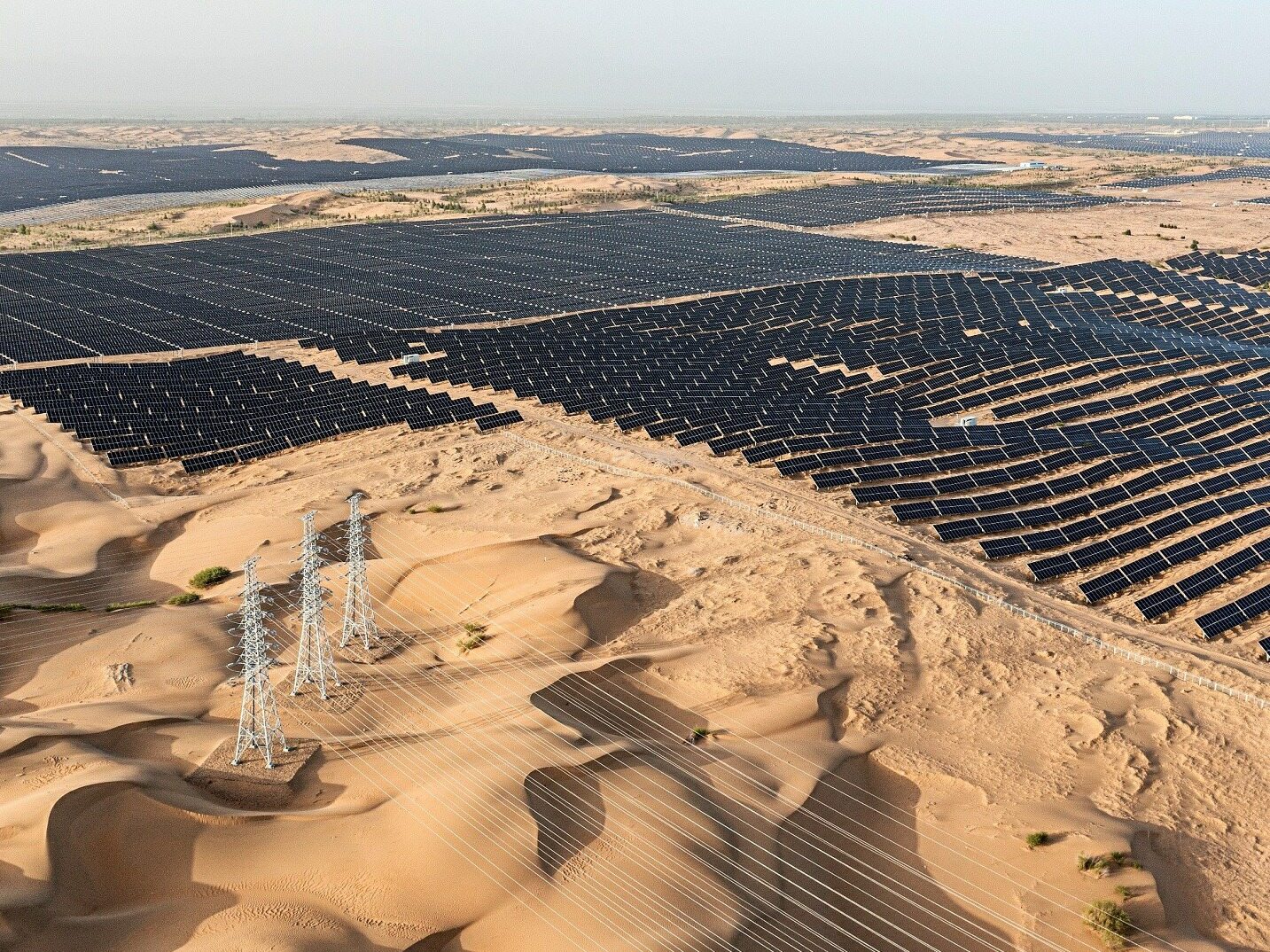
Central Asian countries rely on light resources to promote photovoltaic transformation. Kazakhstan will gradually increase the proportion of renewable energy, and new power generation projects will completely solve the electricity gap. Uzbekistan has launched dozens of key new energy projects, coupled with multiple tax, land, and foreign exchange incentives, to unleash large-scale procurement demand. Keywords: photovoltaic going global, ASEAN energy transformation, distributed photovoltaic
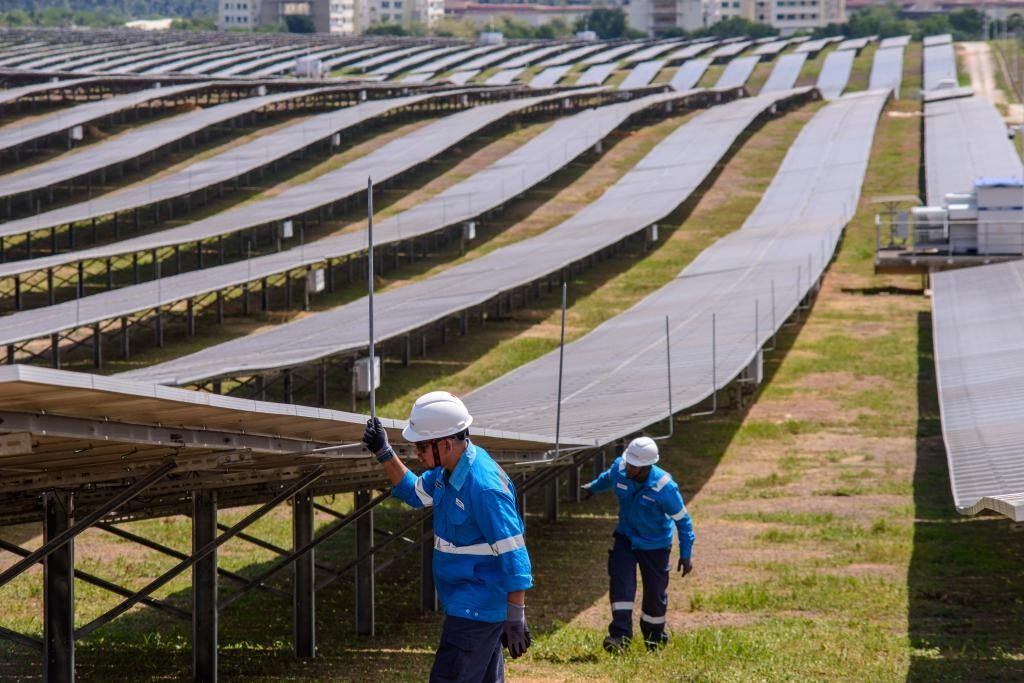
China's photovoltaic exports are strengthening
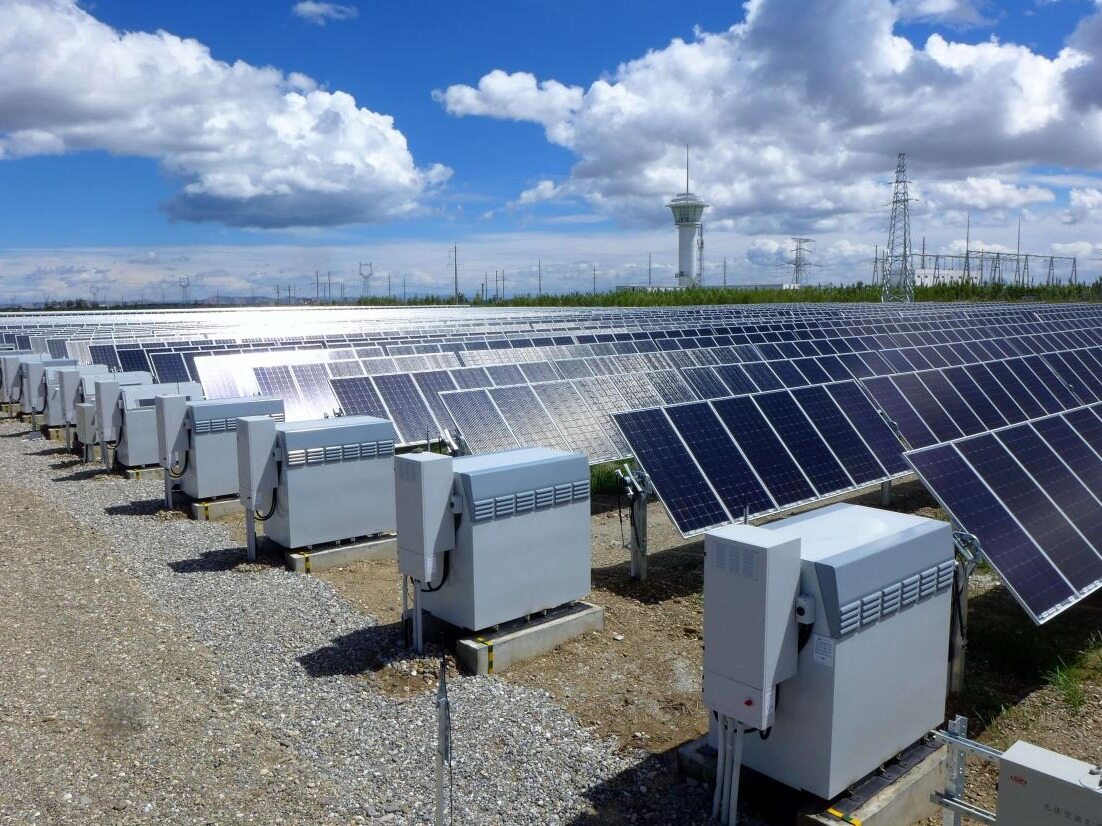
From January to April 2026, China's photovoltaic product exports increased by 43% year-on-year, with Southeast Asia as the core incremental market. The export scale of supporting products such as energy storage batteries, inverters, photovoltaic complete equipment, distribution cabinets, and communication optical cables to ASEAN is considerable, with Vietnam being the largest importer. The stable demand in Southeast Asia and Central Asia markets, coupled with the improvement of product certification standards in various countries, highlights the advantages of compliant enterprises. The combination of multiple market demands has long supported the overseas export growth of China's photovoltaic industry chain.Editor/Gong Ziwei
Comment

 Praise
 Collect
 Comment

 Share
Share


Write something~