 Search


- Egypt factory photovoltaic plan launched, opening up a new channel for China's photovoltaic industry chain to go global to North Africa
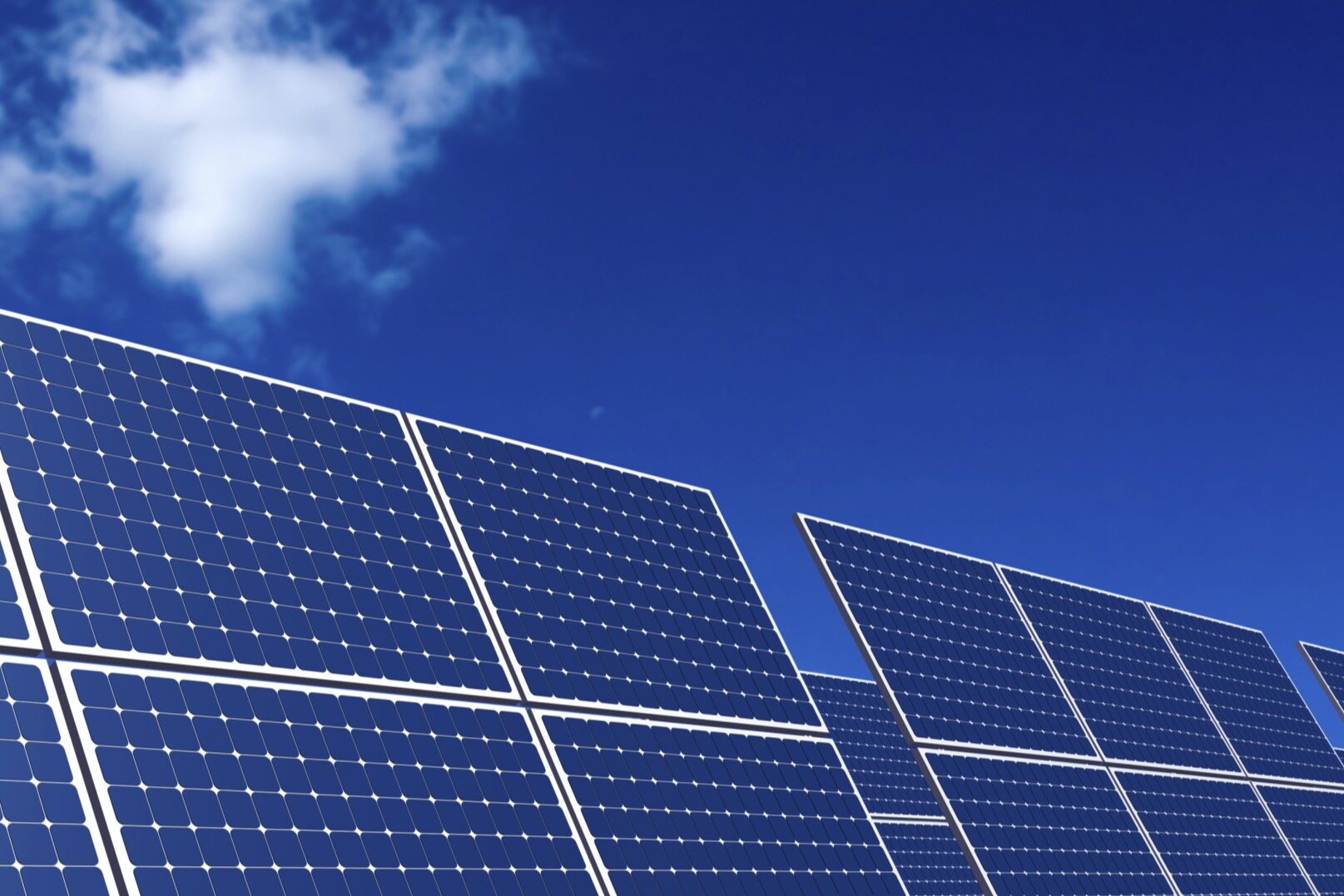
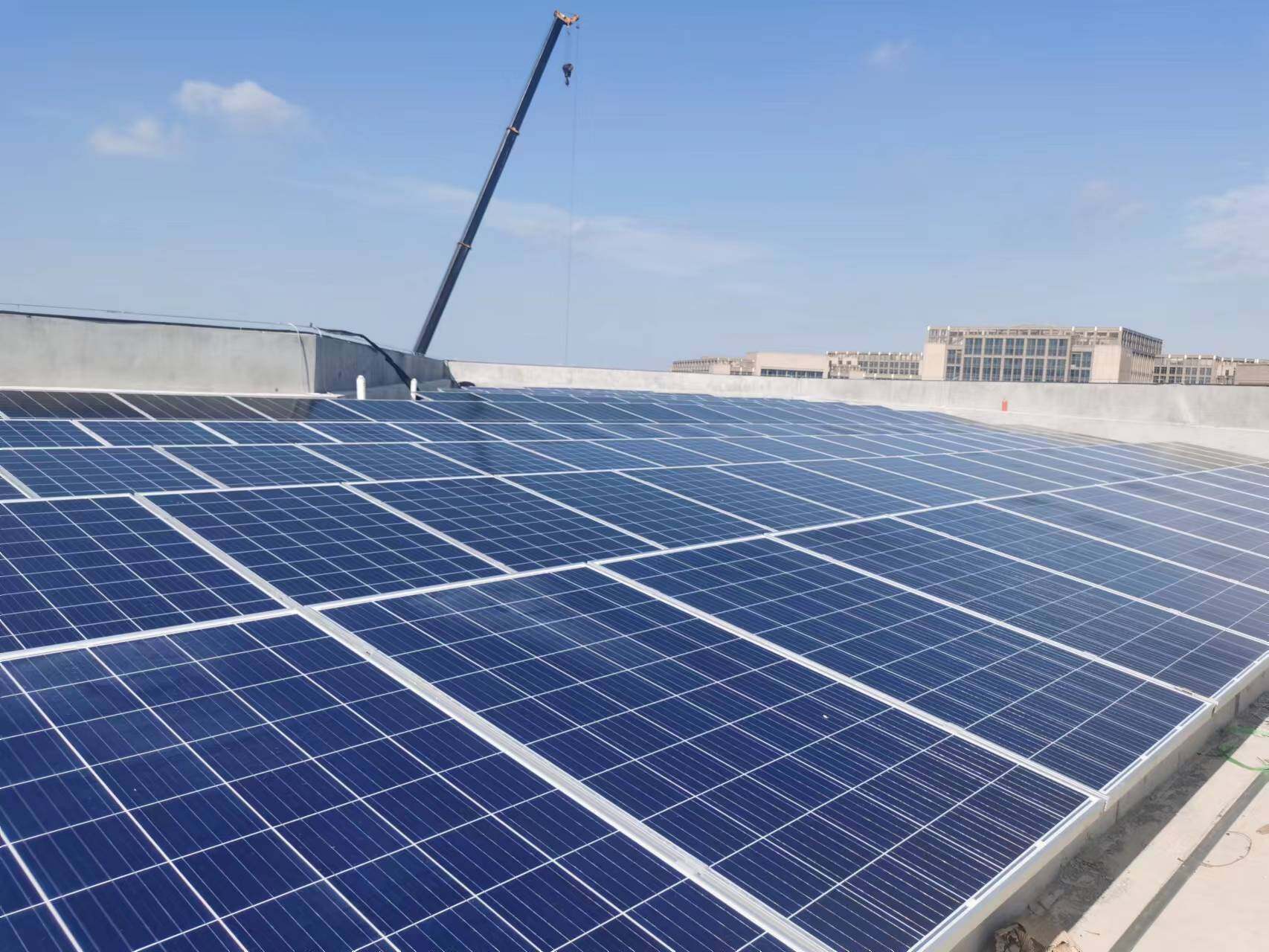
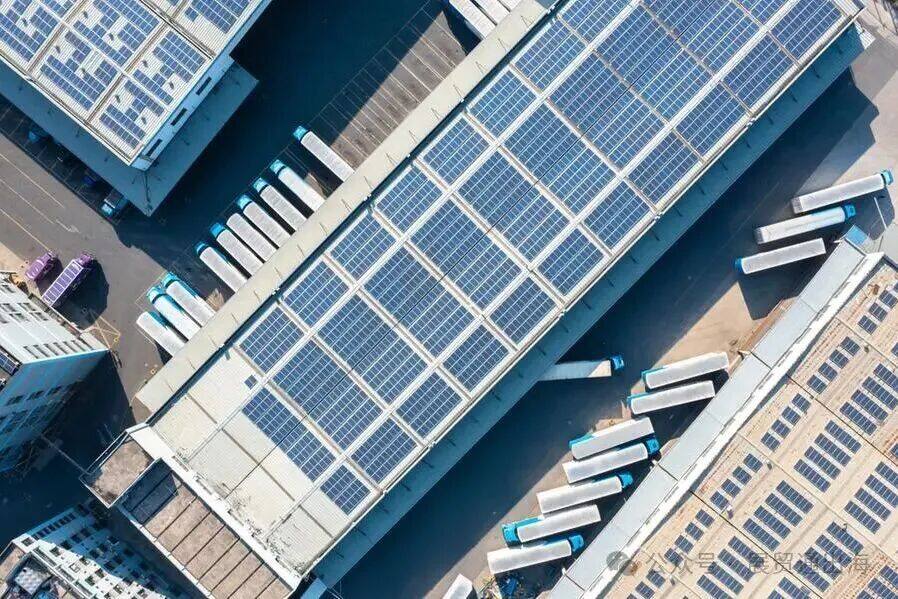
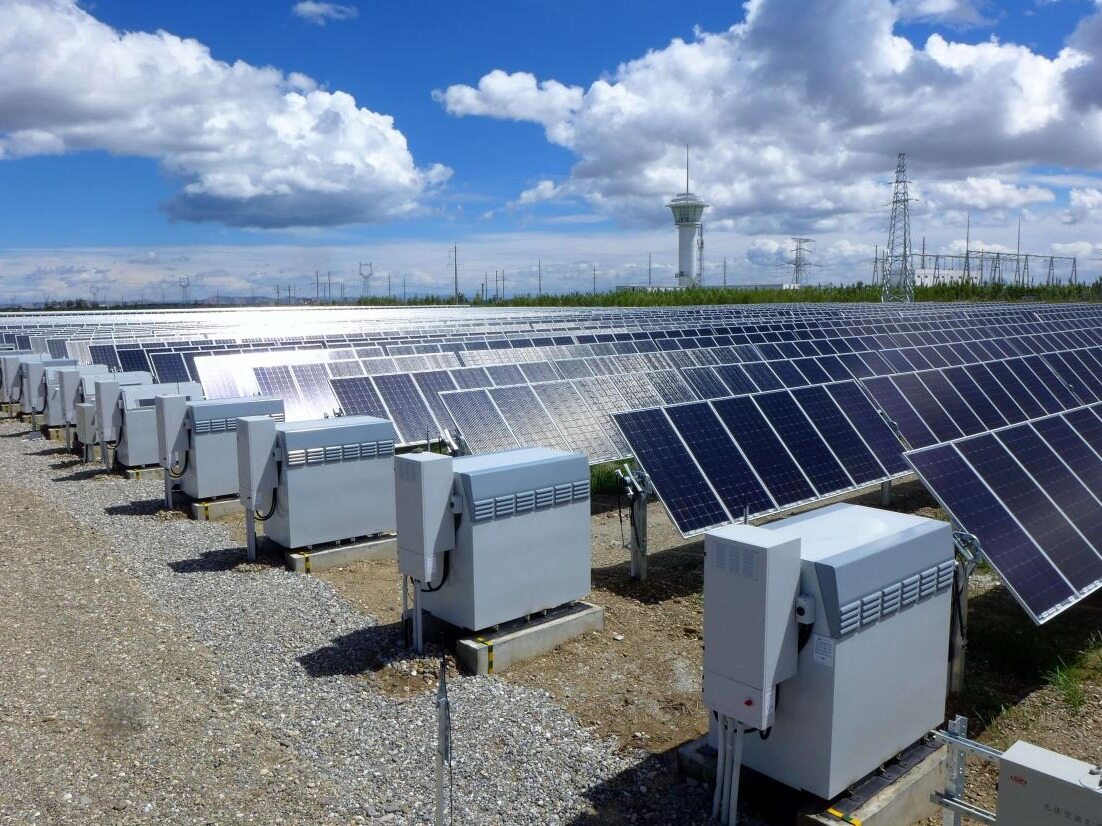
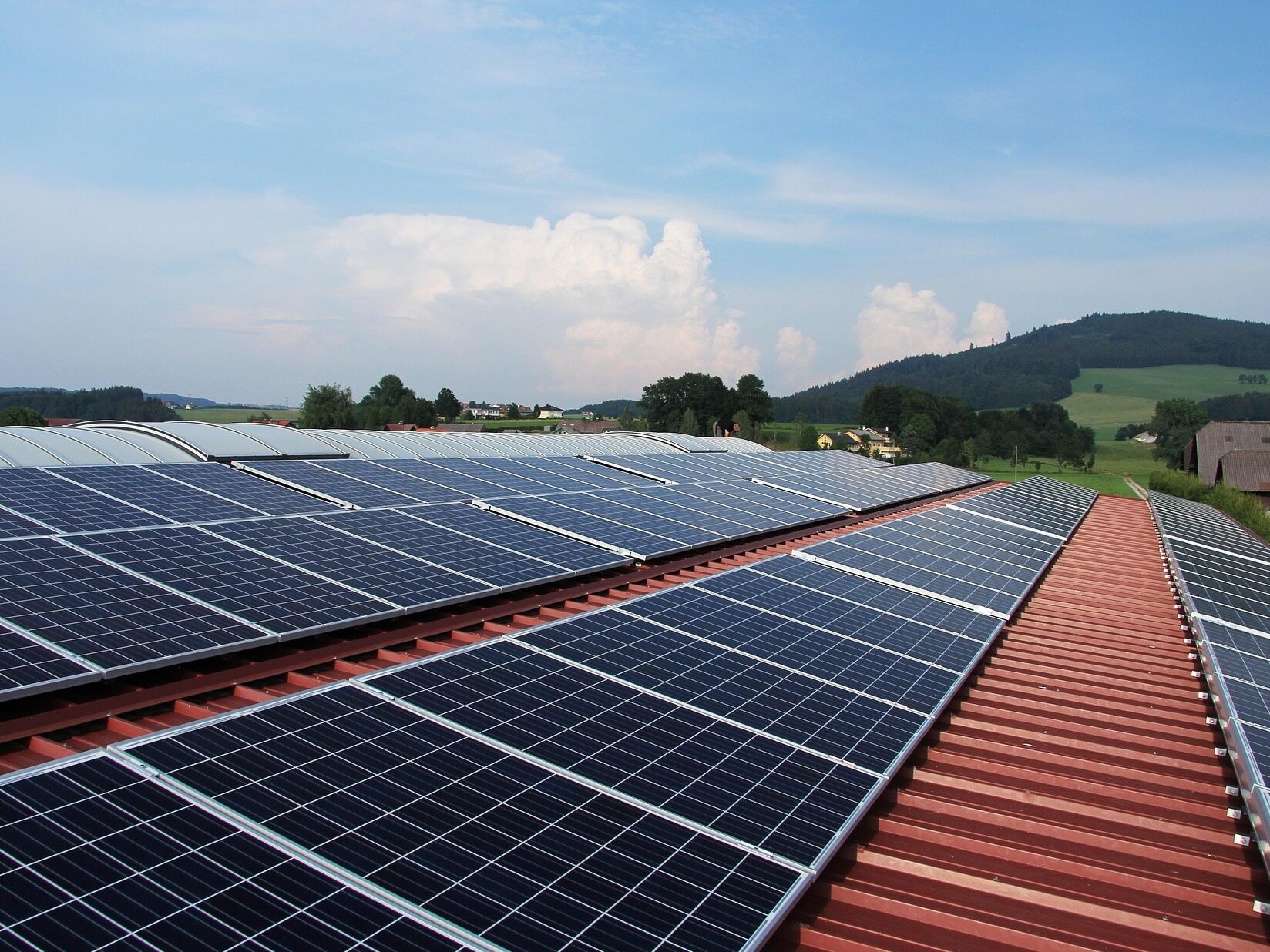
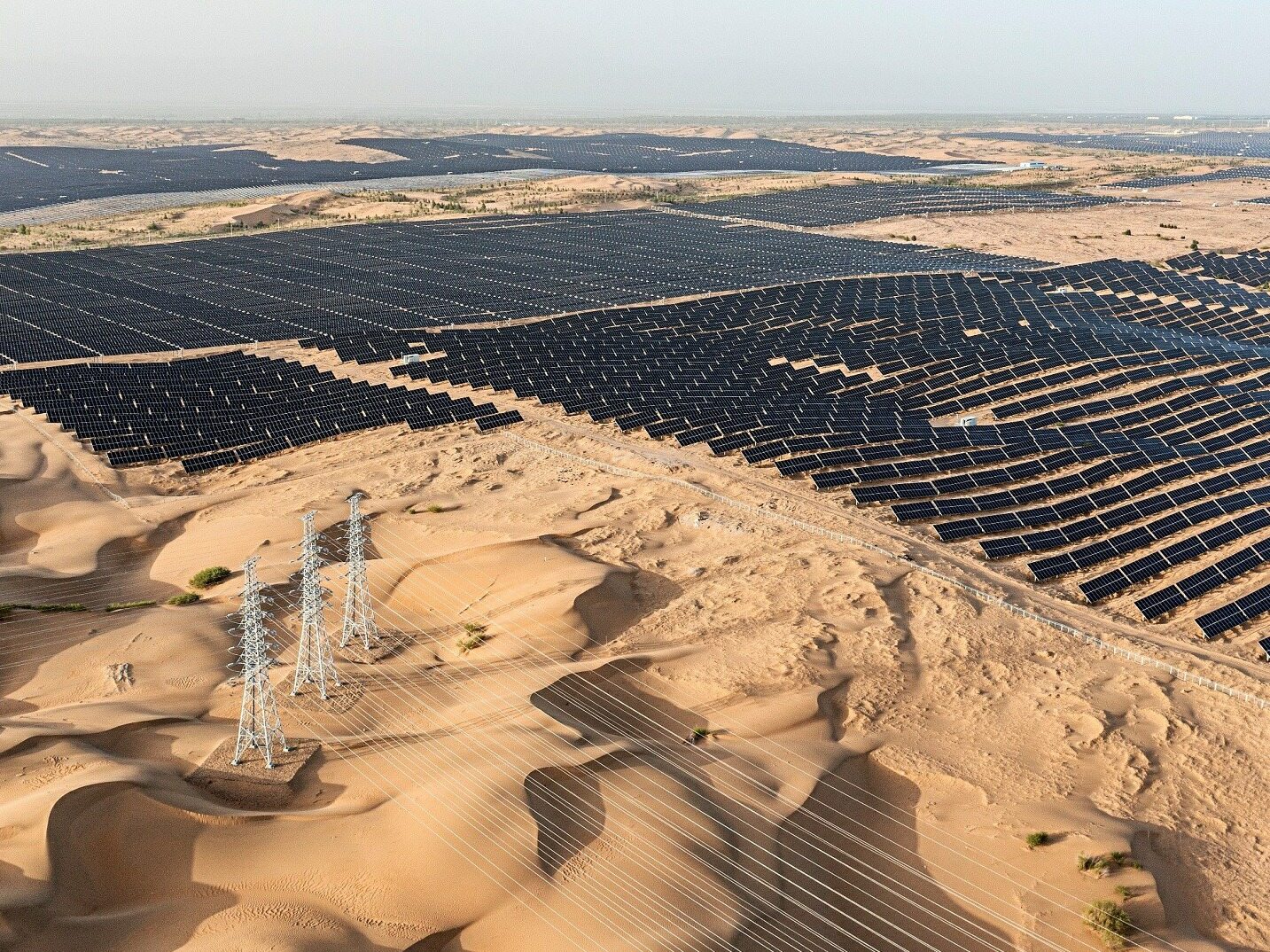
On the outskirts of Cairo, the metal roofs of factories shimmered with white light under the scorching sun. Soon, these idle roofs will be covered with deep blue photovoltaic panels, turning into miniature power stations that continuously deliver green electricity. The Egyptian government is advancing a plan called Industrial Sun, with the goal of installing rooftop solar systems in approximately 7000 factories nationwide within two years, with a total installed capacity of 1 gigawatt. This scale accounts for nearly 10% of Egypt's certified industrial base, covering approximately 7 million square meters of roof area.
Three forces drive Egypt to accelerate its photovoltaic layout
Egypt's decision to launch the plan at this time has its underlying logic. In terms of energy structure, 60% of Egypt's natural gas consumption is used for power generation, of which about a quarter flows to the industrial sector. When natural gas supply is tight, industrial electricity is the first to be affected, and rooftop photovoltaics can directly reduce industry's dependence on the power grid. In terms of external pressure, the EU carbon border adjustment mechanism will be fully implemented from 2026, and Egypt's annual exports to Europe will reach $14 billion. Industries covered by carbon tariffs, such as steel, cement, and fertilizers, are facing strict emission reduction constraints. Installing photovoltaics in factories has become an urgent need to reduce the carbon footprint of products. In terms of cost, Egypt has superior sunshine resources, and the cost of solar power generation has become competitive. Factory self built photovoltaics can effectively reduce electricity expenses and enhance the price advantage of products in local and export markets.
Simultaneous promotion of institutional embedding and localization of industrial chain
Egypt has explicitly embedded green energy requirements into its industrial access system. Under the directive of the Supreme Energy Council, new factories must meet 25% of their operational energy needs from renewable energy sources, which has been included in the industrial license approval criteria. The Ministry of Industry also emphasized that this plan will drive the localization manufacturing capability of key photovoltaic components and systems, transitioning from simple installation to extending the industrial chain. At present, although there are some component assembly production lines in Egypt, with a local supporting ratio of up to 80% to 90%, the existing production capacity is difficult to undertake centralized bulk procurement of 1 GW within two years, leaving a clear gap for the external supply chain. Keywords: solar energy storage projects、Photovoltaic new energy news
Multi level opportunity window of China's industrial chain
One gigawatt of installed capacity corresponds to four levels of demand gradient. Components and inverters are the most direct procurement targets, and the cost-effectiveness advantage of Chinese products has strong competitiveness in this round of centralized supply. Although supporting products such as brackets, cables, and combiner boxes have a moderate technical threshold, they are essential hard requirements for covering 7 million square meters of roofs, coinciding with the advantageous categories of Chinese small and medium-sized manufacturing enterprises. EPC engineering services such as survey and design, installation and commissioning can be provided in full package or in segmented cooperation with local installers. The Egyptian government's emphasis on localized manufacturing sends a longer-term signal - setting up factories in Egypt to assemble components or inverters may be a more sustainable layout option than simply exporting. From components to factory setup, every step is waiting for a response from Chinese suppliers.Editor/Gao Xue
Comment

 Praise
 Collect
 Comment

 Share
Share


Write something~