 Search


- The project is a landmark project for China and Argentina to jointly build the the Belt and Road with high quality
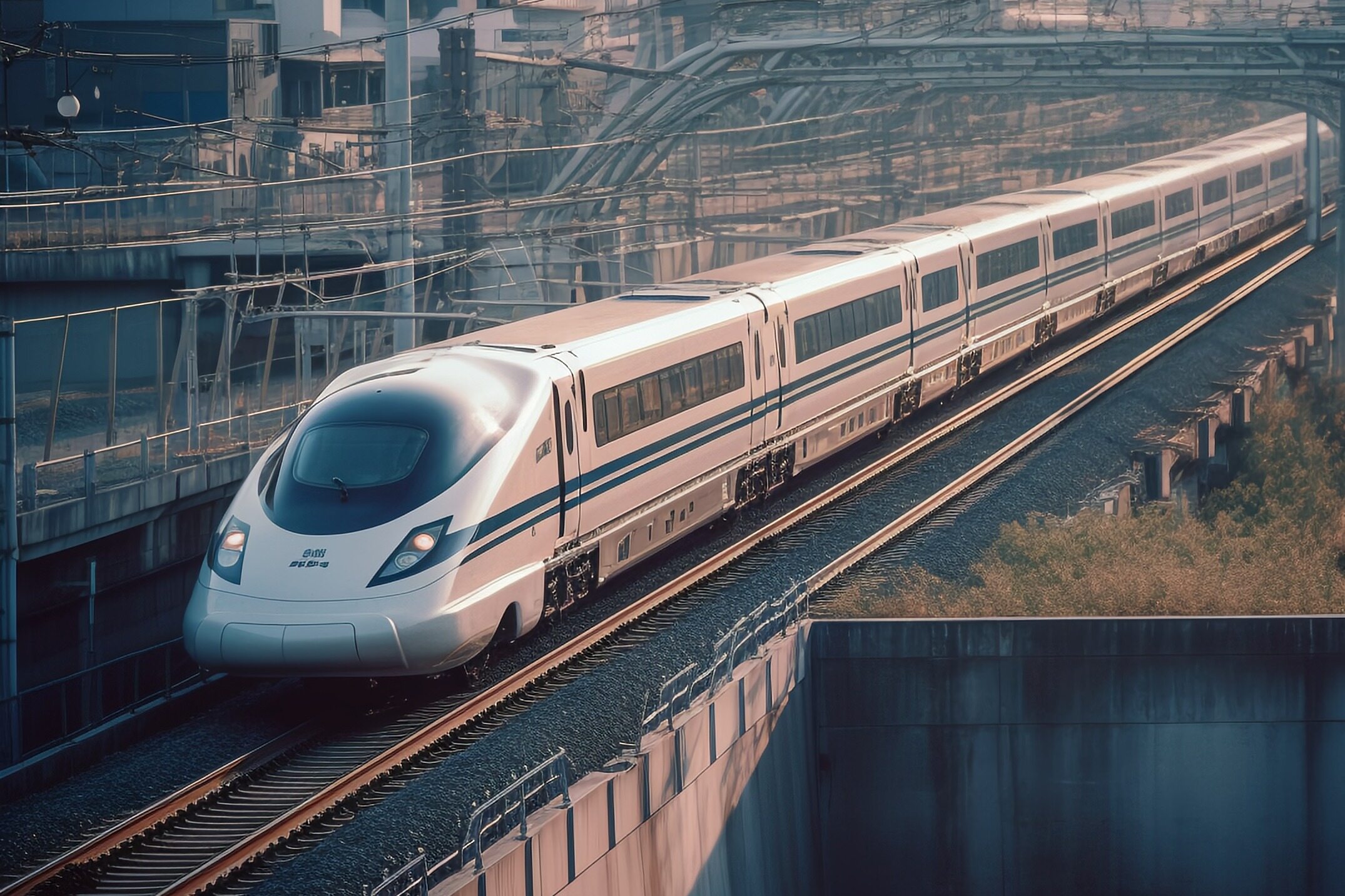
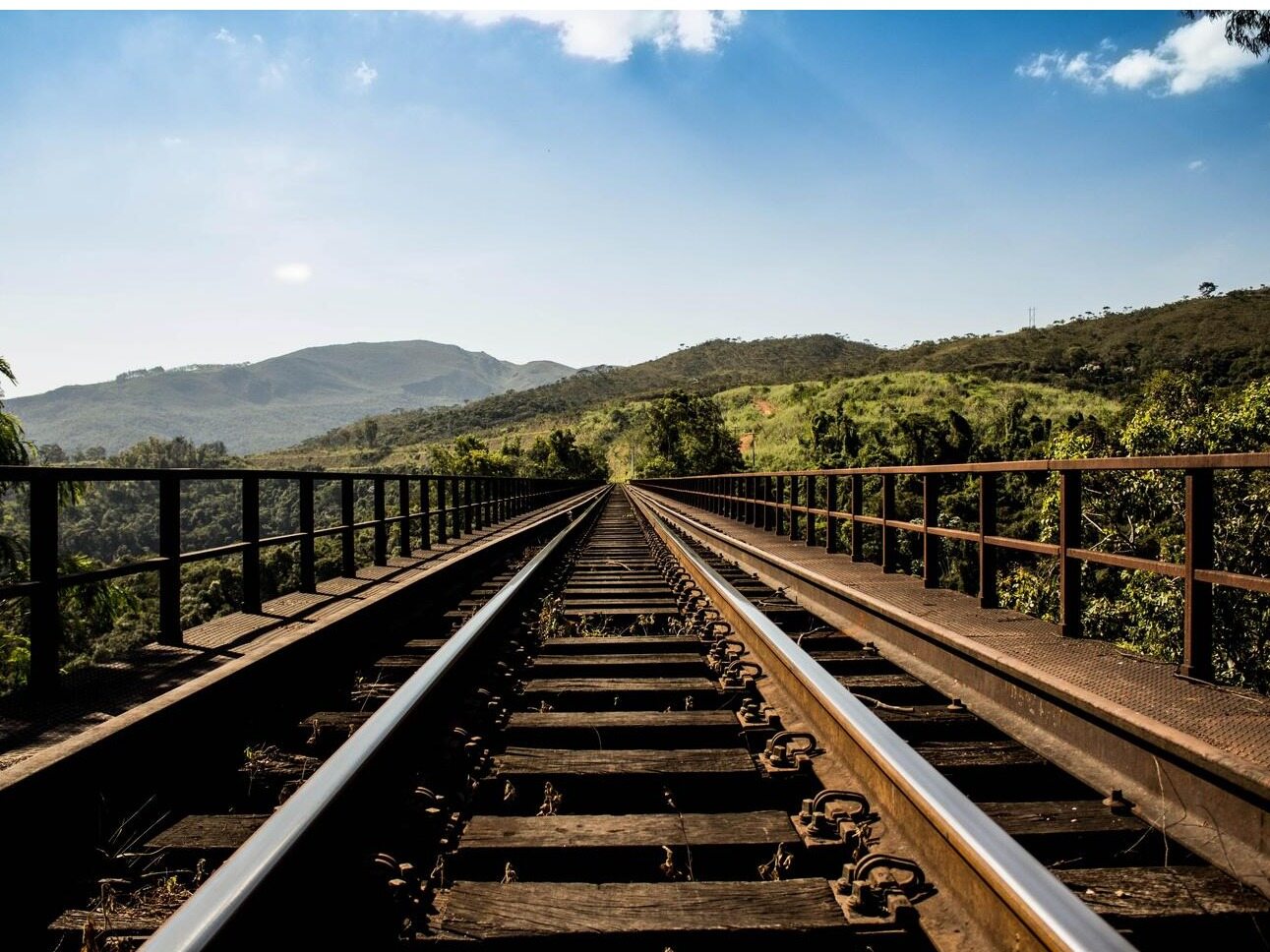
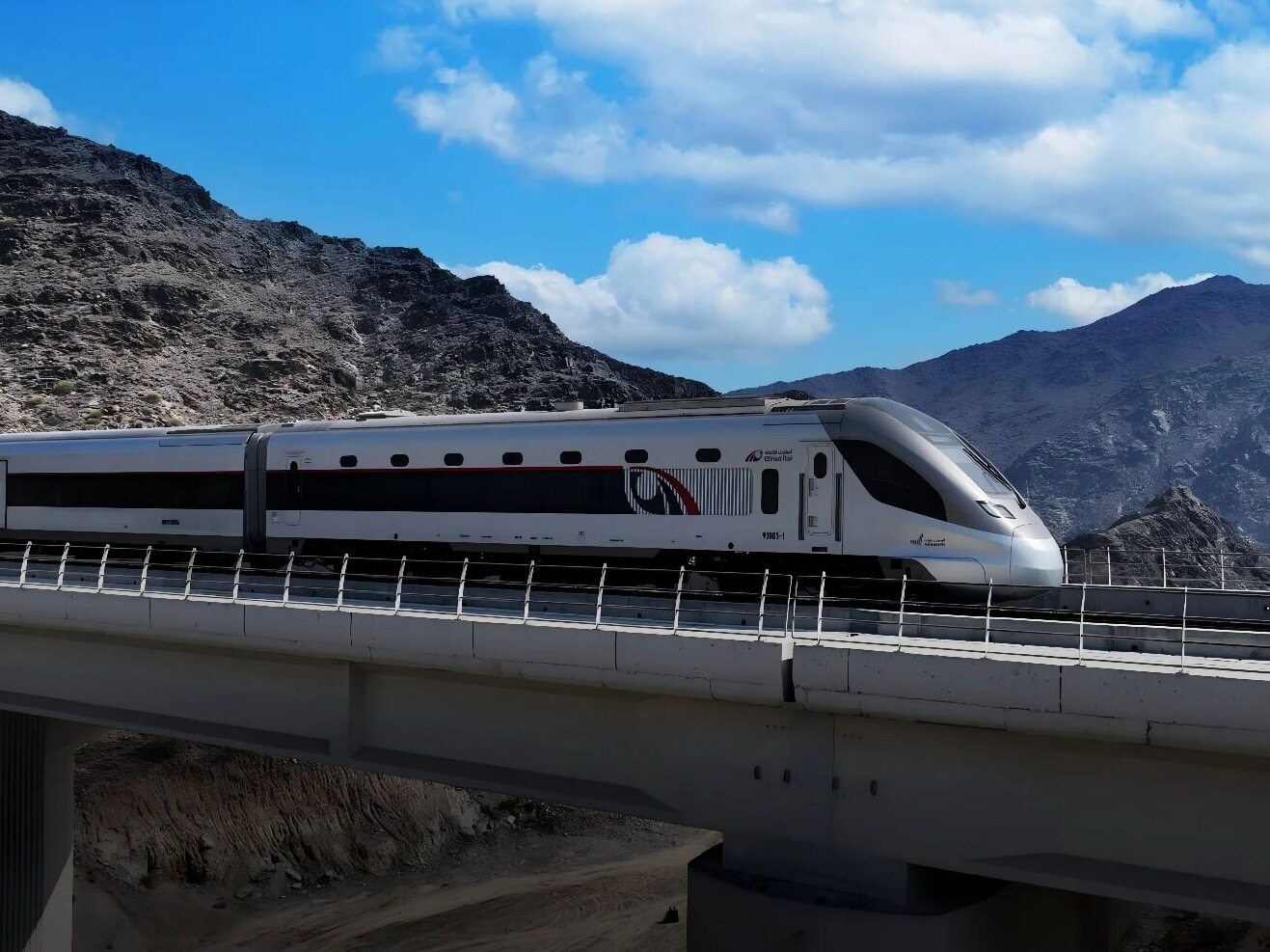
In the morning light, a passenger train painted with the colors of the UAE flag slowly drove out of Abu Dhabi station and headed towards Dubai. Inside the carriage, the first group of passengers excitedly raised their phones to record the alternating flashes of desert and city outside the window -57 minutes later, the train arrived in Dubai on time. On July 10, 2026, the Etihad Railway Abu Dhabi to Fujairah passenger line in the United Arab Emirates officially began trial operation, marking the first time this Gulf country has a nationwide passenger railway network
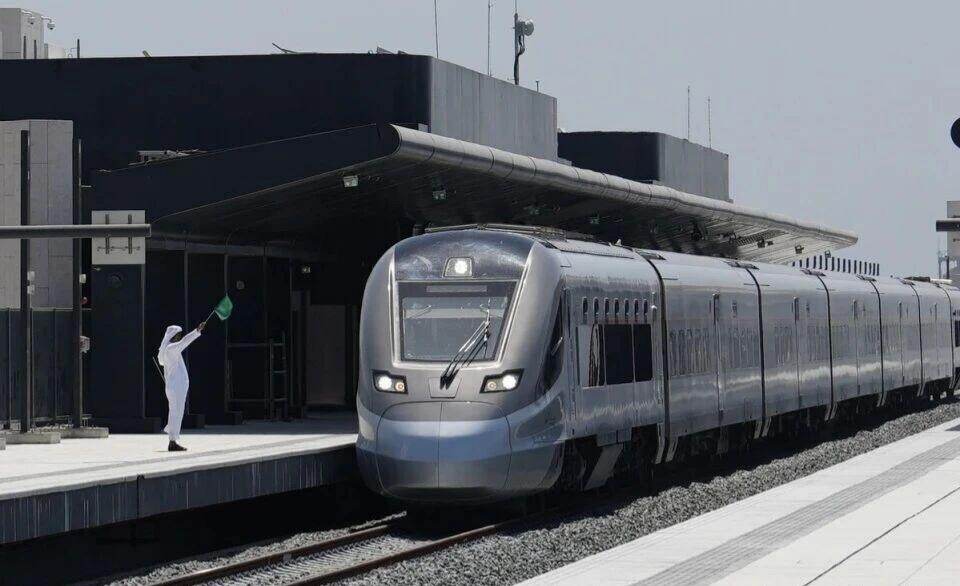
The 900 mile railway covers eleven cities
This line runs through all 7 emirates of the United Arab Emirates, connects 11 cities, sets up 11 passenger stations, and is equipped with 13 passenger trains, with a maximum capacity of 400 passengers per train. The travel time from Abu Dhabi to Dubai has been reduced to 57 minutes, completely changing the way of travel between the two central cities. After long-term expansion, the total railway mileage will reach 900 kilometers, and the official estimate is that the passenger volume will reach 36 million by 2030. This railway fills a long-standing gap in the UAE's passenger infrastructure and provides a new solution for intercity commuting in the Gulf region.
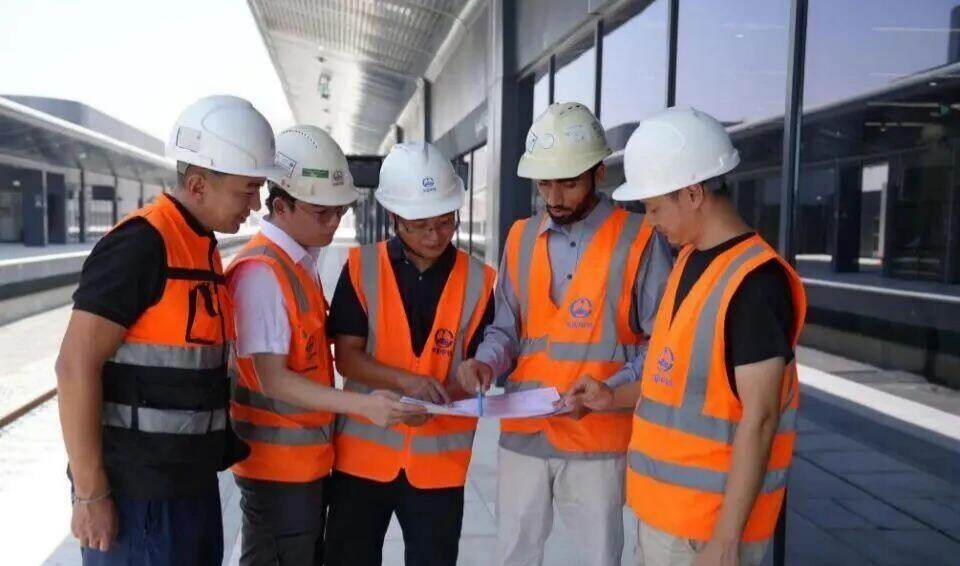
Chinese enterprise cluster participation in construction
During the construction of Etihad Passenger Railway, multiple Chinese companies including China Railway International, CRRC, China Electric Power Construction, and China Civil Engineering participated in the construction. Among them, three large and medium-sized stations, namely Abu Dhabi MBZ Station, Dubai Al Yalayis Station, and Fujairah Station, designed and constructed by China Railway International, have a total construction area of over 20000 square meters. These three stations fully adopt Chinese technology and construction standards from design to construction, becoming a landmark achievement in the cooperation between China and Arab countries in the field of infrastructure. The Chinese Ambassador to the United Arab Emirates said at the site of the trial operation that the project is a landmark achievement of the high-quality joint construction of the the Belt and Road between China and the Arab Emirates, and has set an example for the two countries to deepen practical cooperation with comprehensive strategic partners. Keywords: the Belt and Road news, passenger railway infrastructure
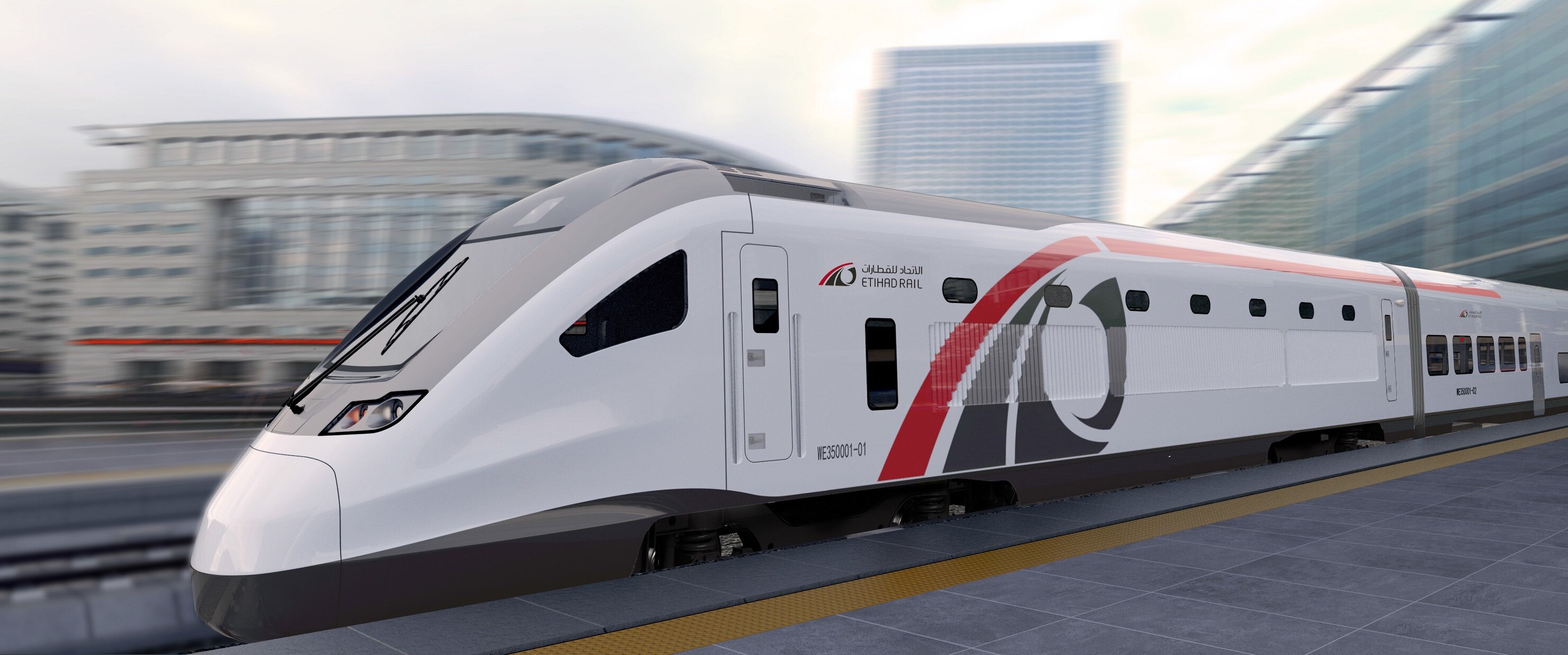
The expected regional economic linkage effect
Previously, the United Arab Emirates only operated freight railways, and the introduction of passenger lines has enabled the national railway network to achieve dual functions of passenger and freight. The new route not only shortens the time and space distance between cities, but also drives the development of tourism, commerce, and real estate along the route. The infrastructure support and urban development plans around various stations along the railway have been launched simultaneously, and it is expected that multiple emerging urban nodes with stations as the core will be formed in the next five years. The 57 minute commuting circle from Abu Dhabi to Dubai is redefining the urban agglomeration pattern and economic geography of the United Arab Emirates.Editor/Yang beihua
Comment


 Praise
 Collect
 Comment

 Share
Share


Write something~