 Search



- China Nepal relations have recently been officially upgraded to a community with a shared future in the new era
- Namibia sends clear signal: approval for future mining rights, infrastructure, and digital projects
The cargo ship in Walvis Bay sounded a new whistle, but this time, the blueprint in the hands of Chinese engineers is no longer just about ports and railways. When the meeting between the two heads of state on July 10, 2026 came to an end, a joint statement pointing to the "China Nepal Community of Shared Future in the New Era" quietly changed the rules of the game. For Chinese companies deeply cultivating the African market, this land is still full of opportunities, but the way of obtaining admission tickets has completely changed - it is no longer simply the lowest bidder, but who can help Namibia retain resources and pass on technology.
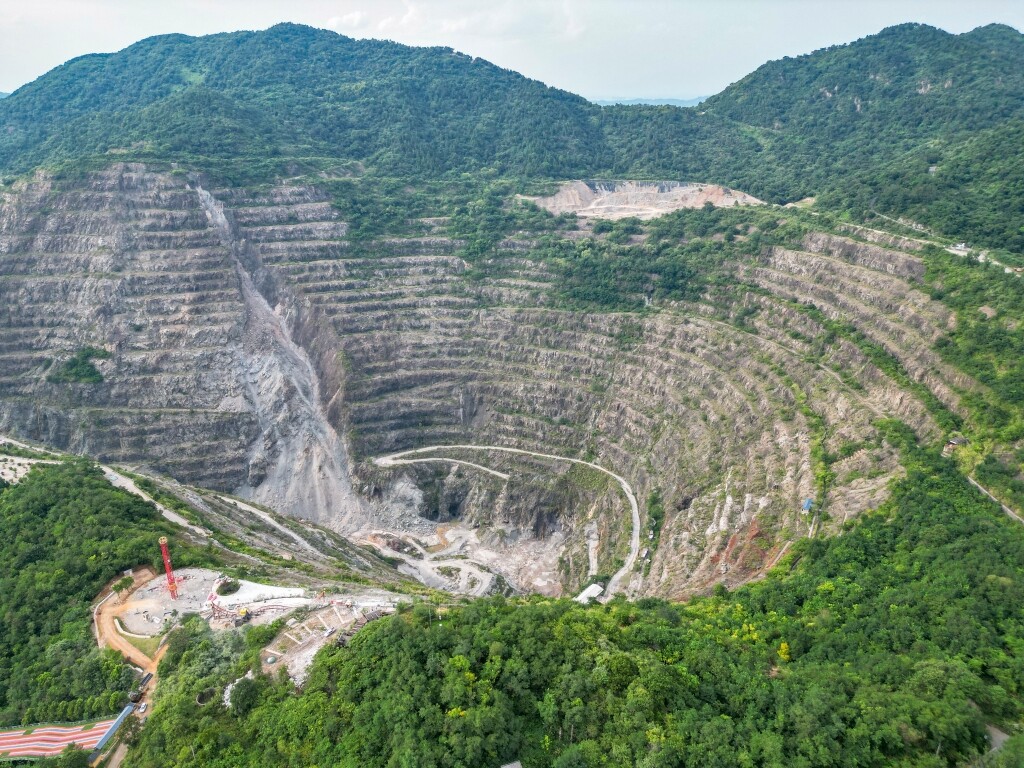
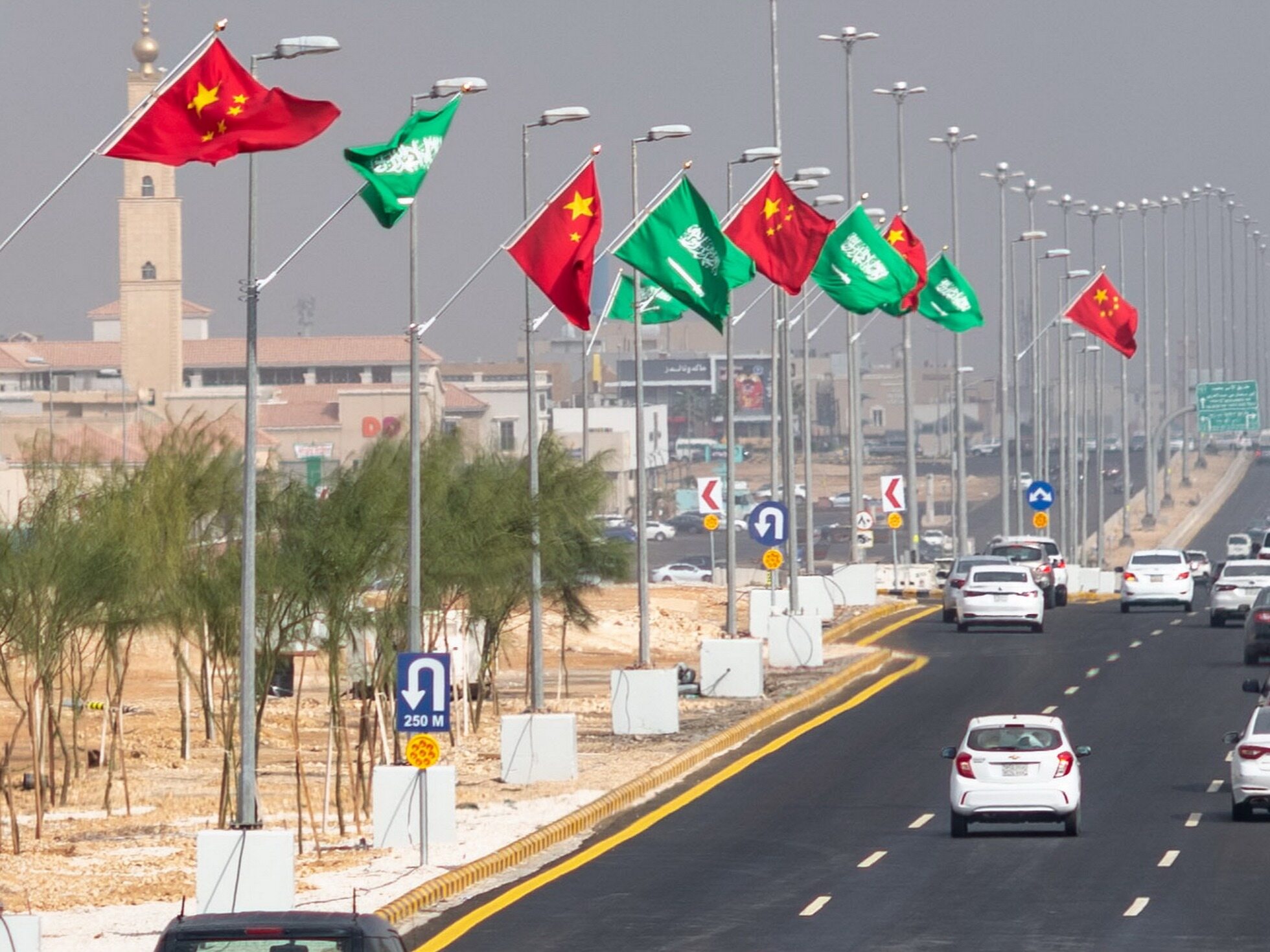
From the establishment of diplomatic relations in 1990 to the establishment of a comprehensive strategic partnership in 2018, and now to the leap in cooperation levels, the logic of China Nepal economic and trade is undergoing a profound reconstruction.
Local value-added becomes a hard indicator
Among the eight documents signed this time, agreements on green minerals, vocational and technical education and training are particularly noteworthy. Namibian President Ndetwa's attitude is very clear: he welcomes investment but refuses extensive development. This means that in order for future mineral projects to successfully obtain mining rights, they must commit to preserving the processing process and allowing resources to increase in value locally. Energy engineering is no longer just about building power plants, but about effectively driving the growth of local suppliers. Even projects with relatively tight fiscal space must design sustainable profit models to ensure that they can benefit local livelihoods. This transformation has forced Chinese enterprises to transform from "contractors" to "operators" and "partners".

Digital sovereignty draws a red line
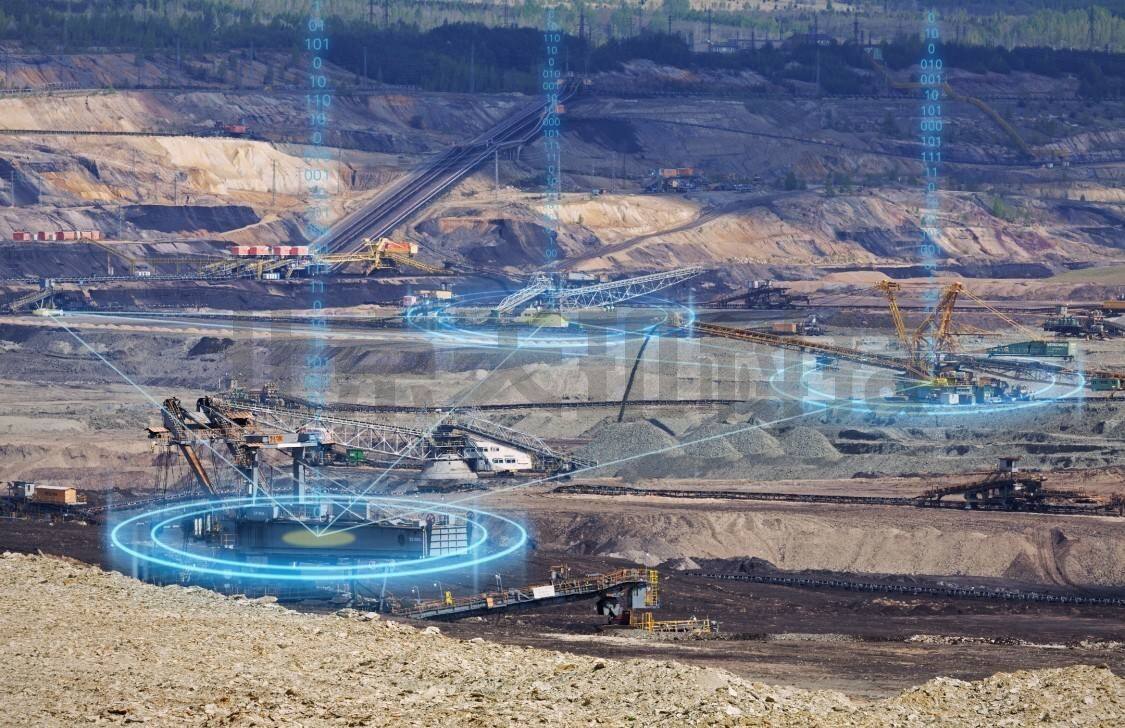
In addition to traditional infrastructure and mining, cooperation in the digital field has also been elevated to unprecedented heights. The joint statement specifically mentions the issue of artificial intelligence and data sovereignty, which sets a clear red line for Chinese enterprises to participate in local digital infrastructure construction. In the process of promoting projects such as smart customs and digital economy, how to balance technology output and data security will become a key variable for whether the project can be implemented. At the same time, the plant quarantine agreement for fresh grapes imported to China confirmed by the Namibian Broadcasting Corporation has opened a new window for agricultural access, but this is also accompanied by high standards for local planting technology and cold chain logistics support.
Skill transfer lays the foundation
If hardware construction is the backbone, then talent training is flesh and blood. The vocational and technical education and training agreement signed by both parties directly targets the talent gap in Namibia's industrialization process. From mining to aerospace, from water resources to infrastructure maintenance, Ghana urgently needs China's technology spillover effects. For Chinese enterprises, establishing a normalized employment training system can not only improve the evaluation score of projects in the local area, but also be a necessary path to root in the market and reduce long-term operating costs. With the gradual implementation of zero tariff policies and new economic partnership frameworks, enterprises that are willing to focus on cultivating local craftsmen and transferring practical technologies will have an absolute advantage in the new round of market competition.Editor/Yang Meiling
Comment





 Praise
 Collect
 Comment

 Share
Share


Write something~