 Search


- Steel camel caravan promotes Duisburg's transformation and the integration of the China Europe industrial chain
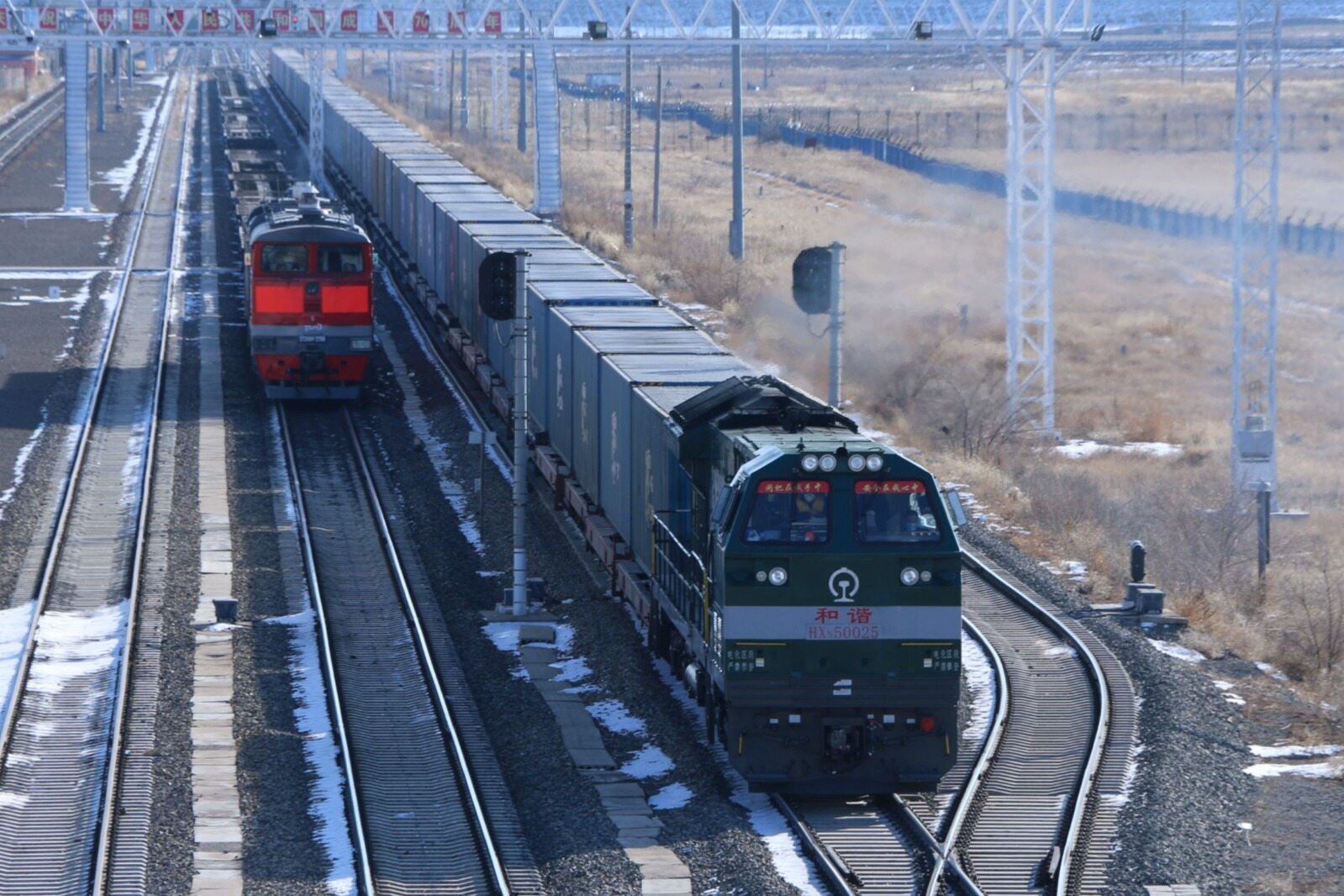
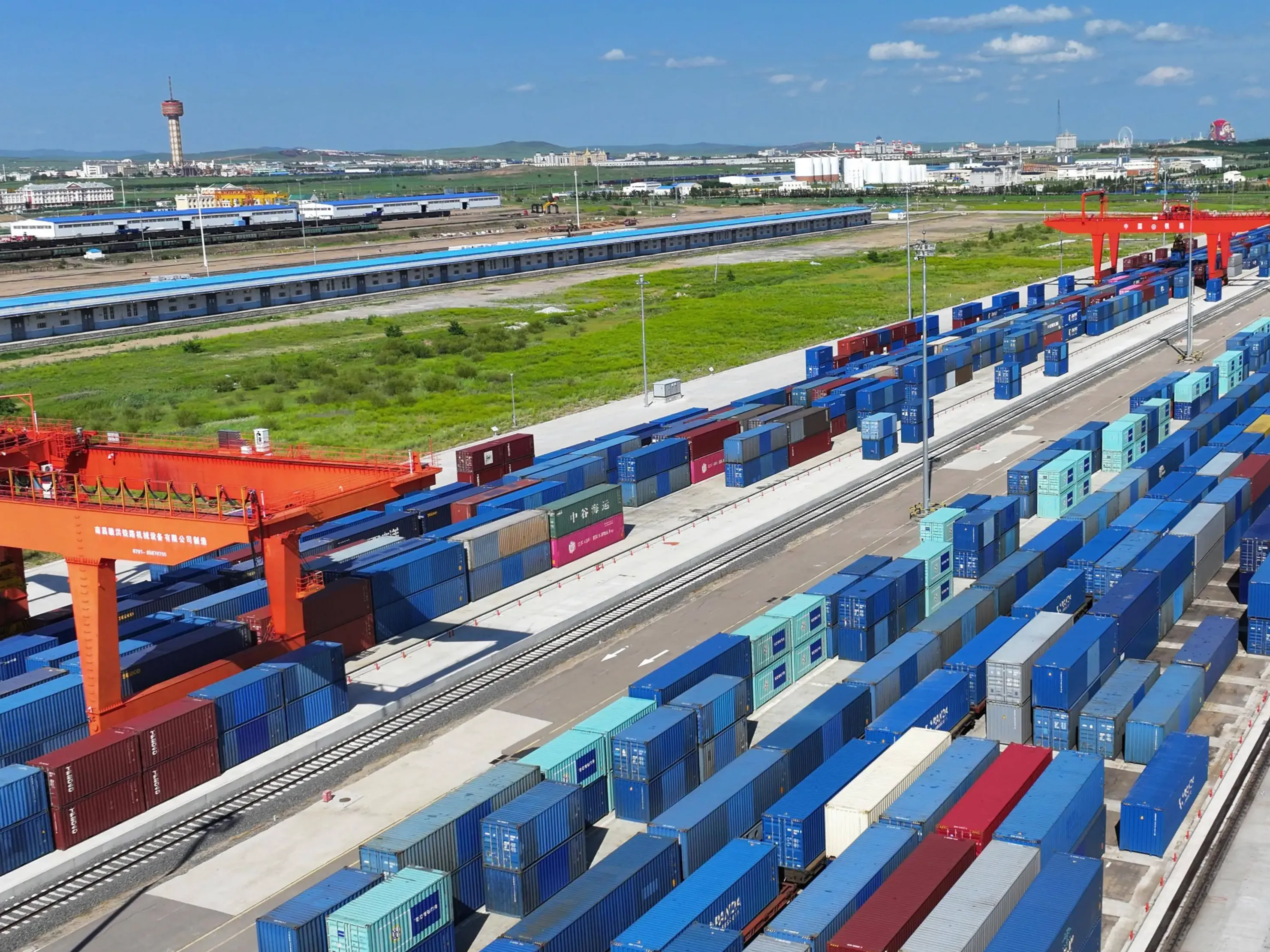
On the banks of the Rhine River in June 2026, the gantry crane at the DIT station in Duisburg, Germany, was constantly lifting and descending. The container bearing the China Europe freight train logo has just been unloaded from Tuanjie Village in Chongqing and loaded onto a truck bound for Rotterdam, Netherlands. Ten years ago, this was still a quiet old dock in the Ruhr area; Nowadays, as the largest transit hub of the China Europe freight train in Europe, it is witnessing the historic transformation of the Eurasian continent from being separated by mountains and seas to having smooth flow of goods.
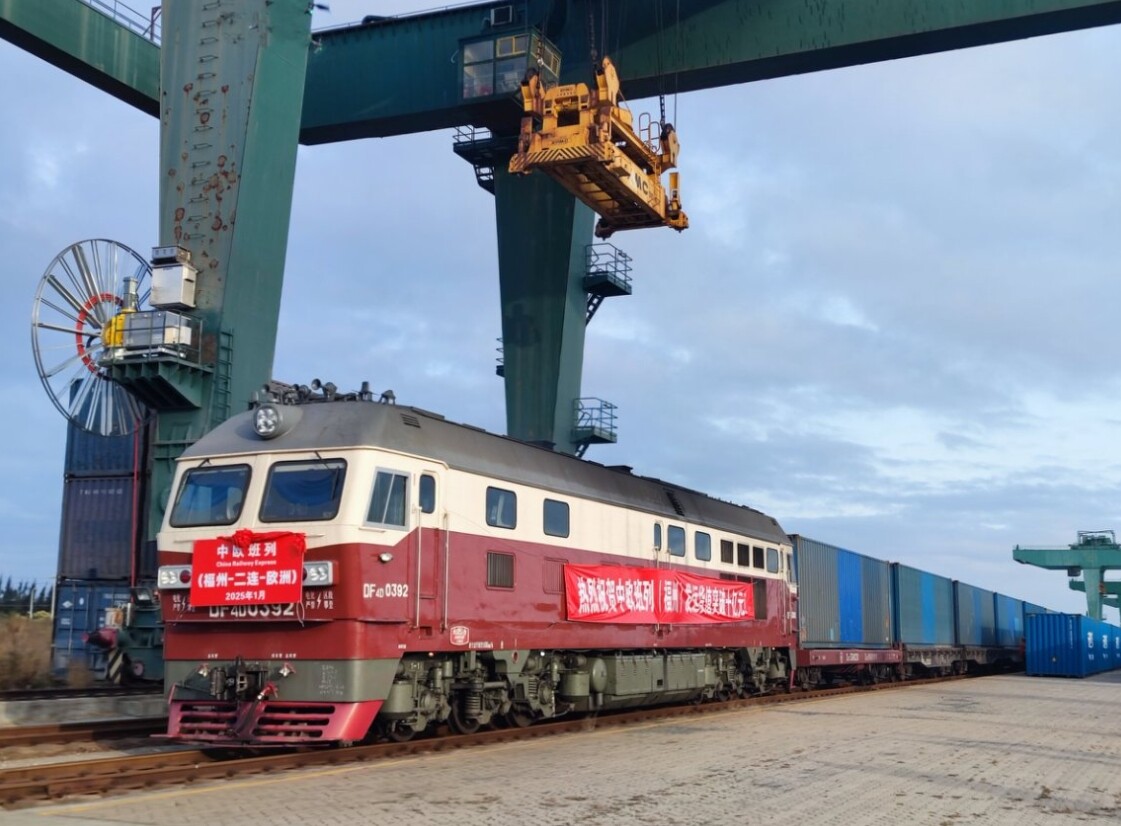
Transforming the old industrial city into a logistics hub
The transformation of Duisburg is a microcosm of the China Europe freight train empowering urban development. Relying on the advantage of Germany's largest inland river port, this old industrial city that flourished due to coal and steel has transformed into an open gateway to Western Europe in the past decade. At present, Duisburg Port undertakes nearly 30% of the cargo volume of China Europe freight trains in Europe, driving the agglomeration of supporting industries such as logistics and warehousing, and creating over 20000 new job opportunities. The number of Chinese enterprises has increased from 40 to over 120, and the digital logistics system is deeply integrated with traditional industrial heritage. A modern supply chain center connecting Asia and Europe has already taken shape.
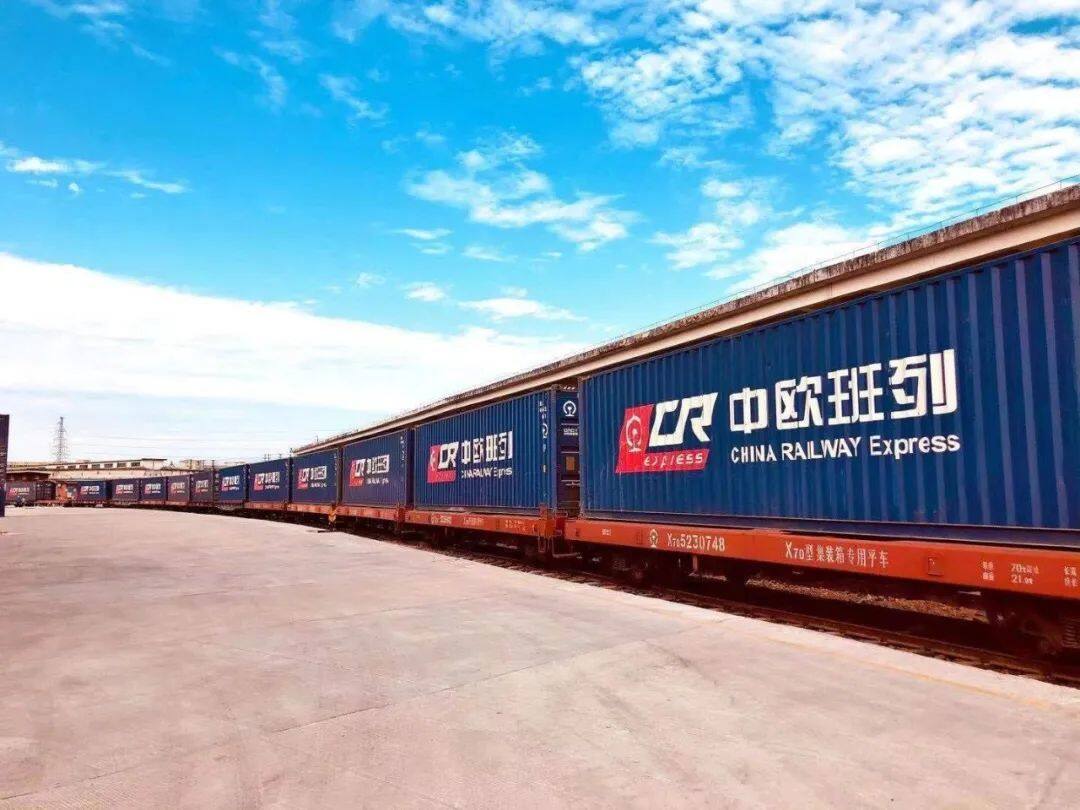
The integration of the industrial chain is accelerating
Where the steel rails extend, the industrial cooperation map continues to expand. In 2026, the China Europe freight train will reduce the transportation time of high value-added goods to one-third of sea freight and the cost to only one-third of air freight, becoming a stabilizing force in the supply chain. The two-way trade structure continues to optimize, from high-end automotive parts from Germany moving eastward to new energy vehicles from China moving westward. The surrounding area of Chongqing Tuanjie Village has transformed from a barren mountain into an international logistics industry park of 35.5 square kilometers. The train+park model promotes the deep coupling of China and Germany's manufacturing industry in the entire chain of research and development, production, and sales. Keywords: strategic news and information, China Europe freight trains
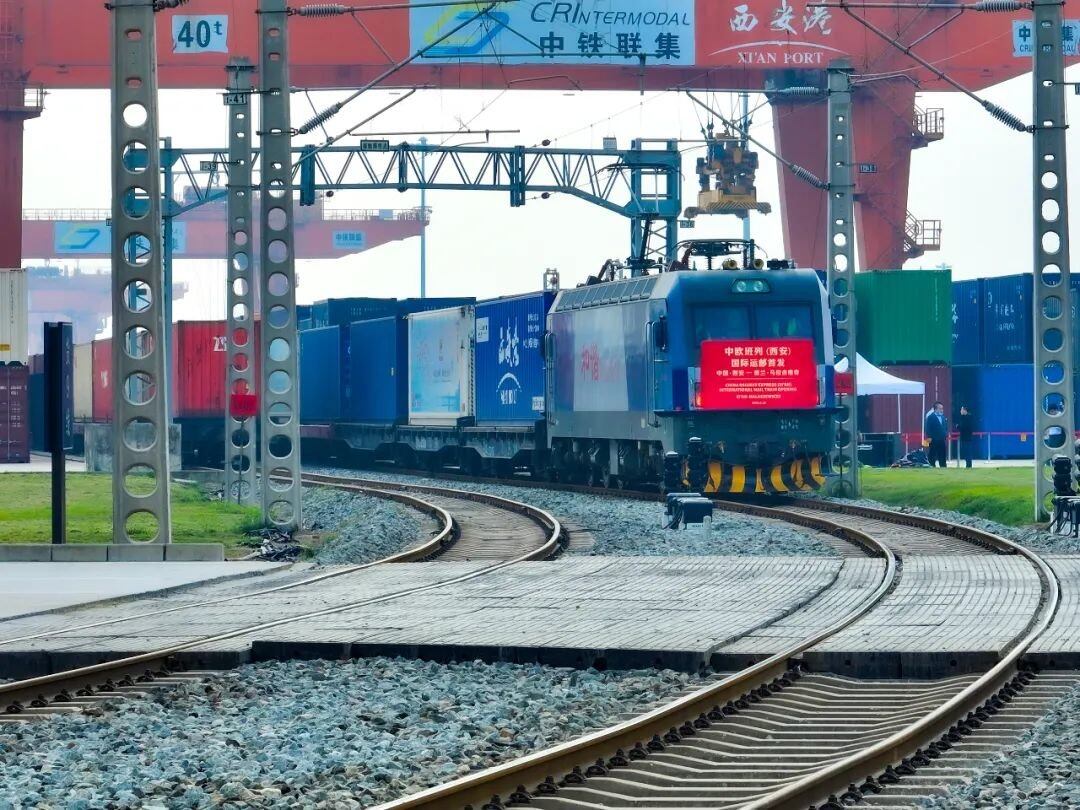
Asia Europe Land Lock Business Opportunities Surge Forward
Faced with the uncertainty of global trade, the China Europe freight train has demonstrated strong resilience. The annual operating volume has jumped from 1702 trains in 2016 to 20022 trains in 2025, an increase of more than ten times in ten years. Duisburg Port is accelerating the expansion of the Asia Europe corridor network to meet the growing logistics demand. This "steel camel caravan" has surpassed its simple transportation channel attribute and become a development link connecting the production and consumption ends. Driven by both efficiency and reliability, the Eurasian continent is relying on this golden channel to build a mutually beneficial and win-win community of shared future.Editor/Gao Xue
Comment

 Praise
 Collect
 Comment

 Share
Share


Write something~