 Search


- China's hydrogen pipeline transportation enters a new stage of systematic development, filling the gaps
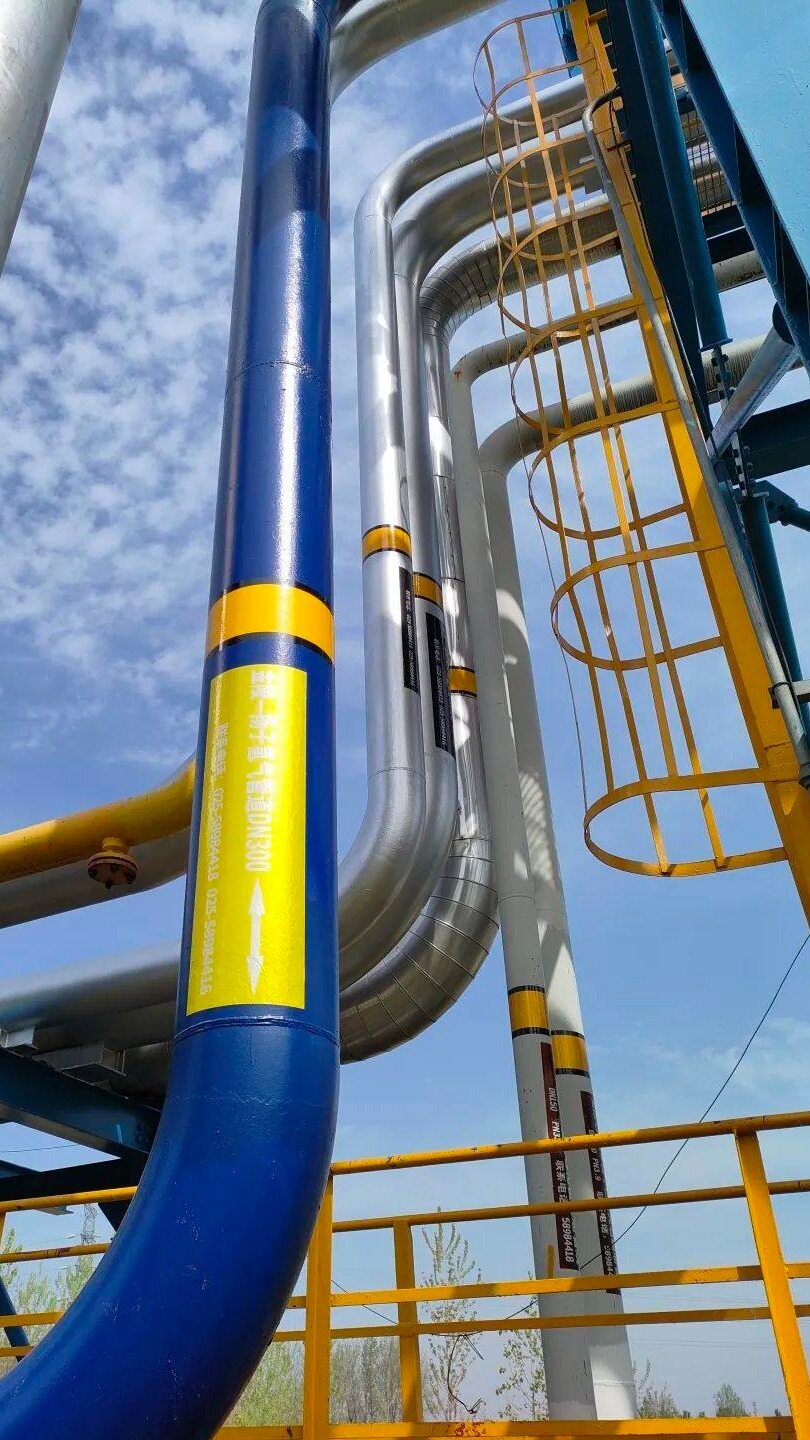
Inside the headquarters building of the National Pipeline Network Group, with a falling hammer, China's first set of hydrogen pipeline transportation engineering technical solutions and complete standards were officially released. This weighty document is not just a set of technical specifications, but more like a key attempting to unlock the toughest lock in the long locked hydrogen energy storage and transportation chain - transportation. From the vast grasslands of Inner Mongolia to the petrochemical bases along the Bohai Bay, invisible energy arteries are waiting to be connected, rewriting the underlying logic of China's hydrogen energy industry's large-scale development.
The end of the era of non-standard technology standards
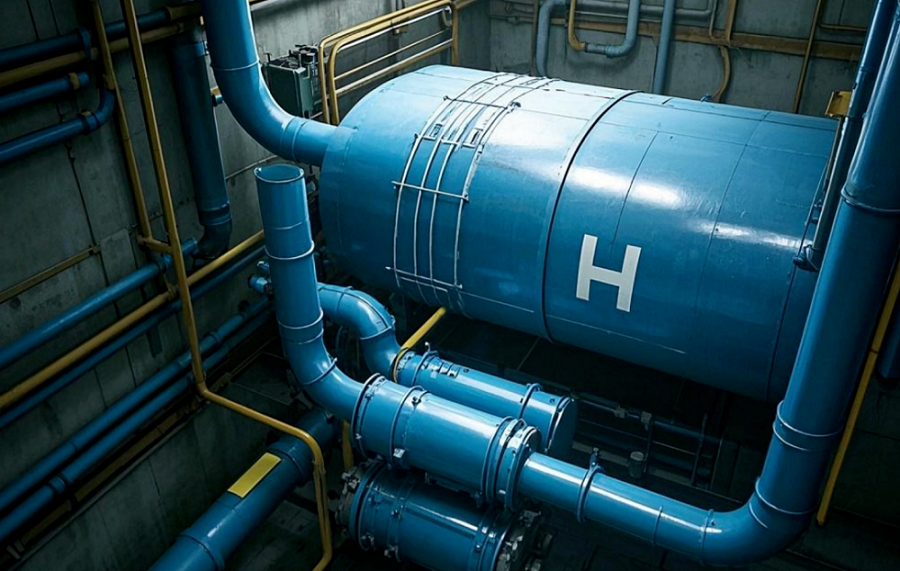
For a long time, the hydrogen energy industry has been plagued by the dual embarrassment of hydrogen discoloration and lack of standards to follow. On June 26, 2026, the National Pipeline Network Group released this system, which for the first time systematically constructed six sub maps covering two major scenarios: the construction of new pure hydrogen pipelines and the blending/retrofitting of existing natural gas pipelines. From pipe selection and welding process to safety monitoring and integrity management, there are clear guidelines for key links throughout the entire process. As industry insiders have pointed out, the previous excessive caution towards hydrogen embrittlement risk in the industry was due to a lack of data support. Now, with this set of safety instructions, it not only eliminates public doubts, but also clears the biggest technical obstacles for the approval and construction of cross provincial long-distance pipeline networks, marking a new stage of standardization and systematization in China's hydrogen pipeline transportation.
Mismatch between supply and demand tests the economic ledger
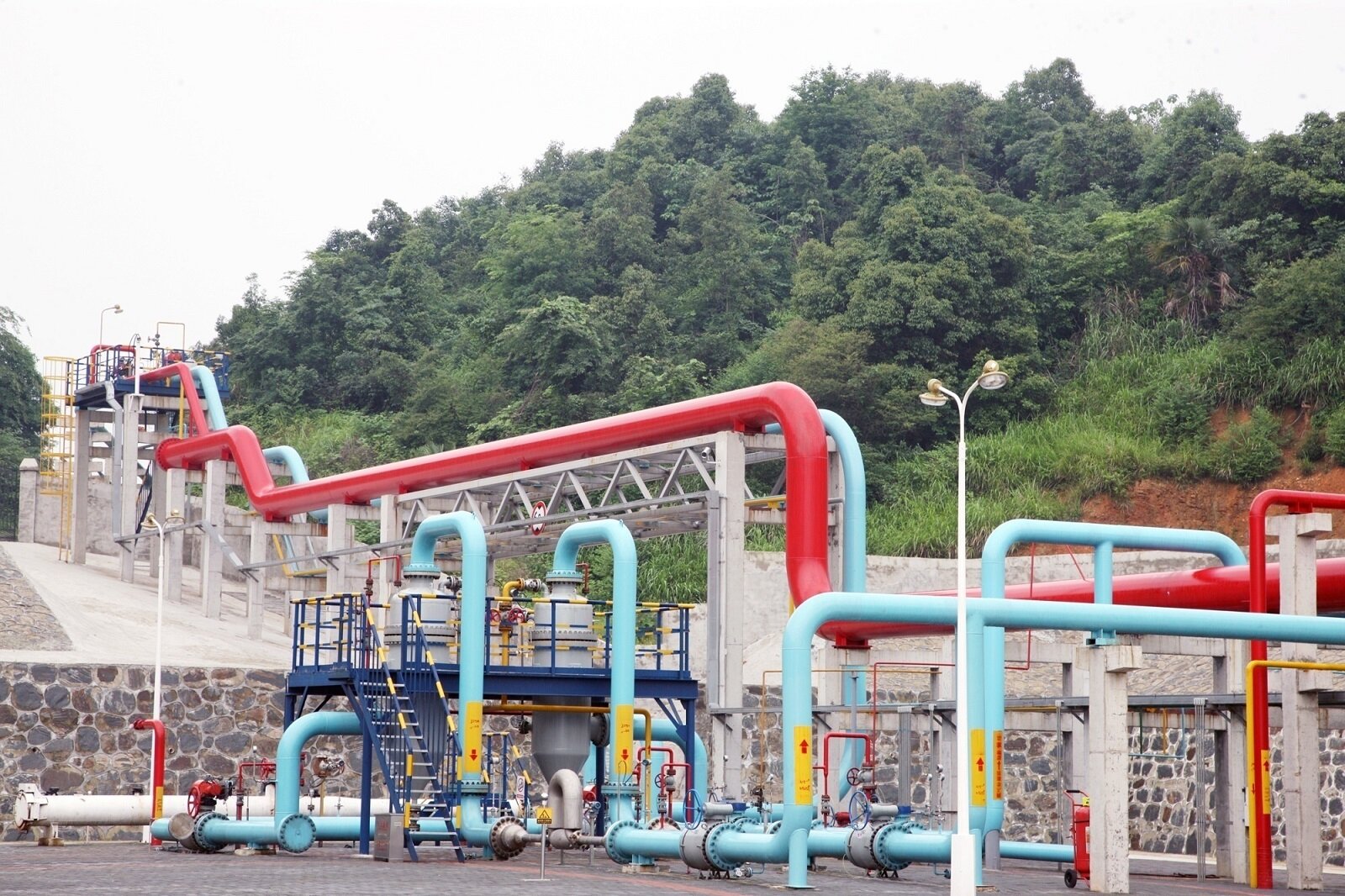
However, technological breakthroughs are only the first step, and how to calculate the economic balance is the core that determines the width of the track. Currently, the cost of producing green hydrogen in China is still relatively high, and its terminal applications are mainly concentrated in small-scale scenarios such as fuel cell vehicles, making it difficult to support the huge investment and operating costs of long-distance pipeline transportation. Expert analysis points out that pipeline construction is different from equipment sales, as it requires a rigid match between stable hydrogen sources in location A and sustained demand in location B. If transportation is only for the sake of transportation, without real industrial and commercial consumption scenarios, even the lowest pipeline transportation costs cannot form a closed loop. Therefore, activating the deep decarbonization demand in industries such as steel and chemical, and expanding the application scale of natural gas blended with hydrogen, have become the urgent task to break through the economic closed loop of affordable production. Keywords:Domestic new energy latest news 、Hydrogen energy latest news
West to East Hydrogen Transmission Weaving Energy Network
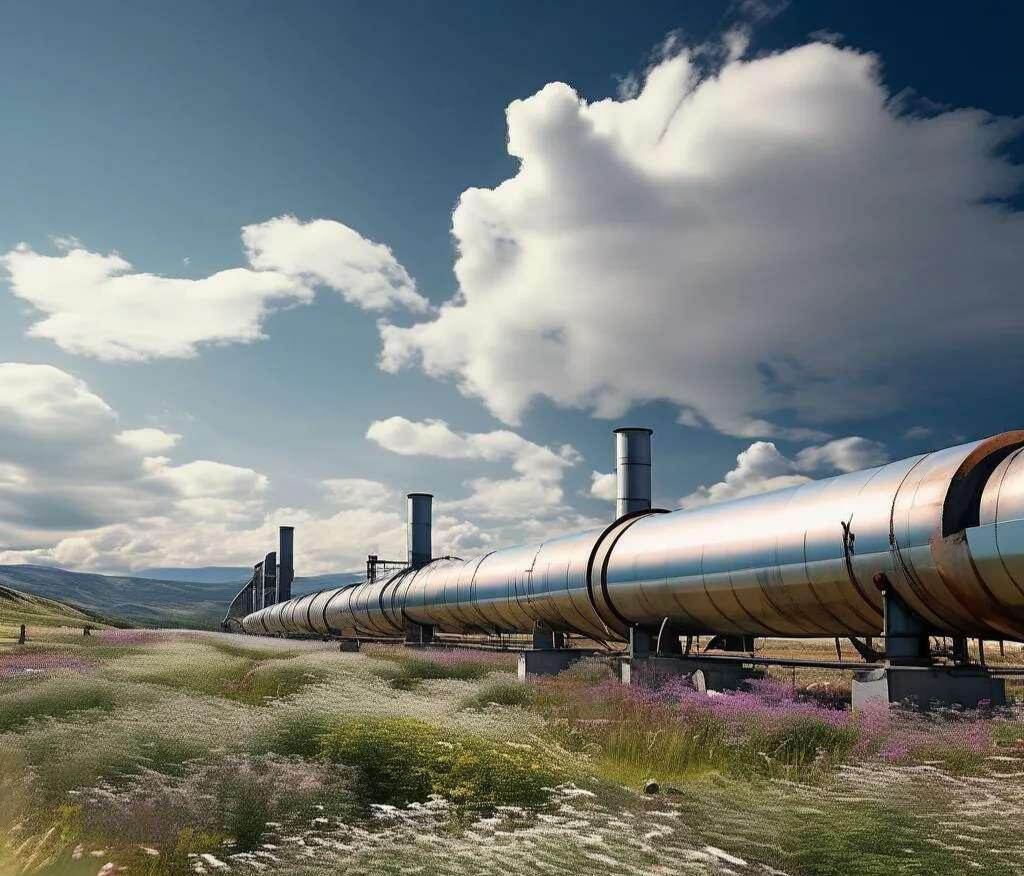
It is gratifying that, relying on the new standards, a hydrogen transmission network spanning east and west is slowly unfolding on the land of China. By the end of 2026, the 1037.82 kilometer long Kangbao Caofeidian hydrogen pipeline will be completed and put into operation. This energy corridor that runs through Hebei will effectively solve the geographical mismatch between the abundant green hydrogen resources in the northern Hebei region and the booming consumption market in the Beijing Tianjin Tangshan region. At the same time, the West East Hydrogen Transmission Project, as a national demonstration project, is steadily advancing, aiming to continuously transport green hydrogen from Ulanqab, Inner Mongolia to the core area of Beijing Tianjin Hebei. From regional pipeline networks to nationwide layouts, China is leveraging the advantages of a new national system and the huge market potential to accelerate its transition from following to leading in the global hydrogen energy competition, laying a solid foundation for building a clean, low-carbon, safe, and efficient energy system.Editor/Gao Xue
Comment




 Praise
 Collect
 Comment

 Share
Share


Write something~