 Search


- It is expected that by 2027, the construction cost inflation rate in the region will soar to 5.1%, second only to Africa
- The battle for skilled workers is becoming a new engine driving up costs
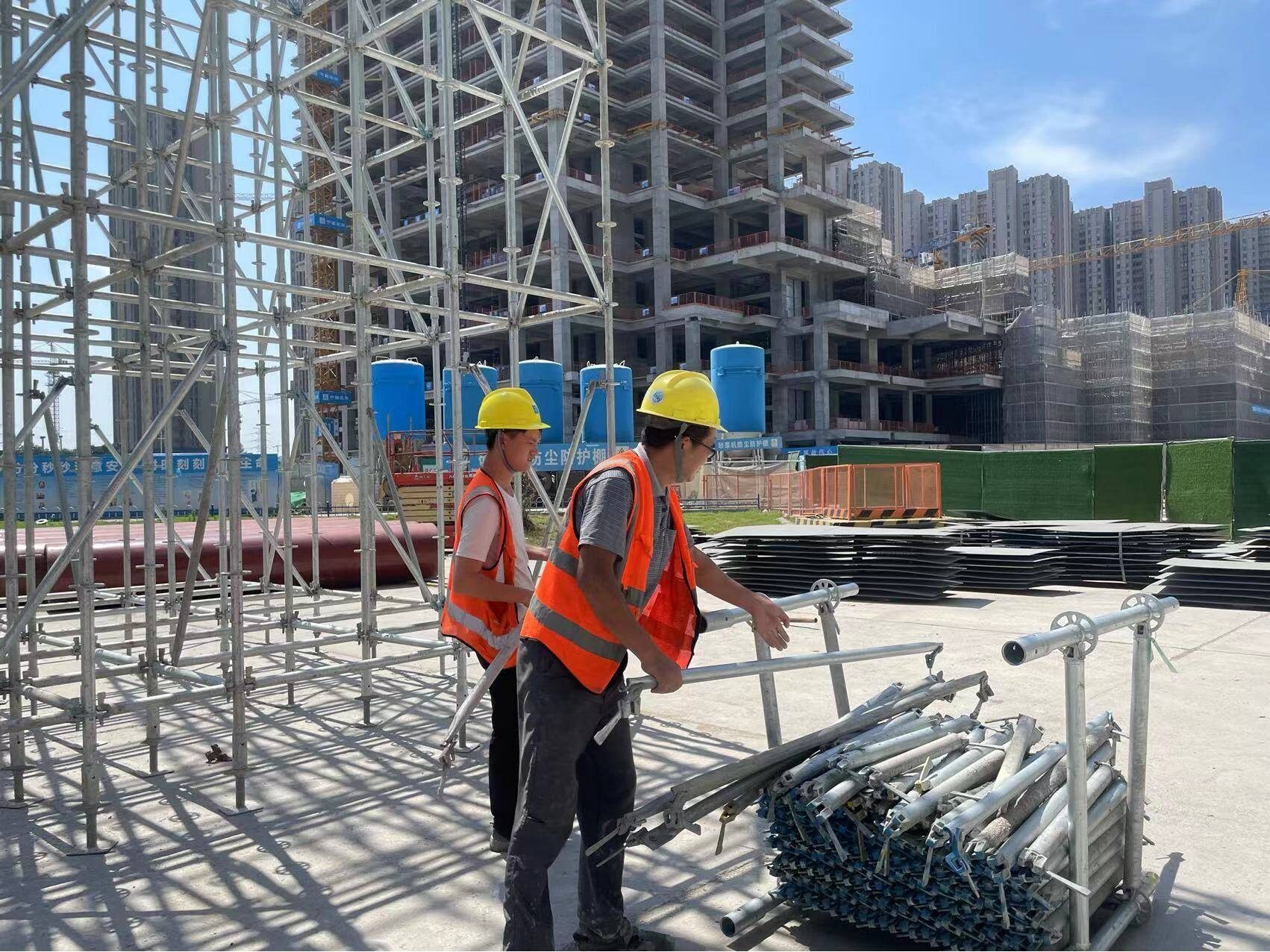
At a data center construction site in southern Dubai where pipelines are being laid, project manager Ali frowned as he looked at the schedule. The mechanical and electrical installation, which was originally planned to be completed in three months, has not even been completed halfway. It's not that the materials haven't arrived yet, but rather that the master who can understand precision drawings and operate high-end equipment has been poached by the surrounding data center projects with high salaries. This is not only Alibaba's predicament, but also a microcosm of the entire Middle East construction industry under the wave of AI infrastructure.

Labor shortage has become the biggest driving force
Once upon a time, the price increase of building materials was the biggest headache for builders, but now it is difficult to find someone to replace it. More than 70% of the global market is facing a shortage of construction personnel, and in the highly technical field of mechanical and electrical installation, this proportion has risen to an astonishing 87%. As the "power plant" of the AI era, data centers rely heavily on professionals with complex cooling and power systems. As countries such as Saudi Arabia and the United Arab Emirates simultaneously launch multiple mega engineering and housing projects, the already scarce skilled workers are being "siphoned off" by data centers in batches, causing labor costs to skyrocket.

The data center is unparalleled in the dust
In this construction boom, the market presents a dual scene of ice and fire. According to Turner Thomson's report, data centers have become the hottest building segment globally, with over 70% of surveyed markets indicating that the contracting capacity in this field has become saturated. On the other hand, in traditional fields such as hotels, residential and commercial real estate, nearly 80% of the market still maintains sufficient construction capacity. The flow of capital clearly indicates that the priority of digital infrastructure construction is reshaping the pattern of the construction market, making high-end construction resources increasingly scarce.
Hidden variables in the supply chain
Although the global building materials supply chain has significantly improved compared to the pandemic period, the risks have not gone far away. The fluctuation of energy prices, transportation costs, and petrochemical raw materials remains a high hanging cost sword. Especially the uncertainty of geopolitical conflicts in the Middle East, once the situation escalates, it is likely to once again impact engineering costs and logistics chains. In addition, the threshold for the construction industry is quietly increasing, with 66% of the surveyed markets stating that AI application capability has become a new hard indicator for bidding and customer evaluation, and future industry competition will increasingly focus on digital capabilities and control of high-end resources.Editor/Yang Meiling
Comment

 Praise
 Collect
 Comment

 Share
Share


Write something~