 Search


- Underneath the surface of the Persian Gulf lies the world's largest treasure, the Northern Gas Field
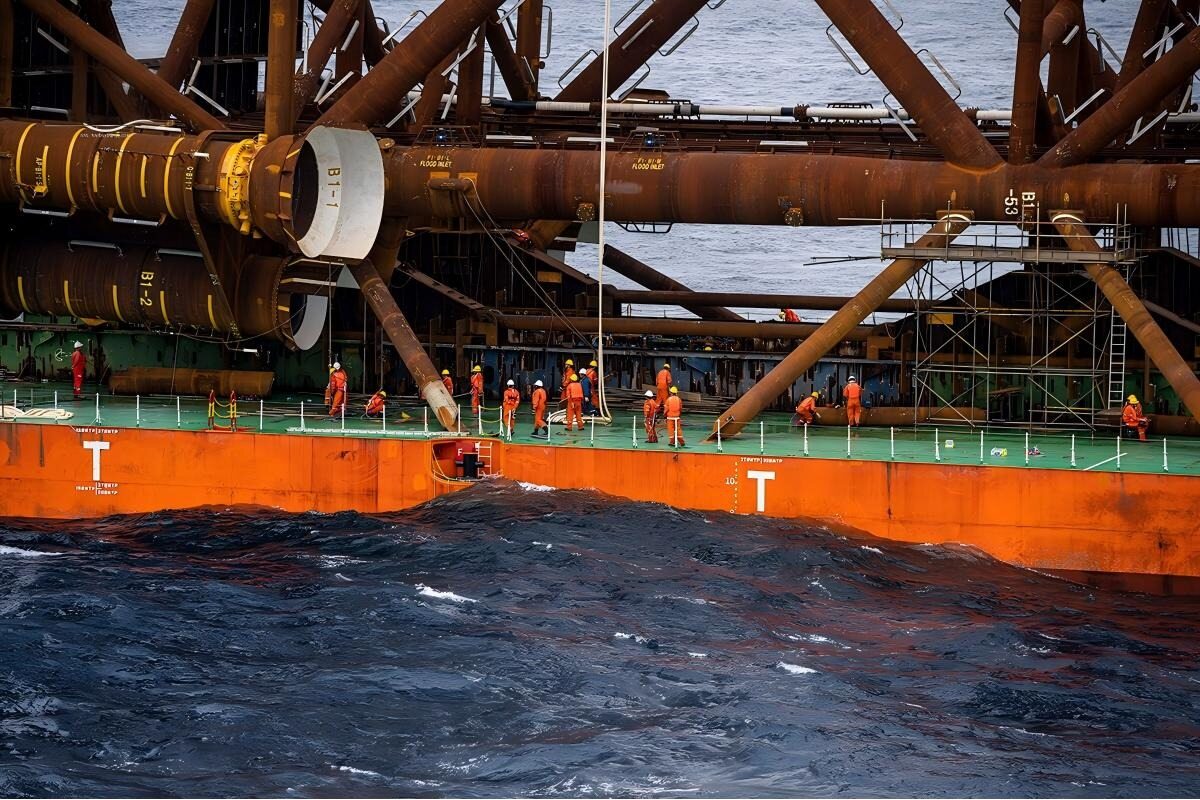
Recently, Qatar Energy Company dropped a heavyweight stone under this deep blue and officially launched the global bidding for the submarine pipeline project of the North Oilfield West Expansion Project. Despite the changing geopolitical situation in the Middle East, this energy giant still chooses to counter the trend and extend its tentacles into the deep sea, vowing to firmly grasp the crown of the future global liquefied natural gas market.
Faced with the dual pressures of energy transition and regional turbulence, this move is not only a continuation of the project, but also a bold gamble on confidence. To clarify the logic behind this super expansion, we will observe from three dimensions.
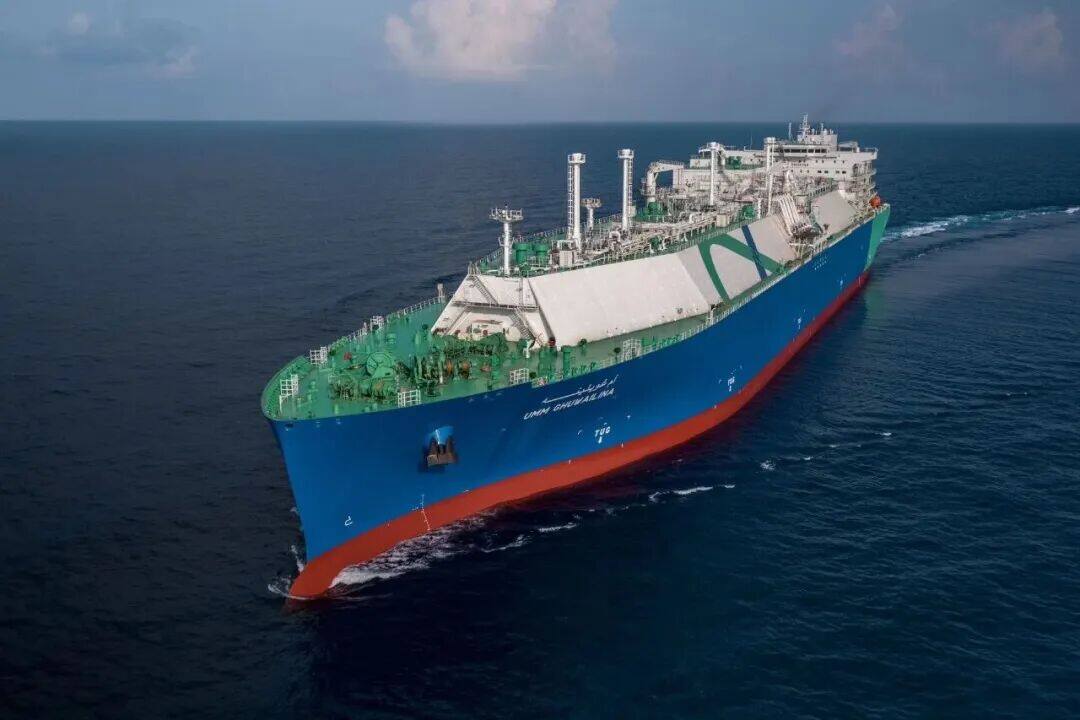
Deep Sea Link Engineering
The core of this bidding is a super contract that covers design, procurement, construction, and installation. This is not just about laying pipes, but about building a lifeline connecting the newly built wellhead platform in the western block of the northern oil field with the onshore facilities of the Raslafan Industrial City. The scope of work includes the entire chain of work for subsea gas pipelines and supporting composite cables, from prefabrication to underwater connections. Every welding point is related to the lifeline flow of billions of cubic meters of natural gas in the future. As the maritime throat of the NFW expansion project, once this link is connected, the rolling offshore airflow can smoothly land and monetize.
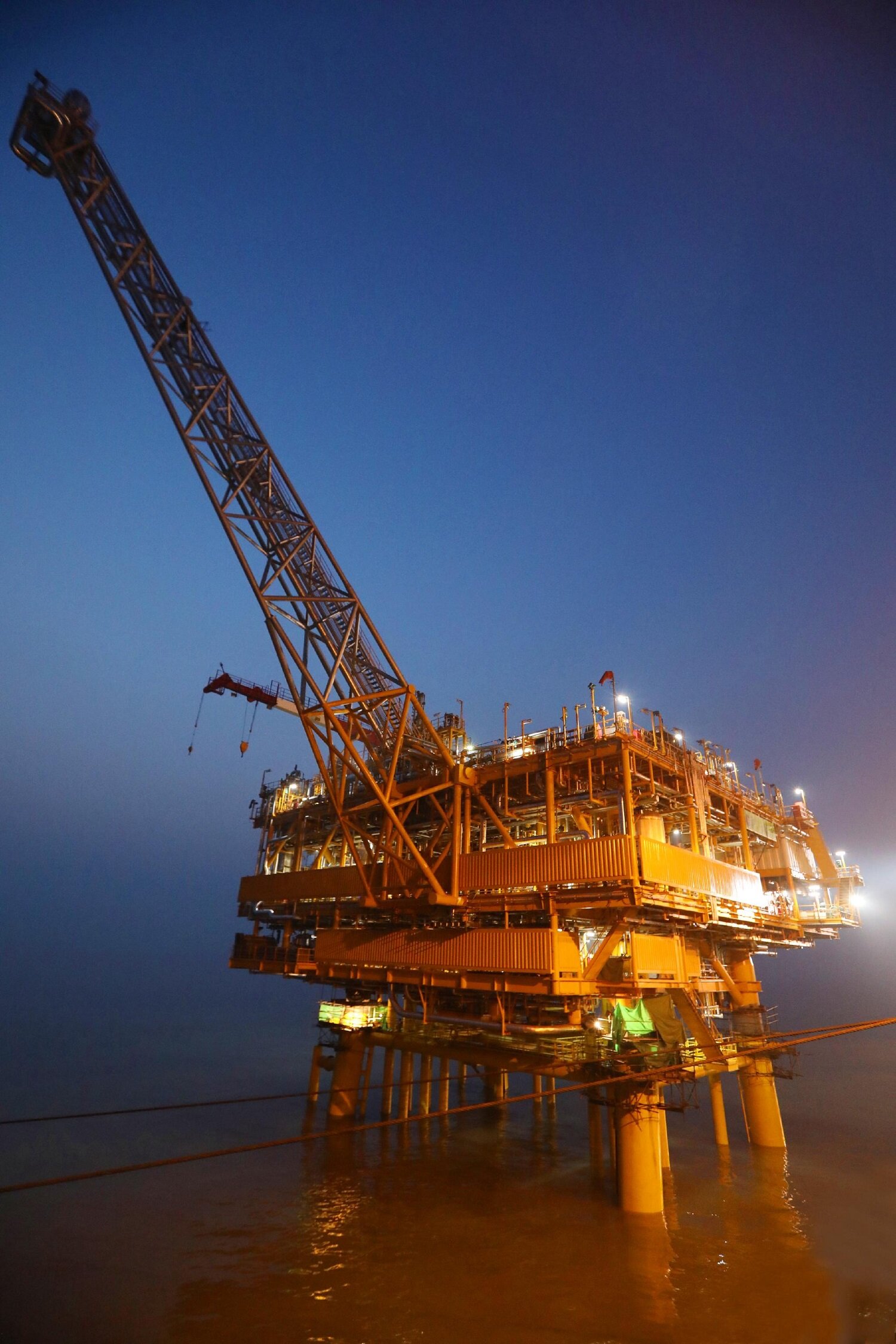
Super gas field trump card
The card in Qatar's hand is astonishingly large. The northern oil field located in its waters is connected to the South Pars gas field in Iran, forming the world's largest non associated natural gas field discovered to date, with total reserves accounting for nearly 20% of the world's recoverable reserves. It is precisely thanks to this underground treasure trove that Qatar has the confidence to continue advancing its western expansion plan. The two newly added super large production lines are based on the westward extension of this formation, and geological exploration has confirmed that there are still huge new reserves here, which are sufficient to support mining ambitions for decades to come.
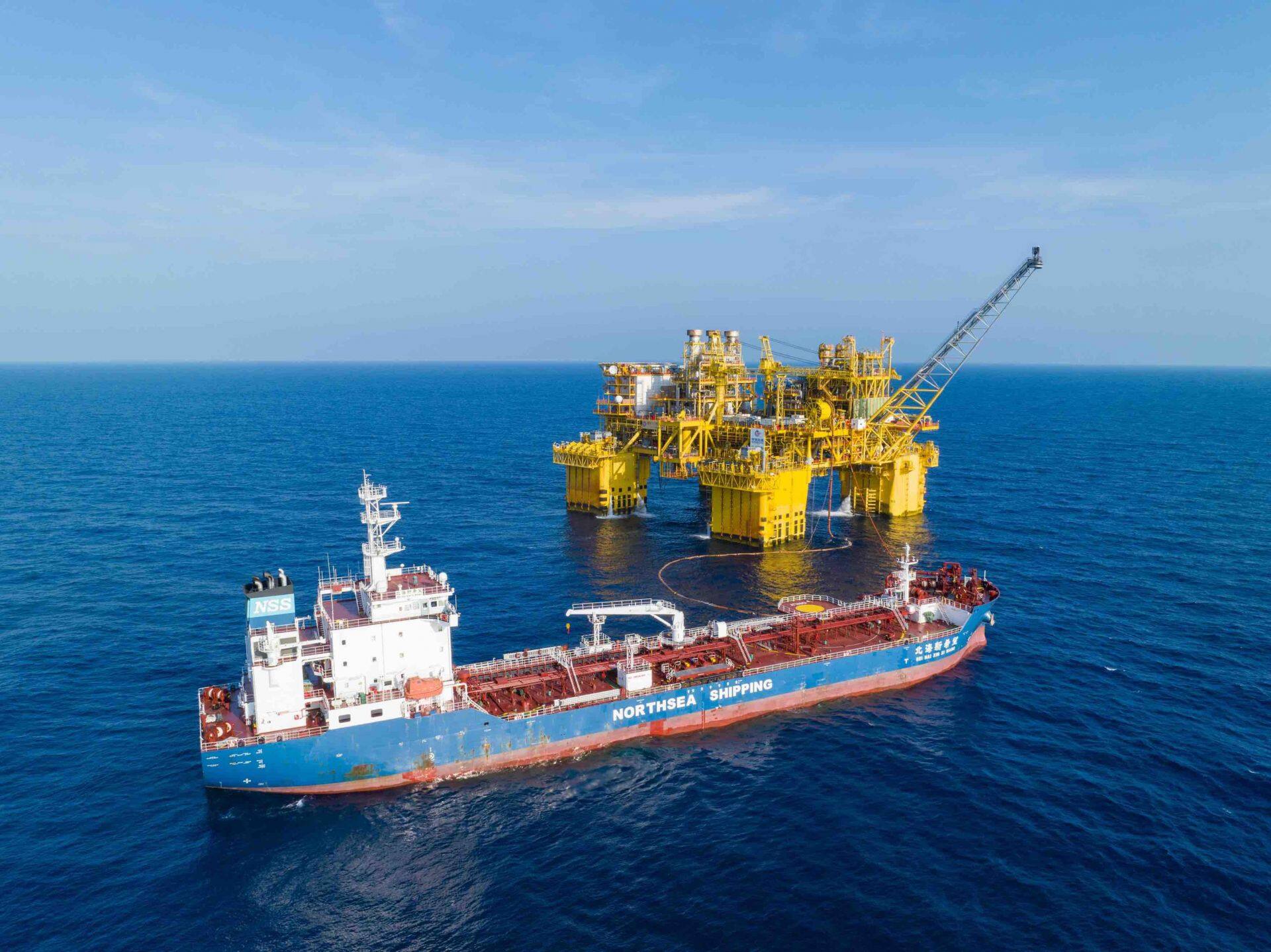
Billion ton production capacity blueprint
All layouts point towards a clear numerical goal. With the NFW project coming into operation between 2031 and 2032, Qatar will add 16 million tons of liquefied natural gas production capacity annually. This new force will help the country's total production capacity climb strongly to 142 million tons per year by the end of 2030, a leap of nearly 85% from the current level. In the current global energy landscape reconstruction, Qatar is pouring optimistic expectations of long-term demand into a concrete reality through this round of solid expansion.
From a single tender for an underwater pipeline to a grand narrative of billions of tons of production capacity, Qatar Energy is building its own moat in a fluctuating cycle. When the dawn of the 2030s begins, the roar of machines along the Persian Gulf may redefine the balance of global energy supply and demand.Editor/Yang Meiling
Comment

 Praise
 Collect
 Comment

 Share
Share


Write something~