 Search


- Accumulated transportation of over 16.58 million passengers and safe operation of over 8.02 million kilometers
- Chinese standards have taken deep root on Java Island
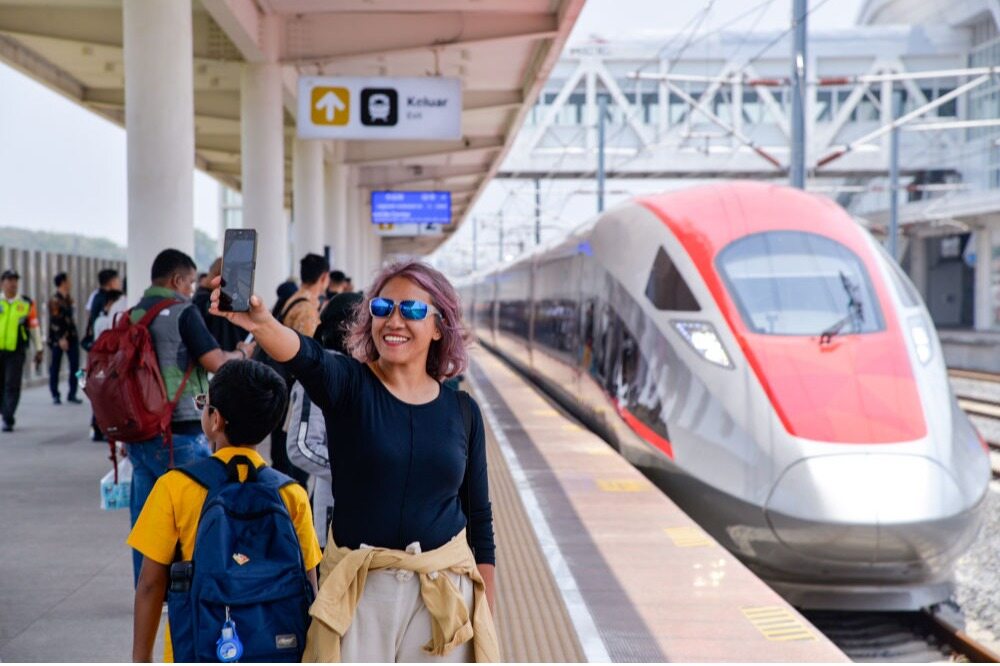
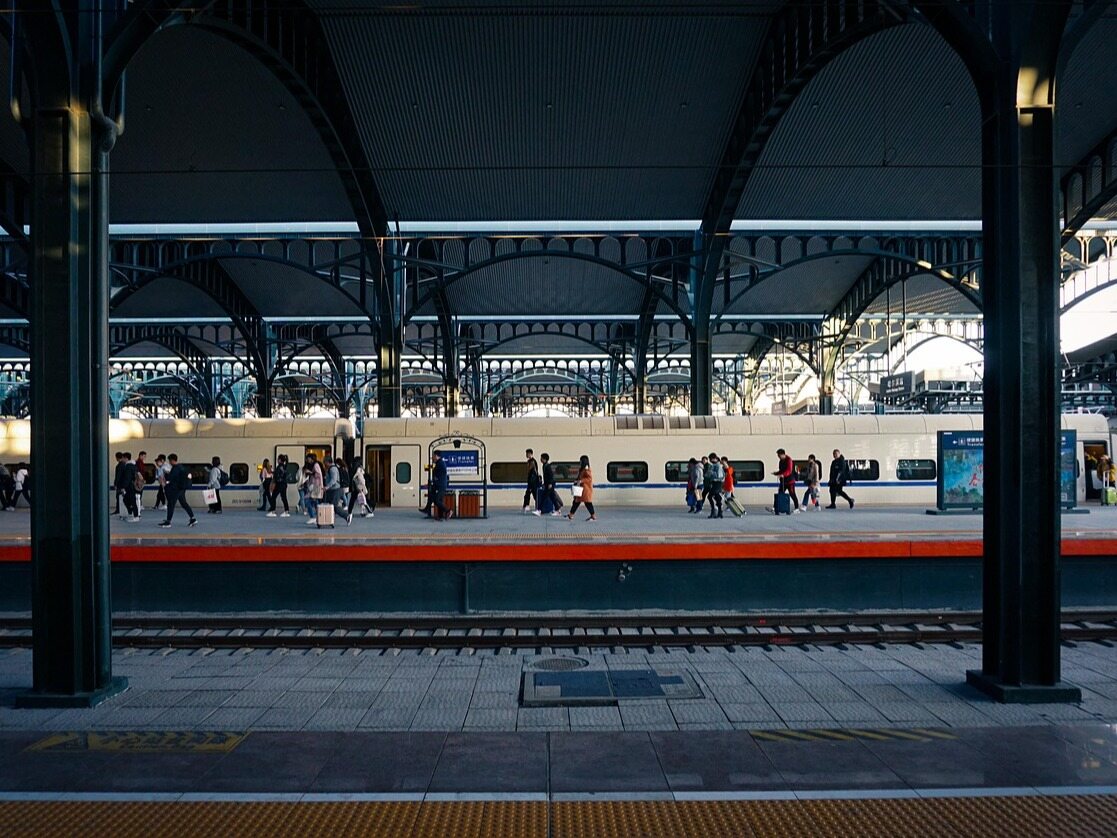
In the early morning of Java Island, the sun shines on the DeKalur station. The once empty square in front of the station is now bustling with traffic. Susie, who lives in Bandung, is preparing to take the train to Jakarta. She sighed that in the past, it used to take a long time to visit relatives in Jakarta, but now the high-speed rail has made life in the two cities as simple as visiting each other. This speeding train not only changed the way countless people travel, but also unconsciously reshaped the texture of cities along the route.
Steady improvement in operational efficiency
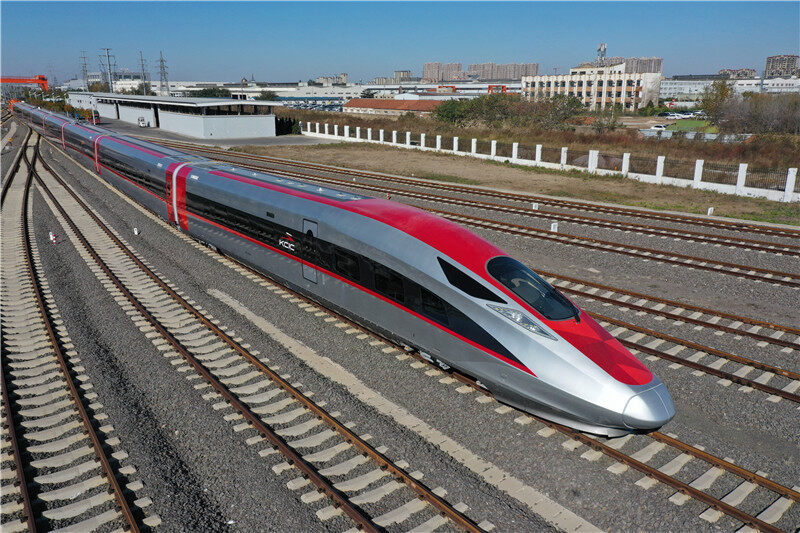
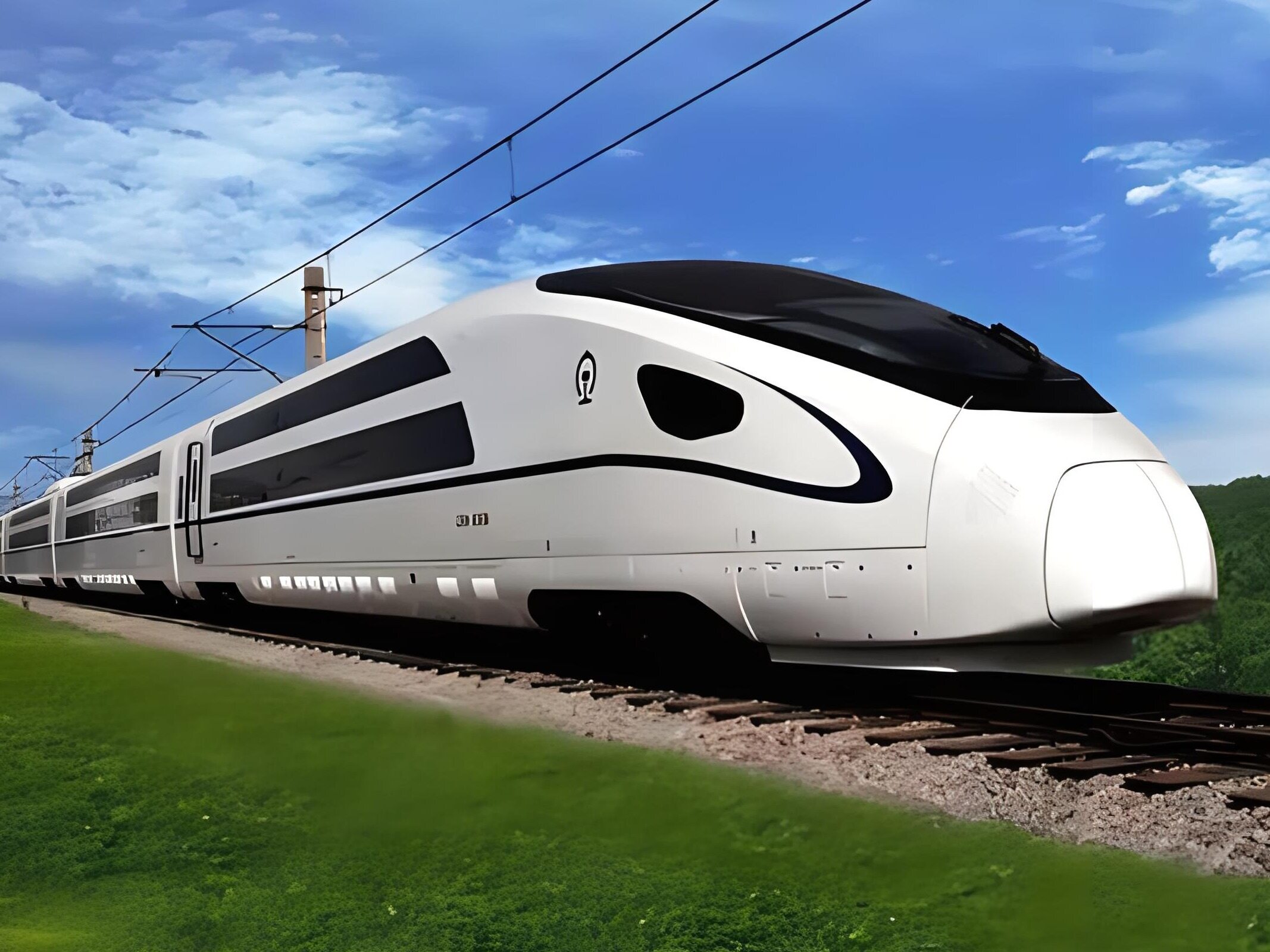
Since its official opening on October 17, 2023, the Yawan high-speed railway has undergone a solid leap from being "built" to being "operated steadily". The China Indonesia operation team has deeply integrated China's mature railway management experience with Indonesia's local reality, and built a complete operation management system. Faced with high-density transportation and complex external environments, the team continues to optimize the plan and build a strong safety defense line. The data shows that the daily number of trains has jumped from 14 in the initial opening period to 62 currently, and the on-time rate has remained above 95%. As of now, the Yawan high-speed railway has operated a total of 52730 passenger trains, with the safe operating mileage of high-speed trains exceeding 8.02 million kilometers, equivalent to running 200 laps around the Earth's equator, ensuring safe, stable and orderly transportation.
Local talents grow vigorously
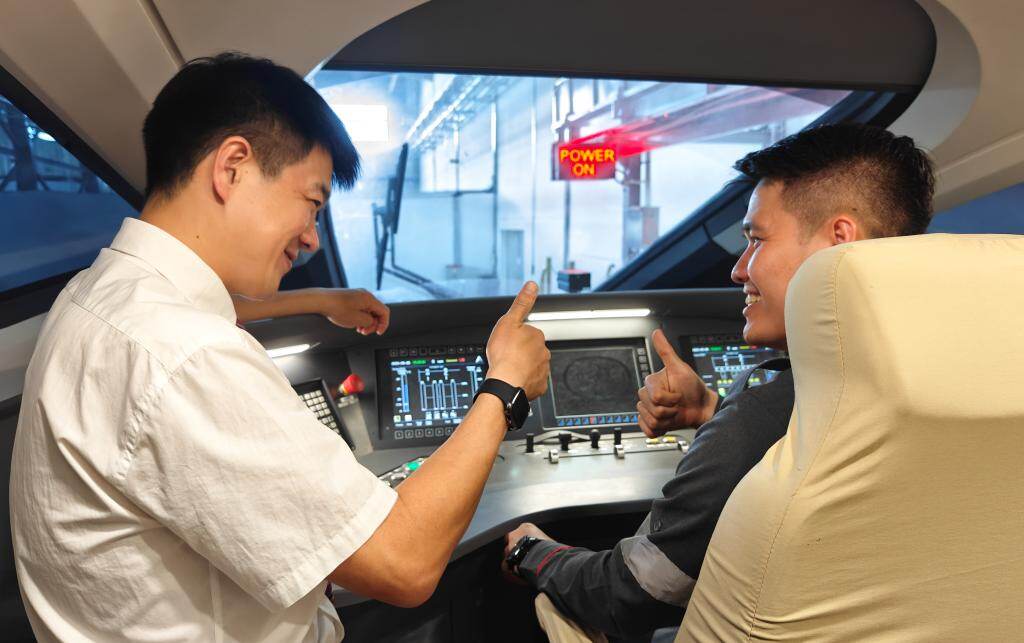
More and more Indonesian faces are taking charge in the driver's cab and dispatch hall of the Jakarta Bandung high-speed railway. Relying on the "mentorship" training mechanism established by the China Indonesia Operations and Maintenance Consortium (OMC), through theoretical lectures, simulated operations, and practical exercises, batches of local Indonesian employees quickly mastered the core skills of high-speed rail operation. Nowadays, Indonesian employees are present in key positions ranging from high-speed rail drivers and passenger services to equipment maintenance and safety management. This "teaching people how to fish" model not only solves local employment, but also promotes the true localization operation of the Yawan high-speed railway, injecting vitality into the long-term life of this high-speed railway.
The vitality of the economic artery bursts forth
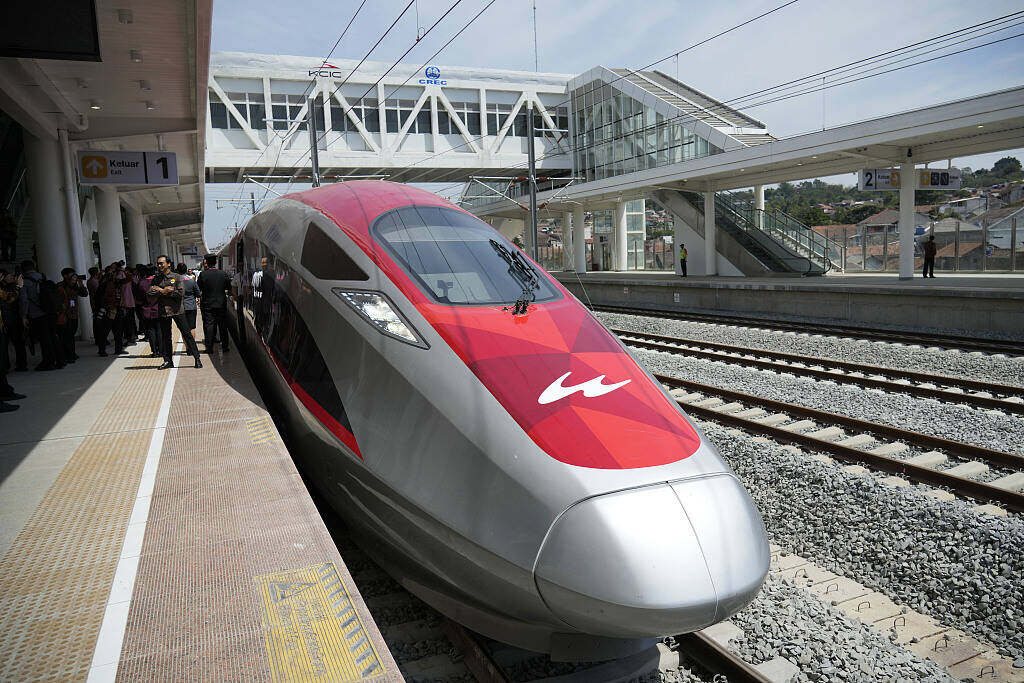
With the sound of the high-speed rail, ten thousand taels of gold are exchanged. The radiation effect of the Yawan high-speed railway is continuously amplifying along the line. A bustling new district called Sumarekan has emerged around the once quiet DeKalul station. Hassan, the General Manager of the Development New Area, revealed that over 1.1 million new tourists have visited the area every month this year, with a quarter coming from outside of Bandung. High speed rail not only connects cities, but also drives the gathering of commercial, logistics, and cultural tourism industries. Since its opening, over 866500 international passengers have taken the Jakarta Bandung high-speed railway to check-in in Indonesia, and the catering and hotel industries along the line have flourished. This steel dragon is becoming a powerful new engine driving regional economic development.
Standing at a new starting point of 1000 days of safe operation, the story of the Yawan high-speed railway continues. It is not only a transportation line, but also a vivid footnote to the high-quality cooperation between China and Indonesia, witnessing the joint construction of the the Belt and Road initiative taking root and bearing fruit in Southeast Asia.Editor/Yang Meiling
Comment

 Praise
 Collect
 Comment

 Share
Share


Write something~