 Search


Middle East
Saudi Arabia Voices Support for Palestinian Statehood to Advance Middle East Peace
07-17
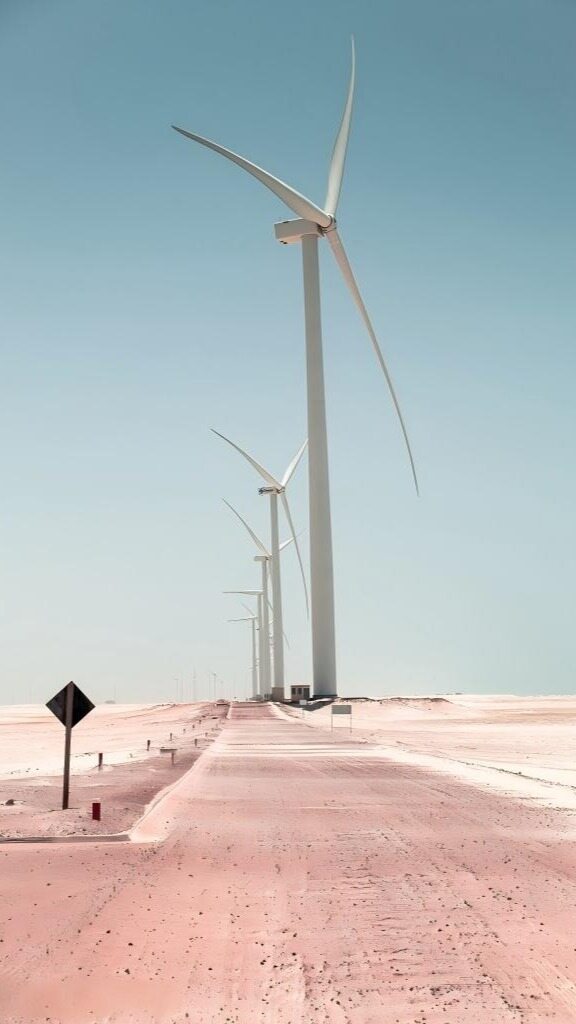
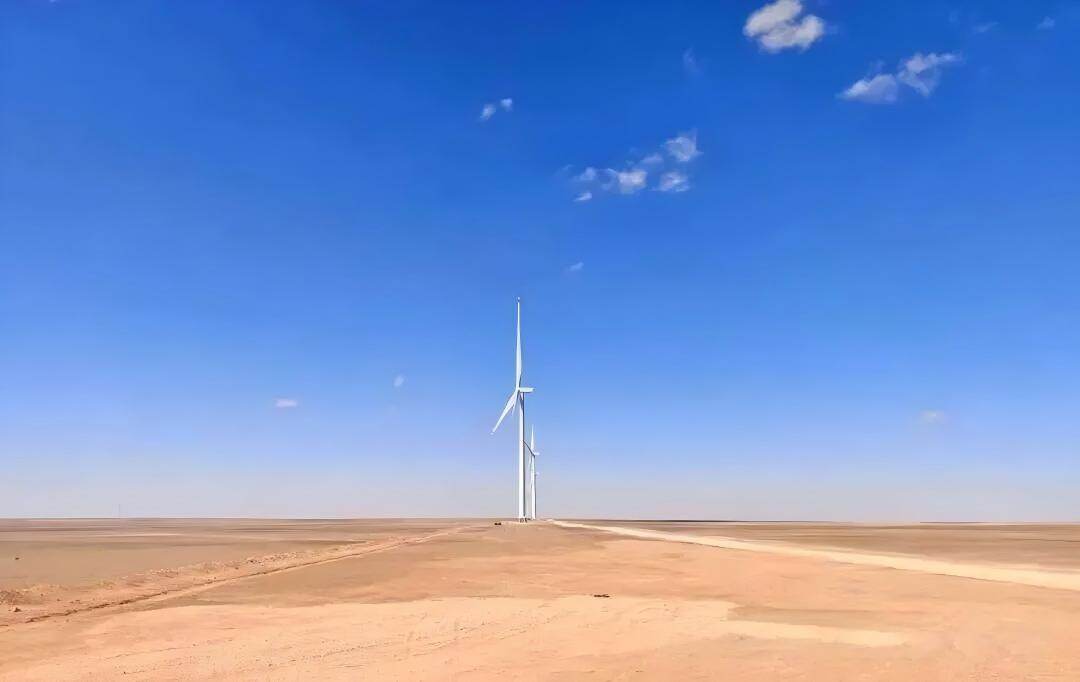
The scorching sun baked the boundless yellow sand, and the strong monsoon swept over the vast Gobi Desert in northern Saudi Arabia. In this extreme environment that was once considered a forbidden zone for electricity, hundreds of huge white wind turbines now stand tall. They rotate in the wind, converting the howling wind energy into a stable current that continuously flows into the Saudi power grid. This is not only a transformation of natural forces, but also a green legend written by Chinese builders on this land after crossing the ocean.
Recently, with the gradual rotation of the last wind turbine impeller, the Saudi 1.1GW wind power project consisting of Al Ghat and Waad Al Shamal wind farms has achieved full capacity grid connection, marking a new level of green energy cooperation between China and Saudi Arabia.
Showcasing skills in the battle against the sand sea
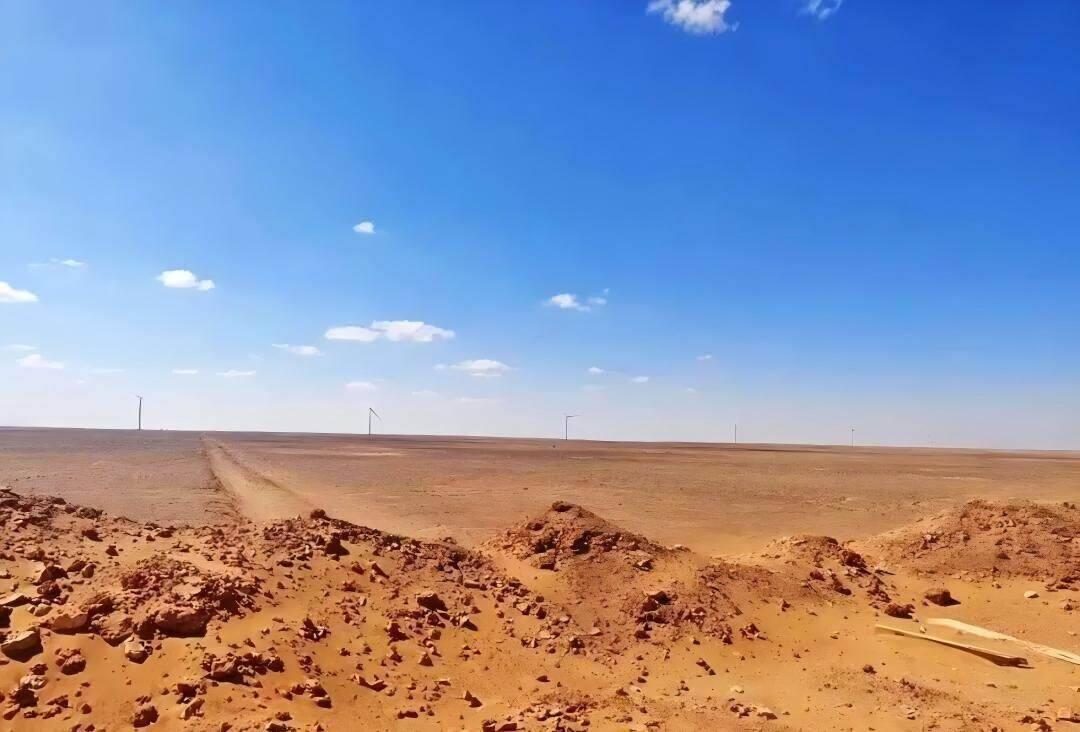
The Al Ghat project is located in Riyadh Province with an installed capacity of 600MW, while the Wand Shamar project is located on the northern border with an installed capacity of 500MW. Together, they form the cornerstone of Saudi Arabia's fourth National Renewable Energy Program (NREP). The climate conditions here are extremely harsh, with unbearable heat in summer and frequent sandstorms, placing almost stringent requirements on the tolerance of wind power equipment. Faced with challenges, the project construction team completed the full grid connection of Algat in just three months, and the Wande Shamar project achieved a successful grid connection once. The smooth operation of these two projects has effectively filled the supply-demand gap in Saudi Arabia's north-south power grid, providing clean electricity to hundreds of thousands of residents every year and significantly reducing the local dependence on long-distance transmission.
Hardcore technology breaks through bottlenecks
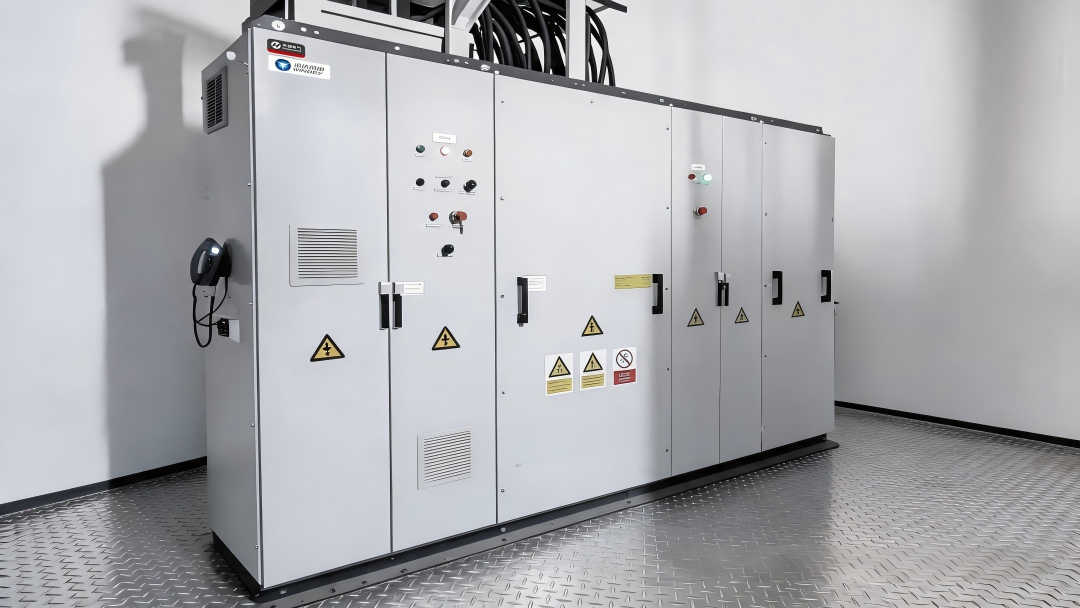
Behind this grand project is the hard core technology support from China. Hopewind has provided 147 1140V/7.7MW water-cooled doubly fed inverters to address the unique high temperature, strong sand and dust, and high salt spray environment in the Middle East. These devices are designed with a high protection level of IP54, as if wearing protective clothing for precision components, allowing them to cope with harsh weather conditions with ease. At the same time, its modular design with building blocks greatly enhances flexibility, making it perfect for both cabin and tower installation. The lightweight processing of core components and the support of remote intelligent diagnostic systems enable operation and maintenance personnel to control the health status of equipment even from thousands of miles away, significantly reducing the operation and maintenance costs of overseas stations. This is also the domestically produced core equipment used in the largest single unit capacity wind power project in Saudi Arabia at present.
Chinese business card spreads overseas
The collaboration between the Algart and Wande Shamar projects has formed a wind power cluster with a total scale of 1.1GW, becoming a vivid epitome of China's wind power industry chain going global collectively. From equipment manufacturing to engineering construction, Chinese builders have turned the energy blueprint in Saudi Arabia's "2030 Vision" into reality with sweat and wisdom. keywords:New energy information network
The success of this project not only validates the excellent performance of domestically produced high-end wind power equipment in extreme environments, but also provides a replicable Chinese sample for wind power development in regions similar to the "Shago Desert" worldwide. With the long-term stable operation of these wind turbines in the Saudi Arabian desert, Chinese intelligent manufacturing is playing an increasingly important role in helping the global energy revolution.Editor/Yang Meiling
Comment

 Praise
 Collect
 Comment

 Share
Share


Write something~