 Search


- New oil pipeline landing reshapes the energy trade and circulation pattern in the Middle East
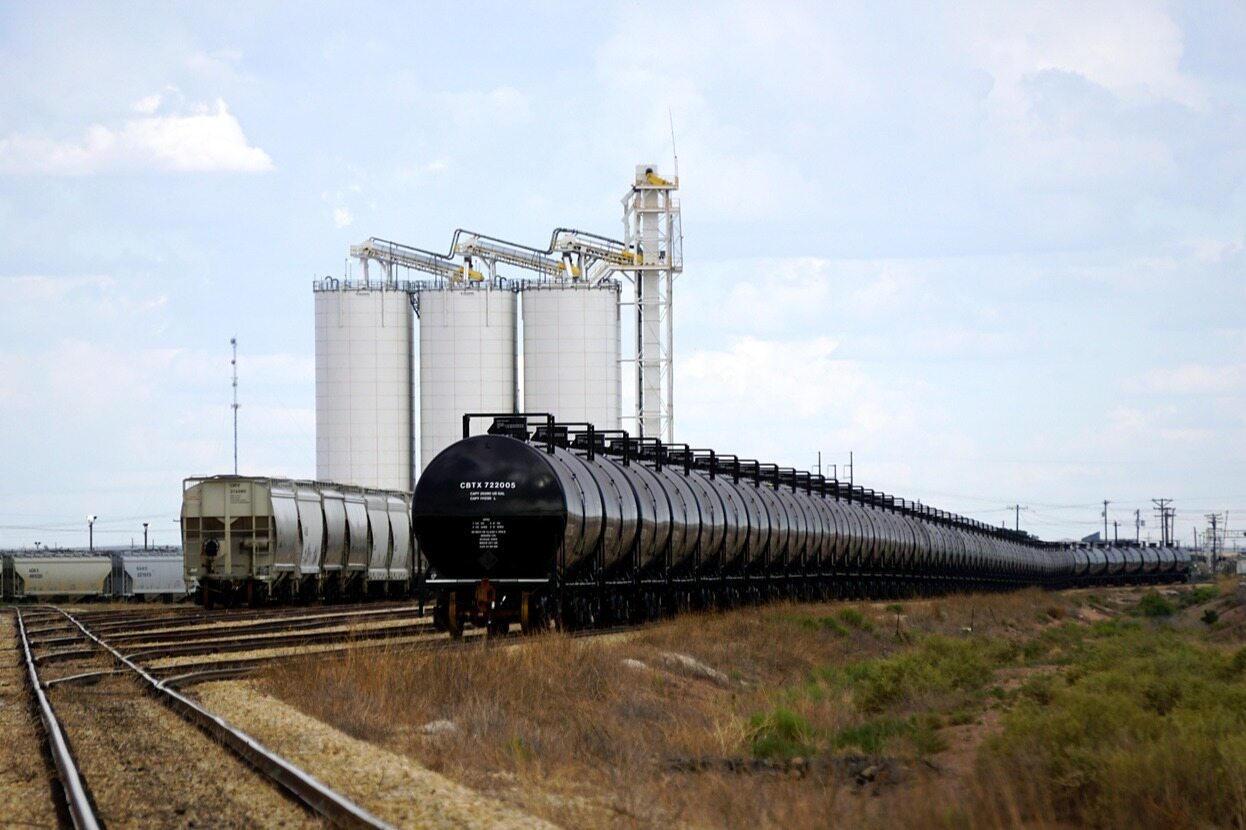
The escalating standoff in the Strait of Hormuz has severely restricted Iraq's crude oil export routes, causing a heavy blow to the country's oil exports and fiscal revenue. To solve the energy export dilemma, Iraq has teamed up with Syria to plan the repair of old cross-border oil pipelines and stabilize crude oil exports by bypassing the strait waterway. American companies will also be deeply involved in the project construction.
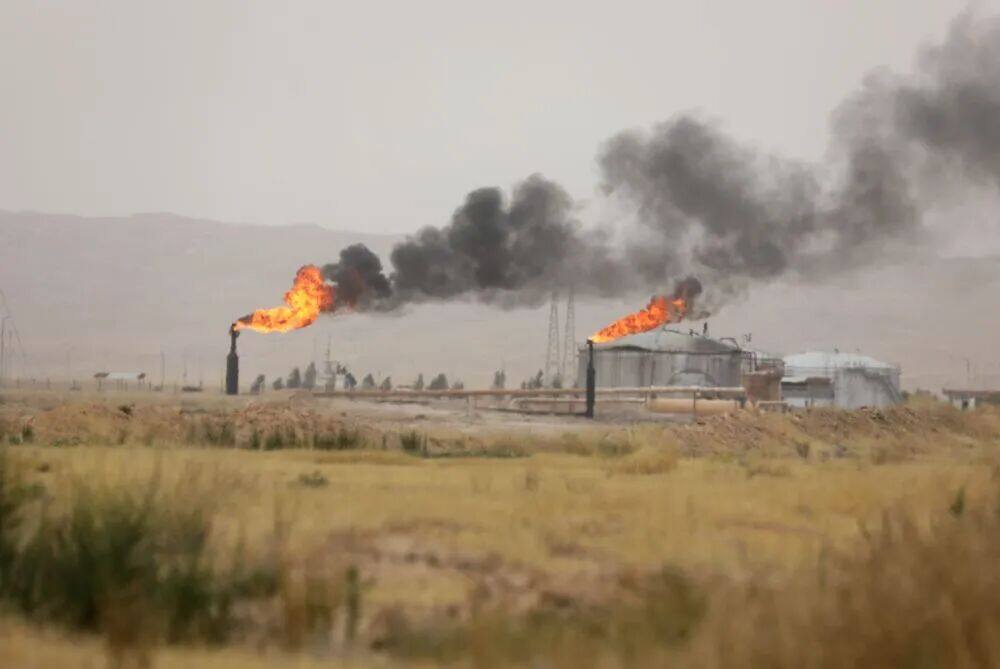
Cracking the export dilemma
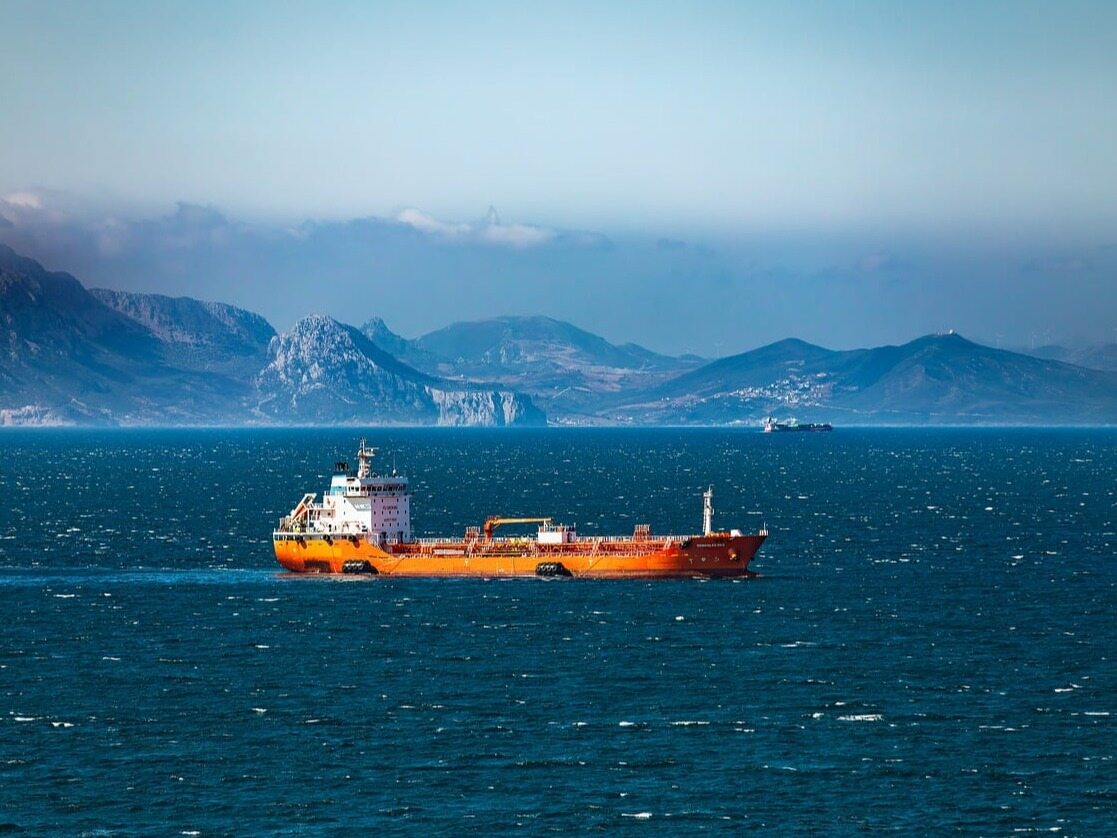
After the escalation of the situation in Iran in February this year, transportation in the Strait of Hormuz was blocked, and the highly dependent Iraqi economy on oil trade fell into crisis. Data shows that 95% of Iraq's pre war oil was transported through the strait, and 90% of its fiscal revenue relied on the oil industry. In May, the export volume of oil by sea was only 8% of the same period last year. The Kirkuk to Banias pipeline to be repaired this time was first built in 1952, with a total length of 800 kilometers and a daily oil transportation capacity of 300000 barrels. It has been damaged and abandoned due to multiple wars, and comprehensive repair will take two to three years. Keywords: oil pipelines, Middle East energy landscape
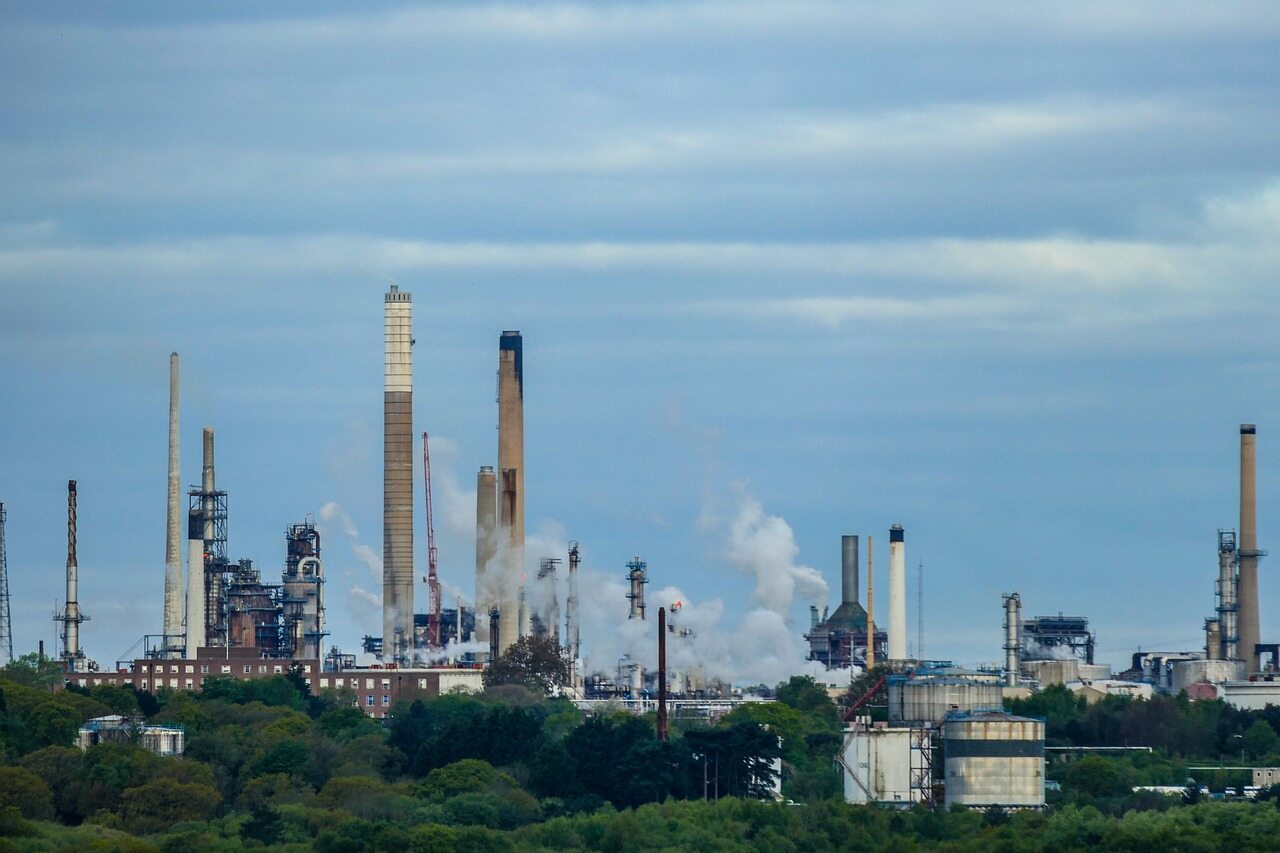
American companies deeply enter the market
This project cooperation is led and facilitated by relevant US envoys. Iran and Syria have collaborated with US companies to finalize a reconstruction agreement, which will be signed in Washington in the near future. Syrian diplomats will attend the ceremony. Chevron and other energy companies in the United States will participate in project construction, and the cooperation between the United States and Iran will also undergo a transformation. The two sides will gradually shift from traditional military cooperation to energy investment and development. American companies will deeply take over the work related to oil extraction and pipeline operation and maintenance in Iraq, and deeply layout the Middle East energy market.Editor/Min Jing
Comment


 Praise
 Collect
 Comment

 Share
Share


Write something~