 Search


- Ghana's mining rules are iteratively upgraded, reshaping the new pattern of Chinese funded West African gold mining

Ghana officially promotes the revision of mining policies and laws, completely changing the previous industry model of mining rights speculation and extensive development. The new regulations focus on fulfilling mining rights, local development, and increasing fiscal revenue, forcing Chinese mining enterprises and service providers with local layouts to accelerate their compliance transformation.
New regulation core adjustment
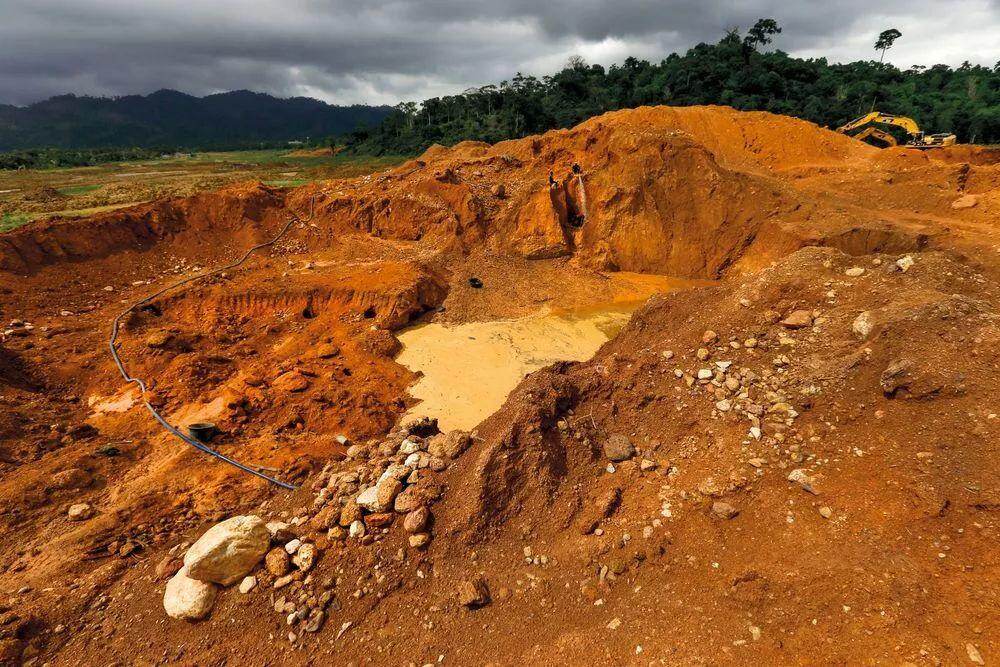
On July 15, 2026, the Ghanaian Cabinet approved a new version of the Mineral and Mining Policy and simultaneously submitted a revised mining law bill to Parliament for review, ushering in a systematic reshaping of mining regulatory rules. This reform clarifies five core adjustments, establishes a new category of medium-sized mining, and integrates to form a single exploration permit with a maximum duration of five years. The initial lease limit for mining has been adjusted from thirty years to twenty years, with the addition of a pre-approval mechanism for permits. All mining leases must be bound to a community development agreement. The new policy will completely reduce the idle and speculative space for mining rights, and the value of mining rights will depend on actual operational indicators such as exploration investment, performance progress, community cooperation, and local supporting facilities.
Deep logic of reform
This reform revolves around three core themes: gold production capacity, foreign exchange return, and fiscal revenue increase, promoting the extension of mining supervision from the production end to trading, reserves, and local industries. By 2025, Ghana's gold production will reach 6 million ounces, with small-scale artisanal mining and large-scale mining production roughly equal. In the first half of 2026, the local gold committee will purchase over 50 tons of gold from small-scale mining channels. At the same time, the local government has implemented a floating royalty system, adjusting the range of gold and lithium royalty to 5% to 12%, while maintaining a fixed 5% rate for other minerals. Large mining enterprises exporting gold need to be proportionally purchased and settled by local institutions, effectively activating local gold reserves and foreign exchange systems.
Chinese enterprises face the impact directly
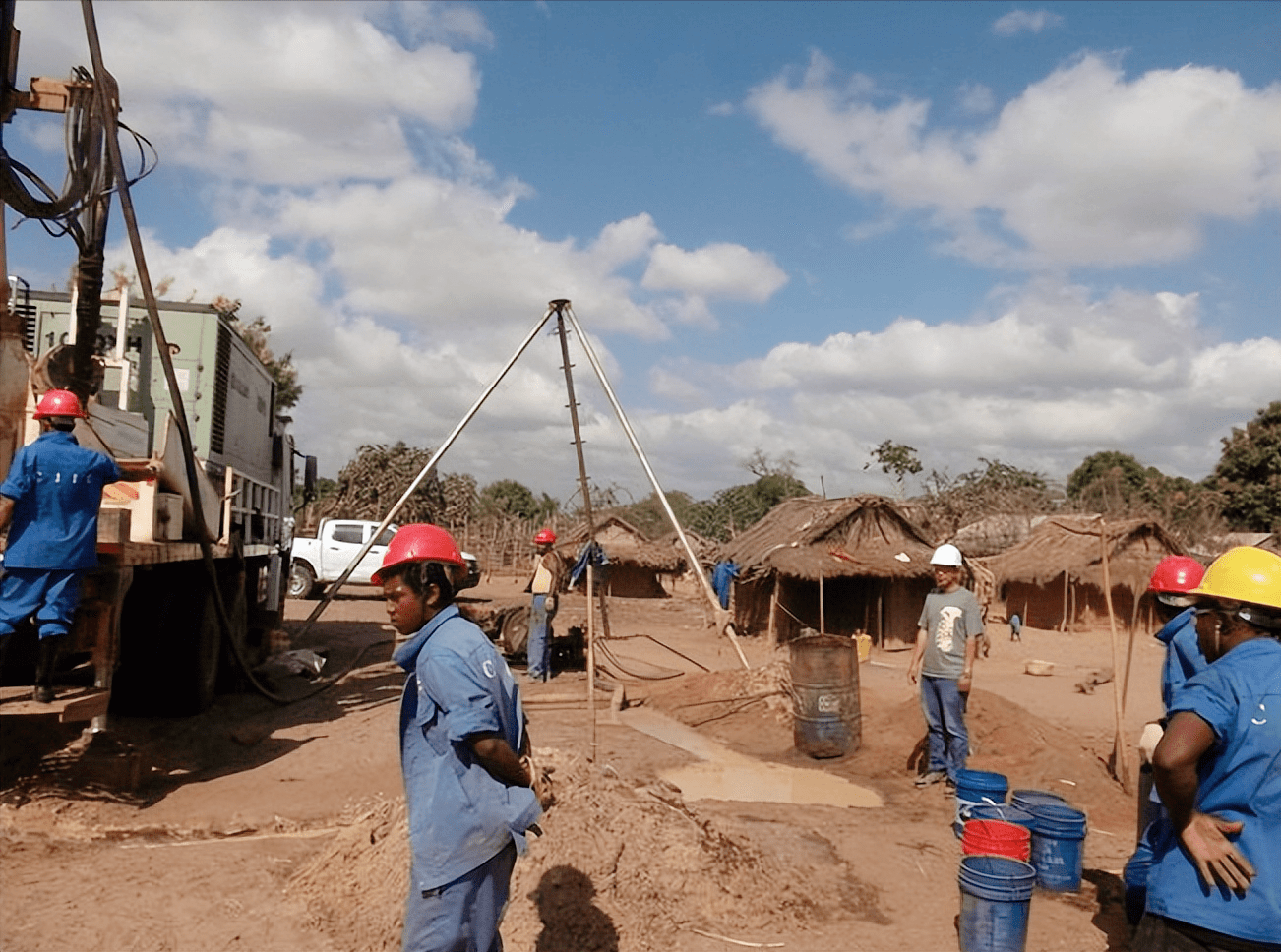
Several leading Chinese mining companies have core assets covering the scope of this reform. Zijin Mining, Chifeng Gold, and Shandong Gold have all deployed large-scale gold mining projects in Ghana. Changes in mining rights terms, local procurement, and revenue settlement rules directly affect the project cost and revenue models. The original extensive operation mode is no longer applicable. Each mine needs to sort out the validity of mining rights, renewal conditions, community agreements, government shareholding, and local performance requirements one by one, establish a special compliance ledger, and adapt to the new regulatory system.
Industry opportunity shift
Reform and eliminate market entities that are purely speculative, invest lightly, and have no local contribution, while unleashing new industry opportunities. Existing mines with compliance operation capabilities and deep involvement in community cooperation, as well as Chinese service providers that can provide equipment operation and maintenance, tailings treatment, smart mining, and personnel training, continue to expand their market space. Keywords: Ghana mining reform, mining compliance
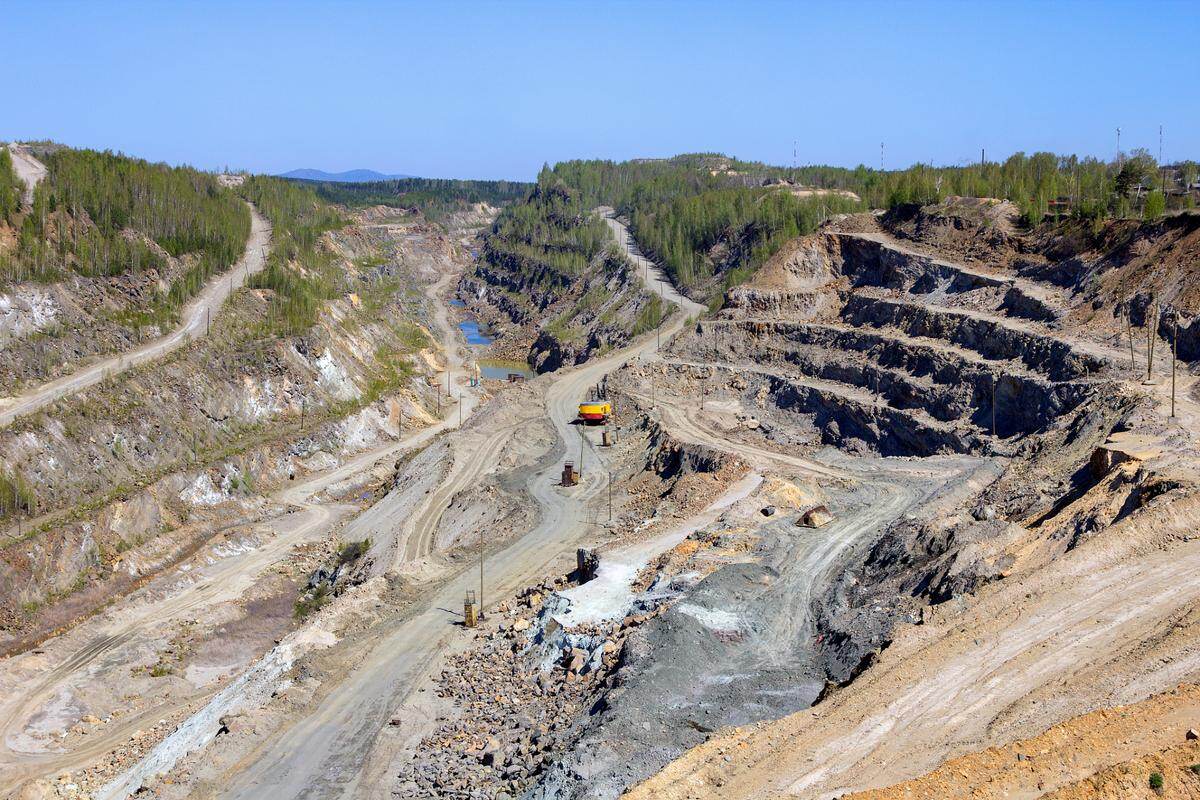
Currently, Ghana's local mining industry relies heavily on foreign investment for high-value services. Chinese enterprises can leverage their technological and industrial advantages to implement localized assembly, spare parts supply, technical training, and other businesses, break away from a single product export model, and build a long-term localized operation system. The industry points out that filling the gaps in compliance and localization in advance at this stage is the key for Chinese enterprises to deeply cultivate the West African mining market.Editor/Min Jing
Comment




 Praise
 Collect
 Comment

 Share
Share


Write something~