 Search


- Kazakhstan is fully upgrading its 4600 kilometer irrigation network and introducing intelligent control technology
- Kazakhstan is fully upgrading its 4600 kilometer irrigation network and introducing intelligent control technology
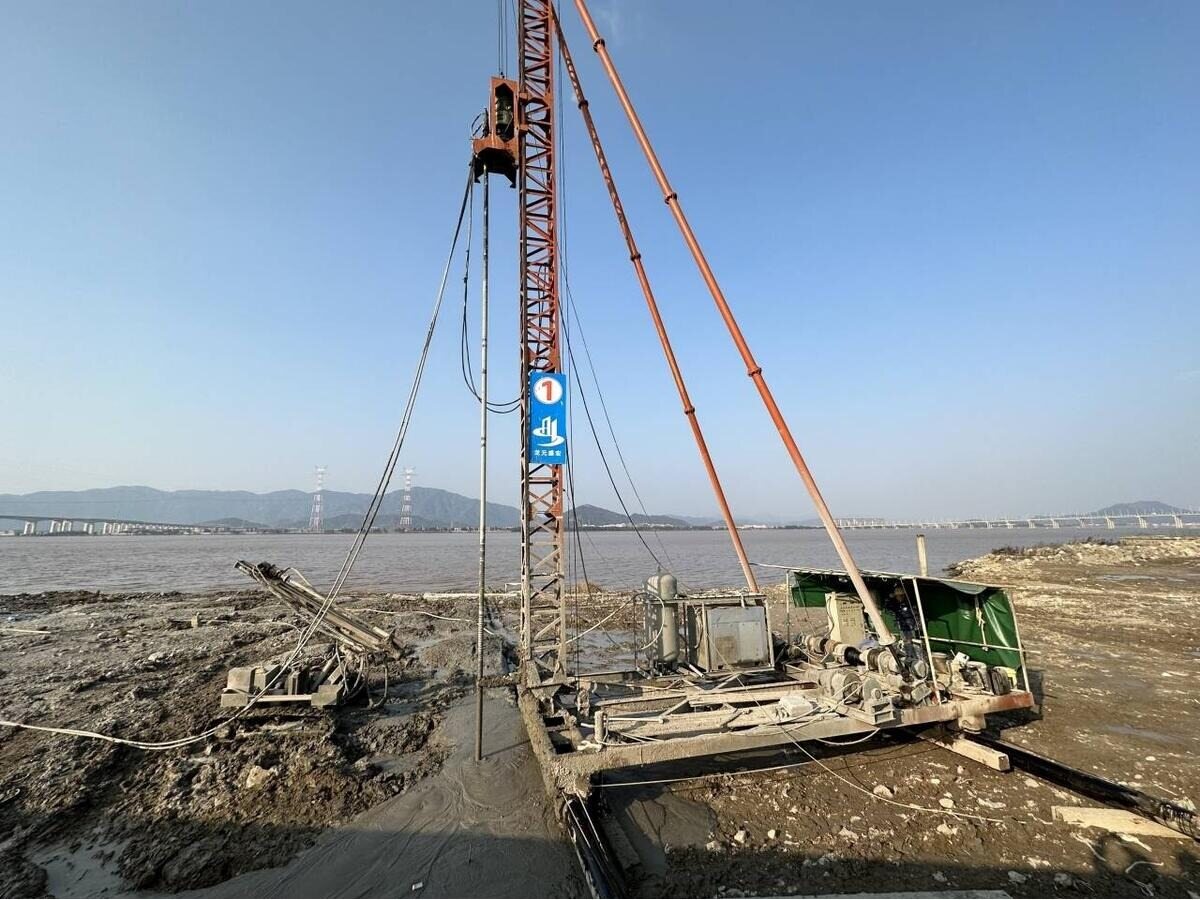
The scorching sun baked the fields in southern Kazakhstan, and farmer Yellan crouched by the edge of the field, watching the murky and slow flowing water from the canal flow into his own wheat fields. In the past, due to the aging and leakage of channels, downstream farmland often became thirsty, while upstream had already flooded and become waterlogged. Nowadays, this helplessness of relying on the weather for survival is quietly changing with a nationwide reform of water conservancy projects. From traditional earthen canals to modern intelligent water networks, a clear stream is reshaping the future of agriculture on this vast land.
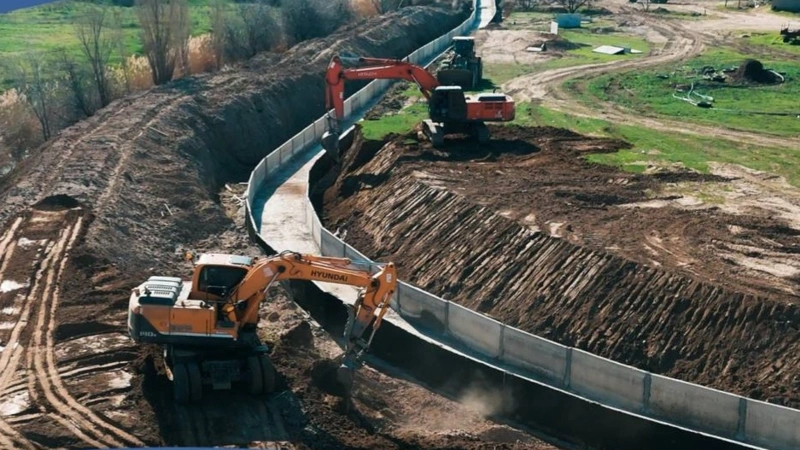
Wanli Qingqu leads to Woye
Kazakhstan's water conservancy construction has entered the fast lane. At present, 4600 kilometers of irrigation channels across the country are undergoing a complete transformation. According to the plan, by the end of 2026, 962 kilometers of key channels will be repaired, directly improving the irrigation conditions of nearly 200000 hectares of land.
This is not a solo project. With the support of international financial forces, the construction speed has significantly increased. As of early 2026, under the framework of cooperation with the European Bank for Reconstruction and Development, 46 joint construction projects have been successfully completed, and another 21 projects are progressing at full speed, with a total of 502 kilometers of channel reconstruction completed, approaching the overall goal of 717 kilometers. At the same time, the 9 projects supported by the Islamic Development Bank have also received good news, with about 600 kilometers of channel renovation completed and only the last 35 kilometers left to be fully completed. This year, both sides have jointly launched climate adaptive water resource development projects, and 88 specific canal system renovation projects have started construction.
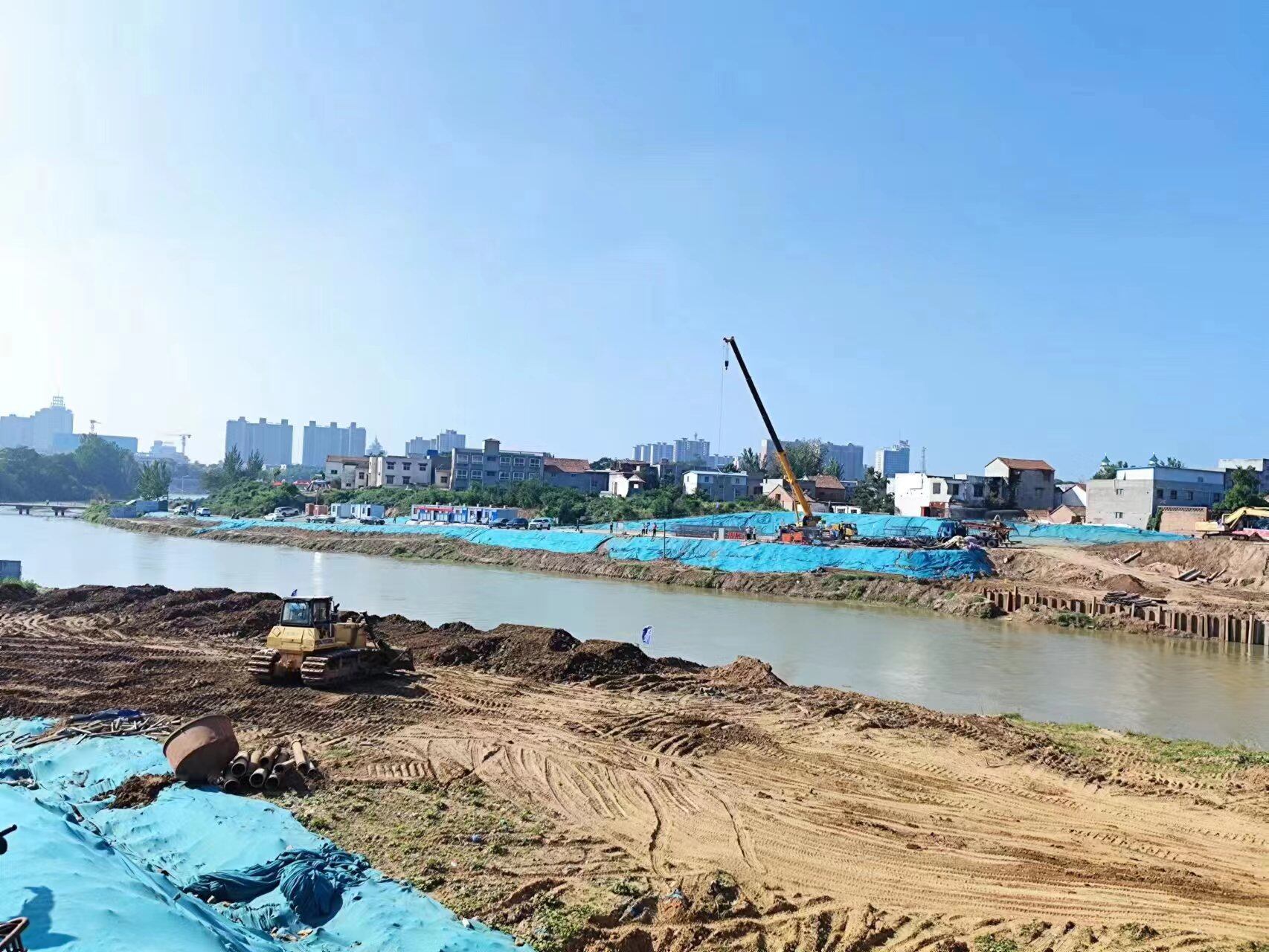
Digital empowerment for precise water management
If hardening channels solves the physical problem of leakage, then digitization endows the water conservancy system with the soul of wisdom. In southern Kazakhstan, an intelligent revolution is underway for irrigation systems.
At present, 103 channels covering an irrigated area of 65000 hectares and a total length of 968 kilometers have started automation transformation. Recently, 270 channels (with a total length of 1184 kilometers) have completed automation upgrades, and the gates on these channels no longer require manual shoulder lifting, but can be precisely controlled through remote commands. Kazakhstan's Deputy Minister of Water Resources and Irrigation, Salimov, revealed that the engineering budget design documents for 264 channel reconstruction projects are currently being intensively prepared, all of which will introduce automated components and modern water metering systems without exception. This means that every drop of water in the future will be traceable and distributed according to demand.
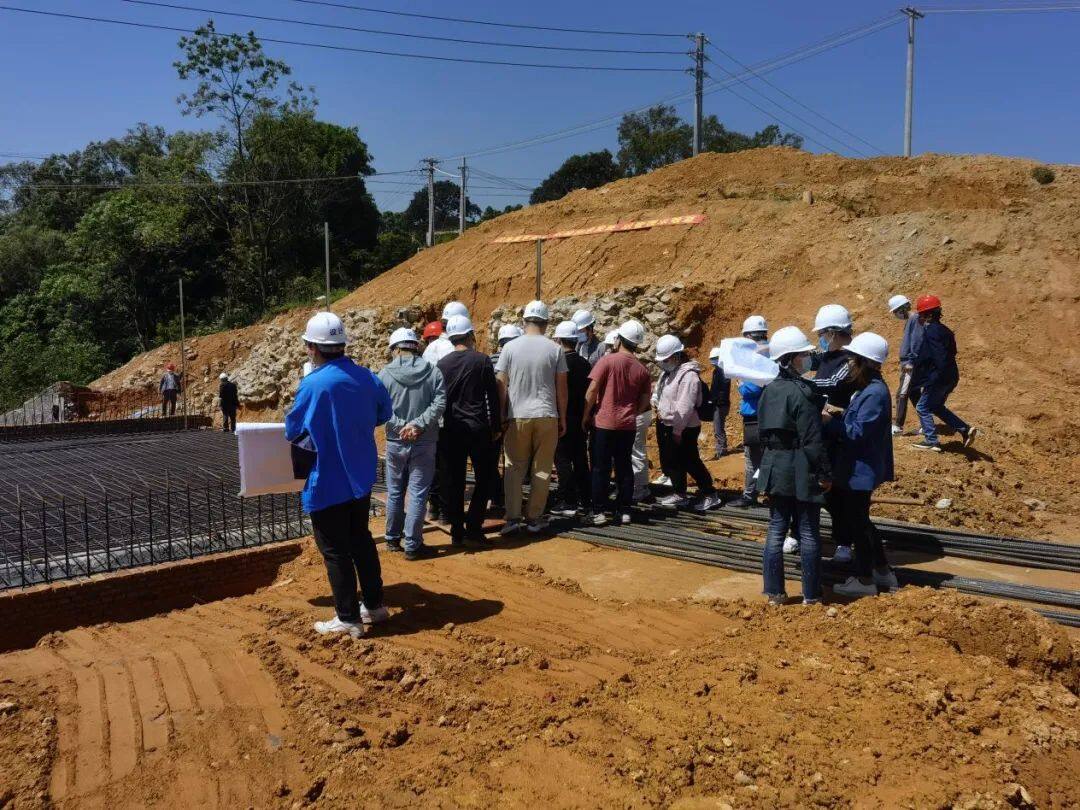
Upgrading facilities to strengthen muscles and bones
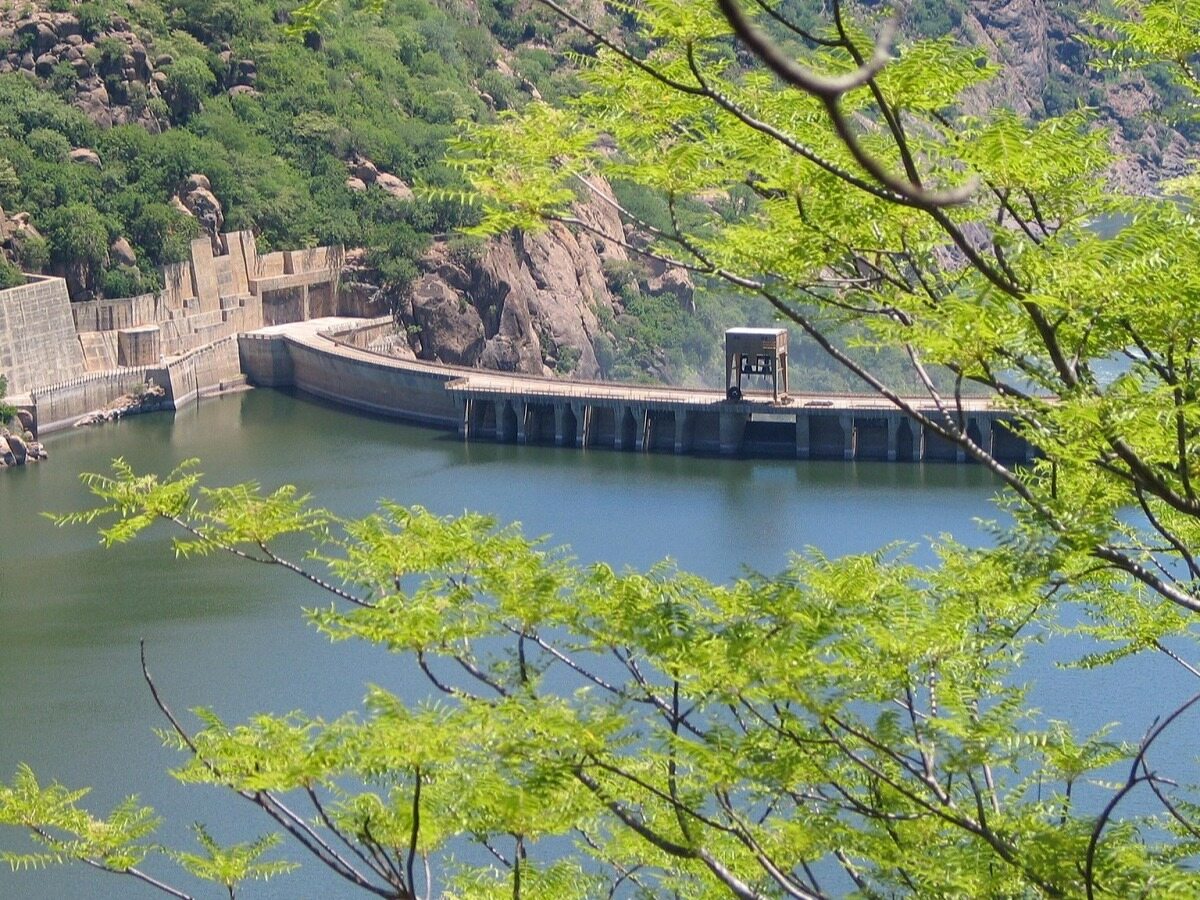
In addition to the crisscrossing field channels, upgrading the backbone water supply arteries is equally crucial. As an important part of the national water conservancy hub, the modernization of the Satpayev Canal is underway. The core of this renovation lies in "heart replacement" - the plan is to replace 19 water pump units and 17 transformers. This will not only significantly improve the water delivery efficiency of the canal, but also effectively reduce energy consumption and enhance the resilience and reliability of the entire irrigation network in the face of extreme weather conditions.keywords:Engineering infrastructure
With the successive completion of these projects, Kazakhstan's farmland irrigation will bid farewell to the extensive mode and make great strides towards high efficiency, water conservation, and intelligence, providing solid water conservancy support for the country's agricultural revitalization.Editor/Yang Meiling
Comment


 Praise
 Collect
 Comment

 Share
Share


Write something~