 Search


- Digital green dual wheel drive, building a new paradigm of mutual benefit and win-win between China and Africa
- Railway connects multiple industries and accelerates the construction of free trade zones on the African continent
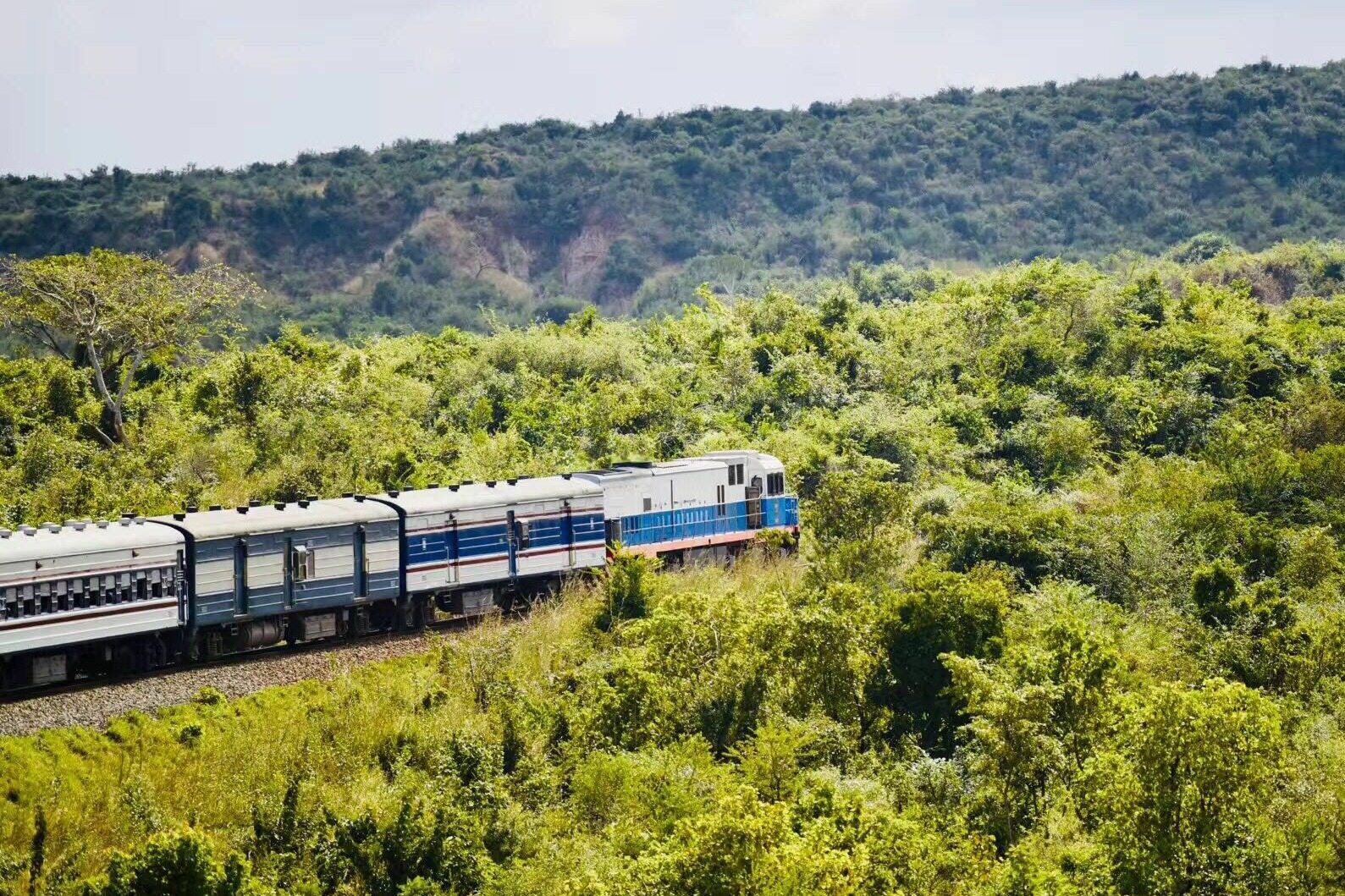
The steel pulse that crosses the East African Rift Valley lies dormant for half a century, and the monument of friendship from the past is reigniting with the activation project. From single aid construction to integrated investment, construction, and operation with digital empowerment, this artery has transformed into an economic corridor linking mining, road, port, industry, and city. Under the joint management of the three countries, it continues to write a new narrative of China and Africa's transition from mutual assistance to symbiotic prosperity.
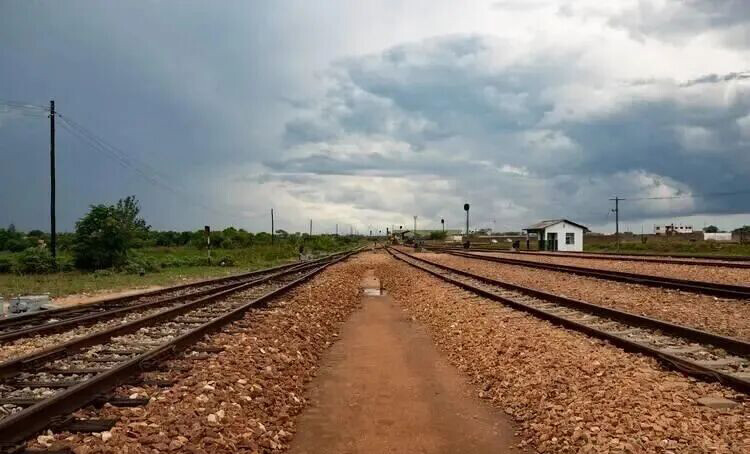
On the 50th anniversary of the opening of the Tanzania Zambia Railway on July 14, 2026, Foreign Ministry spokesperson Lin Jian called it a monument of China Africa friendship. China will work together with Tanzania to promote the revitalization and prosperity of the railway. Half a century ago, China aided in the construction of this railway, which opened up an inland sea route. The current activation project, with an investment of 1.4 billion US dollars, adopts a 31 year franchise operation, integrated investment, construction, and operation, and a mining, road, port, and industrial city linkage model to promote a shift from single aid construction to industrial networking and collaboration, and digital science and technology innovation to empower intelligent governance of the corridor.
Half a century of friendship forged a steel backbone
In the 1960s and 1970s, the economic and trade routes in southern Africa were blocked, and Zambia's copper mine exports faced the dilemma of blockade. In 1967, the three parties of China, Tanzania, and Zambia signed a contract to jointly build the Tanzania Zambia Railway. China provided long-term interest free loans and invested a large amount of manpower and material resources to complete the construction of the entire line. The railway effectively breaks the regional economic blockade, stabilizes Zambia's copper industry export system, promotes the upgrading of Dar es Salaam Port to a core hub in the Indian Ocean, and drives domestic electromechanical, light industry, and infrastructure products to go abroad, forming an early China Africa cooperation model of foreign aid to promote trade and trade belt industries, and also reserving broad space for subsequent digital upgrading.

From 1976 to 1986 was the golden period of railway operation, with stable and profitable passenger and freight volume, undertaking more than 80% of Zambia's copper ore transportation tasks, and driving the rise of commercial towns along the line. The project effectively reduces the cost of mineral transportation, stabilizes the country's foreign exchange income, facilitates the circulation of agricultural products and materials between the two countries, drives employment and the development of service industries along the route, and provides backup channels for neighboring countries to go abroad, building an early cross-border trade network in southern Africa. However, due to the lack of planned operation mode and digital supporting facilities, a long-term development pattern of scale and industrialization has not been formed, and the inherent shortcomings of the aid construction mode have gradually been exposed.
The old track is difficult to bear the weight of the new era's development
Under long-term operation, the equipment, lines, and signal system of the Tanzania Zambia Railway have aged, and the on-time performance of trains has significantly decreased. Coupled with problems such as road competition, complicated cross-border customs clearance, and rigid freight rates, a vicious cycle of insufficient operation and low traffic volume has been formed. Zambia's mineral exports are forced to rely on high cost road transportation, Tanzania's port turnover efficiency has been low for a long time, and regional cross-border logistics costs far exceed the international average. The core problem lies in the lack of a unified digital scheduling system and standardized operation mechanism.
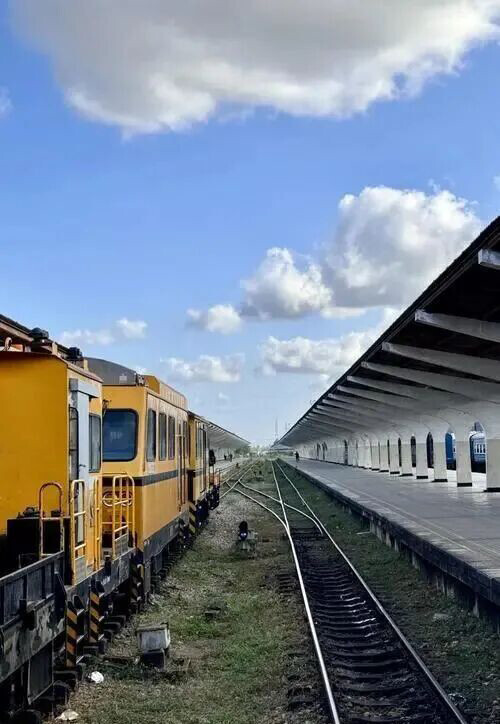
For a long time, railways have only played a basic transportation role and failed to form corridor economic advantages. The industries along the route are mainly based on rough processing of raw materials, with a lack of deep processing, cold chain, industrial parks, and cultural tourism facilities. It is difficult to scale up the implementation of new energy minerals and characteristic agriculture. In the past, the rectification only stayed at the level of equipment maintenance, without touching on the pain points of the operating system and business model. The problems of data silos and industrial disconnection continue to exist, which restricts the high-quality development of regional green industries and cross-border economic and trade. From 2024 to 2025, the three countries signed a series of cooperation documents, establishing the strategy of activating first, developing later, and jointly building a prosperous belt, and building a new framework for market-oriented, industrialized, and digital development.
Empowering digital intelligence to activate the revitalization of corridor economy
In 2026, the Tanzania Zambia Railway activation project will officially land, with China taking the lead and three countries participating, implementing a 31 year franchise operation. The project will comprehensively upgrade its software and hardware, and build a full chain ecosystem of infrastructure, industry, finance, and operation. The railway connects the logistics channels of mineral veins in southern Africa, promotes the deep processing of minerals and the development of digital agriculture, and links with the China Europe freight train to reconstruct the regional trade network. Relying on digital twin and green low-carbon technology, the project has shifted from single aid to integration of investment, construction and operation. While reducing cost and increasing efficiency, it has built a green demonstration line along the the Belt and Road, and established an intelligent risk control system to ensure long-term development. Keywords: the Belt and Road news, Tanzania Zambia railway, China Africa cooperation

The 50th anniversary of its opening is a new starting point for China Africa cooperation. The Tanzania Zambia Railway has been upgraded from a monument of friendship to a modern economic corridor that integrates logistics channels, industrial carriers, green hubs, and talent bases. In the future, relying on digital innovation and empowerment, a replicable cross-border cooperation model in Africa can be formed, which will continue to drive regional economic growth and create high-quality employment. The 50 year development process has confirmed that the China Africa cooperation model of mutual benefit and win-win cooperation, which empowers people to fish, has long-lasting vitality. The construction of the prosperous railway belt in Tanzania in the new era will continue to release development dividends and inject lasting momentum into the modernization of Africa and the construction of a community with a shared future for China and Africa.Editor/Gong Ziwei
Comment




 Praise
 Collect
 Comment

 Share
Share


Write something~