 Search


- The cargo throughput at Dostick Port exceeds 10 million tons, and the new hub at Aktau Port has just been put into operation
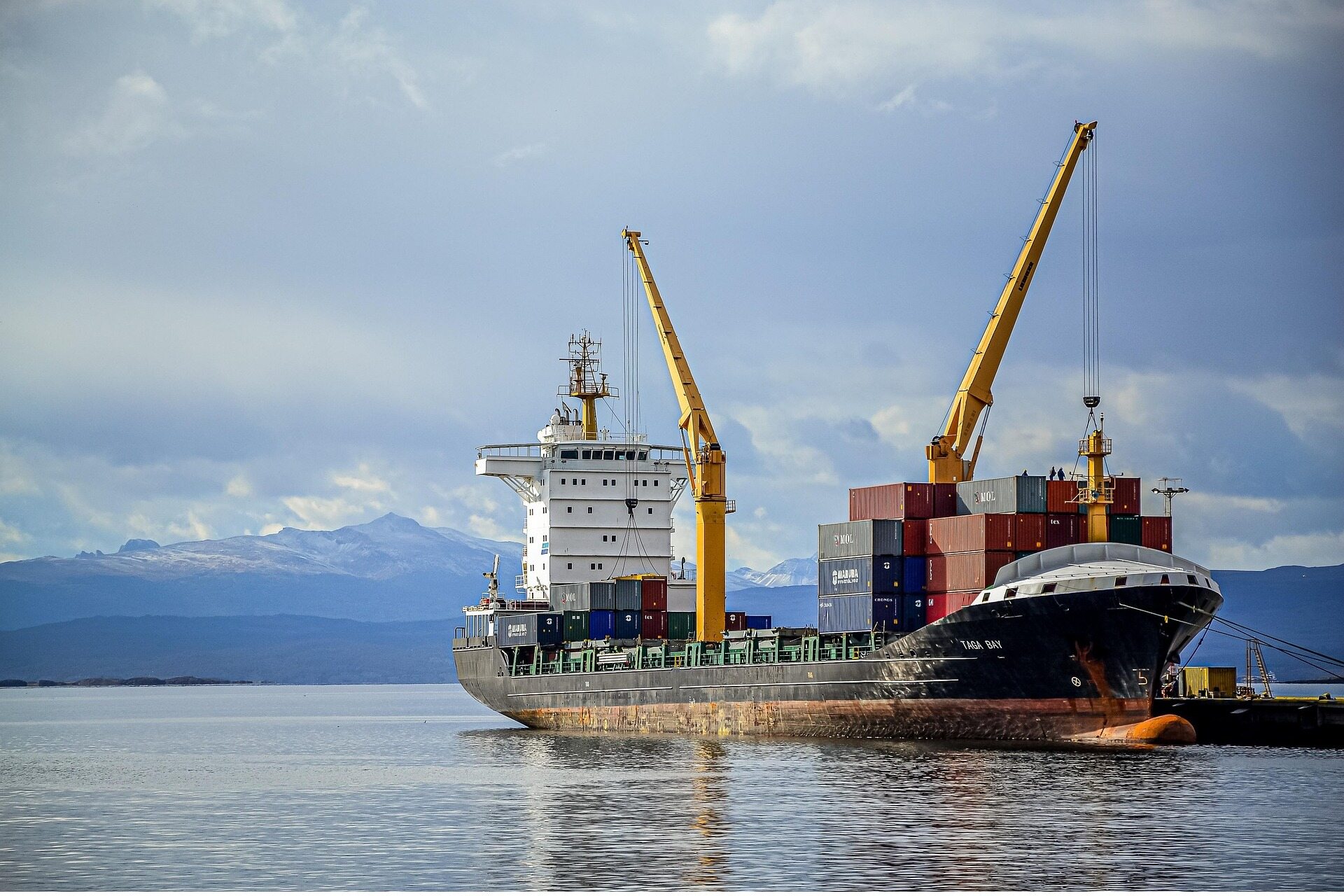
18.7 million tons, a year-on-year increase of 9%. The cross-border freight volume between China and Kazakhstan reached a new high in the first half of the year. China's exports to Kazakhstan increased by 20%. The flow of minerals, oil and agricultural products is accelerating through Dostik and Altinker ports. The underlying logic of the Belt and Road connectivity is becoming concrete.
Two corridors simultaneously exert force
In the first half of the year, both sides of Kazakhstan and China maintained a growth trend in freight transportation. China transported 7 million tons to Kazakhstan, a year-on-year increase of 9%; Kazakhstan transported 11.7 million tons to China, an increase of 10%. Among them, the export of goods to China reached 8.5 million tons, an increase of up to 20%, covering categories such as ores, grains, black and non-ferrous metals, petroleum and petroleum products.
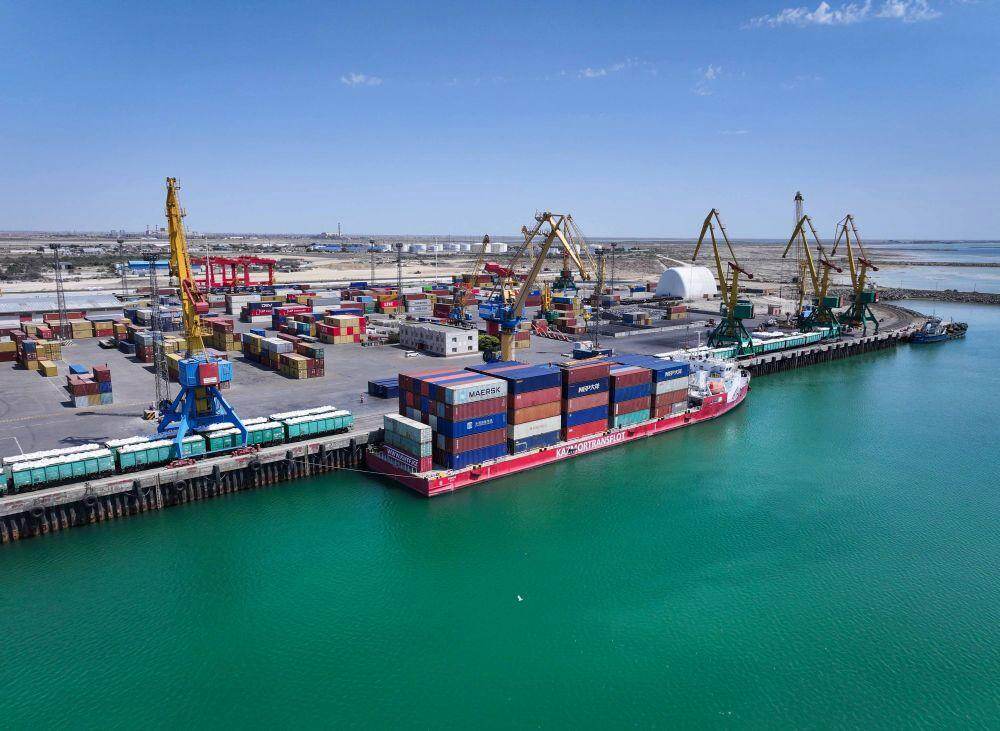
The Dostic Port is undoubtedly the main channel. In the first half of the year, the station completed 10.6 million tons of freight, a year-on-year increase of 15%, and the export volume increased by 15% to 5.4 million tons. Altinkol Station also maintained an upward trend, with a year-on-year increase of 2% in freight volume of 8.1 million tons and a 29% increase in export volume to 3.1 million tons. The two stations together form the core nodes of freight flow between Central Asia and Europe.
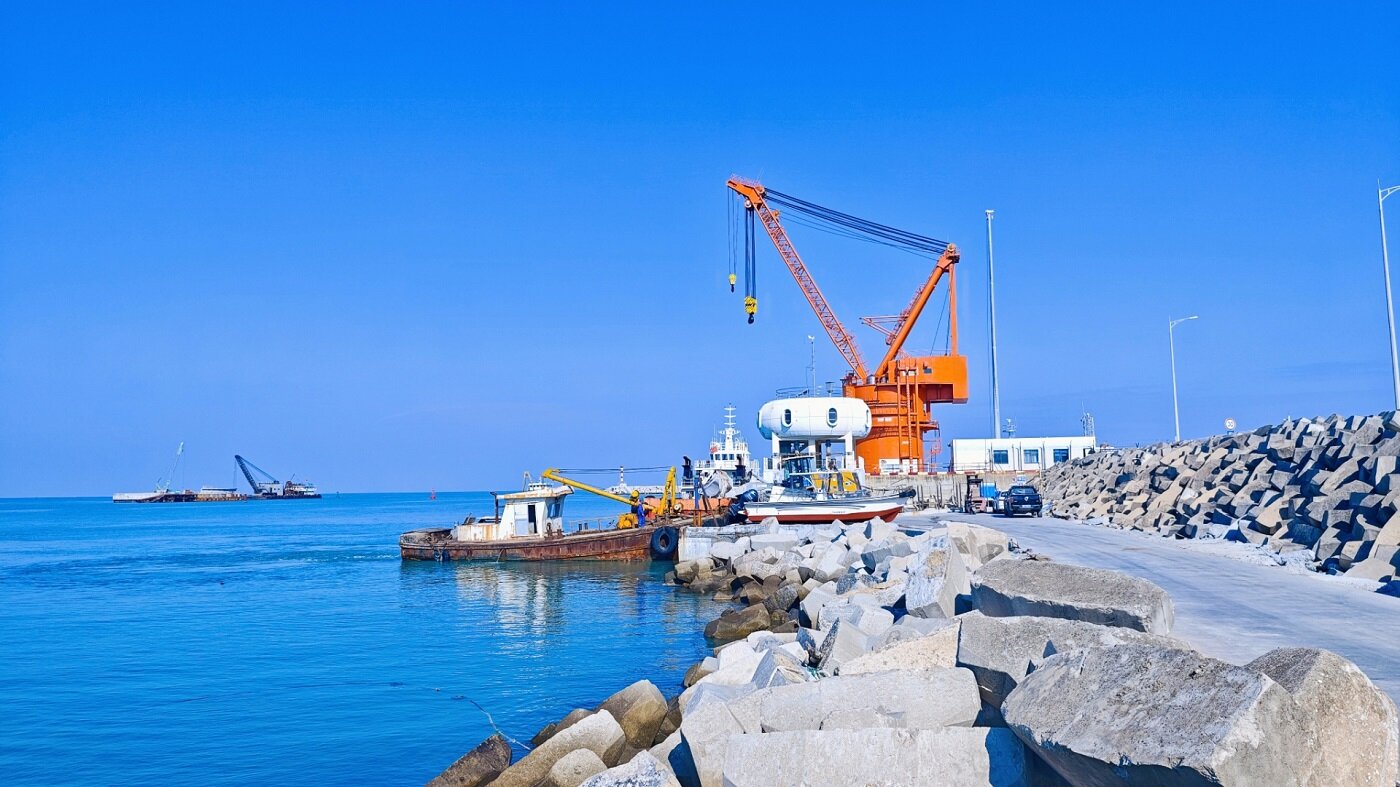
At the same time, the Trans Caspian International Transport Corridor is accelerating its formation. On July 14th, the first phase of the Aktau Port container hub project jointly built by China and Kazakhstan was officially put into operation. The first train departed from Zhejiang and transited through Aktau to Azerbaijan. Lianyungang Port also signed a four party agreement with Kazakhstan Railway, China Railway Container, etc., to build a three hub integrated operation pattern around Aktau Port, Khorgos Dongmen Dry Port, and Lianyungang Station.
Leading the way in Xinjiang's dual ports
In terms of China Europe (Asia) regular trains, as of July 17, 2026, the traffic volume at the Alataw Pass and Khorgos double ports in Xinjiang has exceeded 10000 trains, with an average daily stable of more than 50 trains. There are more than 5000 China Europe (Asia) trains passing through a single station at Khorgos Port, with 91 routes to 18 countries. The Alashankou Port has 129 train routes covering 21 countries. Synchronized improvement in customs clearance efficiency - the overall transit time for imported goods has been reduced from 2 to 3 days to within 16 hours, a decrease of 70%; Export goods from the territory have been compressed from 6 hours to 1 hour. Keywords: the Belt and Road news, freight
The China Kazakhstan Lianyungang Logistics Cooperation Base has also achieved new breakthroughs. On July 15th, the first Kazakhstan sunflower seed special train arrived in Lianyungang, becoming another new source of Central Asian agricultural products entering the Chinese market through Lianyungang after wheat, flour, and kidney beans. It is planned to operate two trains per month. From the coast of the Yellow Sea to the Caspian Sea, an efficient land sea intermodal transport network is transforming the the Belt and Road from a blueprint to a number running on the road every day.Editor/Cheng Liting
Comment





 Praise
 Collect
 Comment

 Share
Share


Write something~