 Search


- The heavy investment layout of Chinese enterprises has become a key variable in the success or failure of Zimbabwe's transformation
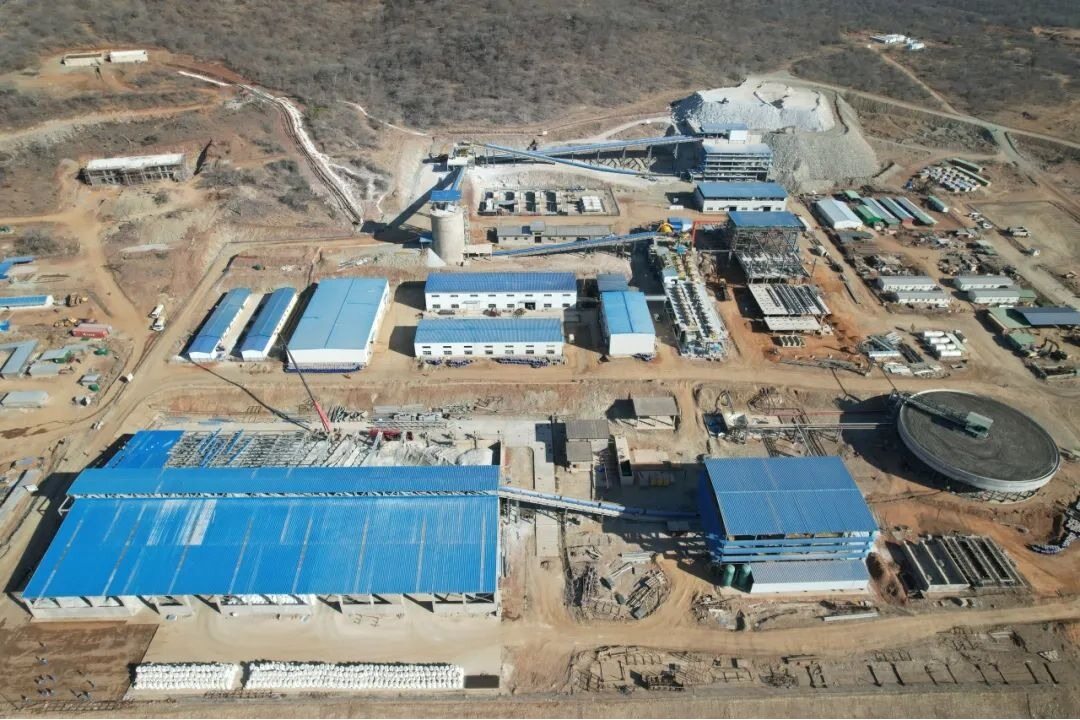
The wind from the eastern plateau swept over the mine in Bikita, Zimbabwe, and heavy trucks loaded with gray lithium concentrate were continuously heading towards the port. For local miners, this is a common sight, but for the Zimbabwean government, the days of selling raw materials for foreign exchange have entered the countdown. In January 2027, an export ban on lithium concentrate will officially come into effect, which is not only a turning point in policy, but also a maximum pressure on the existing industrial chain.
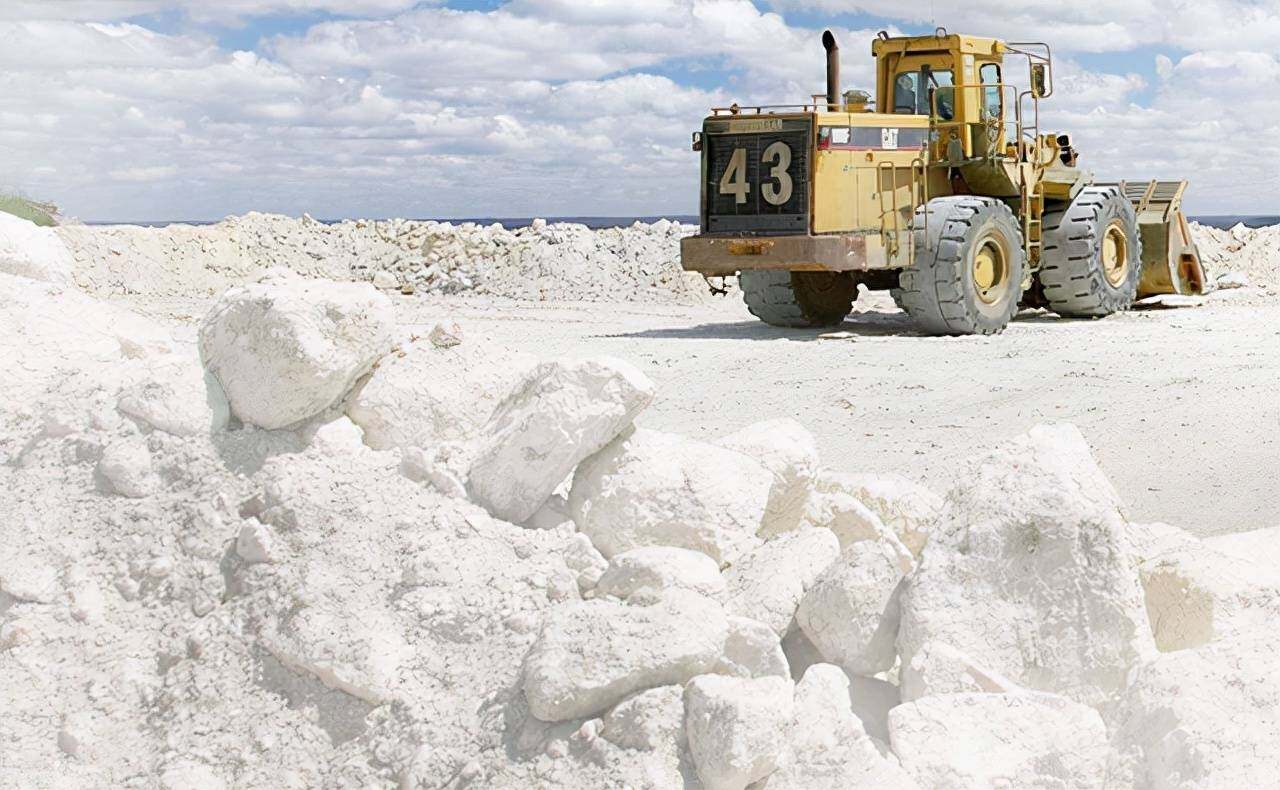
Ban forces local processing
Zimbabwe's Minister of Mines, Polit Kambamura, is firm in his attitude and the policy will not be postponed. The government's intention is very clear: no longer to be a simple "resource warehouse", but to retain the high added value brought by deep processing of minerals. This strategy clearly draws on Indonesia's successful experience of blocking nickel ore exports and forcing foreign investment to build factories. However, there is a huge production gap between ideals and reality. At present, the only lithium sulfate processing plant in Zimbabwe is operated by Prospekt Lithium, a subsidiary of Huayou Cobalt. However, this plant can only digest the output of its own mine and cannot accept concentrates from other mining companies. For many small and medium-sized mining enterprises that rely on exports, time is not just money, but also a lifeline.
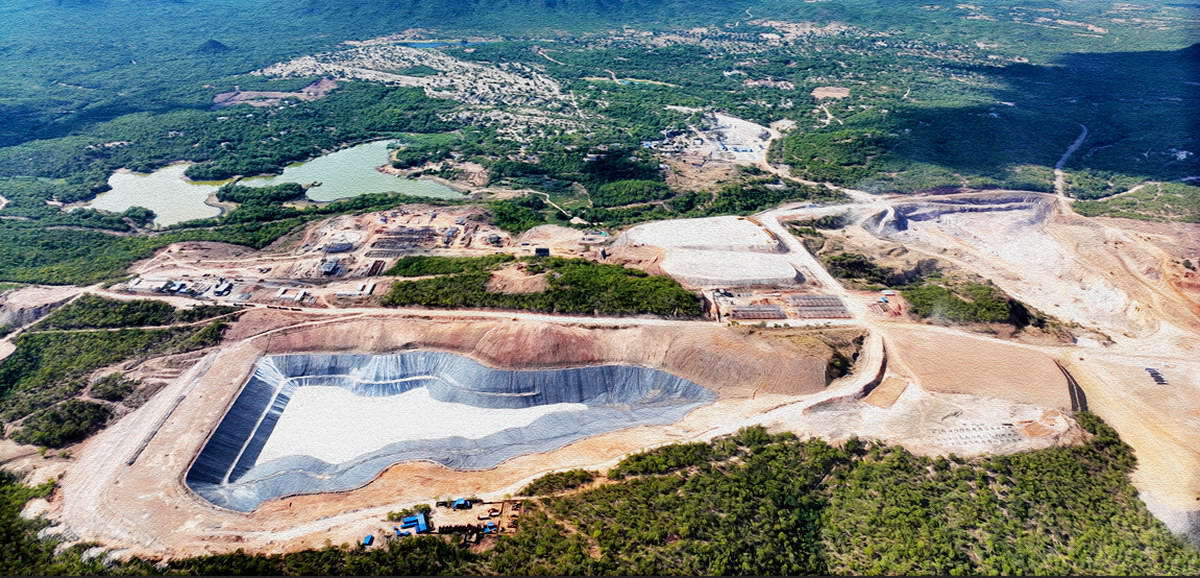
Chinese enterprises invest heavily in layout
Faced with imminent policy barriers, Chinese capital has already deployed heavily. According to statistics, Chinese companies have invested up to 2 billion US dollars in the lithium mining industry in Zimbabwe, attempting to replicate the integrated model from mining to smelting on this hot land. In addition to Huayou Cobalt, which has already been put into operation, Bijita Mining under China Resources and Kamativi Mining under Yahua Group are also vigorously promoting the construction of processing plants. Despite abundant funds, the construction of the industrial system cannot be achieved overnight. Due to the construction period, it is difficult for these newly planned processing plants to be fully operational before the January 2027 ban deadline. This means that in the early stages of policy implementation, even if holding a large amount of raw materials, the industry may still be in an awkward situation of "having rice but no pot".keywords:Engineering Construction
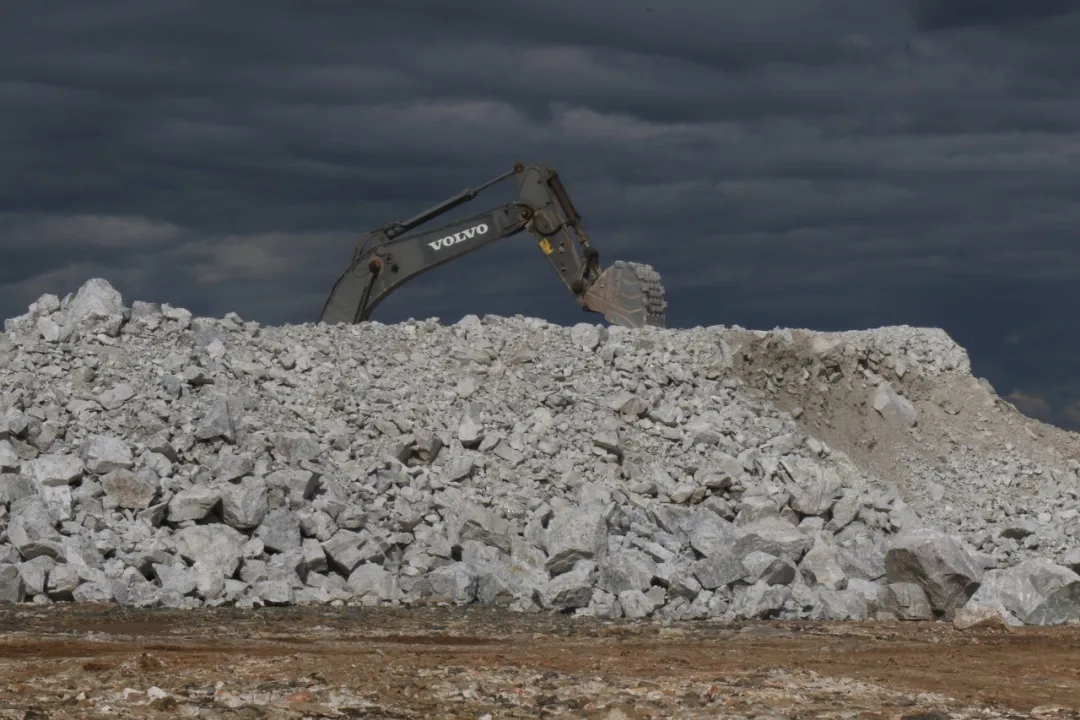
Industry chain extension race
Under the wave of global new energy industry, the awakening of resource rich countries is the trend. Zimbabwe aspires to transition from a mere "lithium ore exporting country" to a "lithium battery material supply base". The core of this transformation competition lies in who can quickly fill the gaps in processing capabilities. For pioneers such as Huayou Cobalt and Yahua Group, this is both a challenge and an opportunity. If we can take the lead in breaking through the bottleneck of local smelting, not only can we avoid export restrictions, but we can also gain pricing control in the future African lithium market. As the global competition for key minerals intensifies, whether Zimbabwe can leverage China's power to achieve a thrilling leap in its industrial chain will be revealed in the next 18 months.Editor/Yang Meiling
Comment


 Praise
 Collect
 Comment

 Share
Share


Write something~