 Search


- Jiaxing's collaborative practice of computing power accurately matches green power with computing power load
As an important gathering place for China's computing power industry, the Yangtze River Delta region has seen a concentration of intelligent computing and supercomputing centers, leading to a continuous increase in electricity consumption. In Jiaxing, Zhejiang Province, an innovative practice of cross grid collaboration of electricity and computing power is exploring a low-carbon development path for the digital economy by matching green electricity with computing power demand.
Jiaxing is a core node of the computing power hub in the Yangtze River Delta region, and behind its strong computing power is the continuously growing electricity load. By 2025, the local computing power industry in Jiaxing will consume 900 million kilowatt hours of electricity, a year-on-year increase of over four times. The application of intelligent computing power scheduling system reduces electricity costs through three major paths: cross regional computing power allocation, peak valley electricity staggered operation, and supporting energy storage. Meanwhile, the virtual power plant management platform can achieve unified monitoring and aggregation scheduling of computing power and green electricity.
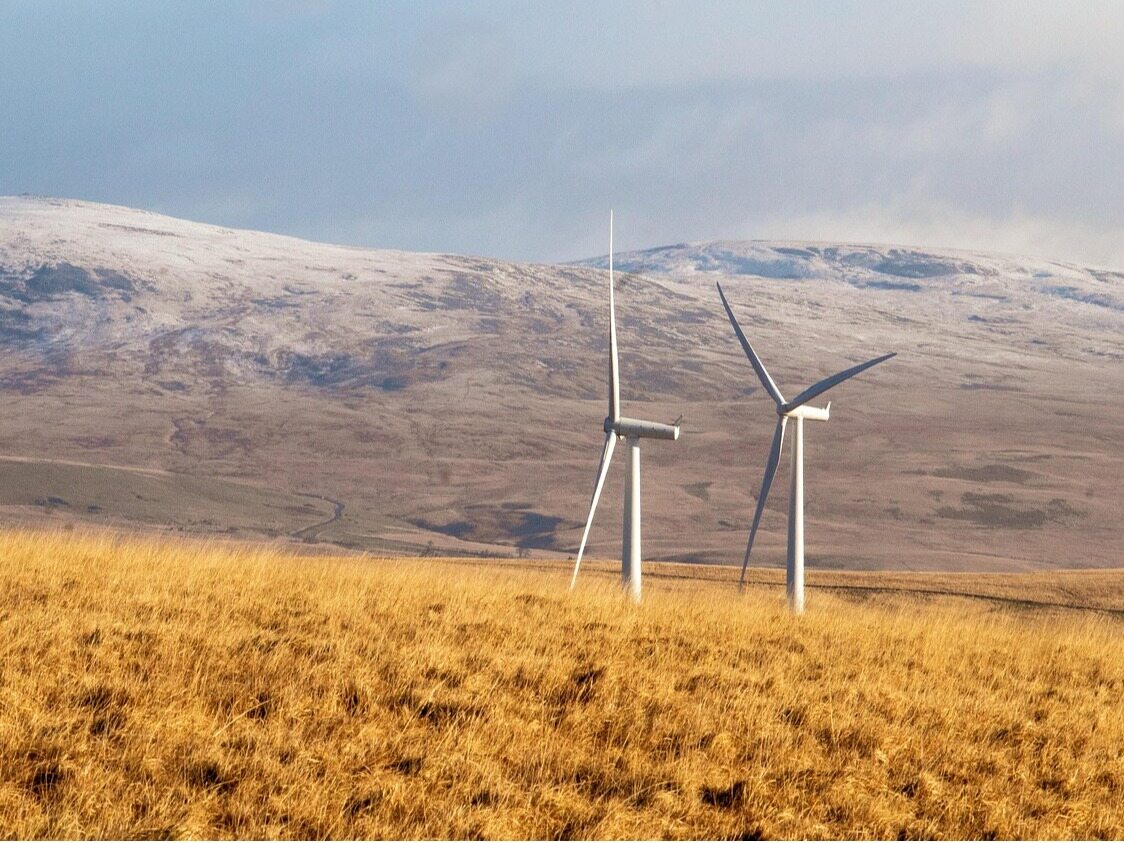
Sun Yifan, a technical expert in the construction of the Yangtze River Delta computing power cluster for Zhejiang Electric Power Services, introduced that Zhejiang has the confidence of green power in developing computing power collaboration. Through computing power collaboration scheduling, these wind and solar green power sources that rely on the weather for survival are accurately matched to the computing power center, which is a 24-hour non-stop big stomach king. The more abundant green electricity in the future, the higher the green and gold content of computing power will be.
This article is reprinted from: State Grid Corporation of China Editor/Gao Xue
Comment






 Praise
 Collect
 Comment

 Share
Share


Write something~