 Search


- Integrated layout of computing power and power
- Multiple collaborative pilot projects have been implemented in various regions to assist in the integration of green electricity and the stable operation of the power grid
As the digital tide sweeps across the globe, a silent energy game is unfolding deep in the computer room. Thousands of servers throughput data day and night, turning the intelligent computing park into an electric tiger. Under the dual pressure of heat wave and computing power, how to make the surging bytes resonate with the stable pulse of the power grid on the same frequency has become a new proposition of the times.
Expanding computing power drives up electricity demand
Artificial intelligence is reshaping the global development pattern in all aspects, and balancing computing power with electricity supply has become a key research topic in the industry. The high temperature weather in the summer of 2026 has arrived ahead of schedule, and the national electricity load has reached its peak within the year, reaching 1.518 billion kilowatts, an increase of 10 million kilowatts from the historical high. In addition to traditional livelihood and industrial electricity consumption, the continuously expanding computing power center has become the main force for new electricity consumption, and the coordinated development of computing power and electricity balance urgently needs to be improved.

At present, the operating load of computing power facilities in various regions continues to rise. As one of the top ten data center clusters in China, Shaoguan, Guangdong, has various computing power cabinets operating at full capacity all year round. A single cabinet consumes 240 kWh of electricity throughout the day, which is equivalent to the monthly electricity consumption of an ordinary household. Combined with the energy consumption of cooling and humidity control facilities, the overall electricity consumption of the smart computing park is huge, and the continuous expansion of the number of cabinets has led to a surge in electricity demand. The current computing power scale in the local area has increased by 6 times compared to the same period last year, and the electricity consumption has increased by five to six hundred times.
Shaoguan is a typical representative of the surge in computing power consumption nationwide. By 2025, the electricity consumption of domestic computing power centers in China will increase by 18.1% year-on-year, significantly higher than the 5.2% growth rate of electricity consumption in the whole society. The power consumption characteristics of the intelligent computing center are significantly different from those of traditional industrial plants, with higher equipment power density, frequent load fluctuations, and strict standards for power supply stability. Small fluctuations in the power grid can interfere with normal operations, and the centralized connection of large-scale computing power loads can easily have an impact on the regional power grid.
Combined with the sustained high temperatures caused by El Ni ñ o, many southern regions entered a heatwave period at the end of May, with air conditioning cooling loads and computing power consumption increasing synchronously, significantly increasing the pressure on the power grid. According to relevant departments' calculations, the overall power supply and demand are basically balanced this summer, and there is a risk of power supply shortage during extreme high temperature periods in some provinces in East China, Central China, and South China. Cross regional power mutual assistance can be relied on to ensure supply; The current computing power consumption accounts for only 1.6% of the total electricity consumption in society, and has not yet had a significant impact on the overall power balance.
The construction of domestic computing power parks is still accelerating, and there is huge potential for long-term electricity growth. The Shaoguan computing power area is planned to have five major areas, with three already under construction and the remaining two to be developed. It is expected that the local computing power scale will expand 25 times by 2030, and the annual electricity consumption will be equivalent to building another Shaoguan. At the national level, the total electricity consumption of computing power centers is expected to reach 800 billion kilowatt hours by 2030, and the proportion of electricity consumption in the whole society is expected to rise to 6%. The construction period of computing power parks is short, but the construction period of power grid supporting projects is long. Ensuring the supply of massive computing power in the future has become a core development challenge.
Coordinate the layout and promote the synergy of computing and electronics
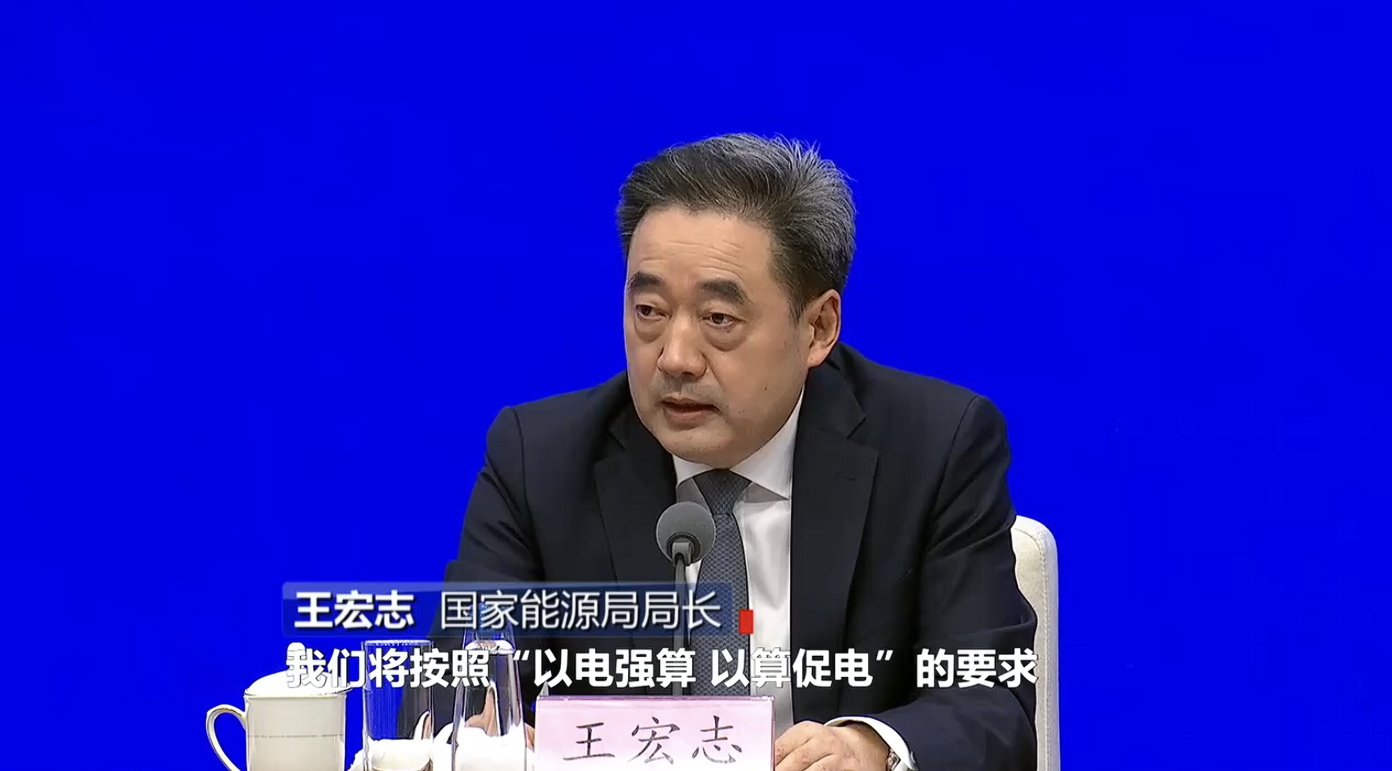
In response to the explosive growth of computing power consumption, the National Energy Administration has clearly followed the idea of using electricity to strengthen computing and using computing to promote electricity development, coordinated the layout of energy resources and computing power infrastructure, and implemented a multi-dimensional computing power coordination model to balance the contradiction between computing power expansion and electricity supply. At the local level, pre planning has been implemented synchronously. Shaoguan has abundant local electricity resources, with an average annual surplus of over 10 billion kilowatt hours. By the end of 2027, the surplus electricity can support the stable operation of 500000 standard racks. The local synchronous integration of regional wind and solar new energy expansion power supply, the early landing of power supporting projects, and the completion of the 220 kV substation supporting the computing power industry park four months ahead of schedule, ensure that the computing power facilities can be electrified immediately after completion, and achieve the matching of power grid construction progress and computing power expansion speed.
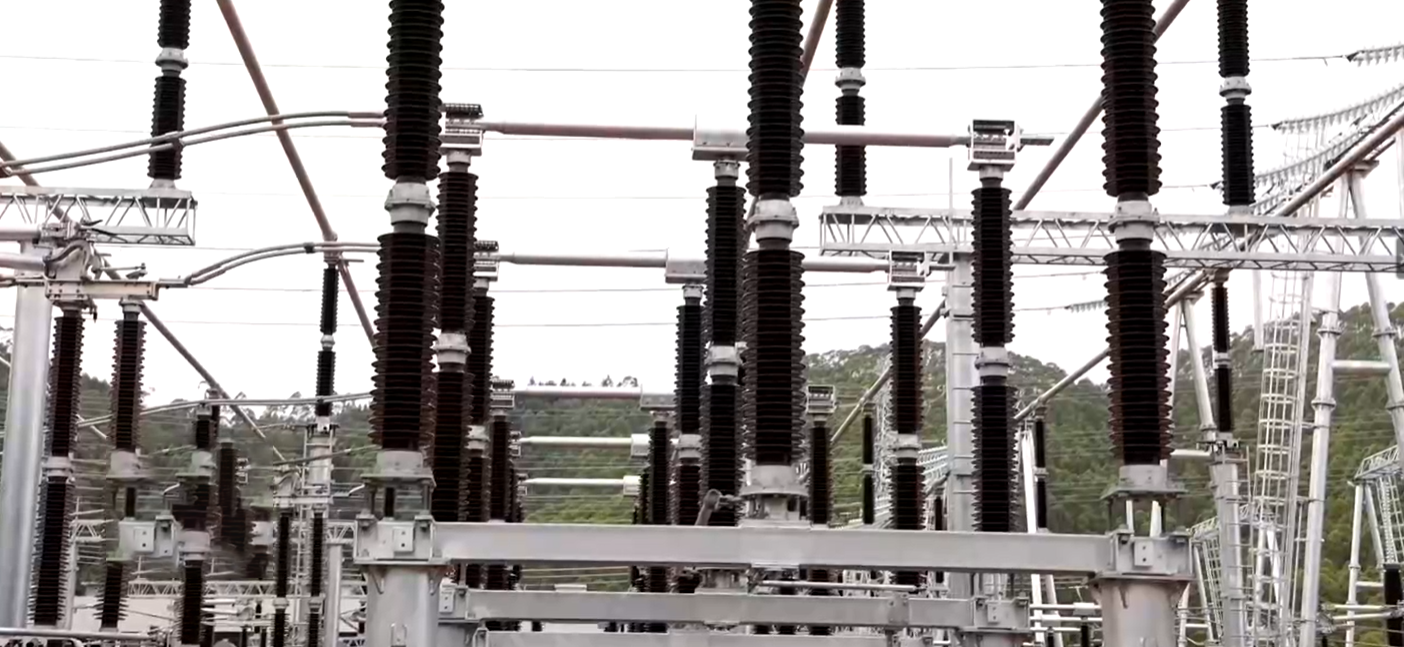
At the national level, spatial differentiation layout will be implemented, and computing power projects with low latency requirements will be prioritized for landing in the western energy rich areas, ensuring stable power supply and increasing the proportion of green electricity usage; The central and eastern regions are synchronously accelerating the expansion of the power grid, increasing the scale of external clean power transmission, and achieving bidirectional adaptation of power and computing power from spatial layout and construction timing.
Diversified scheduling achieves dynamic balance between supply and demand
By relying on cross regional computing power migration, it is possible to smooth out peak loads in local power grids. Guangdong's power resources are relatively tight, and relying on the computerized carbon collaborative dispatch platform, the computing power tasks in Guangzhou can be remotely transferred to the Guizhou data center with surplus electricity during peak hours, which can quickly complete load cross regional diversion and alleviate the pressure on the local power grid without interrupting operations. Relying on spot electricity prices to guide the off peak operation of computing power. The electricity trading market predicts electricity costs based on fluctuations in electricity prices, and the computing power park adjusts task arrangements based on price signals. During periods of low electricity prices, non emergency computing services are centrally processed, and load peak shaving and valley filling are achieved through market-oriented means.
Regions with a high proportion of new energy can rely on computing power to absorb surplus green electricity. The proportion of new energy installed capacity in Yangzhou, Jiangsu exceeds 60%, and there is often surplus electricity during lunchtime when photovoltaic power generation is strong. The local pilot will adjust the data analysis task to the period of new energy development, and plan to launch a dedicated computing power collaborative dispatch platform to accurately match green power output and computing power tasks, and enhance the local renewable energy on-site consumption capacity. Keywords: computing power, computing power collaboration, new power system
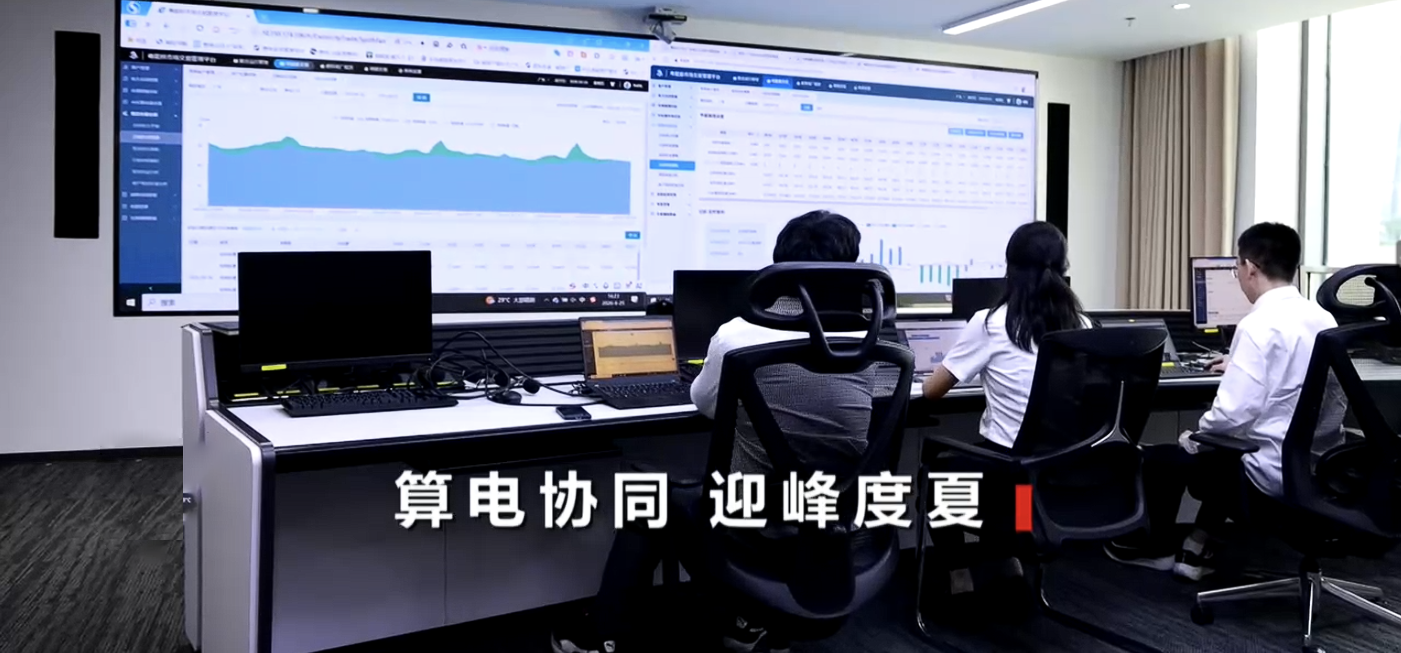
Accelerate the construction of a nationwide integrated computing power network to achieve the global circulation of computing power resources. Multiple regions have implemented pilot projects for collaborative computing and electricity, transforming computing power from pure electricity load to flexible grid regulation resources. At present, the collaboration between computing and electricity is still in the exploratory stage, and issues such as planning implementation, market integration, and regional interest coordination still need to be resolved. However, the development path is clear, and promoting the optimization layout of computing resources along with power resources, relying on the improvement of the power system to support the long-term development of the computing industry, has become a long-term strategy for the collaborative construction of computing networks and new power systems.Editor/Gong Ziwei
Comment



 Praise
 Collect
 Comment

 Share
Share


Write something~