 Search


- China diversifies LNG supply channels to mitigate geopolitical shipping risks and stabilize national energy security.
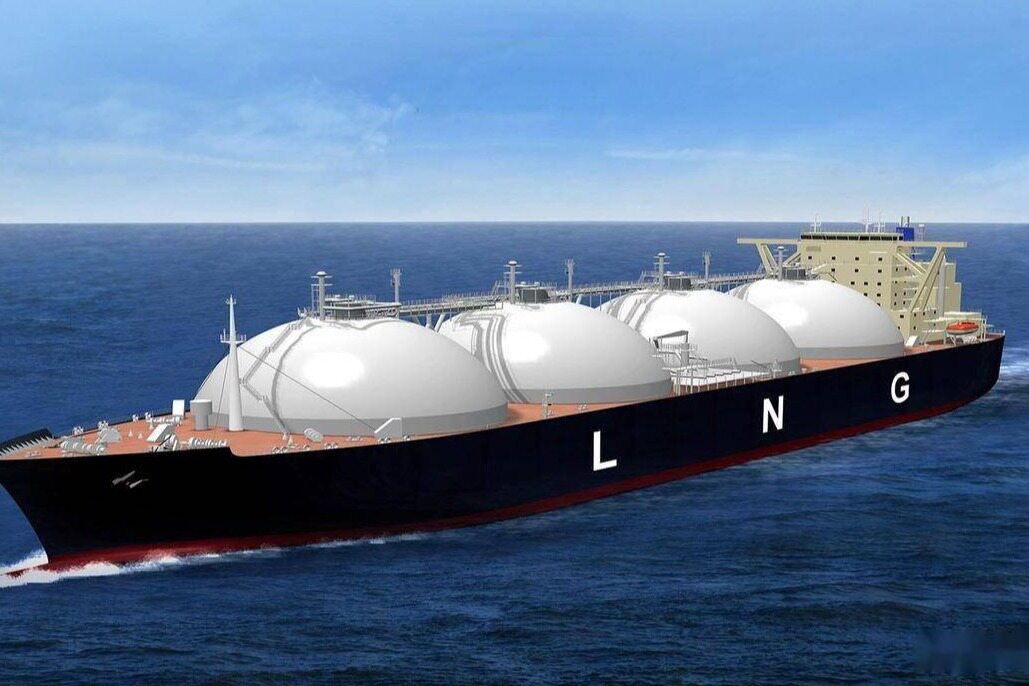
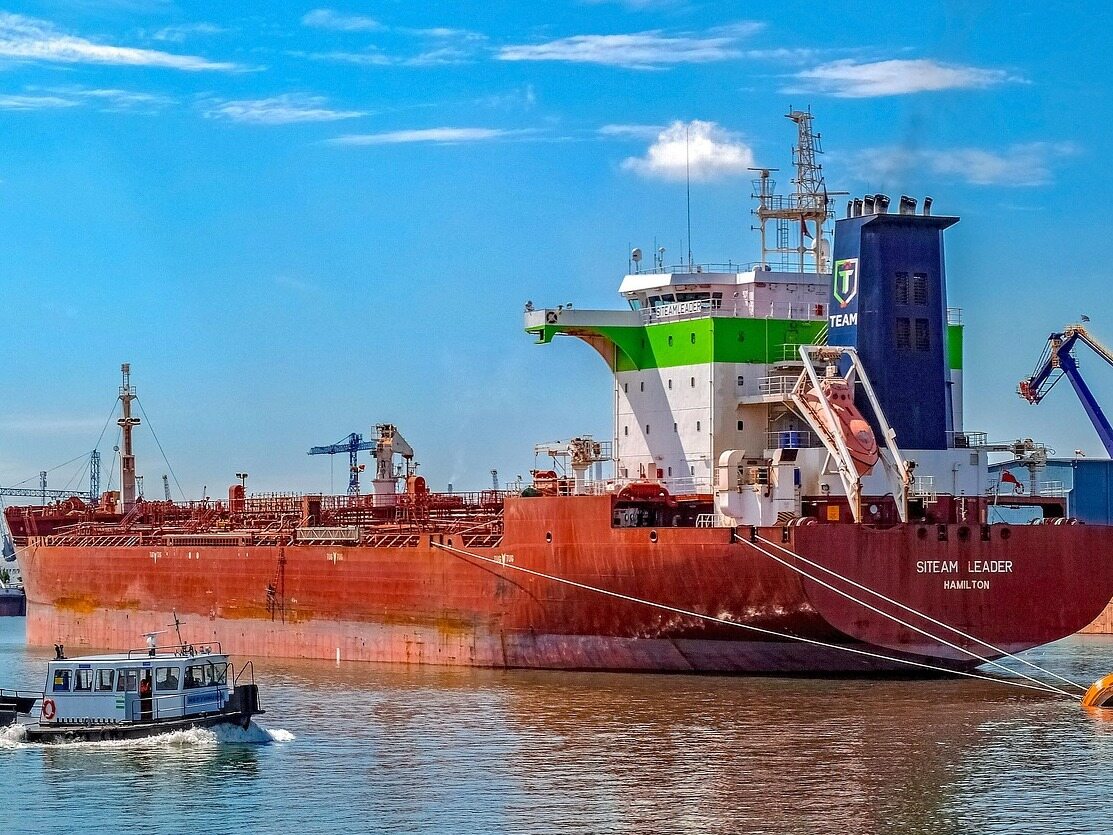
Due to the ongoing risks of passage for shipping in the Strait of Hormuz, Chinese state-owned enterprises have begun to explore alternative sources of liquefied natural gas supply. In the coming years, the diversified layout of import sources may bring significant changes to the global LNG market landscape.
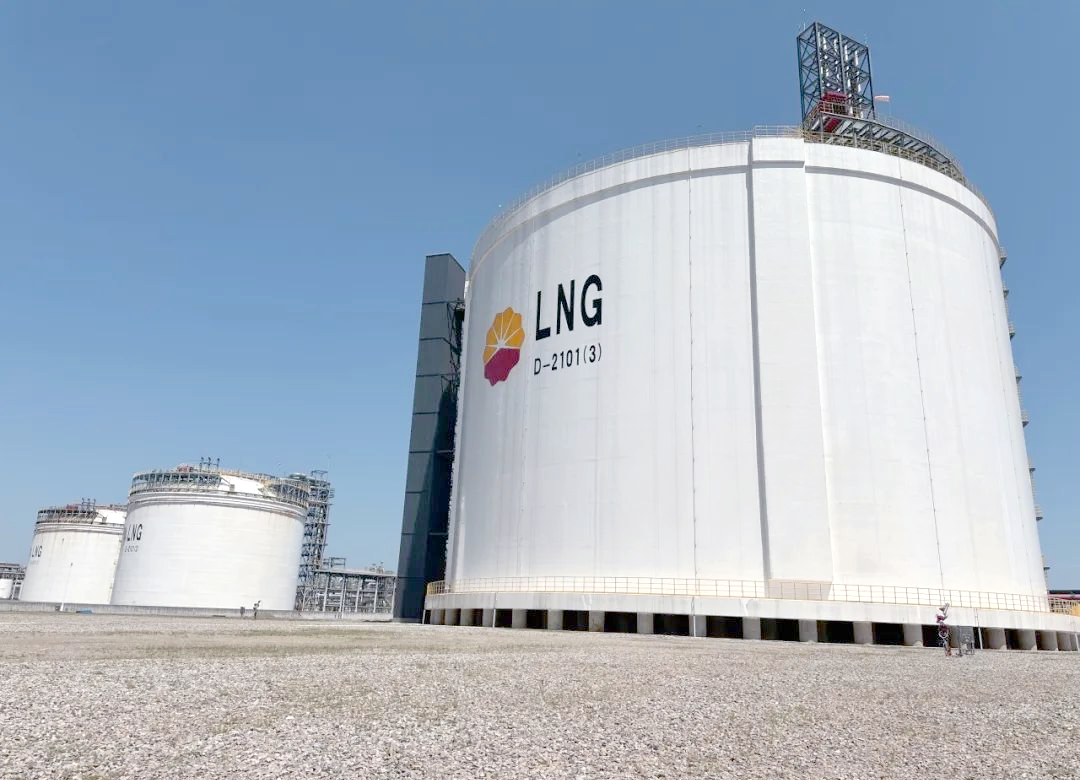
China's major LNG import companies plan to reduce their dependence on Qatar's gas sources, with the core incentive being the high geopolitical risk of the Strait of Hormuz waterway, which is one of the most critical chokepoints for global energy shipping. According to sources, China's two major state-owned enterprises, , are in talks to cooperate with exporting countries that do not rely on the Persian Gulf route. The Chinese side hopes to sign a long-term supply contract with a validity period of at least 10 years, and plans to initiate the delivery of gas sources under the new agreement before 2030.
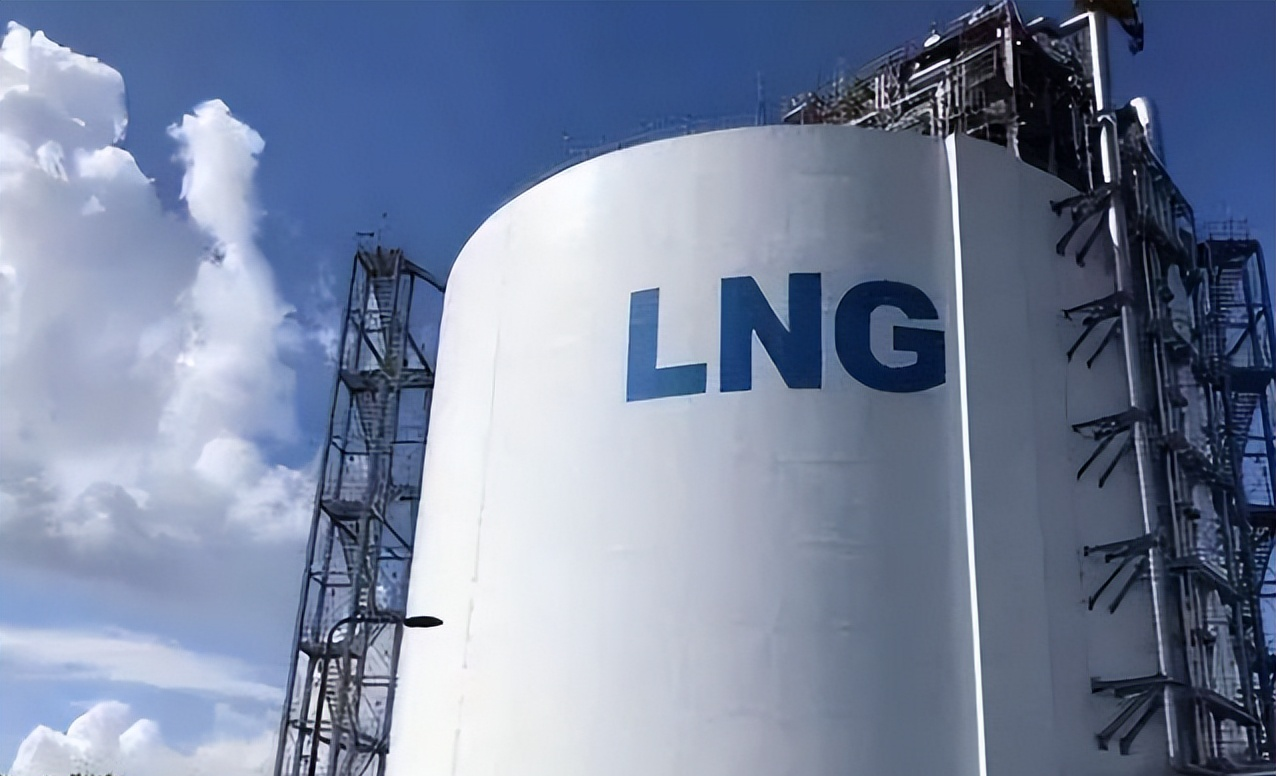
Canada is currently one of the most popular alternative suppliers. Chinese companies hope to lock in stable supply in advance and reduce the proportion of gas source procurement in high-risk geopolitical areas. China is the world's largest importer of LNG and also the largest buyer of natural gas from Qatar. Last year, Qatar's gas sources accounted for nearly 30% of China's total LNG imports. The two sides had previously signed multiple large-scale long-term agreements, which were also the core support for Qatar's expansion of liquefaction capacity projects. According to relevant sources, China will not cancel the Qatar procurement contract currently being executed, and all signed agreements have legal binding force and will be fulfilled normally. The new procurement strategy this time is not to abandon the existing Qatari gas source, but to gradually enrich future import sources and diversify supply risks.
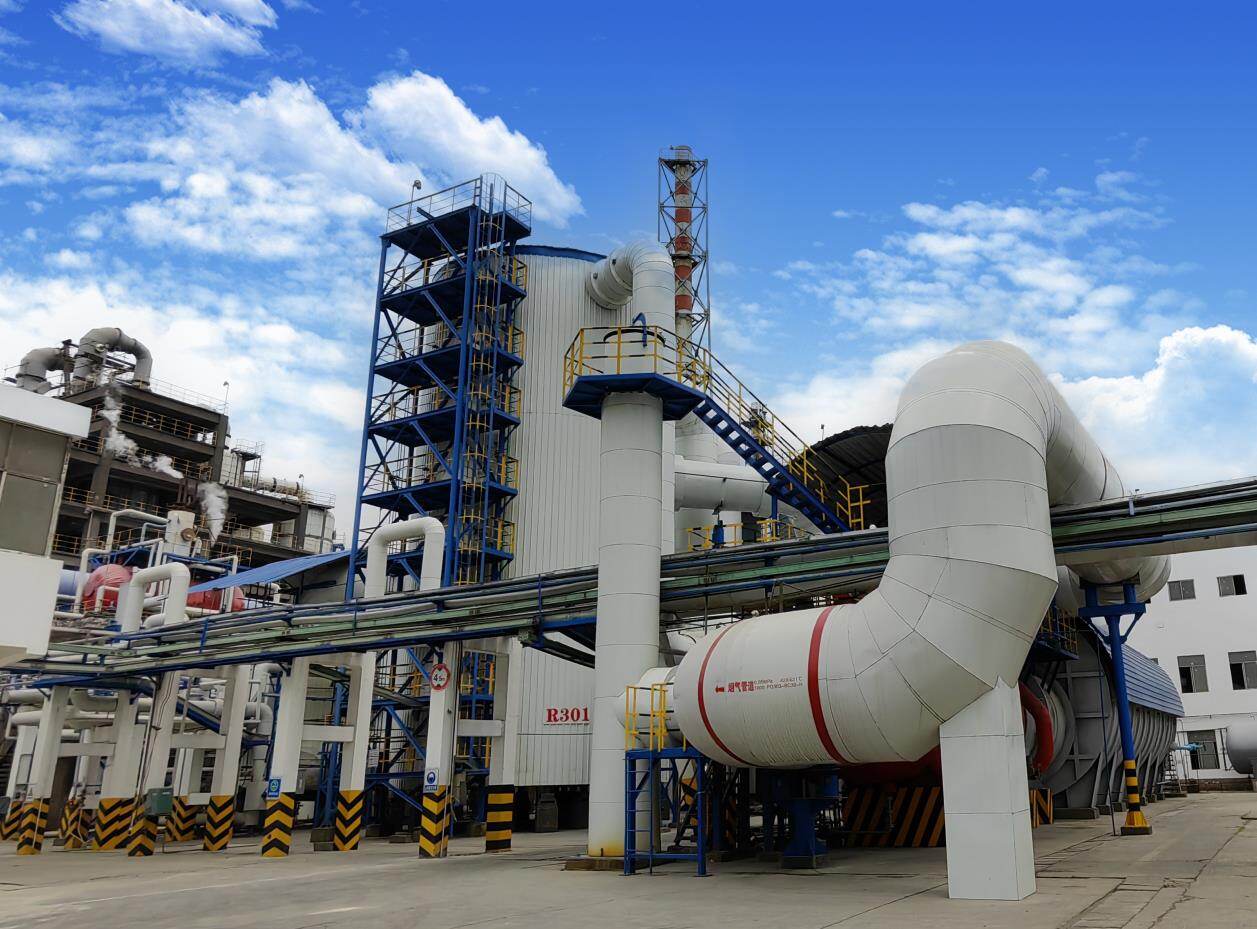
The supply situation in Qatar itself is also not optimistic. After being attacked in March this year, the country had originally planned to quickly restore some liquefaction capacity; But the situation in the Strait of Hormuz has once again become tense, and sea transportation has been blocked, forcing the world's largest LNG production base - the Ras Laffan LNG plant - to temporarily suspend its full resumption plan. Shipping tracking data has confirmed the drastic changes in import scale: from April to June 2026, China imported only about 100000 tons of LNG from Qatar; And the import volume during the same period last year was as high as 4.7 million tons.Editor/Min Jing
Comment

 Praise
 Collect
 Comment

 Share
Share


Write something~