 Search


- This project will integrate the West African regional energy market and provide an alternative natural gas supply channel for Europe
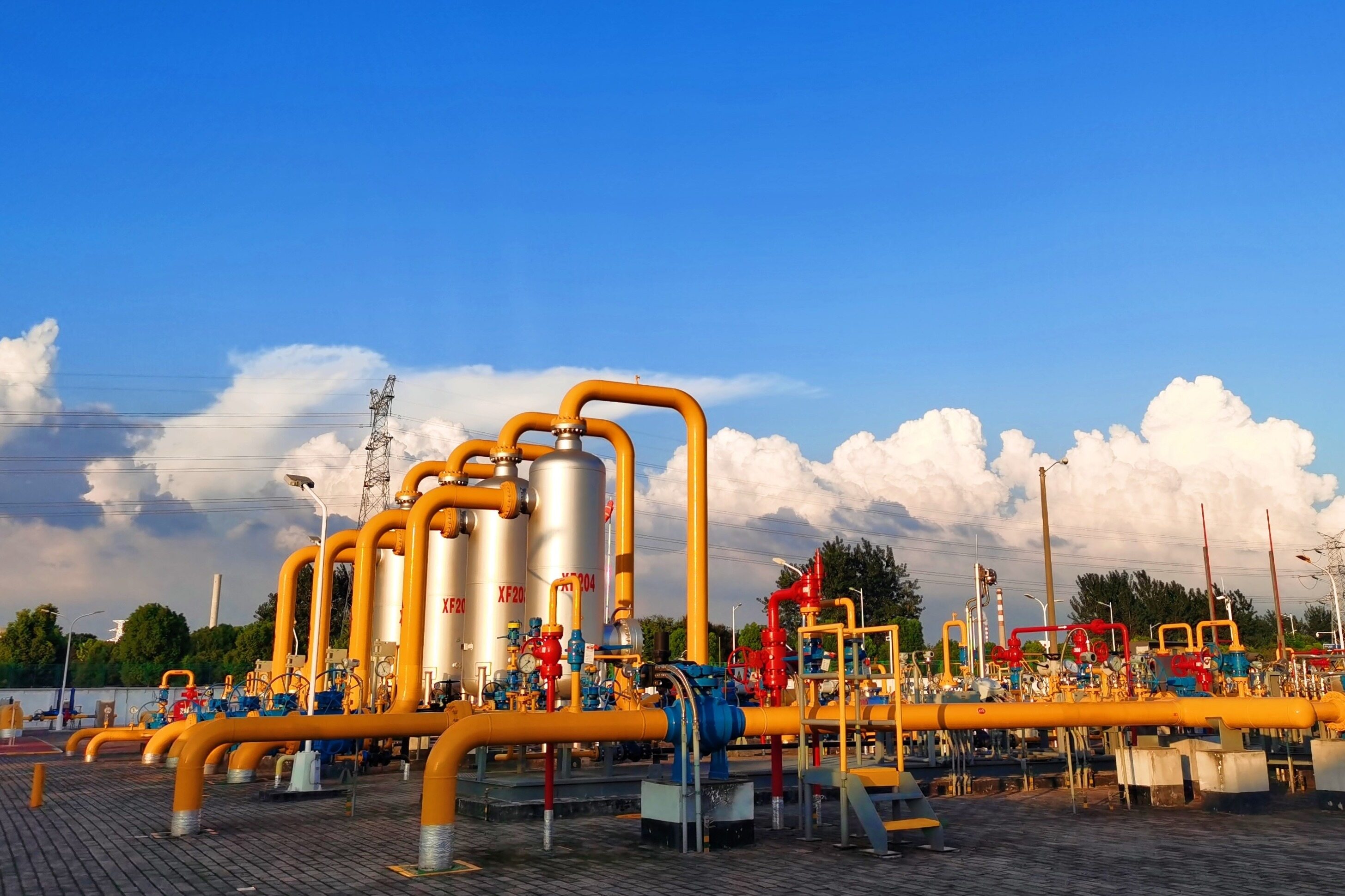
On July 19, 2026, in Freetown, the capital of Sierra Leone, the heads of state of the 15 member states of the Economic Community of West African States signed the intergovernmental agreement for the Nigeria Morocco Africa Atlantic Gas Pipeline project. At this moment, an energy artery that has evolved from bilateral ideas to regional consensus, from blueprints to geopolitical strategies, has officially gained political endorsement from the entire West African region. The combination of 6900 kilometers of pipelines, $25 billion in investment, and an annual gas transmission capacity of 30 billion cubic meters is rewriting the narrative of energy integration in Africa.
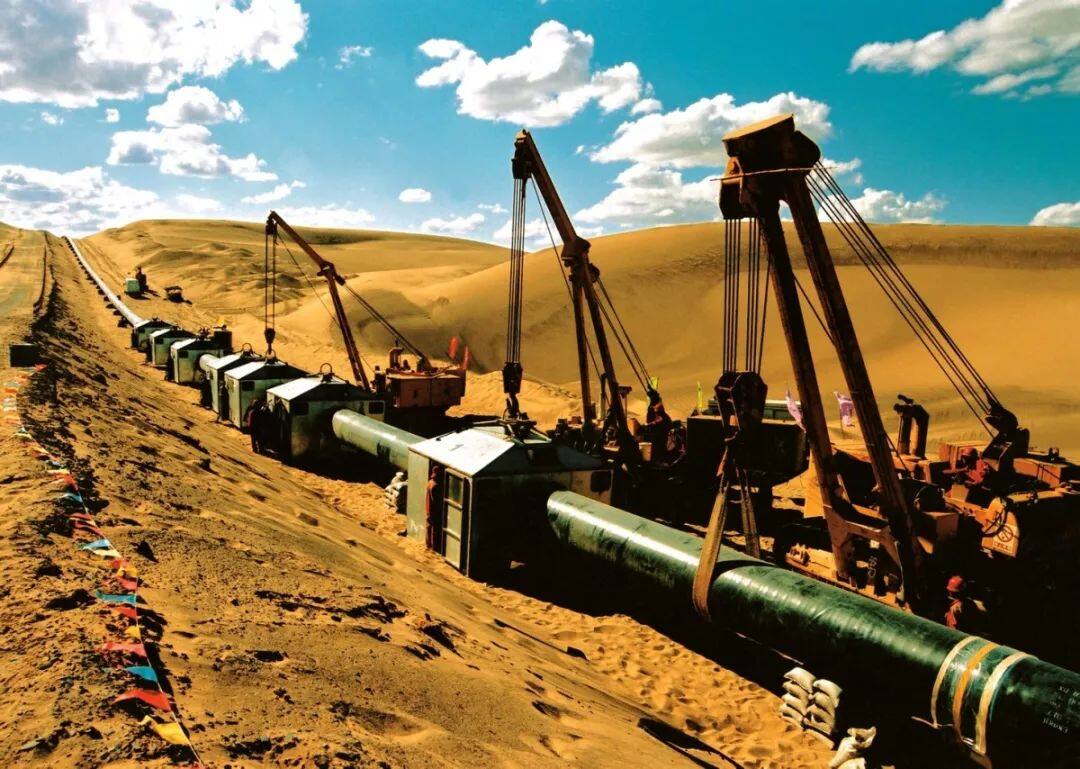
From bilateral initiatives to regional consensus in the past decade
The project was first officially proposed during the visit of the Moroccan king to Nigeria in 2016. Over the past decade, from bilateral ideas to regional infrastructure projects covering 13 West African countries, the signing of the Freetown Summit has given the project political and institutional endorsement from 15 member countries. The Sierra Leone Foreign Minister evaluated that this is a key project that can contribute to regional integration in West Africa. The pipeline actually passes through 13 countries along the route, and 15 countries have signed agreements for political endorsement.
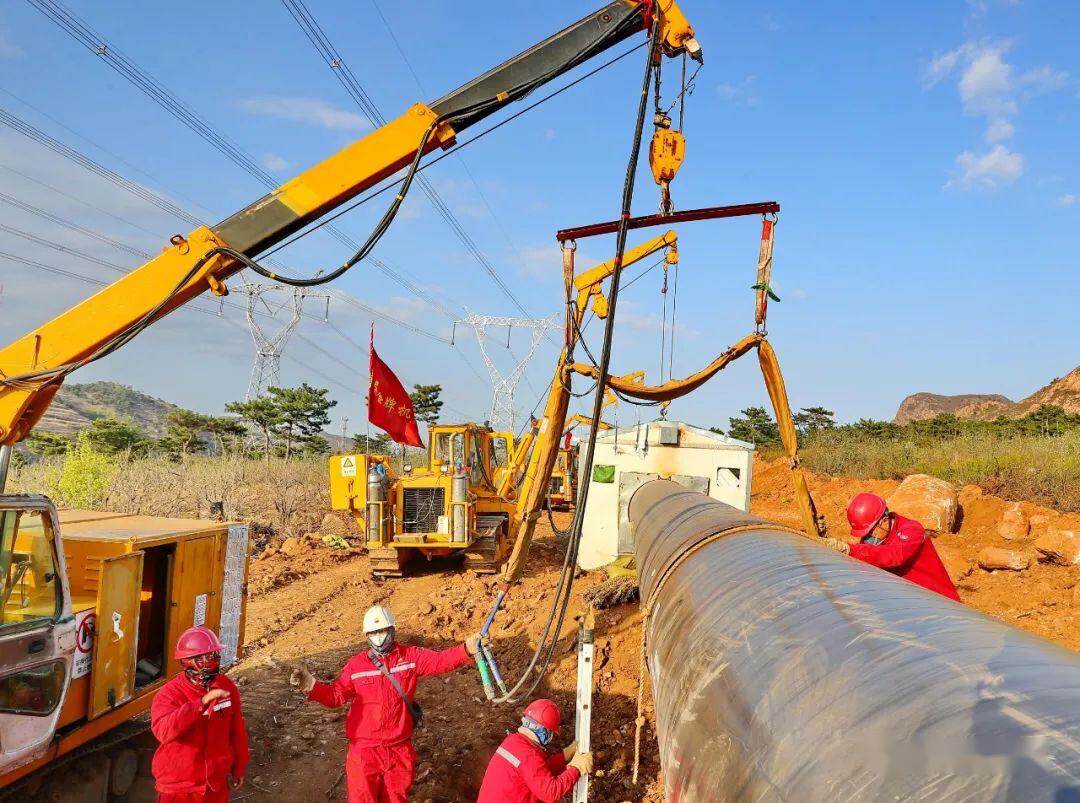
30 billion cubic meters of cross continental transportation
The pipeline design has an annual gas transmission capacity of 30 billion cubic meters, of which 15 billion cubic meters will be transported to the European market through the existing Maghreb Europe pipeline connecting Morocco and Spain. The total length of the pipeline is about 6900 kilometers, with an estimated total investment of about 25 billion US dollars. It extends along the Atlantic coast through 13 West African countries and eventually connects to the European pipeline network in northern Morocco. The project has completed the feasibility study and front-end engineering design phase. Keywords:Engineering infrastructure、Construction News
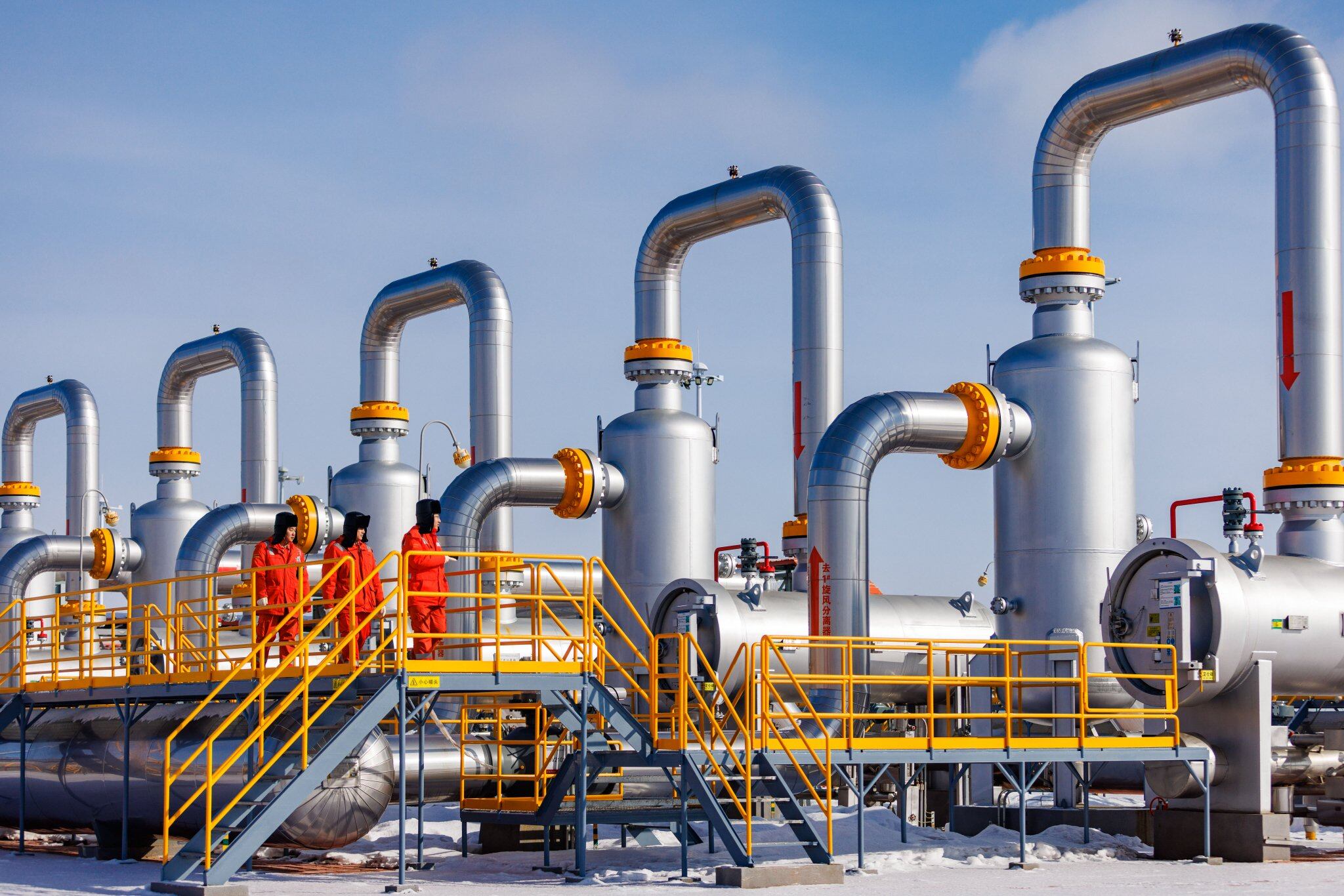
Establishing a project company to advance investment decisions
After the agreement is signed, we will move on to the next implementation phase: establishing a project company in Casablanca, setting up a pipeline senior management bureau in Abuja, and then initiating investor mobilization and final investment decision preparation work. Morocco and Mauritania will sign a bilateral transit agreement. ONHYM and NNPC will establish a joint venture project company responsible for execution, financing, and construction. The project integrates the fragmented energy market in West Africa into a unified regional natural gas market, supporting power generation and industrialization in countries along the route, while providing Europe with an alternative natural gas supply channel that bypasses the Strait of Hormuz.Editor/Gao Xue
Comment

 Praise
 Collect
 Comment

 Share
Share


Write something~